Corporate Golf Bags: Best Custom Options for Business Gifts
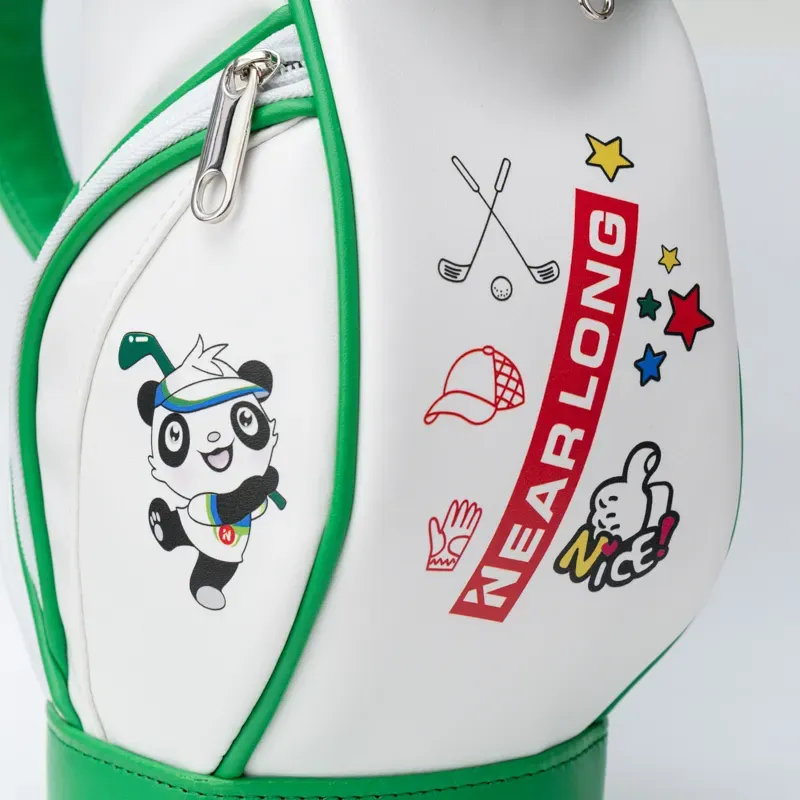
Yes — corporate golf bags make excellent business gifts, and the best custom option for most companies is a fully logo-branded cart or stand bag produced through an OEM/ODM partnership, priced in bulk at a modest per-unit investment while delivering daily brand exposure across every round. At QUANZHOU JUNYUAN BAGS, a Quanzhou-based custom golf bag manufacturer founded in 2014 with a founder who entered the bag-making industry in 2004, we have built branded gift programs for more than 200 brands shipping into over 100 countries. This guide walks through the options, the data behind timings and costs, and the exact steps to place a corporate-branded golf bag order that arrives on schedule and looks flawless at your next client event or tournament.
Corporate golf gifting is not a novelty. Golf remains one of the highest-retention business sports, and a bag is the single most visible object a player carries. Every round, a branded golf bag appears in the hands of a decision-maker for four to five hours and appears again in photos, at the first tee, and in the clubhouse. For a fraction of the cost of a tournament sponsorship, a custom golf bag delivers repeated, measurable impressions. In this article we break down bag-type selection, sizing, branding techniques, sample timing, minimum order quantities, packaging, and cost planning so you can brief a factory with confidence and approve a sample rather than guess.
Why a Custom Golf Bag Works as a Corporate Gift
A corporate gift must be useful, premium-feeling, and memorable. Golf bags satisfy all three criteria because they are used weekly, stored prominently, and photographed often. A branded logo on a bag is effectively a walking billboard that the recipient volunteers to carry. From a return-on-investment standpoint, the numbers are straightforward. A mid-volume run of custom golf bags at our factory supports a typical order of 200 to 500 units at a per-unit price that sits far below a single hospitality tent at a pro tournament, yet the recipient keeps the item for years. That makes golf bags one of the most cost-efficient executive gifts on the market when measured by impressions per dollar.
There are also practical reasons companies choose bags: they simplify corporate event logistics, they pair naturally with ball markers, towels, or headgear for a coordinated gift kit, and they work equally well as client appreciation gifts, sales-incentive prizes, or executive onboarding packages. Because every bag is built around a specific functional job, you can also align the gift to the recipient's style of play — a cart bag for the club member who rides, a stand bag for the walking golfer, or a travel bag for the executive who plays abroad. Aligning the right bag type to the audience raises the perceived value of the gift immediately.
The Main Bag Types to Choose From
Before you select colors or a logo placement, you need to choose the bag architecture. Each type suits a different corporate audience, and the choice drives material, weight, capacity, and cost. The table below summarises the four most common bag types for corporate gift programs, along with the audience each fits best.
| Bag Type | Best Corporate Audience | Typical Capacity | Build Complexity |
|---|---|---|---|
| Cart Bag | Club members who ride a cart | 14-way dividers | Medium |
| Stand Bag | Walking golfers and juniors | 6–14 clubs | High |
| Sunday / Pencil Bag | Casual players, range days | 6–8 clubs | Low |
| Staff Bag | Instructors and sponsored pros | Full set + valuables | High |
Cart bags are the most frequent corporate gift because they balance presence with practicality. They ride on the cart, so they can be larger, and their broad side panels give a wide, clean canvas for a full-color logo. Stand bags are preferred when the recipient plays walking rounds or belongs to a club that encourages walking, since the retractable legs and comfortable straps matter more than size. If your gift program targets a compact audience of executives, a travel-style carry bag reduces shipping dimensions and still carries a prominent logo. Our recommendation is to let the recipient's playing style decide the architecture, not the budget, because a bag that gets used is a gift that gets remembered.
How Capacity, Dividers and Pockets Shape the Gift
Once you choose the bag type, the internal architecture determines how premium the bag feels. Full-length 14-way divider systems are the current standard requested by serious golfers because they keep clubs separated, reduce bag chatter, and protect graphite shafts. Full-length dividers run the entire height of the bag so each club slots to the bottom, which is the single feature buyers most often cite when comparing a cheap bag from a premium one. You can spec a 4-way, 5-way, or 14-way top depending on how many clubs your audience carries.
Pocket architecture is where the bag earns its perceived value. A well-designed corporate bag typically includes a large apparel pocket, a lined valuables pocket with a key clip, a cooler pocket for cold drinks, an insulated water-bottle sleeve, a rain-hood pocket, and a dedicated range-finder or valuables pocket. Balanced pocket counts improve usability, but over-packing a small bag with pockets reduces capacity and adds weight. The symmetry of the top and the ergonomics of the straps matter too. For walking bags, padded, adjustable straps with good weight distribution make long rounds comfortable, and a single-piece padded strap system is the industry-preferred upgrade for gift-tier bags. If you need guidance on matching compartments to a specific bag type, see our dedicated guide on golf bag organization and pro tips.
Choosing Materials: Durability Meets Printability
Material selection affects three things that matter to a corporate buyer: how the bag looks with a logo, how long it lasts in the recipient's hands, and how the price scales. The most common golf bag shell materials are 600D and 1680D polyester, nylon, and PU-coated fabrics. 600D polyester is a cost-effective, balanced option that prints and embroiders cleanly. 1680D polyester is denser, more abrasion-resistant, and gives a more substantial, premium hand-feel, making it the default for branded gift programs that want a sturdy product. Nylon offers better tear resistance and a smoother surface that accepts vibrant full-panel printing well. Water-resistant and PU-coated shells are popular when recipients play in rainy, coastal, or humid climates, and many corporate programs now request a rain-hood or water-resistant lining as standard.
For structural components, aluminum or carbon-lined tube frames keep the top stable, and reinforced bases with rubber feet protect the bag when set down. Zippers are a quiet brag point: YKK-type zippers with larger pulls last longer and feel more deliberate, an easy export-compliant upgrade. Thread and webbing should match, and seam taping on waterproof pockets prevents leaks. A full review of material options and their trade-offs is available in our material options for custom golf bags comparison.

Logo Placement and Branding That Looks Expensive
The logo is the point of a corporate gift, so placement and technique deserve real planning. A professional placement sheet maps where marks go: the main logo on the upper side panel at chest height, a secondary mark on the lower panel or the base, a tonal mark on the front, and an embroidered or printed label on the hang tag and the rain-hood. The most common techniques are embroidery, screen printing, sublimation for full-panel color, heat transfer, and woven labels. Embroidery looks premium on nylon and 1680D panels and suits logos with limited colors. Screen and heat-transfer printing are economical on polyester. Sublimation unlocks full-panel, all-over color and is ideal when your corporate palette is bold or when you want the logo to wrap around the whole bag.
Color matching matters more than buyers expect. Pantone-specified colors should be matched against physical swatches during sampling, because digital screens do not represent printed or embroidered thread accurately. We recommend approving a physical sample before committing to a full run, and always ordering a munsell-style color chip check. For a deep dive into matching the printing or embroidery technique to each fabric and bag type, read our dedicated article on custom logo printing and embroidery for all golf bag types.
Branding Workflow From Artwork to Approved Sample
A corporate gift run should follow a disciplined, document-driven workflow so that mistakes are caught on paper, not on a production line. It starts with a brief defining bag type, capacity, pockets, materials, colors, logo files (vector EPS or AI preferred), placement sheet, packaging, and target ship date. Next the factory engineer releases a technical drawing and a 3D or material mock-up for approval. Sampling follows, and this is the milestone to watch. At QUANZHOU JUNYUAN BAGS, sample development typically takes 10–20 days, after which you approve the sample before any bulk production begins. Bulk production then runs 45–60 days depending on complexity and order size. Once approved, we move into final quality inspection and packing.
The most common corporate mistake is rushing the sample. A sample that is not production-matched — same thread colors, same zippers, same fabric batch — will not predict the final output. Insist that the approved sample represents the exact production specification, including the Pantone logos, and confirm the factory retains the approved sample as the master reference during bulk. This single discipline prevents most colour and placement complaints. The full order lifecycle from inquiry to delivery, including sampling and approval checkpoints, is mapped in our guide to the bulk golf bag order process.
MOQ, Cost Planning and Packaging
Budgeting a corporate gift program means understanding minimums and packaging. Our standard minimum order quantity is 200 pcs per design, and we can support a test or pilot order of 100 pcs so you can validate a program or warm up a new audience before committing to scale. Obviously samples are produced first; the sampling fee is typically recouped or credited when you move to bulk. Pricing scales with complexity — more pockets, full-length dividers, premium fabric, and multi-color embroidery add cost per unit, while higher volume reduces the per-unit price. It is worth requesting a line-item quotation that separates shell fabric, lining, hardware, branding, and packaging so you can see exactly where the budget goes.
Packaging is a silent brand moment. Options range from a simple poly bag to a custom-printed logo box, or a fitted drawstring cover. For a premium corporate feel, a printed outer box with an embroidered patch inside elevates the unboxing. Freight and duty are additional and vary by destination, and for multi-national gift programs, a supply-chain and procurement plan that accounts for lead times, ports, and compliance will prevent last-minute delays. If you are gifting across borders, consult guidance on importing custom golf bags so tariffs, labeling, and carton specifications are handled in advance.
Timeline Template for a Corporate Gift Program
A realistic calendar keeps a gift program on schedule for an event or holiday deadline. Below is the timeline we recommend, and each phase has a clear gate before the next begins.
- Weeks 1–2 — Define bag type, capacity, materials, colors, logo files, and packaging; factory issues technical drawing.
- Weeks 2–5 — Sampling (10–20 days); receive and approve the physical sample.
- Weeks 5–14 — Bulk production (45–60 days) with inline quality control.
- Weeks 14–15 — Final inspection, packaging, and container booking.
- Weeks 15–17+ — Shipping transit to destination and local delivery.
Notice that the sample decision is the critical fork. If you compress the timeline, the safest lever is to lock the design and logo early and approve the sample immediately, then hold the production slot. Quality control must not be skipped; every unit in a gift run should pass the same inspection standard, because a flawed bag in an executive's hands damages the brand it carries. Our quality-control process is detailed in golf bag manufacturing quality control.
Hidden Costs and How to Control Them
Corporate buyers often budget for the bag and forget the surrounding costs. Watch five items: (1) sampling and courier fees, which can be credited against the bulk order; (2) custom molds or tooling if you request a unique-shaped base or handle; (3) packaging and print plates for custom boxes; (4) freight and insurance, which scale with carton dimensions; and (5) compliance such as labeling, test reports, and any destination-market fees. Asking for a fixed, all-in quotation that names these components up front prevents surprises and makes internal approval easier for the finance team.
Volume planning also controls cost. Because per-unit price drops with quantity, it can be cheaper to commit to one annual program of a few hundred units than to place repeated small orders. If 200–500 units is more than you need this year, a padlock group purchase across departments or a two-year contract can still unlock volume pricing. For a full treatment of what moves the price, review our custom golf bag cost factors.
Why Work With a Factory Rather Than a Broker
The choice between a factory-direct partner and a broker or trading agent affects control, speed, and consistency. A factory-direct manufacturer such as QUANZHOU JUNYUAN BAGS owns the sampling, production, and inspection steps, so the approved sample directly controls the bulk output and there is no middle layer distorting communication on colours, materials, or deadlines. Working factory-direct typically shortens the sampling loop and gives you direct visibility into the line, capacity, and quality gates. A broker can bundle unrelated products, but for a branded private-label gift the factory-direct route is usually faster and more deterministic. That is why the largest corporate gift programs prefer OEM and ODM services explained before signing.
Capacity is also a signal of reliability. Our factory operates 7 production lines with 126 sewing machines and 137 staff, with a monthly output of about 200,000 units, so even a large gift program does not crowd out other orders. We serve golf, business, and retail brands across 100+ countries, and our affiliated factory facility spans about 4,950 sqm. This scale means a steady corporate program gets a dedicated production window and consistent staffing. For long-term partnerships, see how to structure them in our factory partnership guide.
Compliance, Testing and Sustainability
Exporting branded golf bags carries compliance obligations that vary by destination. Common expectations are product testing for fabric quality and heavy-metal content, factory audit certifications such as BSCI or ISO 9001, and correct labeling with fibre content and care instructions. Our factory has passed a SGS audit (2026) and maintains the documentation reviewers request. For EU-bound programs, REACH and related chemical compliance matter; for North America, labelling and import documentation matter. Confirm the required test reports before production so there is no hold at the border.
Many corporate clients are also asking for sustainability, and it is increasingly possible without redesigning the gift. Recycled polyester shells, water-based inks, reduced packaging, and easily removable branding so the bag can be donated or reused are all options we support. A sustainable gift reads as forward-thinking to modern executives and to the juniors or academies you might sponsor. More on this is covered in our eco-friendly golf bag manufacturing article.
Realistic Expectations: What a Great Gift Program Does
The best corporate golf gift programs succeed on the same principle — a genuinely useful bag with a tasteful, durable logo delivered to the right person at the right time. Keep expectations realistic: a mid-range run is not a tournament bag, but it does not need to be. Consistent materials, clean logo rendering, correct color match, and reliable delivery are what make the recipient think well of your company every time they tee up. Combine the bag with a coordinated accessory (a branded towel, ball marker, or headcover sold separately by your team) for an even stronger kit, but never compromise the bag itself to fund the extras.
Finally, measure the program. Track impressions at events, redemption of incentives, and whether recipients mention the gift in follow-up conversations. Because the bag travels and gets photographed, a well-made branded bag quietly continues marketing your company long after the invoice is closed. If you are ready to scope a program, the fastest path is a technical brief and a sample request — details below.
Frequently Asked Questions
- What is the minimum order for custom corporate golf bags?
- The standard MOQ is 200 pcs per design, and we support a test order of 100 pcs so you can validate a pilot gift program before scaling. Sampling always comes first, with typical sample development of 10–20 days.
- How long does a branded golf bag order take?
- Plan roughly 14–17 weeks plus shipping. Sampling takes 10–20 days, bulk production 45–60 days, followed by final inspection and transit. Locking the sample early is the safest way to hold the deadline.
- Which bag type is best for an executive gift?
- Cart bags are the most common because they are large, widely useful, and give a big canvas for the logo. Stand bags suit walking golfers, and staff bags fit instructors or sponsored pros. Choose by how the recipient actually plays.
- Should I use embroidery or printing for my logo?
- Embroidery looks premium and durable on nylon and 1680D panels for logos with limited colors. Full-color or full-panel artwork is better served by sublimation or heat-transfer printing. We match the technique to your fabric and artwork during sampling.
- Can I order a sample before committing to bulk?
- Yes. Sample development takes 10–20 days, and the sampling fee is typically credited when you move to a bulk order. Approve the exact production-matched sample (same colors, fabric, zippers) before production starts.
- Do you offer eco-friendly options for corporate gifts?
- Yes. Recycled polyester shells, water-based inks, reduced packaging, and removable branding are available. Our affiliated facility has completed an SGS audit (2026), and we maintain the test documentation destination markets request.
About the Author
This guide was prepared by the production and sourcing team at QUANZHOU JUNYUAN BAGS, a custom golf bag manufacturer in Quanzhou, China. Our factory was founded in 2014, and our founder entered the bag-making industry in 2004, giving the team 20+ years of hands-on experience. We operate 7 production lines with 126 sewing machines and 137 staff, with a monthly output of about 200,000 units, serving 200+ brands across 100+ countries. For project-specific advice, email service@junyuanbags.com or call/WhatsApp +86 17750020688.
Sources & Further Reading
- USGA Equipment Rules — official golf equipment standards referenced for bag dimensions and specifications.
- ISO 9001 Quality Management — the quality standard our factory's management system follows.
- BSCI Social Compliance — the business social compliance initiative referenced for factory audits.
- SGS Factory Audit — the third-party audit completed at our affiliated factory in 2026.