Custom Waterproof Golf Bags for Wet Climate Countries
For wet climate countries, a custom golf bag must be engineered from the start around genuine three-pillar waterproofing — a laminated shell, sealed seams and protected zippers — with the specification tuned for the specific market: hydrolysis and mould resistance plus UV for the tropics, and low-temperature flexibility for colder rainy regions, all verified by a simulated-rain sample test before volume production. This guide, written from a factory that builds custom waterproof bags for wet-climate brands, explains how to source, specify and verify such a line.
The Wet Climate Market Is Growing for Good Reason
Golf is played in some of the wettest places on earth, from the humid courses of Southeast Asia to the rain-swept links of northern Europe and the monsoonal regions of the Pacific. In these markets, a bag that is only water-resistant is a recurring disappointment, because the weather is not occasional but a defining condition of the game. Brands serving wet-climate countries have every commercial reason to make genuine waterproofing a core specification rather than an upgrade, because it is the feature that best matches what the local golfer actually faces.
The growth is driven by expectation. Golfers who play through tropical storms or long northern rains have learned to value equipment that simply works in the wet, and they reward brands that deliver it. For any brand or retailer entering these markets, a custom waterproof bag is not a niche premium product but the product the climate demands. Sourcing it correctly, with the specification matched to the weather of the target country, is the foundation of a successful wet-climate line.
Tropical vs. Temperate: Two Different Wet Climates, Two Specs
"Wet climate" is not one thing, and the best custom specification depends on which wet climate you mean. Tropical markets are hot and permanently humid: the challenges are frequent heavy rain, relentless humidity, high UV and the relentless growth of mould and mildew in damp storage. A tropical bag therefore needs strong hydrolysis-resistant materials (often TPU over PU), UV-stable fabric and colours, and features that promote drying and airflow. Corrosion of hardware and mildew in pockets are the tropical risks to design against.
Temperate wet climates, by contrast, bring colder and longer-lasting rain, and the defining challenge is low-temperature flexibility. A laminate that stiffens or cracks in the cold will fail when it meets winter rain, so cold-weather markets favour flexible, cold-tolerant materials over ones chosen purely for heat resistance. Understanding which wet climate your market truly is lets you specify the right material, construction and finishes, rather than assuming all wet countries need the same bag. Matching the waterproofing to the actual climate is the mark of a well-sourced custom line.
The Non-Negotiable Construction for Wet Markets
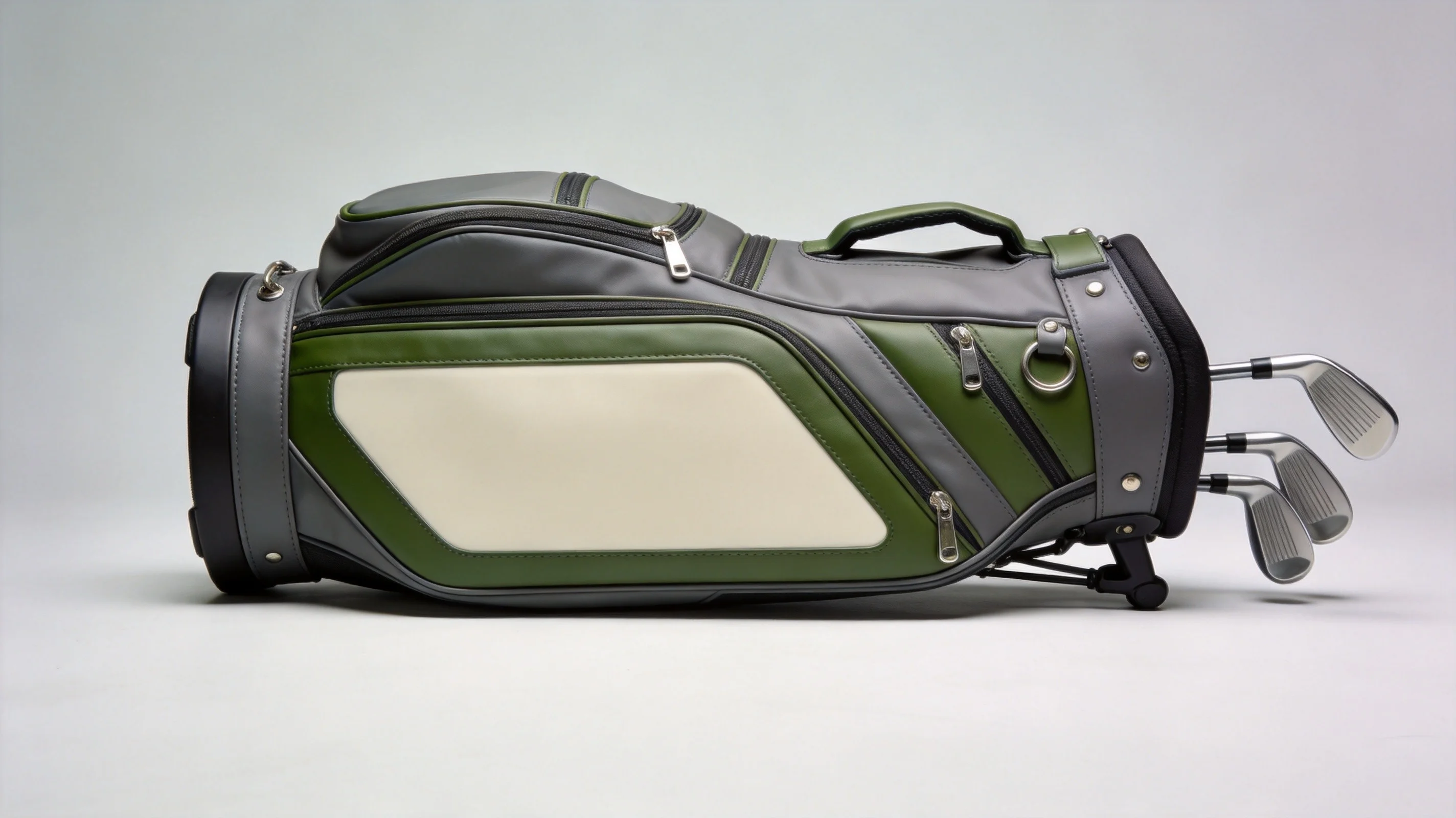
Whatever the climate, the construction standard for a genuine wet-climate waterproof bag is the three pillars, and all three must be present together. The shell must be a laminated fabric, typically PU or TPU over a nylon or polyester core, that blocks water penetration. The seams must be taped or welded so the needle holes and panel joints cannot leak. And the zippers must be sealed, baffled or protected, since the zipper track is the first and most common failure point in a truly wet environment. Remove any one and the bag is water-resistant only, no matter how it is marketed.
The base deserves equal attention in a wet climate, because it sits on wet ground, puddles and damp cart floors for the entire round. A wet-climate bag typically pairs a sealed base construction with a durable, often rubberised material that resists both water and abrasion. In high-humidity markets, hardware and zippers are also chosen or treated to resist corrosion. Listening to a factory that specifies the whole system—shell, seams, zippers and base—rather than just the fabric, is the reliable way to source a bag that truly survives a wet season.
| Consideration | Tropical / humid | Temperate / cold rain |
|---|---|---|
| Primary risk | Humidity, mould, UV, heavy rain | Cold, sustained rain |
| Material emphasis | Hydrolysis resistance, UV stability | Low-temperature flexibility |
| Common laminate | TPU preferred | TPU for cold flexibility |
| Drying features | Ventilation, drain-friendly layout | Internal drying, sealed storage |
| Base design | Sealed, mould-resistant | Sealed, abrasion-resistant |
Customisation on a Waterproof Build
Waterproofing does not limit customisation; it is simply engineered into the design. A custom wet-climate bag can carry any logo, colourway, pocket layout, dimension and feature set while maintaining the sealed construction, because the waterproofing is planned as part of the pattern and material specification rather than bolted on afterward. Brands choose their brand panel, embroidery and embroidery placement, hardware finish and internal layout, and the factory adapts the sealed build to match. The outcome is a bag that is both personal to the brand and genuinely dry inside.
The discipline this requires is that the design and the seal are approved together on a physical sample, rather than the design being approved and the seal assumed. Each colourway should be sampled and verified, because material sourcing can drift from lot to lot and affect both appearance and bond. A brand working through our custom solutions flow can specify design and waterproofing together and carry full OEM/ODM services through sampling, testing and volume production, so the custom bag is both on-brand and weather-verified.
Verifying the Seal for Your Specific Market
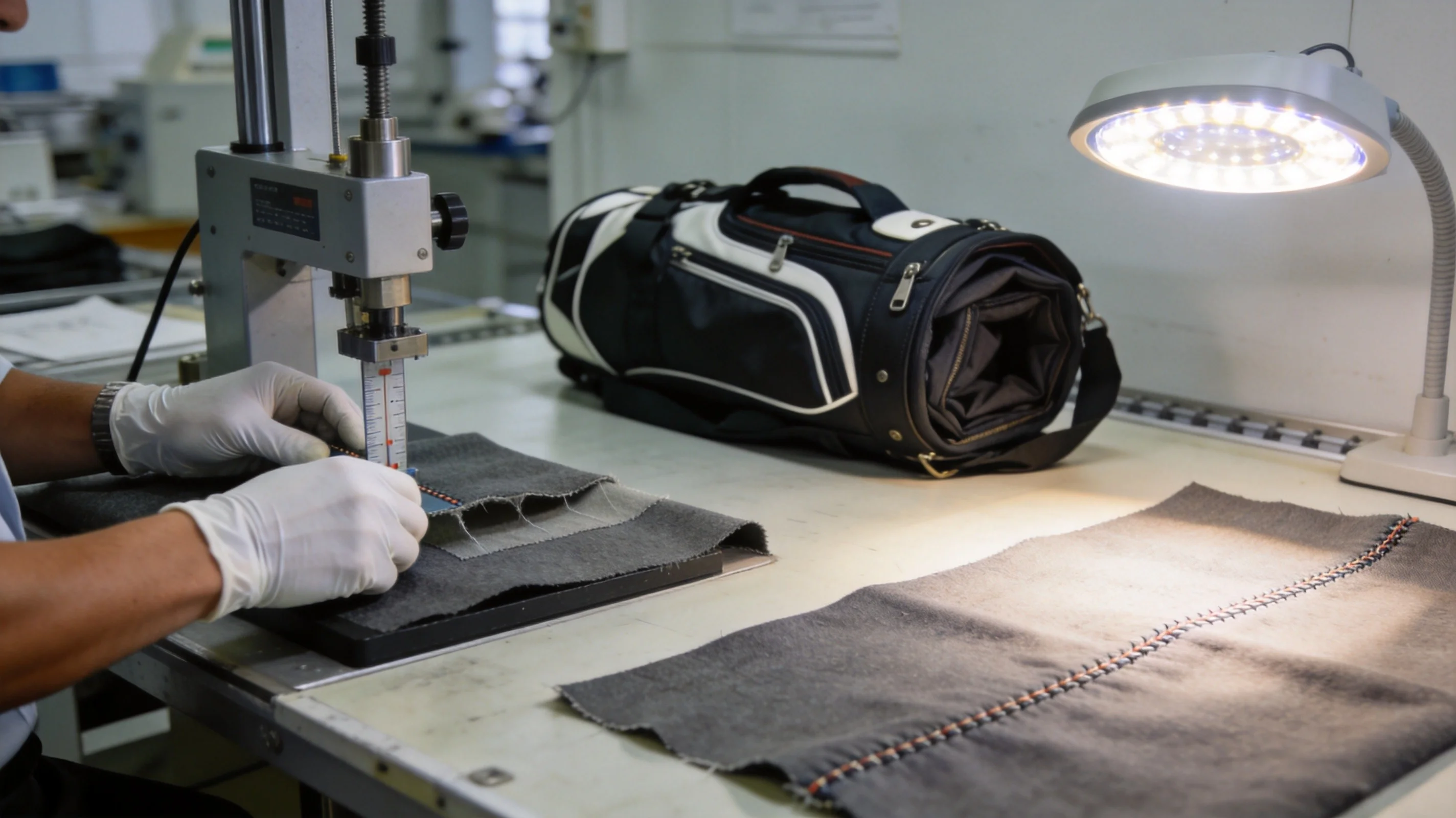
In a wet climate, an unverified waterproof claim is an expensive mistake, so verification is central to sourcing. The core test is a simulated-rain or water check on an approved sample, inspecting the interior, seams and zippers for moisture after exposure. For a truly rigorous sourcing decision, the sample should be tested under the conditions of the target climate—prolonged humidity for the tropics, cold rain for a temperate market—so the test mirrors the real environment the bag must survive. Verification per colourway catches material drift before volume commitment.
This testing discipline is encoded in every serious waterproof program, and it is the standard any brand should demand. The inspection protocol behind it is detailed in our quality standards guide, which treats seam sealing, zipper protection and water testing as non-negotiable parts of a wet-climate specification. When a factory can demonstrate the sealed construction on a real sample and stand behind the result, brands source a wet-climate line backed by evidence rather than a brochure.
Sampling and Production Timelines for Wet-Climate Lines
Planning a custom waterproof line for a wet climate means managing a season that will sell out quickly once the rains arrive, so timing matters. A typical flow starts with design and sampling, which usually takes about 10-20 days to produce an approved sample with the waterproof construction confirmed. After approval, bulk production runs about 45-60 days, with the sealing and inspection steps included. Building sampling around forecast demand lets a brand launch its waterproof line exactly when the wet season is expected, rather than racing a shipment against the first storm.
The volume commitment shapes the plan as well. Standard wholesale runs start from a 200-piece minimum, with 100-piece test orders available for a brand to validate both performance and real-world demand before committing to full volume. A test order is a wise first step in an unfamiliar wet market, letting you confirm the product works and sells before scaling. Planning the full sequence—sample, verify, test order, volume—around the rainy season is how successful wet-climate launches are timed.
Costing a Wet-Climate Waterproof Bag
A custom wet-climate bag costs more than a standard water-resistant bag because genuine waterproofing adds material, sealing and inspection steps. The premium is spread across the longer life and the protection of a valuable set in a market where rain is a constant, so it is best judged as cost per usable season rather than upfront price. The highest-value specifications invest in the parts that fail first in the wet: durable TPU laminates, secure seam sealing, corrosion-resistant hardware and a resealable base.
Cost discipline is to spend where the wet environment punishes hard and save where it does not. It is usually worth paying for material and sealing quality, since those decide whether the bag survives its first wet season, while simpler areas like interior layout can follow a standard pattern. Working with a factory that builds waterproof bags asks for a transparent breakdown so the premium is justified against measurable performance. Value in a wet climate is a bag that seals reliably, lasts, and reflects a brand well—at a cost that matches the protection it provides.
One further costing nuance specific to wet markets is total cost of ownership rather than unit price. A slightly higher upfront specification tends to reduce the returns, warranty work and customer dissatisfaction that a cheaper, leaking bag generates in a rainy climate. Because a waterproof failure is discovered only in the storm, at the worst possible moment, the cheaper product's hidden cost—an angry customer, a damaged set, a returned unit, a refunded order—often outweighs the saving. This is why the most successful wet-climate operators consistently spec above the minimum and treat verified waterproofing as a given rather than an optional extra, protecting both margin and reputation over the long run.
Building a Waterproof Line for Your Wet Climate
Sourced, sampled and water-tested for tropical or cold-rain markets, with your brand built into a genuine sealed construction.
Start a Wet-Climate Custom Project →Designing Pockets and Layouts That Drain and Dry
In a wet climate, how a bag drains and dries is as important as how it seals. Thoughtful pocket design keeps valuables dry while actively managing the moisture that does collect. A wet-climate bag benefits from waterproof pockets for phones, wallets and keys, mesh or vented compartments that allow airflow and prevent mildew, and a layout that lets condensation and splash fallout drain rather than pool in the base. These details sound minor, but in permanent humidity they decide whether one bag works reliably while another develops stale, damp pockets within a season.
The skill is balancing this drainage with the seal. A bag cannot simply drain freely if it also aims to stay waterproof against rain, so wet-climate design routes moisture toward controlled drainage points, uses vented areas where airflow helps, and protects the valuables pockets with fully sealed closures. Get the balance right, and the bag breathes and dries while the things inside stay dry. This pairing of sealing and drying, specified together, is a mark of a wet-climate bag designed by someone who understands the market rather than built by copying a dry-climate pattern.
Hardware and Zippers Built to Resist Corrosion
In a humid or rainy climate, hardware is where waterproof bags quietly fail. Ordinary metal zippers, buckles and rivets corrode when exposed to permanent moisture, so a wet-climate spec favours corrosion-resistant hardware—plastic or coated zippers, stainless or protected fittings, and sealed attachment points. The zipper is doubly important since it is both the main leak point and a moving part that corrodes and jams if moisture and grit reach it. A sealed, corrosion-resistant zipper stays smooth and weatherproof across a wet season, while an unprotected metal one degrades in both ways at once.
Extending the same thinking to straps, buckles and the base spreads durability where it matters. A wet-climate bag specified with corrosion-resistant hardware throughout keeps its function, appearance and seal intact over years of use, rather than failing at isolated metal points. When you inspect a candidate custom bag, looking at how the hardware is protected is a fast, reliable read on whether the factory has genuinely designed for the wet or simply added a waterproof fabric and called it done.
Building a Full Wet-Climate Range, Not a Single Bag
For brands serious about wet-climate markets, the strongest position comes from offering a coherent range rather than a single waterproof bag. A full range covers a stand bag for the walker, a cart bag for the rider, a travel bag for the golfer who flies, and a cooler or accessory option, all sharing the same sealed, wet-climate construction and brand identity. This lets a brand meet every golfer in the market with equipment matched to their round, protects against a single-product bet, and builds a recognisable line that retailers and golfers learn to trust.
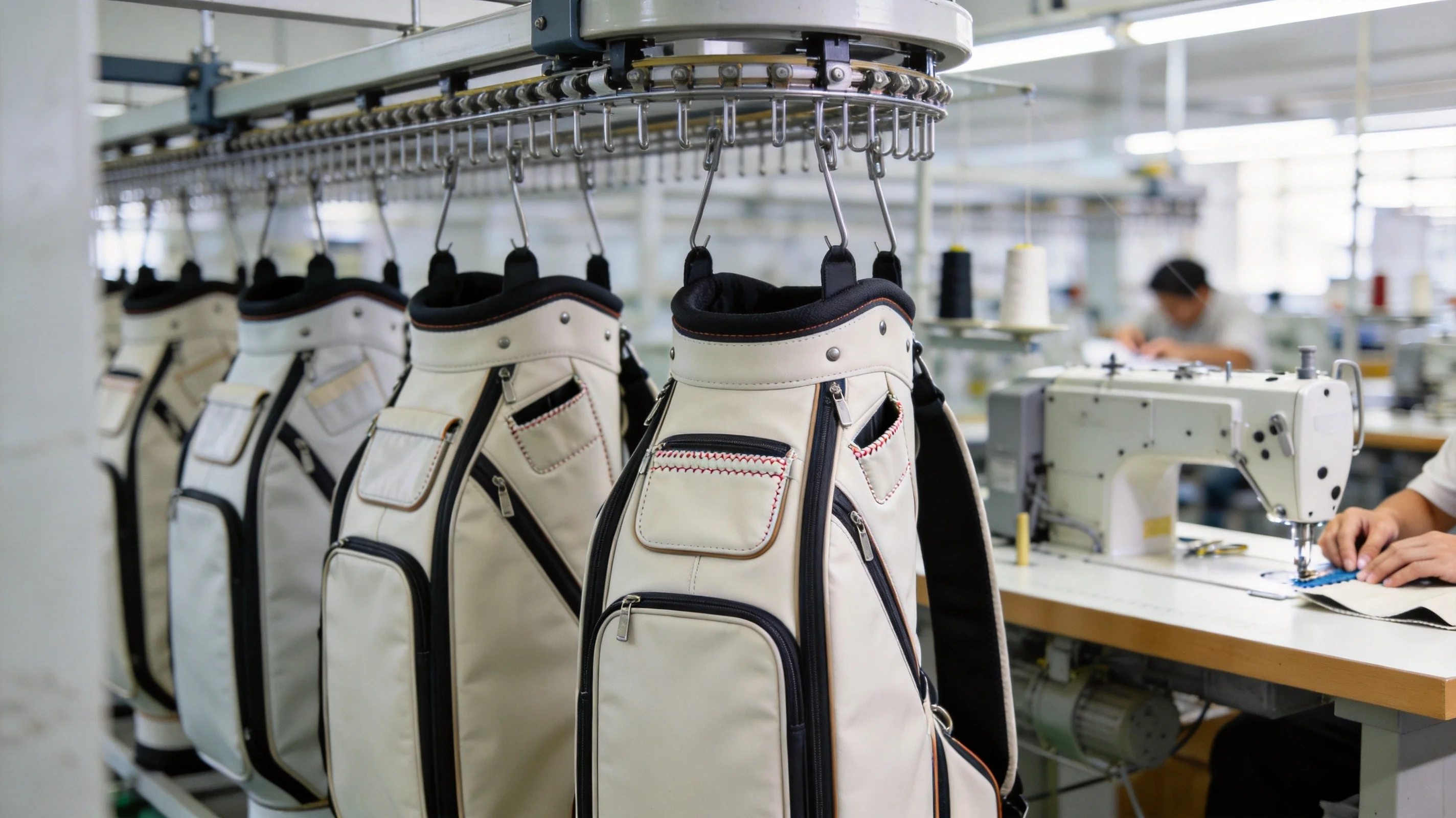
Building a range on a shared waterproof platform is efficient as well as complete. A common material specification, seam-sealing method and testing protocol apply across the different bag types, so the whole line is verified once and reused, keeping cost and lead time controlled while maintaining consistency. Our affiliated facility in Quanzhou supports exactly this scale of range development, with seven production lines and 126 sewing machines staffed by 137 operators delivering a monthly capacity of 200,000 units, and every batch SGS-inspected, last verified in March 2026. The full flow from single bag to full range is laid out in our OEM/ODM process guide.
Building a range also changes the sourcing conversation meaningfully. Because the waterproofing is engineered once and applied across models, brands can plan it centrally, verify each colourway on a sample, and time the whole launch together around the rainy season. A coordinated waterproof range, consistently sealed and on-brand, is a far stronger foundation for winning a wet climate than a collection of unrelated bags, and it is exactly how the best wet-market brands are built.
Case Study: Adapting a Standard Line for a Rainy Market
A practical example clarifies what wet-climate sourcing really involves. A brand selling a standard stand bag in dry markets decided to enter a tropical country where heavy daily rain and high humidity made its current product unsuitable. The first step was specification: switching the shell to a TPU laminate for hydrolysis and mould resistance, adding sealed seams and protected zippers, upgrading to corrosion-resistant hardware, and redesigning the base and pockets for drainage and ventilation. Each change was driven by a specific wet-climate risk rather than applied as a blanket upgrade.
The second step was verification. A sample was produced and subjected to a simulated-rain test and a humidity soak, then inspected for ingress at the seams, zippers and base. Only after the sample passed, and a 100-piece test order confirmed the product held up in real conditions and sold, did the brand commit to full volume. The result was a tropical-ready stand bag that protected clubs through daily storms, launched on time for the rainy season, and gave the brand credibility in a market its original product could never have won.
The lesson is transferable to any wet climate. Begin with the specific risks of the market, engineer the bag around them, prove the seal on a sample and a test order, and time the launch to the season. A wet-climate line built this way is not a gamble but a process, one that reliably produces equipment suited to the rain and a brand able to own the market that faces it.
Managing Returns in Wet Markets
For retailers, the return rate on a waterproof line is a sharp test of its honesty. A bag marketed as waterproof that leaks in the reality of a tropical downpour produces complaints, returns and lost trust with exactly the customers the climate demanded you win. The commercial answer is the same as the sourcing answer: verify the seal on real samples, in real wet conditions, before you commit to volumes, and be precise about marketing language so "waterproof" only describes bags that genuinely are.
Beyond verification, build a small but effective aftercare program for wet markets. Clear guidance on drying, storage and re-treatment reduces premature failures and demonstrates that the brand understands its customers' climate. A waterproof line with honest claims, verified construction and practical care advice turns the greatest environmental risk in these markets into your clearest competitive advantage, because nothing builds loyalty faster than equipment that simply works in the rain. And because a wet-climate bag is bought to be used in exactly that weather, trustworthy aftercare is part of the promise a smart brand makes, converting a one-time purchase into an ongoing relationship with every golfer who trusts the bag through a single hard storm.
Conclusion
Sourcing custom waterproof golf bags for wet climate countries is a specification and verification discipline, not a marketing exercise. Match the three-pillar construction to the specific weather of your market—humidity and mould resistance for the tropics, cold flexibility for temperate rain—verify it on a real sample, plan sampling and production around the rainy season, and manage the line with honest claims and practical care. Done well, a custom waterproof bag becomes a resilient, on-brand product that wins the loyalty of every golfer who plays through the wet.
Sources
Frequently Asked Questions
- What makes a custom golf bag suitable for a wet climate country?
- Laminated shell, sealed seams and protected zippers, plus wet-climate tuning such as hydrolysis and mould resistance for the tropics and low-temperature flexibility for cold rain.
- What is the difference between tropical and temperate wet-climate specifications?
- Tropical bags resist hydrolysis, mildew and UV under heat and humidity; temperate bags prioritise cold-weather flexibility under longer rain, so material and drying features differ.
- Can waterproof bags be customised with my own brand and design?
- Yes; full OEM/ODM customisation covers logo, colours, fabric, dimensions and pockets with waterproofing engineered in, verified by sample approval per colourway.
- How do I verify a custom waterproof bag really works for my market?
- Approve a physical sample per colourway and run a simulated-rain test, ideally under your target climate's conditions, inspecting seams, zippers and base for ingress.
- What lead time should I expect for a custom waterproof bag order?
- Sampling and approval usually take 10-20 days, then bulk production about 45-60 days; planning around the rainy season keeps a wet-climate launch timed correctly.
- What volume do I need for a custom order?
- Standard runs start at a 200-piece minimum with 100-piece test orders available to validate performance and demand in a wet market before committing to full volume.