Essential Golf Bag Accessories Guide: 20 Must-Have Items
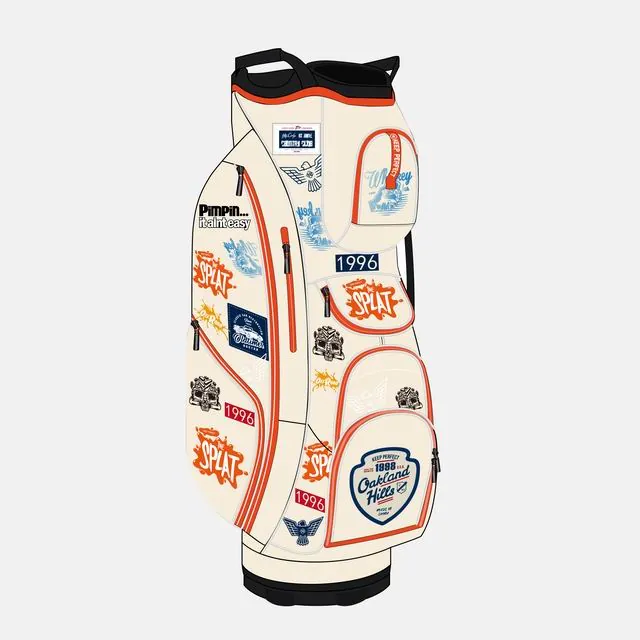
The essential golf bag accessory kit is compact and specific — balls and tees, one or two gloves, a rangefinder or GPS, a ball marker and divot tool, a towel, a water bottle, and a moisture-proof valuables pocket all secured for phone, wallet and keys — and these twenty items cover everything from play and distance to club protection, hydration, comfort and organization so a golfer is ready for any round without drowning in unused gear. This guide breaks the essentials into clear categories, explains what each one does and why, and tells you what matters most so you can build a lean, game-ready kit the right way.
The Play Essentials: No Round Without Them
The play essentials are the items you physically use on every shot and every hole. Balls and tees top the list — carry enough to cover practice, lost balls and a full round, but keep it reasonable so you are not hauling excess weight. A golf glove protects your grip and hand, and a second glove helps in humid or rainy climates. A ball marker and divot tool keep your putting repeatable and the course tidy.
These play items are consumed or used constantly, which is exactly why they deserve fixed, fast homes in the bag. Balls belong in one dedicated compartment, tees in a reachable holder, and the marker and divot tool in a small always-same pocket. Give each a permanent spot and the essentials become second nature to reach.
For most players, "enough balls" means about a dozen plus a loose sleeve or two for a range warm-up. Any more is weight without benefit; any fewer risks running out mid-round. Keep the count honest and restock when the sleeve in play runs low.
Distance Devices: Rangefinder or GPS
A rangefinder or a GPS-equipped device is the single biggest information upgrade a golfer can make. A laser rangefinder gives instant, precise yardages to the flag and hazards; a GPS watch or app provides full-course yardage, layup zones and hazard data on demand. Each removes guesswork from club selection and measurably speeds your decisions and your pace of play.
The choice between them is personal. Rangefinders are precise but only for yards you can see; GPS is comprehensive but slightly less precise for approach shots. Many players carry both a rangefinder and a GPS-capable phone or watch. Whichever you choose, give the device a secure home — a mount keeps it reachable, and a lined pocket protects it when not in hand.
Where they fit depends on your bag: a mount on the front face for cart users, a compact, accessible pocket for walkers. Match the storage to how you reach the device in play, and update the battery and firmware during the season so it is always dependable.
| Category | Must-Have Items | Also Nice to Have | Notes |
|---|---|---|---|
| Play | Balls, tees, glove, marker, divot tool | Extra glove, alignment sticks | Give each a fixed pocket |
| Distance | Range finder or GPS | Mount, range finder case | Secure, accessible home |
| Care | Towel, rain cover | Brush, grip tool | Keep grips dry and clean |
| Valuables pocket, pockets | Organizer pouches | Moisture-proof key pouch | |
| Hydration | Water bottle | Insulated cooler pocket | Cold drinks all round |
| Comfort | Strap pad | Umbrella, towel clip | Loads borne comfortably |
Club Protection and Care Essentials
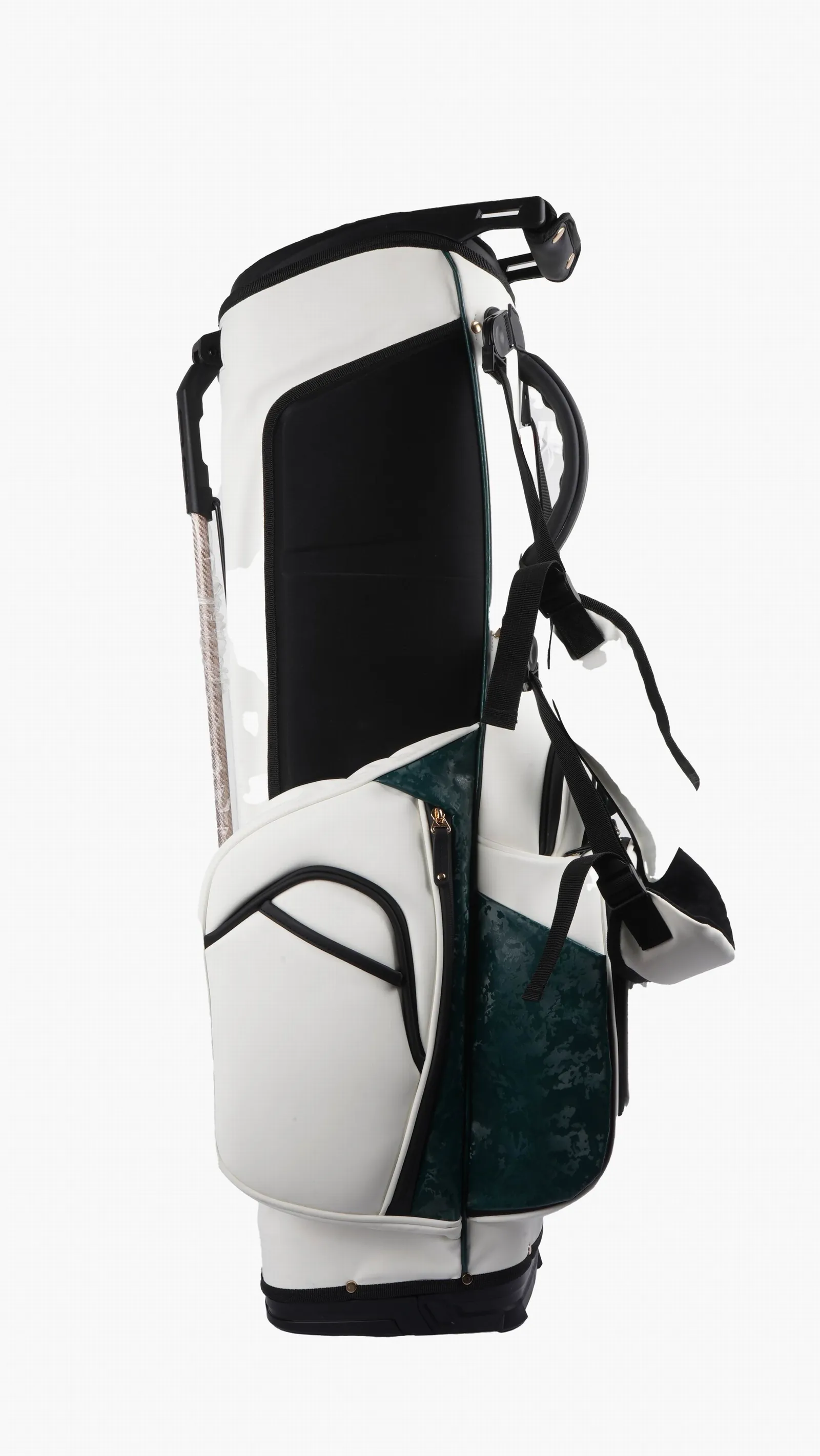
Protecting your clubs is one of the accessory categories that quietly saves you money. A well-designed divider system that separates clubs at the top prevents chatter damage, and club covers for your woods and a putter tube for your putter keep finishes from scratching. A rain cover shields both clubs and the bag in a downpour, and a towel keeps grips dry and clean so you always have a secure hold.
Care goes beyond covers. A soft brush and a mild cleaner refresh grips and club faces, and grip tools let you replace worn grips before they affect your shot. These care items are small and cheap, but they extend the life of clubs that cost many times more, so they are among the highest-value essentials you can carry.
For the full protection routine, pair this list with the wider care process detailed in our golf bag maintenance care guide, which keeps both bag and clubs performing season after season.
Hydration and Convenience Essentials
Hydration is a non-negotiable essential. Carry a full water bottle on every round and give it a dedicated side pocket so it is easy to reach and easy to replace. For longer or hotter rounds, an insulated cooler pocket keeps drinks cold and provides room for snacks. These items directly support your energy and focus in the final holes, when fatigue most affects performance.
Convenience covers the small luxuries that keep a round smooth: a towel ring or clip that keeps your towel handy, a specific place for sunscreen, and secure storage for power banks and devices. None of these are heavy, and each removes a small frustration that can build across eighteen holes.
Match hydration and convenience to your climate and duration. Warm-climate golfers should always plan for extra water and an insulated cooler; cooler-climate and wet-season players may prefer layered outerwear pockets and a compact umbrella. A little foresight keeps you comfortable in the conditions you most often face.
Pocket Organization Essentials
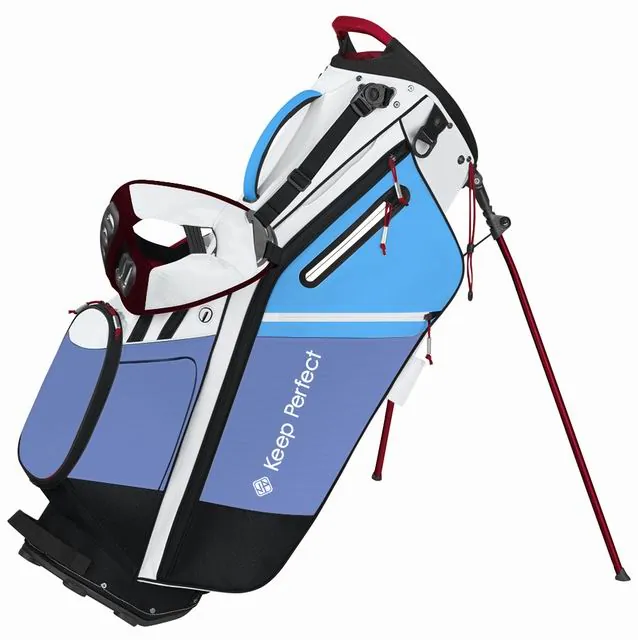
An organized pocket map is arguably the most useful "accessory" of all, because it makes every other essential easy to find. Assign each pocket a clear job: one for balls, one for tees and markers, one for valuables, one for raingear, and a convenient spot for the towel and range finder. Small organizer pouches or compartment liners stop smaller items from sinking to the bottom and tangling.
Use a moisture-proof valuables pocket for your phone, wallet and keys so they stay dry, secure and quick to find. Keep the layout fixed and sensible so every reach is predictable. The goal is a bag where you never search — you just reach, because everything has a home.
This pocket logic is exactly what we cover in depth in our how to organize golf bag pockets guide, and the zone-by-zone detail in accessories organization tips builds on it so the whole kit stays fast round after round.
Comfort and Wear-Resistance Essentials
Comfort keeps you going on the course and protects your investment in the bag. A well-padded strap pad distributes the load on walking rounds and spares your shoulders and back. An umbrella clips on for shade or rain, and a towel clip keeps raingear pressable and accessible. These are light additions that meaningfully raise day-long comfort.
Wear-resistance is about the bag itself: reinforced handles, sturdy zippers and weather-resistant fabric keep the bag looking and working well. Choosing a bag built with durable mounting loops and reinforced seams means essentials attached to it stay secure, and the bag survives the seasons of use. For a deeper look at what makes a bag last, our compartment design and sizing and fit guides explain the build details that matter.
Remember that comfort and wear-resistance reinforce each other — a comfortable, durable bag makes you more likely to carry it well and keep it clean, which extends its life still further.
The Complete 20-Item Breakdown
To make the essentials concrete, here is the full twenty-item reference list that many players build toward. Play: (1) balls, (2) tees, (3) glove, (4) second glove for wet rounds, (5) ball marker, (6) divot tool. Distance: (7) rangefinder or GPS. Protection and care: (8) towel, (9) rain cover, (10) club covers for woods, (11) bag brush, (12) grip tool. Pockets and organisation: (13) valuables pocket, (14) organizer pouches, (15) tee holder. Hydration and comfort: (16) water bottle, (17) insulated cooler pocket, (18) strap pad. Seasonal: (19) umbrella, (20) sunscreen and extras.
Not every golfer needs all twenty; the list is an upper guide, not a mandatory inventory. What matters is that you choose deliberately from each category so every item earns its place. Notice that the categories map naturally onto the bag's pocket map — give the essentials a fixed home, keep the valuables in a damp-proof pocket and the towel on a ring, and the kit stays fast.
Keep this list handy as a reference when you review your bag at the season change. It turns "what should I carry" into a quick boxes-checked exercise and prevents both over-stuffing and running short of the genuinely essential items mid-round.
How to Protect Essentials Between Rounds
Between rounds is where bags and essentials quietly fall apart. The habits worth building are few but powerful. After every round, wipe clubs and grips, and let the bag and accessories dry fully before storage, since moisture and grit are the biggest wear accelerators. Remove valuables and the range finder to a safe place, and restock the consumables — balls, tees, towel — so the bag is game-ready next time.
Store the bag in a dry, climate-controlled space rather than a garage or trunk where heat and humidity degrade fabric and zippers. A weekly inspection catches wear in straps, zippers and mounts before a failure on the course, and a seasonal deep clean and full kit review keeps both bag and accessories performing.
This pre-and-post round routine is covered in full in our storage and organization systems and maintenance care guide. Protecting your essentials between rounds is the highest-leverage habit you can build — it keeps every accessory ready and the bag healthy for the whole season.
Seasonal and Situational Essentials
The last essential category is the one that changes with the calendar: seasonal and situational items. In summer, extra hydration, sunscreen and a lightweight towel become priorities. In wet months, a rain cover, extra gloves and waterproof outerwear pockets do. On riding days, cart hooks and a rangefinder mount help; on walking days, weight-conscious comfort aids dominate.
Keeping these as a separate, swappable tier means the core bag stays stable and light, and you only add what the conditions demand. A simple two-tier system — a fixed core and a rotating seasonal kit — makes this easy and prevents the bag from accumulating one of everything throughout the year.
A seasonal review at each change of season (out with summer gear, in with winter kit, swapping riders and walkers as needed) keeps the essentials relevant and the bag lean. It is a five-minute habit that pays off every round.
How to Build a Lean, Game-Ready Kit
Building the kit is about priorities, not volume. Start with the non-negotiables — balls, tees, glove, rangefinder, marker, towel, water and a valuables pocket — and give each a fixed home. Then add protection and care items like a rain cover and brush. Then layer in the convenience, comfort and seasonal items you actually use, and skip the rest.
Apply the five-round test to anything uncertain: if you have not reached for it in your last five rounds, leave it home. This discipline keeps weight down, the bag fast and the kit genuinely essential rather than merely full. Revisit the kit a few times a season, refresh consumables and retire what you do not use, and the essentials stay exactly that — essential.
Finally, do not forget the base all these accessories work on. A well-designed bag with the right dividers, pockets and mounts makes the essentials effortless to reach and protect. See our product range for bags built to hold a lean essential kit, and wholesale options for sourcing an accessory-ready line.
Accessories by Bag Type: What Changes
The essentials list is universal, but how you organise them shifts with the bag you carry. On a cart bag, front-facing pockets and mounts put a rangefinder, towel and cooler within easy reach, and heavier accessories are fine because the cart carries them. On a stand bag, organisation is about light, balanced placement, with essentials kept low and close to the body for comfortable walking.
Lightweight and Sunday bags take a different approach entirely. With fewer pockets, the essentials compress into a minimal kit — a few balls, tees, a rangefinder, a marker and a towel — and multi-use items earn their place first. A Sunday bag is a reminder that "essential" should mean truly used every round, not everything you own.
Match the kit to the bag's pocket map and divider type, as our golf bag types guide explains in detail. When the accessories match the bag's design rather than fighting it, the whole system stays fast, balanced and comfortable no matter which bag you choose for the day.
Common Mistakes When Stocking a Golf Bag
The most common mistake is over-stocking — treating the bag as unlimited storage rather than a place to keep what you use. A bag stuffed with gear is heavy, hard to organise and slower to reach, and it erodes the benefit of every accessory in it. The cure is the five-round test: if you have not reached for it in five rounds, it does not belong in the bag.
A second mistake is neglecting compatibility. Accessories that do not fit the pocket, mount or divider type get forced into place, work loosely and can damage both the accessory and the bag. Check dimensions and mounting before buying, favour integrated designs, and return anything that does not sit cleanly rather than improvising a permanent fix.
A third mistake is ignoring maintenance. Left-in bottles mildew coolers, cables tangle, towel clips corrode and valuables pockets collect grit. A light seasonal clean, and letting the bag fully dry after wet rounds, protects both the accessories and the bag itself. Finally, do not skip the pocket map — the most expensive accessories are useless if you cannot find them, so give every essential a permanent home and keep it there.
Buying Essentials at Scale for Retail
For retailers and brands, the essential-accessory concept is also a merchandising strategy. A coordinated kit — bag plus the balls, tees, gloves, towel and valuables pocket that complete it — is a stronger, higher-margin offer than a bag alone, and it guides customers toward a complete experience rather than piecemeal purchases. Kits also drive repeat sales as consumables renew.
When sourcing essentials at scale, coordinate materials, sizing and branding so the pieces match the bag and each other. Work with a factory that can supply both product and accessories consistently, as we do through our accessories range and custom OEM/ODM services, so quality and fit stay uniform across the line.
Treat essentials as part of the product story. Selling readiness and protection — not just a bag — raises perceived value, improves customer satisfaction and builds loyalty. It is the same principle a player applies, scaled up to product strategy: the essentials are what make the whole thing actually work.
Choosing Accessories That Your Bag Was Built to Accept
The smartest way to keep an essential kit lean is to start with a bag whose dividers, pockets and mounting points are designed for the accessories you plan to carry. A 14-way full-length divider protects every club and prevents tangling, while a 5-way top trades some protection for lighter weight and faster club access. The pocket map dictates where each accessory lives: a rangefinder needs a reachable lined pocket, a water bottle needs an insulated side sleeve, and valuables need a padded or lockable compartment. When the bag and its accessories are designed together, nothing fights and nothing rattles.
At our affiliated factory, QUANZHOU JUNYUAN BAGS (founded 2014, founder active in the industry since 2004), we engineer every bag across 7 production lines with 126 sewing machines and a team of 137 employees to a monthly capacity of roughly 200,000 pieces. Every order is produced to a standard 200-piece MOQ (100 pieces for test orders), with sampling in 10-20 days and bulk delivery in 45-60 days. Because we build the whole bag rather than slapping on pockets, we can tailor divider layouts and accessory mounts to your exact requirements, which is why we serve 200+ brands across more than 100 countries, backed by an SGS certification confirmed in March 2026 at our 4,950 m² affiliated factory.
When you evaluate an accessory kit, weight is the hidden cost most buyers miss. A few extra organisers and mounts add up to several hundred grams, which matters whether you walk or ride. Reserve the precious weight budget for the accessories that genuinely earn their place: the rangefinder, the hydration system, and the valuables pocket. Everything else should justify itself against alternatives built into the bag, so the finished kit stays balanced, comfortable and genuinely lean. This principle is explored further in our golf bag pocket organization guide and our compartment design guide.
Conclusion
The essential golf bag accessory kit is compact, purposeful and game-ready: play items, a distance device, club protection and care, hydration and convenience, pocket organization and the comfort and seasonal pieces you actually use. Build it in priority order, give every item a fixed home, and apply the five-round test to keep it lean.
Choose a bag whose dividers, pockets and mounts support the kit, buy for compatibility and value, and review the essentials each season. Do that, and your bag is always stocked, always organized and always ready — a quiet, powerful extension of your game. To explore more, start with our complete accessories guide and product catalog.
Sources
Frequently Asked Questions
- What are the essential golf bag accessories?
- Balls and tees, gloves, a rangefinder or GPS, a ball marker and divot tool, a towel, a water bottle and a moisture-proof valuables pocket.
- What is the single most important golf bag accessory?
- A towel, because it keeps your grips and clubs dry and clean, protecting your game and equipment all round long.
- How many balls should I carry in my golf bag?
- About a dozen balls plus a loose sleeve or two, enough for practice, lost balls and a full round without excess weight.
- Should I keep valuables in my golf bag?
- Yes, but only in a dedicated moisture-proof valuables pocket for your phone, wallet and keys.
- What accessories protect my clubs in a golf bag?
- A good divider system, club covers, a rain cover and a towel keep clubs separated and dry, protecting finishes from moisture and wear.
- How often should I replace accessories in my golf bag?
- Replace consumables like balls, tees and towels as they wear, refresh your glove regularly, and do a full review each season.