Golf Bag Accessories Organization Tips: Storage Solutions & Efficiency Hacks
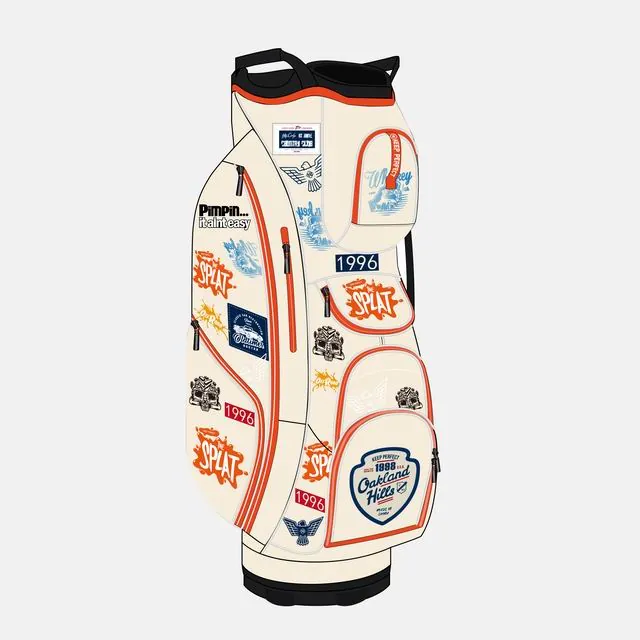
Organizing golf bag accessories comes down to one simple rule — the more often you reach for an item, the easier it must be to get to — and applying it with a fixed home for every accessory cuts the average time you spend grabbing balls, tees, gloves and a rangefinder down to a few seconds, while keeping small items from sinking and rattling in deep pockets. Whether you ride a cart or walk, the system is the same: group accessories by frequency of use, protect valuables in a lined pocket, use internal organisers to prevent clutter, and reset the load on a light weekly schedule. This guide turns that principle into a practical, step-by-step routine you can apply to any cart, stand or Sunday bag.
Why Accessories Disappear in a Golf Bag
Ask any golfer where their spare tees or a favourite ball marker disappeared to, and the answer is almost always the same: somewhere in the bag. Accessories vanish in a golf bag for a structural reason — most bags have a few large compartments that swallow small items, letting balls, markers, coins and tee packets settle to the bottom where they are hard to see and harder to retrieve.
This is not a failure of the golfer; it is a failure of organization. The remedy is to give every small item a defined pocket or an internal pouch so nothing is left to drift. Once each accessory has a home, you stop losing time and items to the chaos of a bag's depths, and you stop re-buying replacements for things you own but cannot find.
The effort is small and the payoff is real: a bag where everything is reachable keeps your round flowing, protects your gear from damage and clutter, and makes you a cheaper golfer because you stop losing and replacing things.
The Frequency Principle for Accessories
The single most useful organising rule is the frequency principle: sort every accessory by how often you touch it during a round, and place it accordingly. High-frequency items — balls, tees, a rangefinder, a glove, a drink — belong in fast, easy-access pockets near the top. Medium-frequency items like extra gloves, a divot tool and snacks sit one layer deeper. Low-frequency items — rain gear, spare apparel, extra socks, batteries — live in the deep, hard-to-reach storage.
Applying this rule turns a bag into a logical map instead of a chaotic jumble. You stop rummaging, you stop forgetting where things are, and you reach the right compartment on the first try — which is faster and less stressful over eighteen holes. The frequency principle is the backbone of every professional's bag setup.
Once you have sorted your accessories by frequency, keep the placement fixed. It is not enough to organize once and then let things drift; the habit is what makes the system work. Return every item to its designated pocket after each round, and the map stays accurate all season.
Essential Accessory Kit for a Round
Before you organize, settle on what you actually carry. The practical essentials are: at least two sleeves of balls, a pack of tees, a glove (or two for humid rounds), a rangefinder or GPS, a ball marker and divot tool, a towel, and a full water bottle. Add a moisture-proof pocket for your phone, wallet and keys, and a light rain layer during unpredictable weather.
Everything else is discretionary and should earn its place. Extra gadgets, backup clubs' accessories, and "just in case" items add weight and clutter without adding value. The leaner the kit, the easier it is to keep organized and the lighter the bag feels by the back nine. Edit ruthlessly at the start of the season and you will build a routine that stays tidy all year.
For walkers, every ounce counts, so the accessory list should be shorter than for riders. Carry the minimum needed for a good round — balls, tees, glove, rangefinder, ball marker, towel, water — and leave heavy spares at home. If you find yourself carrying more, consider whether a different bag type better matches your habits.
Pocket Zones: Where Each Accessory Lives
With your kit settled, assign every item a specific pocket and stick to it. A good zone map on a typical multi-pocket cart or stand bag looks like this: the smallest, quickest pocket holds balls and tees; a mid pocket on your dominant-hand side holds gloves and the rangefinder; a lined, moisture-proof pocket protects valuables; the largest pocket stores rain gear and extra apparel; and an insulated cooler pocket keeps a drink and snacks cold.
Keep high-frequency items in pockets that open toward your dominant hand so they are reachable mid-round without shifting your stance. When you are on a cart, emphasise front-facing pockets; when carrying, keep heavy items low for balance. The map should feel like muscle memory by your second round — you reach without looking.
Consistency is what makes the map work. If you always put tees in the same small pocket, you will always find them there, even on your most rushed mornings. The discipline of returning items to their homes is the difference between a system and a suggestion. For more on pocket mapping, our guide on golf bag organization pro tips covers the same ground in detail.
| Accessory | Pocket Assignment | Access Frequency | Storage Tip |
|---|---|---|---|
| Balls & tees | Smallest, front-facing pocket | Every hole | Use a pouch so bottoms stay tidy |
| Range finder / GPS | Mid pocket, dominant hand | Frequent | Protect in a padded sleeve |
| Gloves | Mid pocket near rangefinder | Frequent | Store dry, spare rolled |
| Valuables | Lined, moisture-proof pocket | Low | Phone, wallet, keys only |
| Ball marker & divot tool | Small clip or tee pocket | Frequent | Keep together, always same spot |
| Rain gear & layers | Largest apparel pocket | Weather only | Deep, hard-to-reach; roll tightly |
Using Organisers and Pockets to Stop Clutter
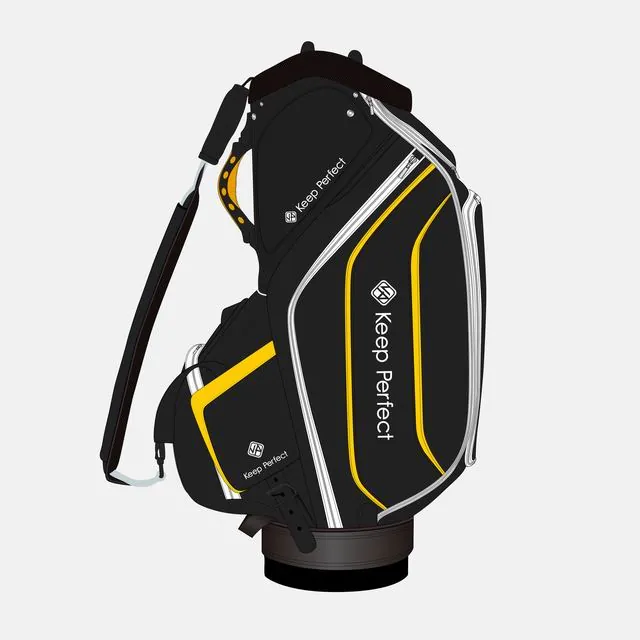
Small internal organisers are one of the highest-value accessories for bag tidiness. A bag organiser or compartment liner turns one large pocket into several, stopping loose balls, tees, coins and markers from merging into a jumble on the pocket floor. Putter tubes keep your most-used club secure, and small mesh or zip pouches give tiny items a defined home.
Choose organisers that match your bag's dimensions so they sit flat rather than bunching up and adding bulk. Clip-on accessories, such as a towel ring or a rangefinder mount, keep frequently used gear within reach without taking up pocket space. The goal is structure without clutter: every item contained, visible and reachable.
Do not over-organize, though. Too many pouches and compartments add clutter of their own and make the bag heavier. Aim for the minimum number of organisers that keeps your kit neat — usually a small pouch for tees and markers, a sleeve for the rangefinder, and a secure valuables pocket are enough for most golfers.
Efficiency Hacks to Speed Up Your Round
Beyond storage, a few efficiency hacks keep your round moving. First, arrange clubs by type in their divider slots so you grab the right club on the first reach. Second, position your rangefinder or GPS in a pocket that opens toward your dominant hand for mid-round access. Third, keep a towel clipped to the outside ring so it is dry and within reach instead of buried in a pocket.
Attach a rangefinder to the bag's mounting point rather than inside a pocket, so it is always there and never lost. Similarly, keep tees in a small tube or dispenser that holds a week's worth, so restocking is rare and quick. These tiny habits eliminate the most common mid-round searches and keep your focus on the shot, not on your gear.
Efficiency is about removing friction, not adding rules. Each hack you adopt is one less moment spent hunting in your bag, and those moments add up to real improvements in pace of play and peace of mind over a full season.
Efficiency also compounds through the round. When your first few holes run smoothly because nothing was lost or hard to reach, you build rhythm and confidence that carry into the back nine. Golfers often underestimate how much mental energy a messy bag quietly drains — every search is a small distraction from the shot ahead. A truly efficient bag removes those distractions before they happen, letting you stay present from the first tee to the last green.
This compounding effect is also why consistency beats cleverness. The golfer who always places the towel on the same ring and the tees in the same holder reaches faster every round, not just on the days they remember to reorganize. Establish the few positions that work and repeat them without variation, and the bag becomes a fixed reference point you navigate by instinct, freeing your attention for the game rather than the gear.
Cart Bag vs. Stand Bag Accessory Layouts
How you bring the bag to the course should change how you place accessories. On a cart, the bag sits tilted toward you and you reach from a standing or seated position beside it, so prioritise front-facing, easy-reach pockets for high-frequency items and leave deeper storage for rarely used gear. Riders can afford heavier accessories because they do not carry the weight.
Walkers must be disciplined about weight and balance. Keep heavy accessories — a full water bottle, spare balls — low and centred in the bag body, attach loose items securely, and keep the kit lean so the bag rides comfortably on your back. The same pocket zones apply, but the heavy items move down for balance.
If you mix riding and walking weeks, keep the pocket map identical between setups and change only where heavy items sit. That consistency means you never relearn your bag — you just relocate the weight, not the system.
Building a Repeatable Accessory System
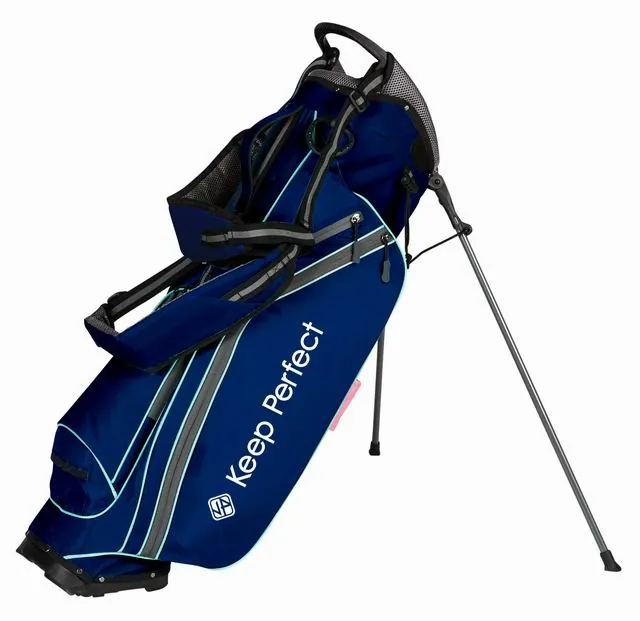
The difference between a tidy bag and a chaotic one is not talent — it is a repeatable system. The most reliable way to build one is to write your pocket map down once and then follow it without deviation for your next few rounds. Once placement becomes automatic, you stop thinking about it entirely and simply reach for the right pocket out of habit.
Start by mapping no more than four or five zones: balls and tees, gloves and rangefinder, valuables, rain and apparel, and a drink pocket. Keep this map simple, because an overcomplicated layout is one you will abandon. As you play, notice which pockets actually get used and adjust the map to match reality — the system should serve your habits, not the other way around.
Finally, make the system easy to maintain by stocking a small spares kit. Keep backup balls, an extra glove and a pack of tees in the car or a locker, so refreshing the bag between rounds takes seconds. A system you can maintain without effort is one you will actually keep, which is what makes it last all season and beyond.
How Much Organization Is Too Much?
A common trap is over-organizing to the point where the bag becomes a burden. Adding too many pouches, organisers and compartments adds weight, adds clutter and makes every item just slightly harder to reach. The goal of organization is to simplify your round, not to complicate it, so keep the system as light as your kit.
A practical benchmark: if you can reach every accessory you use in a round in under ten seconds without shifting your stance, your organization is good enough. If an organiser or gadget has not earned its place in your last five rounds, remove it. The best system is the simplest one that keeps everything findable, dry and protected.
This is also why the frequency principle works so well as a starting point — it naturally keeps high-use items close and pushes rarely used gear out of the way, so you never over-organize the things that do not need it. Balance structure with simplicity, and your bag will feel effortless rather than engineered.
Between-Round Storage for Accessories
Organization does not stop at the 18th green. Between rounds, protect your accessories and your bag. Remove food, moisture-prone items and anything you will not use for a while, so nothing attracts pests, moulds or stains in storage. Store the bag dry, fully supported on a stand or lying flat, rather than hanging it from a handle that distorts the frame over time.
Keep the play-ready essentials stocked — balls, tees, a glove and a clean towel — so you are not re-packing the entire bag before every round. A small spares kit in the car holds backup balls, gloves and accessories, keeping the main bag lean and your garage tidy. This habit prevents the panic re-packing that leads to forgotten gear.
Seasonally, do a deeper clean and inspection: empty and wipe all pockets, check zippers and seams, and refresh stocked consumables. Our golf bag maintenance guide walks through a full care routine that pairs with your accessory system.
Buying Accessories That Fit Your Bag
Not all accessories fit every bag, and the wrong ones can fight your system. When buying, check compatibility with your bag's mounting points, pocket layout and hardware before you commit. A rangefinder mount needs a secure clip point; a cooler sleeve needs a pocket deep enough to hold it; a towel ring needs a fixed loop or hook.
For retailers and brands sourcing accessory bundles or private-label ranges, specify the integration points up front so the accessories match the bag's exact layout rather than being generic add-ons. A coordinated bag-and-accessory package is a stronger sell because it solves the customer's organization problem outright. Our golf accessories range shows how the pieces integrate, and wholesale buyers can explore wholesale options that bundle hardware and organisers.
When accessories work with the bag rather than against it, the organization system holds together. Compatibility is not a luxury; it is what makes the difference between an efficient bag and a bag of loose parts.
Common Accessory Organization Mistakes
Most accessory organization failures trace to a few recurring habits. Overloading is the most common: packing the bag with spare everything, which adds weight and merges small items into clutter. Storing gear in one big pocket with no dividers lets everything sink and tangle. And leaving accessories loose in a car or locker scatters gear so you re-pack from scratch every round.
The fix is the same frequency-based system throughout: give everything a home, edit the load after each round, and keep spares in a dedicated external kit rather than inside the bag. Avoid the temptation to "just jam it in" — a tidy bag once broken becomes a messy bag fast.
Also avoid relying on accessory gadgets you never use. Every clip, pouch and mount adds to your kit; if it does not earn its place in your round, remove it. A lean, disciplined system beats a bag stuffed with clever but unused gear.
One more reminder that pays off all season: organize for the round you actually play, not the round you imagine. If your home course is dry nine months a year, you do not need rain gear in an easy-reach pocket week-round — store it deep and bring it up only in wet months. If you play match play more than stroke play, keep the ball marker and a couple of spare balls closer because you will reach for them under pressure. Tailoring your layout to reality is what transforms a generic system into a genuinely efficient one, and it is the detail that separates golfers who enjoy a tidy bag from those who simply tolerate one.
Conclusion
Organizing golf bag accessories is a system of small, repeatable habits: sort each accessory by how often you use it, give it a fixed home, protect valuables and use organisers to stop clutter, keep the kit lean and balanced, and reset on a light weekly schedule. Between rounds, store the bag dry and supported with play-ready essentials stocked so you never re-pack under pressure.
Match your accessory layout to whether you ride or walk, buy accessories that fit your bag's hardware, and edit your load ruthlessly. Nail these steps and your bag becomes a quiet partner — everything reachable, nothing lost, and your round kept fast from the first tee to the last green. For bag and accessory guidance together, our products and bag types guide are great next stops, and our custom services can build your ideal layout from the start.
Sources
Frequently Asked Questions
- What is the best way to organize golf bag accessories?
- Group by frequency of use: balls, tees and a rangefinder in easy-access pockets; deep storage for rain gear and spare apparel; and internal organisers so small items do not sink or rattle.
- Which golf bag accessories are essential for a round?
- Balls and tees, a glove or two, a rangefinder or GPS, a ball marker and divot tool, a towel and a full water bottle, plus a moisture-proof pocket for phone and wallet.
- How do I keep a golf bag from getting cluttered?
- Give every accessory a fixed place, edit the load after each round, and do a light weekly reset: empty pockets, discard broken tees and old receipts, and re-stock balls.
- Should accessories be stored in the bag or removed after play?
- Remove food and moisture-prone items and store the bag dry and supported between rounds, while keeping play-ready essentials stocked so you do not re-pack each time.
- How do I organize accessories on a cart bag?
- Put high-frequency items in front-facing, easy-reach pockets and rarely-used apparel in deeper pockets, since you reach from beside the cart rather than carrying the load.
- Do bag organisers actually help?
- Yes. Small internal pouches and compartment liners stop balls, tees, coins and markers from sinking and rattling, turning one large pocket into several tidy zones.