Golf Bag Durability & Lifespan Analysis
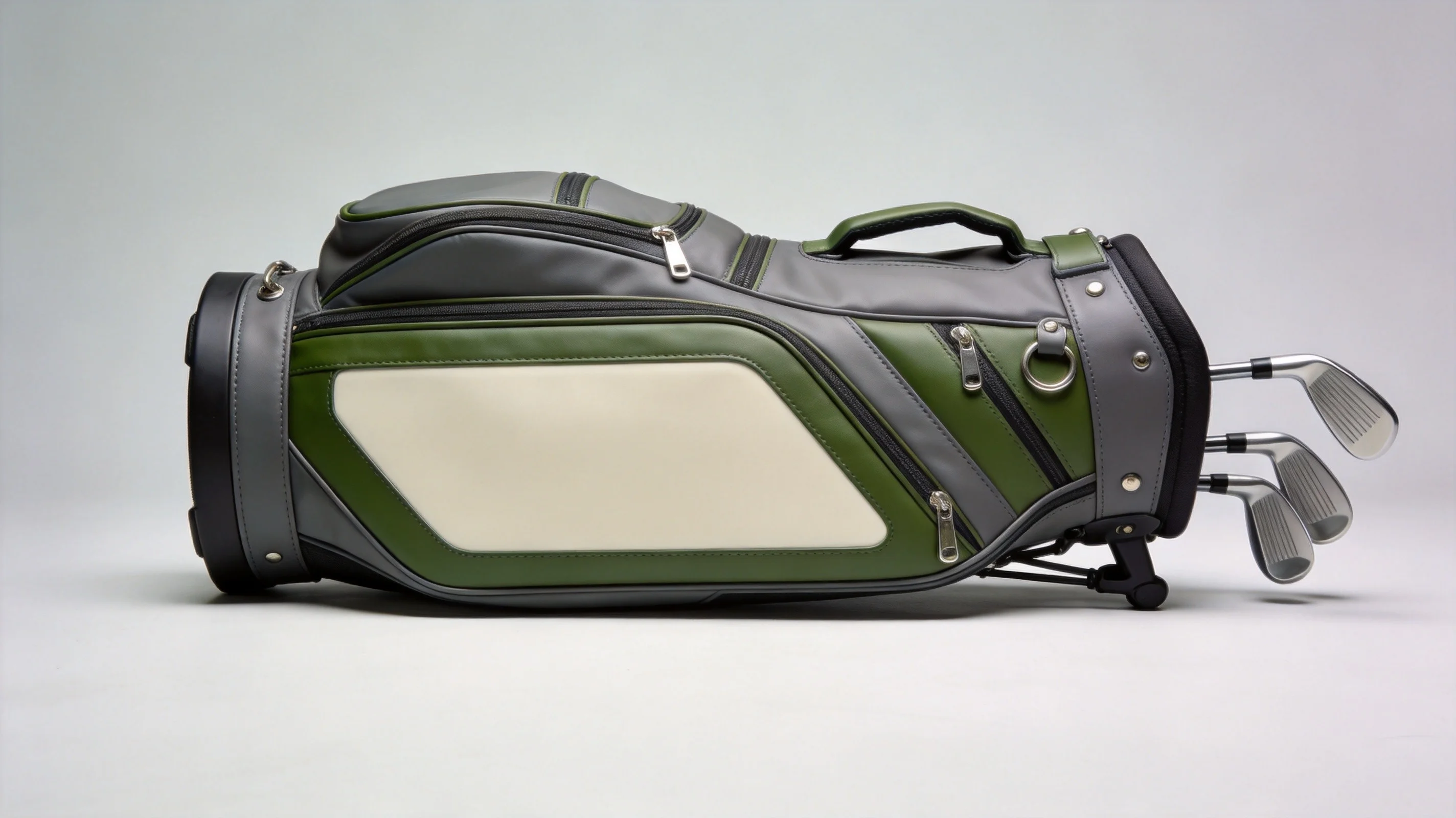
With regular use and reasonable care, a well-made golf bag lasts 3 to 5 years, and many premium bags reach 5 to 10 years — with zippers, seams and the base as the first components to fail. Durability is engineered through high-denier materials such as ballistic nylon, reinforced double-stitched seams, quality zipper hardware and a rigid base, then preserved by correct storage and a consistent cleaning routine. This analysis breaks down what actually determines a bag's lifespan, drawing on production experience at a Quanzhou factory that has built golf bags for 200+ brands across 100+ countries.
Realistic Lifespan by Bag Type
Different bag types wear at different rates because of how they are used. A travel bag sees brutal handling in baggage systems and airports, so its lifespan depends heavily on shell strength and padding. A stand bag endures daily drops of its base onto concrete and constant strap and leg movement on course. A cart bag lives most of its life on a trolley, so it wears less but still faces UV and weather. A staff bag, carried or caddied through many events, is stressed at its seams and handles.
| Bag Type | Typical Lifespan | First Failure Points |
|---|---|---|
| Travel bag | 3-6 years + | Shell, zipper, wheel base |
| Stand bag | 3-5 years | Base, stand legs, strap, zippers |
| Cart bag | 4-7 years | UV on fabric, zippers, seams |
| Staff / tour bag | 4-8 years | Seams, handles, divider wear |
| Sunday / lightweight | 2-4 years | Light fabric, straps |
These ranges assume regular play and reasonable care. A bag used once a month and stored indoors will comfortably exceed these figures; a daily walker in wet conditions will test the lower end. The lifespan you get is a joint outcome of build quality and treatment.
Materials: The Foundation of Durability
Material choice is the single most decisive factor in a bag's durability. Ballistic nylon and high-denier polyester are the industry workhorses for durability, offering high resistance to abrasion and tearing. Water-repellent or TPU/PU laminated versions add weather resistance. Canvas and leather provide premium aesthetics but demand more care and are less abrasion-resistant than technical nylon.
UV resistance matters too: prolonged direct sunlight degrades the exterior fabric and fades colour, weakening it over time. Quality material and a UV-resistant finish slow this process considerably. For a systematic comparison of shell options and their durability trade-offs, our materials comparison guide is the reference.
Seams and Stitching: Where Bags First Fail
Zippers and seams are almost always the first components to fail on a golf bag, not the main fabric. Seam strength is where load is concentrated — at strap attachments, pocket openings and the base. Reinforced, double-stitched seams with high-quality thread hold far longer than single rows, especially at high-stress points such as the carry handle and strap ancorages.
Stitch density and thread quality are the measurable proxies for seam durability. A conscientious factory specifies heavier thread and reinforced bar-tacking at stress points during design, which is why two bags of the same material can differ dramatically in lifespan. Our guide to what makes a long-lasting stand bag goes into the specific checks on seams and construction.
Zippers, Hardware and Bases
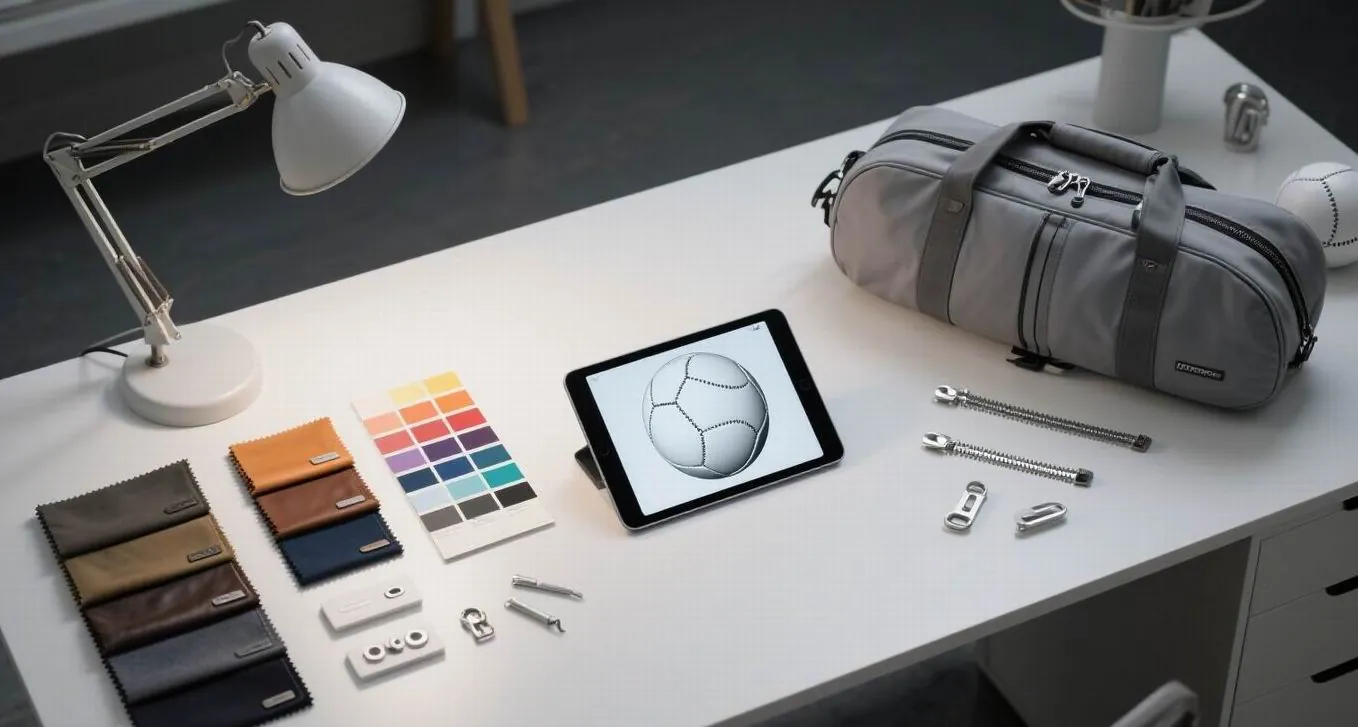
The base takes repeated impacts as a bag is dropped onto hard surfaces, so a rigid, reinforced base with a protective bottom layer resists cracking and prevents the bag from collapsing. Zipper slider quality and teeth durability dictate how smoothly a pocket opens for years; a cheap zipper is a common premature failure. Hardware such as buckles and stand legs must also survive high-cycle use.
For the stand mechanism specifically, legs and the pivot system face thousands of openings and closings. When choosing or specifying a bag, ask how the stand legs and base are reinforced — it is the difference between a bag that collapses at year two and one that stands tall for a decade. Our durability standards for tournament-grade bags covers the higher bar expected at professional level.
How Usage and Environment Wear a Bag
Real durability is usage-dependent. Constant loading and unloading, repeated drops from cart heights, dragging a bag by the handle, UV exposure, moisture and temperature swings all accelerate wear. A bag on a push cart or electric trolley suffers less physical beating than one carried and dropped on the course. Conversely, a travel bag thrown into cargo holds tests the most extreme conditions a bag can face.
Matching the bag to its environment is part of durability management: use a padded travel cover for air travel, keep a carry bag off hot concrete when not in use, and protect a cart bag from prolonged direct sun. Understanding these stressors turns an ordinary bag into a long-lived one. Our airline travel protection guide explains how to shield your bag on journeys.
Maintenance: The Cheapest Lifespan Insurance
Correct care is the most cost-effective way to extend a bag's life. Clean dirt and grass off the exterior regularly, and empty and air the bag after wet rounds so it dries fully. Store it clean, dry and out of direct sunlight, ideally unloaded or lightly padded. A damp bag invites mould and hardware rust; a clean bag simply lasts years longer.
Seasonal storage deserves special attention — clean the bag, wipe down hardware, dry it completely and store it in a temperate place. For the full care routine, our maintenance and care guide and seasonal storage guide cover both everyday and long-storage regimes in depth.
Engineering Durability: Testing and Standards
Factories quantify durability through testing: seam-strength tests, zipper-cycle tests, fabric abrasion resistance and base-drop tests. A serious golf-bag factory runs these checks to a documented standard during both material approval and production QC, so durability is not a marketing claim but a measured property. When you buy or specify in volume, ask for the test methods and pass criteria used.
Transparent durability standards are a strong signal of a reliable supplier. For the concrete testing criteria that separate a durable bag from an ordinary one, our quality control testing standards and lifespan extension guide are the practical companions.
Need a Bag Built to Last?
From reinforced seams to tested zippers and rigid bases, we specify durability into the design from day one. Tell us your usage and we build the bag to the standard it needs.
Discuss a Durable Spec →When to Replace Your Golf Bag
Some wear is cosmetic, but certain failures compromise function and demand replacement. Replace when a zipper no longer runs and cannot be repaired, when load-bearing seams open at the straps or base, when the base loses rigidity or cracks, when stand legs fail, or when the fabric has torn or degraded enough that clubs are no longer protected, especially on a travel bag. A leaking waterproof bag or a cracked base endangers your clubs, and it is then cheaper to replace than to risk damage.
Repair can extend life if caught early — a zipper slider can often be swapped, and minor seams restitched. The threshold is when structural integrity or club protection fails, at which point replacement is the responsible choice.
How Bags Fail: The Wear Patterns That End Them
A golf bag rarely dies suddenly; it fails at predictable wear points, and knowing those points tells you what to inspect and what to prioritise in a purchase. The base of the bag is the hardest-working surface, repeatedly contacting the ground and cart rails, so it wears, scuffs and sometimes splits first. The zippers are the most failure-prone component, especially on the range ball and accessories pockets that get opened the most; a seized or split zipper effectively ends a pocket even if the rest of the bag is fine. The carry straps and anchoring on stand bags take constant load and are a classic point of failure for hard-used bags.
Around those, fabric abrasion at seam edges, delamination of coated shells, rust on hardware in wet climates, and UV fading that weakens the shell all contribute. Recognising these patterns matters twice: when you are deciding whether a worn bag can be repaired, and when you are evaluating which build features buy you the most durability from day one. For the inspection checklist that catches these faults before they end a bag, our long-lasting stand bag guide is the hands-on reference.
Realistic Lifespans by Construction and Use
How long a golf bag should last depends on construction quality, materials and how hard it is used, so a single number is misleading. A well-made premium bag carried daily by a regular golfer might deliver five to eight years of solid service, and a hard-wearing technical bag in a harsher environment can last longer, especially with decent storage. A budget bag, by contrast, may show meaningful wear after two to three seasons, partly because cheaper zippers, adhesives and seam construction are the first things to give. The pattern is consistent: the purchase price difference usually correlates with lifespan because it buys better components, not just a bigger logo.
Use intensity is the multiplier on that base. A bag that rides a cart in a mild climate, stored dry indoors, gets a much longer life than the same bag dragged on foot across wet, abrasive courses and left in a hot car boot. The roughest treatment accelerates every failure mode equally. Our cart bag lifespan guide and cart bag durability review translate this into usable estimates.
Materials That Extend or Cut a Bag's Lifespan
Material choice is the single biggest lever on longevity. High-denier nylon and ballistic fabrics resist abrasion and hold their structure; their laminated waterproof versions protect contents but the laminate itself can eventually delaminate if flexed hard at edges. Ripstop weaves resist tearing. Full-grain leather, used on premium bags, is extremely durable and ages into a patina, but it needs conditioning and protection from sun and rain. At the other end, thin generic polyester and PU-coated shells on budget bags fade, weaken and can split at stress points sooner, and cheap zippers and plastic hardware are the durability bottleneck on any bag regardless of the shell fabric.
The practical conclusion is to buy durability where it is hidden — zippers, hardware, seam reinforcement and base construction — rather than only judging by the cosmetic outer fabric. A bag with a premium shell and weak zippers fails as fast as its weakest component. For a material-by-material comparison, our materials comparison and luxury materials guide map the options against durability.
The Factory's Role in Lifespan
Lifespan is as much about how the bag is built as what it is built from. Bar-tacked and box-stitched seams at load points, reinforced bases, well-specified zippers and hardware, and careful assembly with tension-controlled stitching all translate directly into years of extra service. This is the value of a factory with documented quality control and verified build standards — it ensures those reinforcements are actually applied, not just drawn in a spec sheet. The QUANZHOU JUNYUAN BAGS affiliated facility, for example, runs 7 production lines with 126 sewing machines and holds an SGS audit passed in March 2026, and it documents its quality checks so a buyer can verify that durability-critical construction is consistent across a whole order, not just on a hand-built sample.
When you choose a supplier, ask specifically how the durability-critical points are tested — zipper cycle testing, seam pull strength, base drop and abrasion checks — and whether you can inspect the actual batch. Certification shapes the floor, but it is the applied QC that decides whether the bags you sell match the ones you sampled. Our QC testing standards and factory certifications guide give you the exact checks to request.
Extending Lifespan: Care, Storage and Repair
No bag lasts on neglect. A small care routine adds years: clean the shell and zips of abrasive grit, wipe metal hardware after wet or salty rounds, and store the bag clean, dry and out of direct sunlight where heat and UV do the most cumulative damage. Ventilated, temperature-stable storage keeps adhesives and zippers intact. When something does wear — a zipper, a strap, a seam — repair or replace the component promptly, since a small failure left unchecked spreads to the surrounding fabric and structure.
Combined with choosing the right build at purchase, this discipline moves a bag from a three-season accessory to a long-serving piece of equipment. For the full routine that keeps every component in working order, our maintenance and care guide and storage guide round out the care side of longevity.
A question buyers often ask is whether repairing a bag extends its life meaningfully or merely postpones the inevitable, and the honest answer is that it depends on where the failure is. A split zipper or a worn strap is easily and cheaply replaced, and because it protects the surrounding fabric, prompt repair genuinely adds years. A delaminated shell or a base that has cracked through its structure, by contrast, signals that the underlying materials have reached the end of their service, and repair there is usually not worth it. Learning to tell the difference — failing hardware versus failing structure — lets you spend repair money where it buys real life.
That same judgement applies at purchase. A bag whose durable components are concentrated in the right places — strong zippers, reinforced base and seams, quality hardware — is worth more than one with a premium-looking outer shell and weak fittings, because the bag fails as fast as its weakest part. Inspecting those parts in the shop, and confirming a factory's QC covers them, buys the durability you will actually experience. For the specific inspection and test steps, our durability and QC guides give you the checklist that turns a good-looking bag into a provably long-lasting one.
It is also useful, when planning a purchase or a production run, to think about durability in terms of the guarantee you are prepared to stand behind. A bag backed by a reasonable warranty and a clear after-sales process is one the manufacturer has committed to building durably, because the warranty is only cost-effective if failures are rare. Ask what the factory covers and for how long, and treat a confident, specific warranty as one more signal of durable construction. Pair that with your own pre-shipment inspection and you have a layered assurance that the bags you sell will perform as the specification promises.
Finally, keep longevity in perspective: a bag that serves five to eight years of demanding use, or longer with care, has delivered genuine value regardless of its headline lifespan claims. The practical measure of a durable bag is not a marketing number but years of reliable performance across the wear patterns this guide has walked through. Buy for the hidden components that fail last, repair the parts that wear first, store the shell well, and a golf bag will repay its cost many times over — the whole point of thinking about lifespan seriously in the first place.
Measurement helps too: a factory that tests zippers through repeated open-close cycles, checks seam pull strength at load points, drop-tests the base and runs abrasion checks on the shell is engineering durability rather than hoping for it. When you evaluate a supplier, ask which durability tests they run, with what targets and frequency, and whether you can see results for your product line. Numbers beat guesses, and a factory that publishes and stands behind durability targets gives you a basis to compare bags and to hold quality accountable across orders. The quiet work of destructive and cycle testing is the difference between a bag that looks durable and one that provably is.
For a buyer, the practical takeaway is that durability is engineered, testable and manageable, not mysterious. Buy for the hidden, load-bearing components; verify them through tests and inspection; follow the care and repair routine that protects them; and source from a factory with documented quality control. Do that consistently and you replace luck with process — the dependable way to keep a golf bag in service far past the point where a bag bought on looks alone has already been retired. Durability repays the discipline, and that is the entire argument this guide makes.
Sources
Frequently Asked Questions
- How long does a golf bag typically last?
- With regular use and reasonable care, a well-made golf bag typically lasts 3 to 5 years, and many premium bags last 5 to 10 years. Lifespan depends heavily on materials, construction quality, how often it is used and whether it is stored properly.
- What are the first parts of a golf bag to wear out?
- Zippers, seams and the base are usually the first failure points. Zipper sliders and teeth wear fastest under daily use; seams fail at stress points like straps and pockets; the base can fatigue from repeated drops. UV exposure also fades and weakens exterior fabric over time.
- Which golf bag material is the most durable?
- Ballistic nylon and high-denier polyester are extremely durable and resistant to abrasion and tearing. For water resistance, TPU or PU laminated versions add protection. Canvas and leather offer a premium look but need more care and are less abrasion-resistant than technical nylon.
- Does storing a golf bag correctly extend its life?
- Yes, significantly. Store the bag dry, clean and away from direct sunlight and extreme temperatures. A bag left damp can develop mould and rust on hardware; prolonged UV degrades fabric. Proper storage is the cheapest way to extend lifespan.
- How can I tell if my golf bag needs replacing?
- Replace a bag when a zipper no longer runs smoothly and cannot be repaired, when seams open at load-bearing straps or the base loses rigidity, when the frame or stand legs fail, or when the fabric has degraded enough to compromise club protection. Minor cosmetic wear is normal.