Golf Staff Bag Compartments for Valuables and Accessories
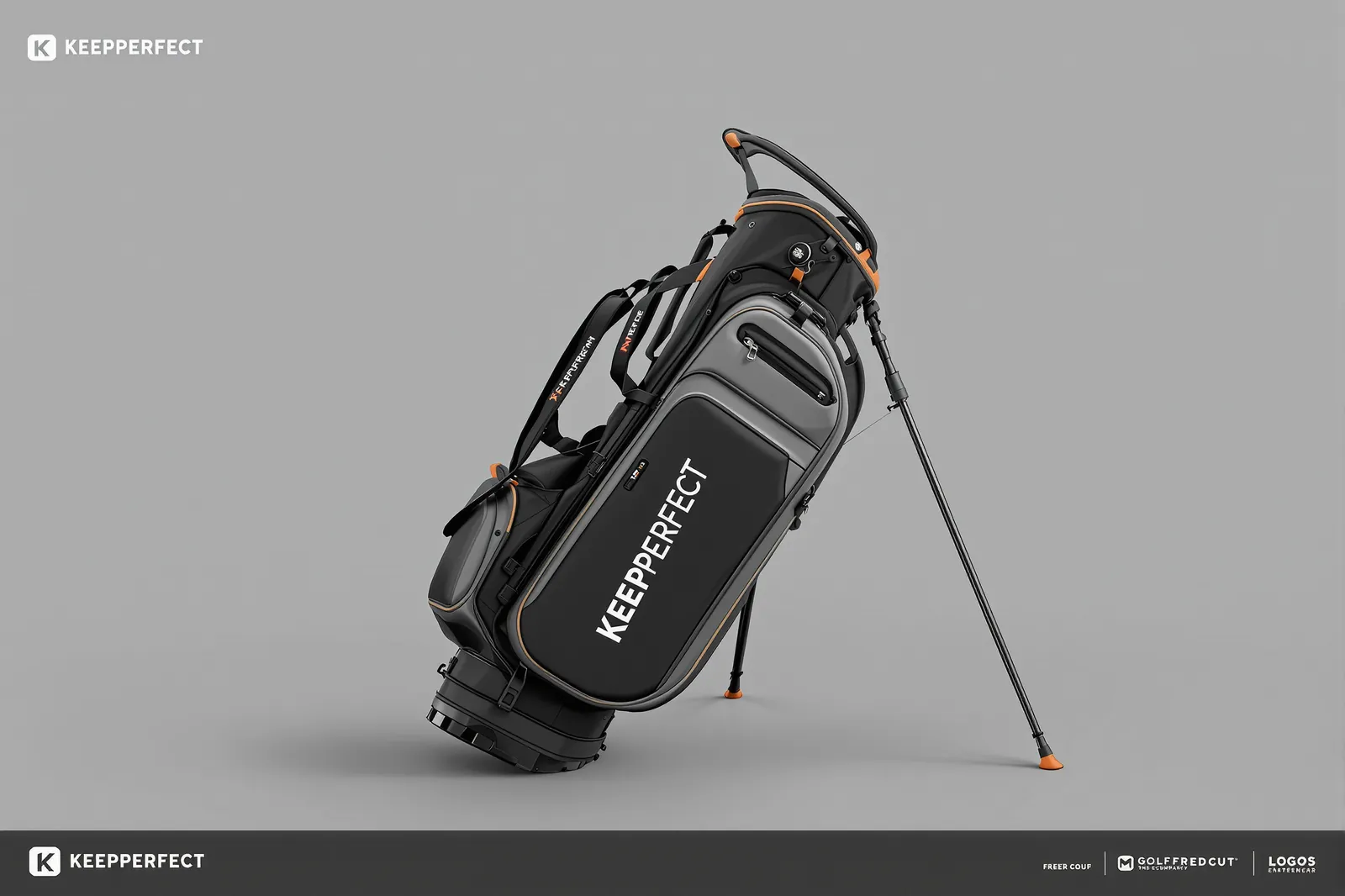
A professional golf staff bag organises 12-15 compartments into a deliberate layout — a smooth-lined valuables pocket high on the front hip, a padded rangefinder pocket, a full-length apparel pocket, an insulated cooler pocket, and a ball-and-tee crate pocket — so the caddie can reach every item from the cart without rotating the bag. Compartment design is not about pocket count; it is about placement, lining and access, and it is the difference between a bag that feels simple on tour and one that is a chore. This guide, written from the production floor of QUANZHOU JUNYUAN BAGS (founded 2014, 200+ brands, 100+ countries), details how pro staff bags are compartmentalised.
Why Compartment Layout Matters More Than Count
A staff bag's real advantage over other bags is how much it can hold and keep organised, so compartment design is where the product is won or lost. Two bags can carry the same number of pockets while one feels vastly better: the better one places things where the player or caddie reaches from the cart, lines pockets to protect contents, and sizes each pocket to its job instead of stitching a ring of generic space.
For a tour player the cost of a bad layout is visible: you rotate the whole heavy bag to find a ball, rummage for a rangefinder mid-swing, or lose a phone loose in a pocket. A professional staff bag is engineered around the motion of reaching across a cart, and that is the design lens for every compartment below. The principles are also covered in our bag organization guide and the staff vs cart bag guide.
The Valuables Pocket: Linings That Protect
The most important pocket on a premium staff bag is the valuables pocket, and its defining feature is the lining. A phone, wallet and keys sit against it all day, so a smooth, non-abrasive lining protects screens and surfaces, and a secure closure keeps contents from spilling when the bag is laid down or tipped on a cart. Some builds add a smaller interior zip or key clip so small items do not vanish to the bottom.
Placement is high on a front or side panel, where it is reachable from the cart seat and stays relatively dry. A valuables pocket buried low or under a strap defeats the purpose. This pocket is a signature of a tour-ready build and one of the clearest signs a bag was designed by people who actually travel with gear. The compartments guide tells players what to look for.
The valuables pocket's placement is as much about habit as protection. A pocket adults habitually use is safer than one that is technically secure but inconvenient, so we advise putting valuables where the player actually stows them — often a thigh-reach, zipped pocket — and making the compromise of convenience and security a deliberate design. A pocket designed around a habit actually gets used, which is how valuables stay safe in practice.
The Rangefinder Pocket: Padded and Hip-Height
Rangefinders and binoculars are fragile, expensive and used constantly, so a dedicated pocket is padded and positioned at hip height on the side the player faces from the cart. The soft sides protect the optics, while the placement makes retrieval fast without dismounting. A rangefinder pocket that requires unshouldering the bag or dismounting will simply be ignored and the device carried loose.
Tour builds sometimes pair it with a small pocket for the rangefinder case or a spare battery. Padding thickness and a secure closure are the two specs that matter; the goal is that the device is grab-quick and safe. When we lay out a professional staff bag we start from this pocket and the valuables pocket, because those are the two the player protects and reaches for most.
There is a real ergonomic argument for planning compartments around a standing, bent-over professional reaching into the bag on a cart or the first tee. Pockets placed within a comfortable reach reduce neck and back strain over a long season, and the habit of being able to find each item without rummaging keeps a player calm and quick between shots.
Balls and Tees: The Reach-From-the-Cart Crate
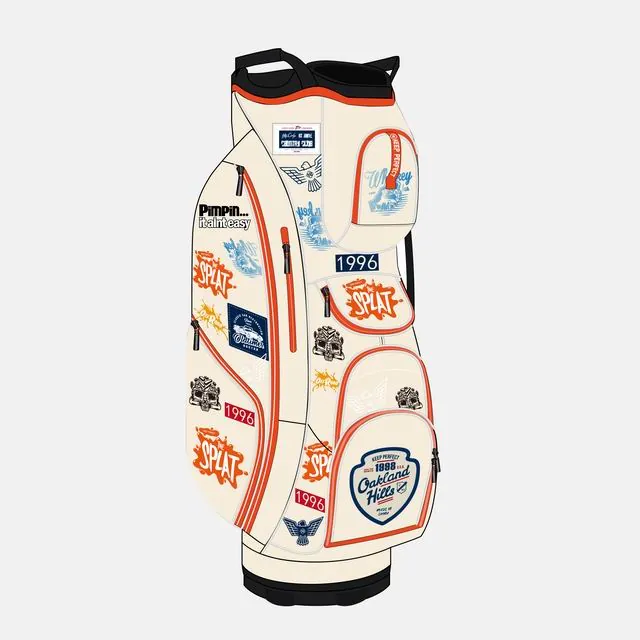
Balls and tees are used on every hole, so the pocket is placed mid-front within arms' reach of the cart seat, sized to hold several sleeves and boxes of tees, and engineered with a mouth a gloved hand can grab one ball from without fumbling. Some builds use a divided crate pocket or a mesh gusset so balls do not tumble out when the flap is open.
This is the pocket a player or caddie opens dozens of times a round, so its hardware matters too: a smooth, one-handed zipper or a tear-drop opening beat a snap flap in the heat of play. Getting this one right contributes more to a bag feeling professional than five generic pockets. The same reach-logic applies to a towel ring and a glove holder placed nearby.
The Apparel and Layers Pocket
Tour weather changes mid-round, so a full-length apparel pocket down one side swallows a mid-layer, rain gear or a jacket without crushing it. It is sized to the folded length of a quarter-zip or rain suit, with a smooth lining so zippers on garments do not snag, and it keeps layers accessible without unloading the bag. Academies and coaches also use this pocket for a spare range layer or a teaching aid.
On staff bags this is often the largest pocket on the shell, and it competes with the sponsor panel for side real estate. Good design reconciles them by placing the apparel pocket on the non-branded side, keeping the sponsor face clean. The brand image guide and the accessories guide cover how storage and branding are balanced.
For players who carry apparel, the pocket's placement is also about balance. Because a full-length apparel pocket holds mass on one side of the bag, we distribute pockets so the bag does not list to port when fully loaded, which would make it lean on a cart and look messy. This is a subtle part of compartment design that shows up only when the bag is completely packed, and it is why a well-laid-out staff bag stays tidy-looking even when it is stuffed.
The Cooler Pocket: Insulated and Drain-Friendly
A cooler or insulated pocket is a standard pro feature for long rounds, holding drinks or ice and keeping them cool for the afternoon. Insulation quality and a drain-friendly, wipeable interior matter more than size, because a pocket that traps water or gets mouldy is worse than none. Some builds allow the insulated pocket to be removed for washing.
The cooler pocket is also a merchandising opportunity for academies and clubs, and it is a compartment we can tune easily in a custom build. For the full story on capacity, insulation and cooling performance, our cooler pocket guide explores the thermal specifications.
The product pocket also doubles as a raingear or secondary pocket in many layouts, and its depth and lining can be tuned to the player's gear. For players who travel with a rangefinder and a few accessories, a padded film-lined pocket protects electronics from the shell's abrasion and from the odd rain shower, which is a genuinely useful refinement of a custom layout.
Gloves, Towel, Umbrella and Crate Mounts
Accessories on a tour staff bag are a mix of pockets and mounted hardware. A glove holder or sleeve keeps the current glove dry and handy, a soft-loop and ring hold the towel at the right height for wiping grips, and an umbrella holder or herringbone strap secures an umbrella when rain hits. A crate or valuables tray area near the top lets the player or caddie stow loose items like a laser or phone mid-move.
These mounts are small but they define day-to-day use of a heavy bag, and they are easy to get wrong in styling. The accessory attachment systems guide details the mounting points, and the essential accessories guide lists what a working golfer actually carries.
Dividers and the Top: Where Non-Club Gear Lives
Leftover gear that has no pocket home goes into the top. The divider layout includes a putter well and some full-length slots, but on a staff bag the top also accommodates items the player does not want in a flexible pocket — an alignment aid, a rolled towel, or a rangefinder in a slam-zip top compartment usually sits in a well-designed top crate rather than loose. A deep top crate with a breach or zip keeps these items controlled.
So the top of a staff bag is both a club organiser and a cargo hold. Dividers must keep clubs separated even when non-club items press in, which is why full-length dividers and a reinforced top ring matter. The divider guide explains how the top layout is designed with this dual duty in mind.
A Reference Compartment Layout
The table maps a representative professional staff bag pocket layout, showing the pocket, its position and its job. Exact maps vary by build, but the logic is consistent.
There is also an argument for a dedicated electronics pocket in modern builds. With rangefinders, launch monitors and phones all common on a pros' set, a padded, corded or film-lined pocket that keeps devices dry and protected is increasingly requested. It fits the same reach logic as the rangefinder pocket and is easy to build into a custom layout, giving a modern professional bag a genuinely useful modern compartment.
A well-designed reach also keeps the bag tidy during play. When every pocket has a known job and items return to it, the bag does not accumulate the clutter that makes a professional look disorganised. For someone whose presentation matters, that tidy, deliberate look is a silent advantage that a disciplined compartment map makes easy.
Accessibility Test: Reaching Everything From the Cart
The true test of a compartment layout is a simple exercise: sit in a cart position and see which pockets you can reach without rotating the loaded bag. A well-designed tour staff bag passes a high percentage of that test — valuables, rangefinder and balls are all front- or hip-reachable, while apparel and cooler sit on the far side and are accessed by turning less often. This test is the standard we use when laying out a bag.
It is also why custom builds start from the player's cart preferences rather than a stock pocket map. A player who rides vs walks, or who carries a launch monitor vs only a rangefinder, wants a different map. When we build through custom solutions, we prototype the reach test on the real bag before production. The packing guide extends the same logic to packing efficiently.
A well-reasoned pocket map also saves weight, because every removed redundancy is fabric and zipper the player does not carry. Editing the layout to the pockets that earn their place keeps a professional bag from becoming a burden, and it is where a custom build beats a stock shell. The discipline of subtraction is a real design skill that shows up in the bag's filled weight and its balance over eighteen holes.
Sizing and Weight Trade-Offs
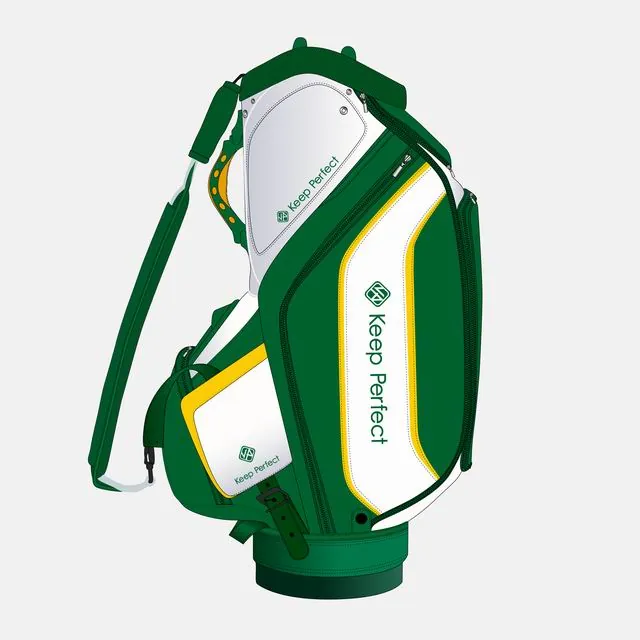
Every compartment adds weight and cost, so a professional layout is disciplined about what earns a place. A tour bag typically lands at 12-15 pockets: enough to cover valuables, rangefinder, balls and tees, apparel, cooler, gloves and a couple of versatile extras, without so many that the shell becomes heavy and the pockets shallow. Deeper, better-placed pockets beat a larger count of shallow ones.
For buyers the lesson is to specify the pocket map rather than accept a generic one. Weight-conscious academies and walking tournaments can trim to a lighter crossover layout. The size and weight guide covers how compartment load interacts with overall bag weight, and the bag types guide positions staff vs crossover builds.
When customising a layout, the discipline is to resist adding pockets nobody will open. Every extra pocket adds shell weight, stitching and a zipper that is one more thing to fail, so a professional map is edited down to the pockets that earn their place on a normal day. That discipline is what keeps a 14-16 pocket map useful rather than ornamental, and it is a real advantage of designing a bag to a brief rather than buying a stock shell covered in slots.
Customising the Compartment Map
A custom OEM staff bag is the cleanest way to get the right compartment map, because the pockets are laid out for your player, academy or tour program rather than taken from a stock pattern. You can move the valuables pocket, add a dedicated electronics pocket, swap a cooler for a utility pocket, or remove pockets the user never opens. Since the map is built into the pattern, the branding and pocket placement are reconciled together.
Building a compartment map to a custom spec is part of every OEM/ODM service and custom solutions project, and a 100-piece test order lets you validate the map on a real bag before a full run. The tour staff bag guide walks through the design brief.
For teams and academies the compartment map is shared across many users, so we bias it toward the universal pockets — balls and tees, valuables, apparel, a utility pocket — rather than the idiosyncratic ones. A fleet that reads the same and works for every coach is worth more than a clever layout that suits one person. The reach test still applies, but the target user is the whole staff, not a single personality.
There is a safety and etiquette side too. On a shared range or a busy course, a tidy, well-zipped compartment map reduces the chance of a stray glove or a dropped towel becoming a hazard, and it keeps the bag looking like it belongs. A professional who reaches confidently for a known pocket also plays without fumbling, which is a small but real part of match-day readiness.
Practical Answers on Compartments
Most pros do not need to reorganise a well-designed stock map; they need to understand the few pockets that carry small, fragile or frequently used items so they can protect them. Keep valuables in the lined pocket, optics in the padded pocket, and reserve the top crate for overflow. A bag with a sensible reach-map and a couple of deep pockets is genuinely easier to live with than a bag simply littered with slots.
The final principle of a professional compartment map is that less, done well, is more. A layout with a dozen genuinely useful, reachable, zipped compartments outperforms one with twenty slots nobody uses, because it is lighter, fewer zippers fail, and every opening earns its place. That restraint is the signature of a build tailored to a real brief rather than a stock shell.
Factory Verdict on Staff Bag Compartments
The best staff bag compartments are designed around reach and protection: a lined valuables pocket, a padded rangefinder pocket, an accessible ball-and-tee crate, a full-length apparel pocket and an insulated cooler, reconciled with the sponsor panel and the top divider organisation. Get the layout right and the bag carries a full tour set without ever feeling like a burden.
Since founding in 2014, QUANZHOU JUNYUAN BAGS has built professional staff bags with custom compartment maps for players, academies and brands. To design a staff bag layout for your team, reach us at contact, service@junyuanbags.com, or WhatsApp +86 17750020688.
Since 2014 QUANZHOU JUNYUAN BAGS has built staff and tour bags across 100+ countries for 200+ brands, running 7 production lines with 126 sewing machines and 137 staff in a main 4,950 m2 affiliated factory at a monthly capacity near 200,000 pieces; our founder has worked in the golf bag industry since 2004. Wholesale custom orders follow a standard MOQ of 200 per design and colourway (100-piece test orders), with sampling of 10-20 days and bulk of 45-60 days, and the facility passed independent SGS verification in March 2026. Reach us at service@junyuanbags.com or WhatsApp +86 17750020688 to source a staff bag programme.
| Compartment | Typical Position | Job / Content | Pro Standard |
|---|---|---|---|
| Valuables pocket | Front/side hip, high | Phone, wallet, keys | Smooth lining, secure closure |
| Rangefinder pocket | Side, hip-height | Rangefinder, optics | Padded, grab-quick |
| Ball & tee crate | Mid-front | Sleeves, tees | One-handed opening |
| Apparel pocket | Non-branded side | Layers, rain suit | Full-length, smooth lining |
| Cooler pocket | Side/back | Drinks, ice | Insulated, drain-friendly |
| Top crate / dividers | Top | Overflow gear + clubs | Full-length, putter well |
Representative professional staff bag layout; exact maps vary by build and are customisable.
Looking for a Reliable Manufacturing Partner?
Get a staff bag compartment map designed for your player, caddie or academy workflow, reconciled with your branding. 100-piece test orders available.
Request a Bulk Quote →Frequently Asked Questions
- How many compartments does a golf staff bag have?
- A professional staff bag typically has 12-15 pockets and compartments, laid out deliberately so valuables, a rangefinder, balls and tees, apparel and a cooler each get a usable, well-placed pocket rather than generic shallow space.
- Where should the valuables pocket be on a staff bag?
- It should sit high on a front or side hip panel, reachable from the cart, with a smooth non-abrasive lining to protect a phone and wallet and a secure closure so nothing spills. Placement and lining matter more than size.
- Is a rangefinder pocket worth having on a staff bag?
- Yes for any player who uses one. A padded, hip-height rangefinder pocket keeps fragile optics safe and grab-quick, so the device is actually used rather than carried loose.
- Can staff bag pockets be customised?
- Yes. A custom OEM build lays the pocket map out for your player, academy or tour program — moving, adding or removing pockets and reconciling them with the sponsor branding. A 100-piece test order validates the map before a full run.
- Do staff bags have cooler pockets?
- Many professional staff bags include an insulated cooler pocket for drinks and ice, sized and treated to drain well. Insulation quality and a wipeable interior matter more than raw size.
- Do compartments add much weight to a staff bag?
- Every pocket adds some weight and cost, which is why a disciplined tour layout carries 12-15 pockets and prefers deeper, better-placed pockets over a larger count of shallow ones. Trimming the map is a way to lighten a crossover staff bag.
Looking for a Reliable Manufacturing Partner?
Professional staff bags with reach-tested compartment maps and full branding, built factory-direct. Test orders from 100 pieces.
Request a Bulk Quote →