Golf Travel Bag Size Requirements for Airlines
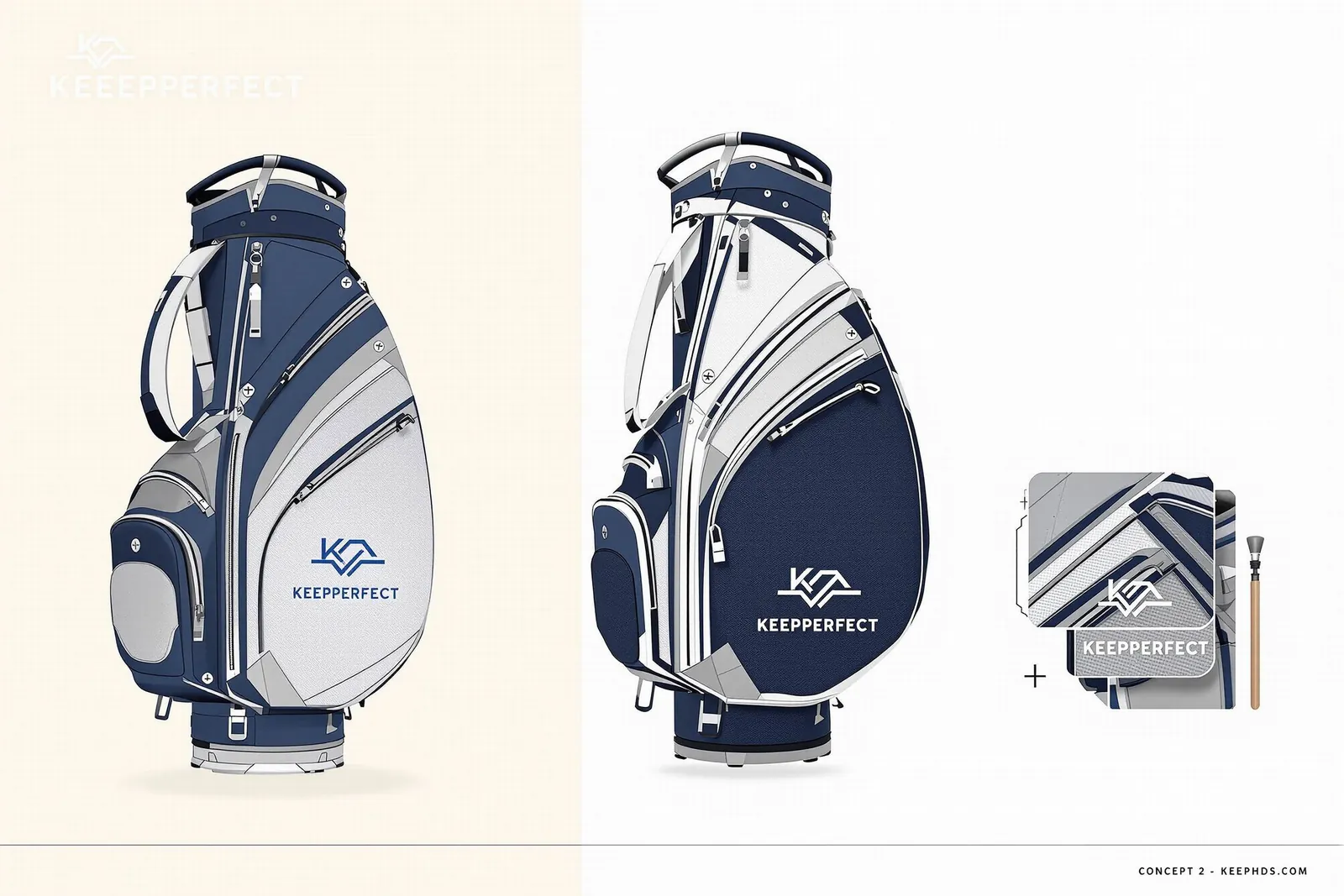
There is no single universal golf bag size limit: each airline sets its own length, weight, and oversize-policy for checked golf equipment, so the practical rule is to match your bag to the strictest carrier on the routes you fly and to the largest common club set (up to 14 clubs), keeping dimensions within roughly 135-145 cm total length, well above 100 cm, and checking checked-bag weight limits before every trip. Airlines rarely reject a golf bag outright, but they do apply their own oversized and overweight fees, and getting the size and weight right is the difference between a clean gate-to-gate experience and an awkward bill at check-in. This guide, from QUANZHOU JUNYUAN BAGS, explains how to size a golf travel bag so it navigates airline rules safely, comfortably and without surprise charges. Our factory, founded in 2014 by a founder who entered the trade in 2004, builds travel bags on an affiliated 4,950 m² main factory."
Why Golf Bags Are Treated as Oversize Baggage
Checked golf equipment - a travel case containing a full set of clubs plus shoes and accessories - almost always falls outside a carrier's standard checked-baggage dimensions. Standard checked bags are typically limited to about 158 cm total linear dimensions (length + width + height), while a golf bag is long and narrow and generally exceeds that envelope even though it is not heavy. As a result, almost every airline categorises golf bags as oversize baggage, which triggers a specific (usually flat-rate) fee rather than rejection.
The important reassurance is that golf bags are a familiar, well-handled category. The vast majority of, carriers accept a golf bag as one piece of checked baggage, subject to a fixed oversize fee and to the same weight ceiling as any checked bag on that route. Golfers of decades of practice have established the category, and airline stations are set up to accept standard club containers at check-in and deliver them at the oversize carousel. The realistic risk is fees, not refusal.
Because rules differ by airline, route and class, the reliable habit is to treat airline golf policy as a moving target and check the specific carrier's latest page before each trip. Standard golf-bag sizing keeps you within the broad norm, which is why a normal club container belongs to the trusted category; the tailoring lives in the weight and the fee structure rather than in exotic dimensions.
QUANZHOU JUNYUAN BAGS builds golf travel bags on an affiliated 4,950-square-metre main factory that entered the industry when our founder started in 2004 and was established as a company in 2014. The facility runs seven production lines with 126 sewing machines and a team of 137 staff, supporting a monthly capacity of up to 200,000 units for more than 200 brands across 100+ countries. Sampling typically takes 10–20 days and bulk production 45–60 days, with a standard MOQ of 200 pieces and 100 for test orders. The factory was independently audited by SGS in March 2026. Contact service@junyuanbags.com or +86 17750020688.
Standard Golf Travel Bag Dimensions That Work
A golf travel bag built to the industry norm holds a full set of up to 14 clubs, plus shoes, balls, tees, gloves and a few accessories, and stays within the outer dimensions airlines expect of a standard club container. The key numbers are the overall length - typically around 135-145 cm when standing - which is driven by the club length and the fitted height of the bag, and a width and depth that keep the set from jostling while remaining manageable to handle and to store.
Inside, the critical fit is the club-comport area. A good travel bag keeps the club heads and grips separated and cushioned so they do not rub during transit, with a padded or stiffened top that protects the vulnerable heads. Because clubs differ in length and the bag must accept the common largest set, manufacturers design the internal layout around up to 46-inch drivers while keeping the outer dimensions sensible. Our golf-bag types guide walks through the internal structures that balance fit and protection.
It is worth remembering that a bag that is too big does not protect any better - it is simply heavier and harder to handle, and it may tip past a carrier's oversize envelope on a route with stricter rules. The well-designed travel bag is precisely sized to fit the kit, which is both lighter and more likely to be accepted cleanly. The right bag is the right size, not the biggest size.
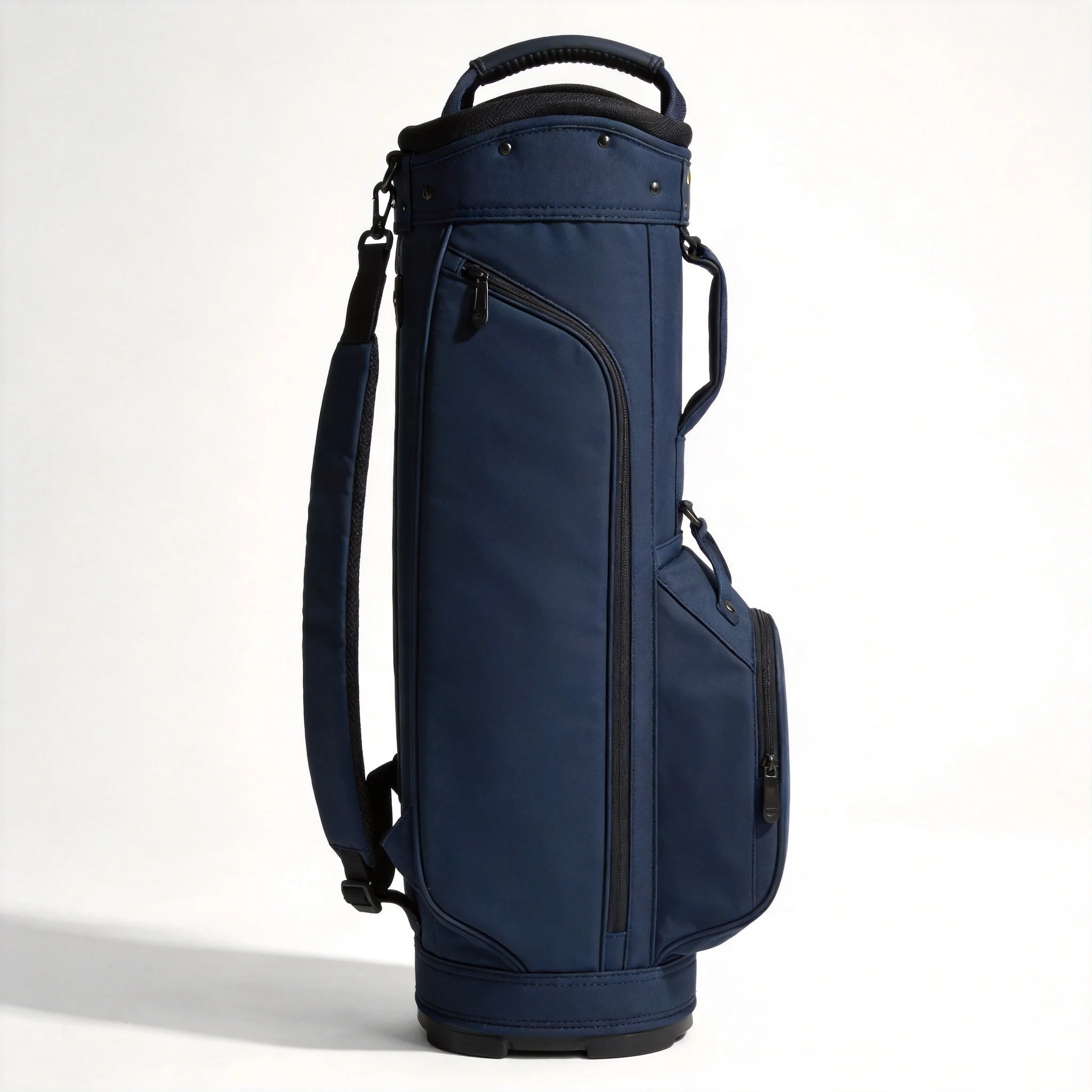
Correctly Sized
A 135-145 cm club container fits the norm of airline oversize golf baggage.
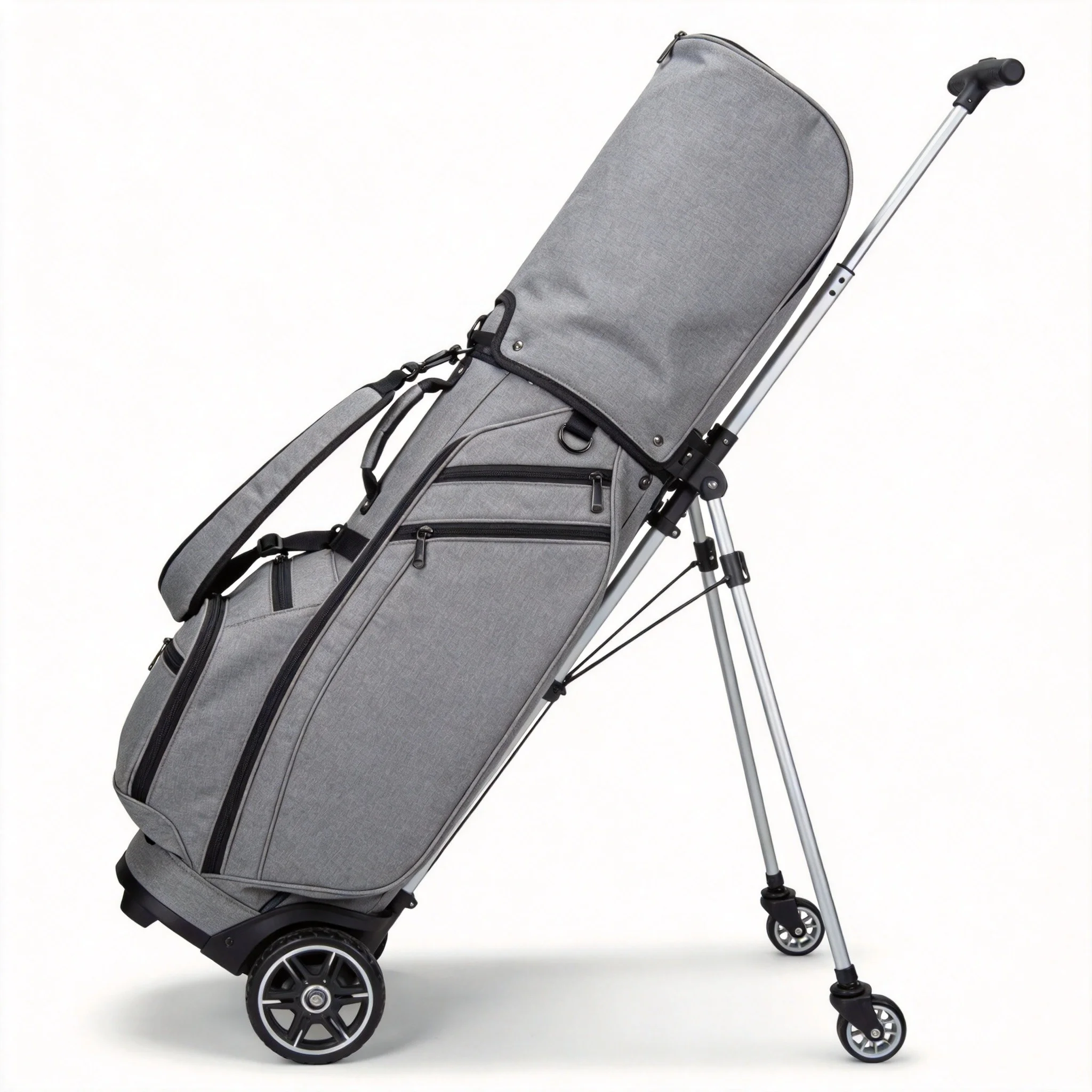
Within Limits
Sensible dimensions keep a full club set safe and keep oversize fees predictable.
Reading Airline Golf Policies: Length, Weight, Fees
Every airline publishes a golf-equipment page that states three things: the allowed length envelope (usually the overall length of the club container), the weight ceiling for the checked bag, and the fee - either a flat oversize fee per bag or inclusion as normal checked baggage with an excess-weight charge. Reading these three numbers for your exact carrier, route and class is the practical core of airline golf travel.
Length is almost never the barrier in practice, because standard golf bags at 135-145 cm sit within the oversized category most airlines expect for clubs. Weight is where the surprises live. Standard economy checked-bag allowances are commonly 23 kg (50 lb), and a fully loaded golf travel bag with clubs, shoes and extras can approach or exceed that figure - pushing the bag into excess-weight or into a lower-cost-upgrade territory. Managing packed weight, as our packing guide explains, is how you keep the total bill predictable.
Fees are where the policies diverge most. Some airlines treat golf equipment as normal checked baggage with an oversize fee; others allow it within the ticket's checked allowance on certain routes; some charge a flat rate per bag per sector. Because these rules shift and vary by region and class, the reliable move is to verify at booking or before departure rather than assume. Knowing the fee structure in advance turns an open-ended anxiety into a line item you can plan around.
Why a Correctly Sized Bag Also Saves You Money
Sizing a travel bag correctly is not only a safety matter - it is a financial one. A bag built to the airline norm keeps weight under control, because the right dimensions use the lightest sensible construction rather than an oversized shell that adds grams. Since airlines charge for checked golf bags by weight, a lighter bag reduces the risk of an excess-weight charge and lets the golfer pack shoes and accessories without fighting the ceiling.
The right size also protects the equipment itself. A bag that is too large lets clubs slide and knock; one that is correctly fitted holds them in place with padding and dividers, so the clubs, shafts and grips arrive in good condition. Correctly sized bags are also easier to lift, roll and store - meaningful when a member travels often, because an easier bag is used more and an unused bag helps no one.
For brands and clubs manufacturing or stocking travel bags, sizing to the norm is equally practical. It means one or two well-chosen SKUs serve the largest common set for a whole membership, keeping inventory simple and landing within the broad airline norm that most routes accept. A correct, standard sizing strategy is the lowest-cost, lowest-risk route to a travel bag that members actually use and that keeps fees predictable.
How to Measure Your Bag and Clubs Correctly
Measuring a golf travel bag and the clubs it must hold is straightforward if you follow three dimensions. Measure the overall length of the standing bag (from the base to the top of the club heads or the bag's highest point with clubs in), and its width and depth at the widest section. These three figures - length, width, depth - are what you compare against the airline's envelope, and they are the same numbers a manufacturer uses to size a bag you are considering.
When selecting a bag, measure against your longest club. Lay the clubs in a line and take the length from the butt of the grip to the club head's toe, then add the cushioning the heads need, and compare that total against the internal length of the bag's main compartment. A bag must accommodate your longest driver while keeping the heads protected, not just the average club. Getting this single measurement right avoid the two common mistakes: a bag that is too short to protect, or one that is needlessly large.
Weights are measured empty and packed. Know the empty bag weight from the spec, then weigh the packed bag if you can before check-in; many airports have scales. If the packed weight is close to or over the airline's checked ceiling, the levers are to drop non-essential weight (a spare pair of shoes, extra balls) and to choose a lighter bag construction next time. Measurement, both of size and weight, is the foundation of predictable, stress-free golf air travel.

Measured Fit
Measuring length, width and weight against the carrier's limits keeps the trip free of surprise fees.
Soft vs Hard: Which Dimensions Win at Check-in
Both soft and hard golf travel bags are accepted as checked golf equipment, and the practical difference at check-in is weight and manoeuvrability rather than the length envelope. Soft bags are lighter and easier to store, and their compliant dimensions keep them comfortably within the oversize category. Hard cases add stiffness and impact protection but weigh more, which can tip a fully loaded bag closer to the airline's weight ceiling.
The choice therefore turns on the travel pattern and the equipment being guarded. For frequent but routine flights where weight is the controlling factor, a soft or wheeled soft bag that manages weight well and sizes compliantly is often the right call. For long-haul or high-touch handling, or for a golfer with expensive clubs who wants the strongest protection, a hard case is justified despite its weight - especially if the airline's golf fee is flat rather than weight-driven.
Our hard-shell vs soft comparison explores the trade-offs in depth. The key sizing principle holds for both: build to the airline norm, keep total packed weight under the ceiling, and verify the route-specific policy. Whether the shell is soft or hard, a correctly sized, correctly weighted bag is what keeps check-in smooth and predictable on every trip.
Baggage Allowance and Weight Strategy for Golfers
Winning the airline golf-weight game is a strategy, not luck. Start from the carrier's checked-bag allowance for your fare class on the route, recognise that most check golf equipment as one piece with its own oversize provision, and then manage the packed weight so the bag lands under the ceiling. Weighing the packed bag in advance, trimming non-essential items, and knowing what happens if you exceed the weight (an excess charge, or a smoother outcome by upgrading) keeps the trip's economics predictable.
A sensible packing strategy also distributes risk. Shoes are heavy - pack them in the bag only if they fit without pushing the total over the limit, and consider carrying a light pair on board. Keep the club heads protected with a stiffened hood, put sheets or cushioning around the heads, and place heavier, rigid items low and central so the bag balances well and rolls easily. A balanced, lean bag is easier to handle and less likely to be mishandled.
For frequent travellers, a lighter bag is an annuity. Choosing a bag construction that saves 2-3 kg compared with a heavy case lowers the risk of excess-weight charges on every single trip, which quickly dwarfs any small price difference. This is where weight-savvy sizing and construction pay off repeatedly, and why a well-designed lightweight-yet-stiff bag is such a good value purchase for the regular flier.
Regional Differences in Golf Bagging Rules
Golf baggage policy varies between regions and even between carriers within the same region, so geography matters. European-legacy carriers tend to publish fairly explicit golf-equipment allowances with flat fees; North American carriers commonly treat clubs as checked baggage subject to oversize or overweight charges depending on length and weight; and Asia-Pacific and Middle East carriers often have generous allowances with their own structure. Understanding the pattern of your routes helps you predict rather than be surprised.
The variation shows up most in the fee structure and the weight ceiling rather than in the length envelope. One carrier may accept a golf bag up to a generous length with a fixed fee; another may cap the weight tightly. Since policies also change and definitions are refined, the habit of checking the specific airline page closest to your departure is the single most reliable guardrail, and it is what this guide's sources keep pointing to.
For clubs and brands with members travelling widely, this argues for building to the conservative end of the norm: standard length that clears every major envelope, and a weight-lean construction that keeps the bag under even the strictest checked ceiling. A bag that satisfies the most demanding route in the family quietly satisfies them all, which is the whole point of designing to the airline norm.
QUANZHOU JUNYUAN BAGS builds golf travel bags on an affiliated 4,950-square-metre main factory that entered the industry when our founder started in 2004 and was established as a company in 2014. The facility runs seven production lines with 126 sewing machines and a team of 137 staff, supporting a monthly capacity of up to 200,000 units for more than 200 brands across 100+ countries. Sampling typically takes 10–20 days and bulk production 45–60 days, with a standard MOQ of 200 pieces and 100 for test orders. The factory was independently audited by SGS in March 2026. Contact service@junyuanbags.com or +86 17750020688.
Answers on Airline Golf Bag Size, From Sizing to Strategy
Bringing it together, the reliable formula for airline-friendly golf travel is simple. Size the bag to hold a full set with protection while keeping overall length around the 135-145 cm club-container norm. Know the airline's specific golf policy for your route - length, weight ceiling, and fee - and check it before each trip. Manage packed weight to stay under the ceiling, use a light but stiff construction, and protect the club heads with a padded or stiffened top.
Choose the body style - soft, wheeled soft or hard - to match your travel pattern and equipment value, while keeping dimensions and weight compliant. And wherever possible verify rather than assume, because rules do change and a five-minute check at booking saves an awkward conversation at the counter. A correctly sized, correctly weighted bag is the difference between reliable, fee-friendlier travel and open-ended checks.
Finally, buy from a factory that documents its sizing and weight data honestly. When a manufacturer states the empty weight and the dimensions clearly, you can plan around them instead of discovering surprises at the airport. That transparency, backed by verifiable quality systems, is what turns a travel bag purchase into a dependable part of a fly-regular golfer's routine.
Typical Airline Golf Baggage Parameters at a Glance
The examples below illustrate the range of parameters golfers meet; always confirm the exact policy of your specific carrier before travel.
| Parameter | Typical Value | What It Means |
|---|---|---|
| Overall length | 135-145 cm | Standard club container norm; rarely the barrier |
| Checked weight ceiling | 23 kg / 50 lb (fares vary) | Fully loaded bag can approach this limit |
| Fee type | Flat oversize fee or normal checked + excess | Policy by carrier, route and class |
| Adult bag fit | Up to 14 clubs + shoes + accessories | A full set at standard sizing |
| Policy update | Verify each trip | Rules change; check before departure |
Keep dimensions within the club-container norm and manage packed weight, and you solve the two variables that actually drive airline golf fees.
Fly With a Bag That Fits Airline Rules.
Choose a correctly sized, weight-lean golf travel bag from a factory that publishes honest dimension and weight data. Explore travel covers, wheels and hard cases built to the club-container norm.
Browse Airline-Ready Travel Options →Frequently Asked Questions
- What is the standard size of a checked golf travel bag?
- Around 135-145 cm in overall length, sized to hold a full set of up to 14 clubs, shoes and accessories within the airline club-container norm.
- Are golf bags rejected by airlines?
- Rarely - golf bags are a familiar oversize-baggage category. The realistic issue is oversize or overweight fees, not refusal.
- What weight should a packed golf bag stay under?
- Common economy checked ceilings are around 23 kg / 50 lb; keep the packed bag under your carrier's ceiling by trimming weight.
- Do airlines charge extra for golf bags?
- Most apply a flat oversize fee or treat the club bag within checked allowance plus excess weight, depending on the policy for the route and class.
- Should I buy a soft or hard travel bag?
- Soft bags are lighter and easier; hard cases protect more. Match the choice to travel frequency, weight sensitivity and club value.
- Do golf bag size rules change?
- Yes, often - always verify your specific carrier's current golf policy before each trip.
Sources
- IATA Baggage — industry guidance on checked and oversize baggage categories.
- BAAA — airport and baggage-handling context informing golf bag handling expectations.
- SGS — independent verification of factory quality systems supporting manufacturing claims.
- USGA — golf equipment references supporting club protection and sizing.
Related Reading
Explore more of our expert guidance on golf travel bags and manufacturing to plan the right product for your next trip or program:
- Travel covers for golf clubs and equipment — protection that travels easily and meets size expectations.
- Wheeled travel protection — wheeled options that make airport journeys effortless.
- Hard case travel protection — hard-shell bags with a predictable, rigid footprint.
- Golf bag types guide — the range of bag categories and how sizing relates to contents.
- Hard-shell vs soft-shell compared — the fit, weight and protection trade-offs relevant to packing.
- Wholesale for shops and retailers — sourcing travel bags that meet airline sizing for retail.