How to Maintain Waterproof Coating on Golf Bags
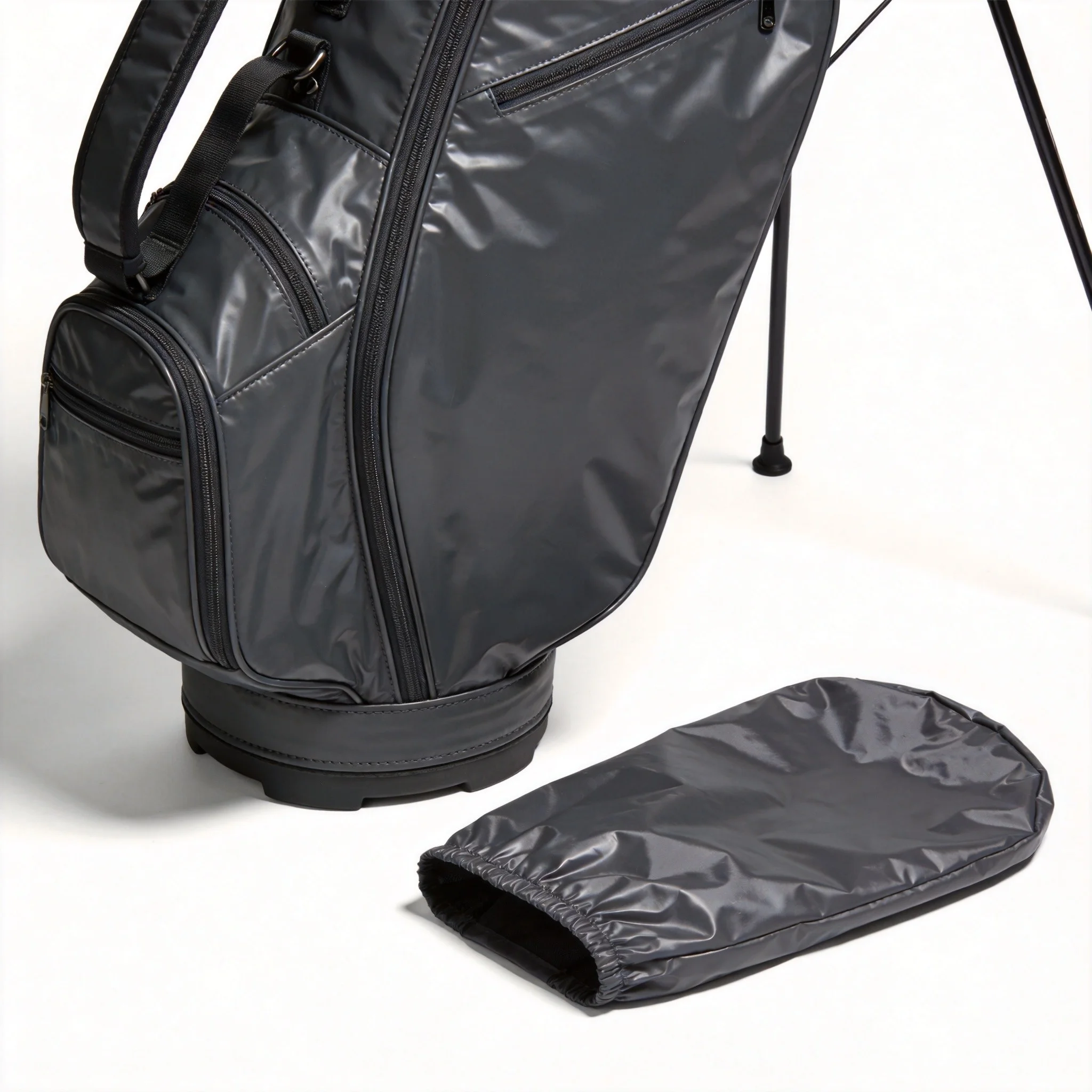
The waterproof coating on a golf bag is maintained in a simple routine: restore water beading by re-applying a fabric waterproofing treatment when water starts to soak instead of bead (typically every few months in wet climates or after a season of heavy use), while protecting the underlying laminate by using only gentle cleaners, drying the bag fully, and keeping zippers and sealed seams free of grit — a routine that keeps a genuine waterproof bag dry for 5-10 years. This guide, written from the factory side where these coatings are applied and tested, gives you the complete maintenance routine.
Understanding How a Waterproof Coating Works
Maintaining a waterproof coating begins with knowing what is actually on the bag. A genuine waterproof golf bag typically combines two layers with different jobs. The primary barrier is the laminate—a PU or TPU film bonded to the fabric that physically stops water from passing through. On top of that sits a factory-applied durable water repellent (DWR), a finish that makes water bead and roll off rather than soak toward the fabric. The DWR is the coating you re-apply; the laminate is the barrier you protect. Confusing the two leads to wrong maintenance, so keeping them distinct matters.
The practical consequence is that re-treating a bag usually means restoring the DWR, not replacing the laminate. The laminate stays durable for years and cannot be re-applied at home; the DWR, by contrast, is expected to wear and be replenished. When a bag starts to wet out on the surface, the waterproof barrier underneath is often still intact—the DWR has simply faded, so water sits against the fabric until the laminate does the work. Re-applying the treatment restores surface beading and keeps the bag performing at its best.
Why Coating Performance Fades Over Time
The fading of a waterproof coating is natural and predictable rather than a sign of failure. Every round abrades the surface where the bag rubs the ground and the cart, washing removes some DWR with each clean, and body oils, grass and dirt from use gradually overwhelm the repellent finish. Over months of use, the DWR depletes until water no longer beads and rolls off, but begins to spread and soak toward the fabric. This is the clearest signal that it is time to re-treat, and it does not mean the bag has lost its waterproofing—the laminate is still there doing its job.
The word "waterproof" can mislead here. A bag whose surface wets out may still keep clubs dry, because the laminate underneath blocks water. But a well-maintained bag sheds water at the surface, which keeps the shell cleaner, lighter and more comfortable to handle, and reduces the long-term stress on the laminate and seams. Re-applying the coating when it is due prolongs both the performance and the life of the bag, and it is the single most useful habit in maintaining a waterproof golf bag.
When and How to Test for Need of Re-Treatment
Testing whether a bag needs re-treating is quick and does not require special tools. Splash or lightly spray a small area of the shell with water and watch what happens. If the water beads into tidy droplets and rolls or shakes off easily, the DWR is healthy. If the water forms a flat, spreading sheen or soaks into the fabric and darkens it, the repellent finish has faded and the bag is due for re-treatment. Doing this simple check at the start of each season, and after any heavy trip in the wet, keeps you ahead of the coating's natural wear.
Frequency naturally scales with use. A golfer who plays weekly through a wet spring and summer will re-treat more often than one who plays a few fair-weather rounds a year. A good rule of thumb is to re-apply every few months in a wet climate, or after a season of heavy play, and always before a wet-season or long-trip stretch. Because the test is instant, there is no guesswork—when water soaks rather than beads, the treatment is due, wherever you are in the calendar.
| Maintenance step | How | Frequency |
|---|---|---|
| Clean | Gentle specialist cleaner + water | Every few uses or as dirty |
| Dry | Fully air-dry, store unzipped | After every wet use |
| Re-treat DWR | Fabric waterproofing treatment | When water stops beading |
| Zipper care | Clean + light silicone lubrication | Monthly or after grit |
| Seam check | Inspect sealed seams for lifting | Each season |
Cleaning a Waterproof Bag Without Damaging It
Cleaning is the most common place a waterproof bag gets accidentally damaged, because aggressive methods strip the very coating you are trying to keep. The correct approach is gentle: use a specialist textile or bag cleaner, or a mild soap, applied with a soft cloth or sponge, then rinse thoroughly with clean water. This removes the dirt, grass and oils that degrade the finish without attacking the laminate or DWR. Avoid harsh detergents, bleach, solvents and any method that abrades the surface aggressively.
Machine washing and tumble drying are the mistakes to avoid most. A washing machine can flex and hammer the bag against surfaces, stressing sealed seams and stripping the coating, while a hot dryer can damage a laminate. The safe method is hand washing and air drying in a shaded, ventilated place, never in direct sun that can degrade some coatings. If you follow the gentle clean-and-air-dry routine, the bag stays clean and lightly treated, ready to re-apply the DWR and maintain its long-term protection.
Choosing and Applying the Right Re-Treatment Product
Selecting the right product protects the bag and gets the best result. Specialist fabric waterproofing treatments, chosen to match the bag's base fabric—nylon or polyester—are the reliable choice, as they work with the laminate and the weave rather than against them. Two application styles exist: spray-on treatments are simple and suitable for most shells, while wash-in formulations suit bags that are easier to treat whole. Always follow the product's instructions, and let the treatment cure fully, usually by air-drying, before use.
The aim of re-treating is to restore water beading, not to rebuild the waterproof barrier. A quality fabric treatment renews the DWR on and around the shell so water sheds at the surface once more. Apply it to a clean, dry bag so it bonds properly, and focus on the areas most exposed to rain and abrasion. Choose and apply carefully, and the bag performs at its best through the season, with a refreshed finish that goes on cleanly rather than a patchy coat that fails early.
Zipper, Seam and Base Maintenance
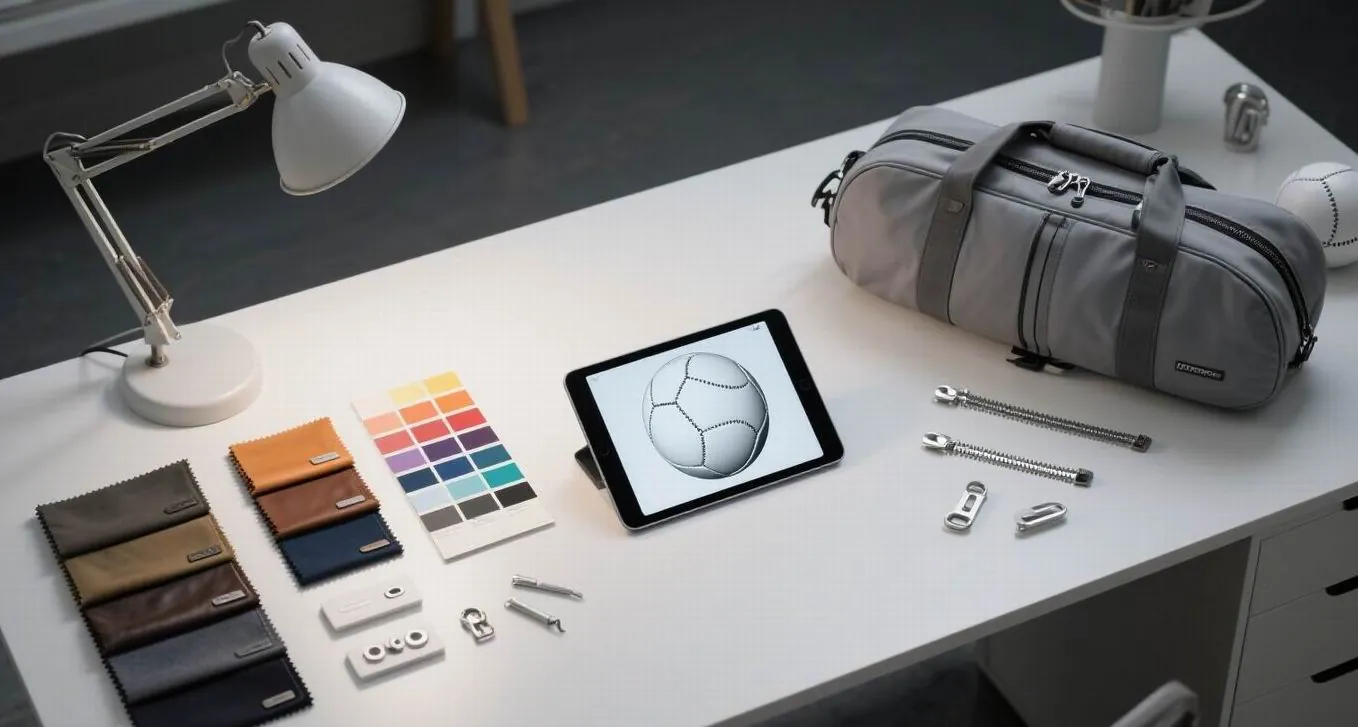
The coating protects the main shell, but the true longevity of a waterproof bag also depends on its zippers, seams and base. Zippers should be kept clean and lightly lubricated with a silicone-based zipper lubricant, because grit works into both the mechanism and the weather seal, and grit is what makes zippers jam and seals fail. Inspect sealed seams for any lifting or wear, and keep them free of debris, never puncturing them, as that reintroduces a leak path. The base should be checked and cleaned like the shell, since it takes the most moisture and abrasion.
These moving and high-wear parts are where a waterproof bag actually fails long before the fabric wears through, so maintaining them is disproportionately valuable. A bag with healthy zippers and intact seams holds its seal through years of use, while one whose zippers are gritty and seams are stressed leaks early at exactly the points the coating alone cannot protect. Pairing gentle shell maintenance with focused zipper, seam and base care is the complete routine for a genuinely long-lived waterproof bag.
Drying and Storage Habits That Preserve the Seal
What happens to a waterproof bag between rounds often matters more than the washing method. After any wet round, dry the bag thoroughly and store it unzipped or with the top open, because trapped interior moisture is the main driver of mildew and of gradual degradation of the laminate and lining. Do not seal the bag up damp; give it airflow. Store it in a cool, dry, shaded place out of direct sun, and avoid leaving it compressed under heavy loads that stress the shape and seams over time.
Good storage also protects the re-treated coating. A bag left damp and sealed develops mildew that is hard to remove and that stains and weakens fabric, undoing the care you have put in. A bag stored dry, open and shaded keeps its DWR refreshed and its laminate intact, so the waterproof coating stays effective for the full 5 to 10-year life. These are simple habits, but they are the highest-leverage part of maintenance, because they protect the bag continuously rather than only when you actively clean it.
Where you store the bag matters as much as how, especially between seasons. A garage, shed or vehicle boot exposed to wide temperature swings can stress coatings and interior linings over months, so aim for a moderate, stable indoor spot where the bag can breathe. If the bag came with a loose drawstring cover or hood, removing the hood and letting air circulate prevents trapped condensation against the shell. These small choices—keeping the bag dry, open and at a stable temperature—make the difference between a coating that lasts its full life and one that degrades early, which is exactly the kind of long-term reliability worth protecting with the same attention you give your clubs.
Avoiding Common Coating-Damaging Mistakes
Most premature failure of a waterproof coating comes from a small set of avoidable mistakes, so knowing them is the best prevention. The first is using harsh chemicals—bleach, strong detergents and solvents—that strip the finish and can attack the laminate. The second is machine washing and hot drying, which stress the bag and degrade coatings. The third is storing the bag wet and sealed, which breeds mildew. The fourth is abrading the surface aggressively while cleaning. Each is easily avoided once you are aware of it, and avoiding them keeps a waterproof bag performing for years.
The shared theme is gentleness and dryness. Treat the bag's coating as the delicate engineered finish it is, clean it gently, dry it fully, and store it open in shade. When you follow this, the DWR lasts longer between re-treatments, the laminate stays sound, and the bag approaches the top of its expected life. When the bag does eventually need more than maintenance—laminate delaminating, open seams or a broken zipper—that is the point at which replacement is the smarter decision than continued patching.
For Brands: Building Maintenance into the Product Story
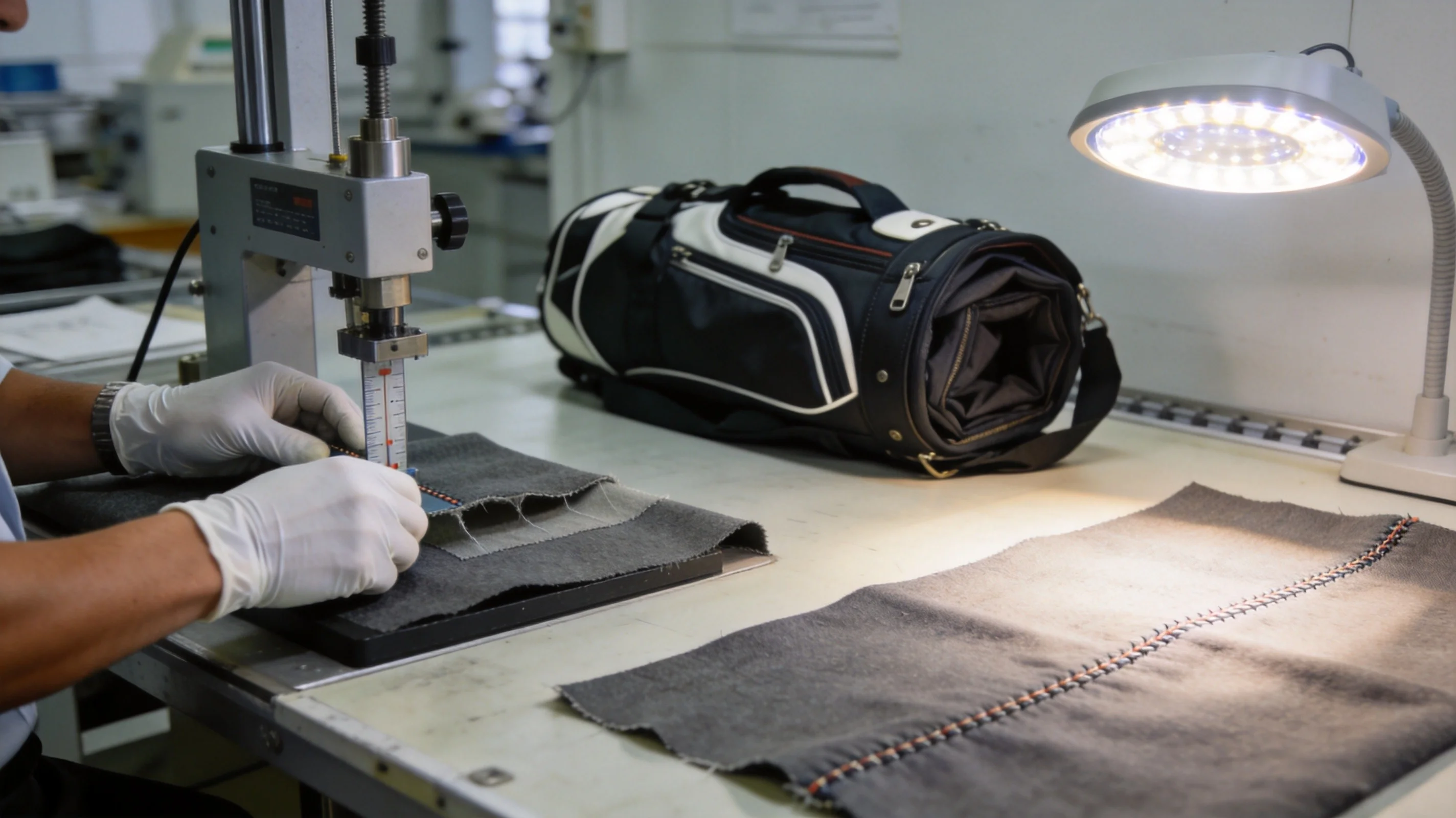
For brands and retailers, care guidance is part of the product itself. A waterproof line that arrives with clear, accurate maintenance instructions sets the right expectation and reduces the returns that come from customers using harsh methods and then finding worn coatings. Publishing a simple care-and-re-treatment guide alongside a waterproof bag turns a potential source of complaints into a demonstration of quality and honesty, because it shows the brand understands how its product works and wants it to last.
It also protects the waterproof claim. A brand that specifies genuine waterproofing in construction, verifies it on samples and explains how to maintain it is selling a dependable product rather than a disappointing one. When the care routine—gentle cleaning, drying and periodic re-treatment—is communicated clearly, the bag performs as promised and lasts, which is precisely the reputation a quality waterproof line needs. For the construction standards behind that promise, our quality standards guide details how genuine waterproofing is specified and inspected from the factory side.
Maintain Your Waterproof Bag Correctly
Clean gently, dry fully, re-treat when water stops beading — and the seal keeps working for years. Care guidance for every waterproof build we ship.
Explore Waterproof Products →A Seasonal Maintenance Checklist
Turning maintenance into a seasonal habit is far more reliable than remembering it only after a leaking round. Start of season: inspect the shell, test the beading, re-treat if water soaks, check zippers and sealed seams, and lubricate any gritty zippers. During the season, clean gently as needed, dry fully after every wet round, and re-treat mid-season in wet climates. End of season: deep-clean, dry completely, re-treat, and store the bag open and in shade for the off-season. A checklist makes each step predictable and protects the investment through the years.
For golfer and brand alike, the seasonal rhythm prevents the most damaging failure mode: discovering a worn coating in the middle of a storm. A golfer who checks at season boundaries avoids a soaked round on a wet-course day. A brand that includes a maintenance checklist with each waterproof bag reduces premature-wear returns and sets its product up to keep performing. Because the underlying habit is the same—test, clean, dry, re-treat—the checklist works for any waterproof bag, whatever the model or build, and anchors maintenance in the calendar rather than in frustration.
Adjusting Care for Climate and Playing Habits
The right maintenance cadence depends heavily on where and how the bag is used, so adapt the routine to the environment rather than following a fixed timetable. In a persistently wet climate, water is a near-daily force: dry the bag promptly after every round, re-treat more frequently, and inspect seams and zippers more often, because they are under constant exposure. In a dry climate, the coating faces less rain but more sun and heat, so protect the bag from prolonged direct sunlight, which degrades coatings, and keep it clean of dust and grit that abrade the surface. High-use golfers who play and travel often simply accelerate the same routine, replacing parts like zippers if they wear.
Matching care to use also extends the intervals between full re-treatments. A bag used only on fair-weather rounds may only need a season-boundary check, while a weekly wet-season golfer may re-treat every few months. Travel adds its own demands—airline handling and repeated transport stress the bag and its zippers. By observing how the bag is actually used and adjusting cleaning, drying and re-treatment frequency to match, you keep a single waterproof bag working at its best, whatever the climate, without overtreating or neglecting it.
Signs That a Waterproof Bag Needs Replacing
Maintenance will not repair a fundamentally worn-out bag, so it is worth recognizing when replacement is the responsible call rather than continued patching. If the laminate is visibly delaminating—peeling, wrinkling or coming away from the fabric—the primary barrier is failing and re-treatment will not restore it. If sealed seams are open or stitching is degrading, water can enter through points the coating cannot protect. If a zipper is broken or repeatedly jams despite lubrication, the weather seal is compromised. When several of these appear together, replacement is typically the smarter decision.
This is not a failure of maintenance; it is the natural end of a product's service life. A genuinely waterproof bag that has been maintained properly lasts roughly 5 to 10 years before these wear points accumulate. Extending it beyond that point saves little and risks a soaked round from an unexpected failure. Recognizing the difference between a coating that can be refreshed and a bag that is structurally finished lets you maintain effectively through the bag's useful life and replace at the right moment—which, for a brand, also means specifying construction that genuinely supports this full lifecycle in the first place. Material and build quality are the foundation that any maintenance routine rests on, which is why fresh sourcing should be built with durability in mind, and why reviewing our waterproof golf bags before a purchase focuses the care where the bag is genuinely built to last.
Conclusion
Maintaining a waterproof coating on a golf bag is a straightforward routine with outsized reward. Understand that the coating you re-apply is the surface repellent while the laminate is the durable barrier you protect; test and re-treat when water stops beading; clean gently, dry fully and store open in shade; and keep zippers, seams and the base in good shape. Followed consistently, this routine keeps a genuine waterproof bag dry and dependable for its full 5 to 10-year life, protecting both your equipment and your investment in every wet round. Start with a simple splash test today, build the routine into your season, and your bag will repay the minutes with years of dry performance, in every climate and against every downpour.
Sources
Frequently Asked Questions
- How often should I re-apply waterproofing to my golf bag?
- Whenever water stops beading and starts soaking in, typically every few months in wet climates or after a season of heavy use; the splash test tells you exactly when it is due.
- Can I re-waterproof a golf bag without damaging the laminate?
- Yes; clean gently, dry fully, then apply a suitable fabric waterproofing treatment. Avoid harsh solvents, hot machine washing and aggressive scrubbing.
- Why does my waterproof golf bag stop beading water?
- The factory DWR finish fades with use and washing; re-applying a waterproofing treatment restores beading while the underlying laminate continues the primary waterproof barrier.
- What should I use to clean a waterproof golf bag?
- A specialist bag or textile cleaner, or mild soap and water, on a soft cloth; avoid harsh detergents, bleach, solvents and high-pressure washing, then dry completely.
- How do I maintain the zippers and seams of a waterproof bag?
- Keep zippers clean and lightly lubricated with a silicone lubricant, inspect sealed seams for lifting, and never puncture them, as that reintroduces a leak path.
- What should I avoid to keep a golf bag waterproof?
- Avoid harsh solvents, bleach, machine washing, tumble drying and aggressive scrubbing, and avoid storing the bag wet or sealed, which breeds mildew and degrades the seal.