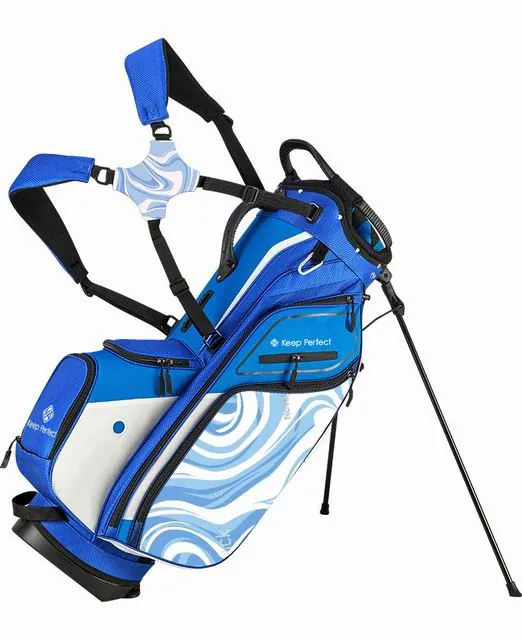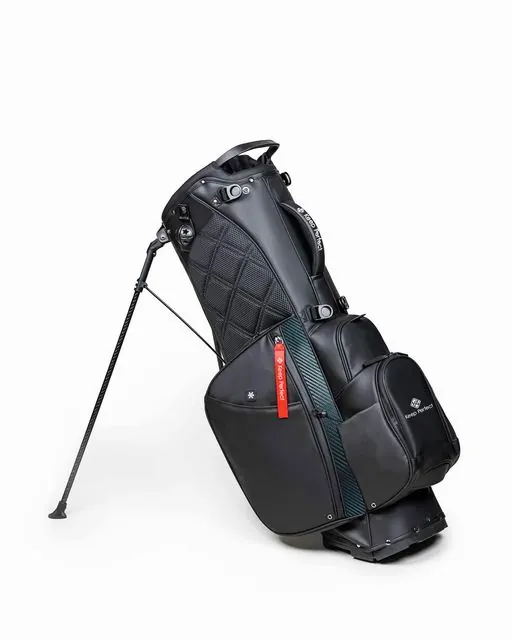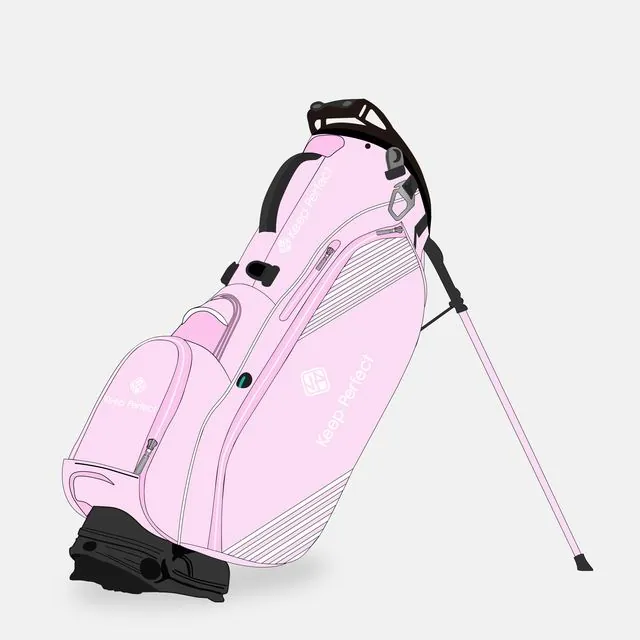
Intelligent Storage Turns a Golf Bag From a Sack Into a System
A storage-smart golf bag is engineered so every pocket has a defined purpose, every item has a home, and the bag stays quick to access and easy to carry — not by adding gimmicks, but by disciplined compartment design, divider layout and material choice. The best "intelligence" in storage is invisible: it works so well you stop noticing it. This guide explains how modern compartment systems are designed, which features genuinely speed up a round, and how a factory running 7 lines with 126 sewing machines builds that intelligence into every batch for 200+ brands across 100+ countries.
What "Intelligent Storage" Really Means
Intelligent storage is a design philosophy before it is a feature list. It starts by mapping every item a golfer carries — fourtee clubs, balls, tees, gloves, rangefinder, scorecard, phone, wallet, keys, rain gear, drink, snacks — and assigning each a logical, reachable, secure pocket. The goal is that nothing sits unprotected in the main compartment, nothing rolls around loose, and nothing requires a blind, fumbling search when you are in a rhythm on the course.
The results are measurable. A well-organised bag cuts the time spent searching for a glove or a marker, protects delicate electronics from jostling, and keeps the whole assembly balanced and light. For a walker, the difference between a tidy bag and a chaotic one is real fatigue saved over 18 holes. That is the practical payoff of treating storage as an engineering problem rather than an afterthought.
The Divider System: The Backbone of Storage
The divider system is the single most important storage decision. Dividers separate the top opening into channels so clubs do not tangle, and their number and arrangement determine how quickly you can pull and replace a club. A 14-way full-length divider gives every club its own, usually divided slot, protecting grips and shafts and making organisation precise, though it can add weight and make some grips harder to seat. A 5-way splitter is lighter and faster to load but offers more club-to-club contact.
Full-length dividers matter to anyone who cares about shaft and grip protection, especially in a cart bag that travels. For walkers, a lighter, simpler divider can be the better balance of weight against organisation. The "right" answer depends on how you carry and what you protect, which is exactly why a quality factory offers both and lets a brand or buyer select per range rather than forcing one option.
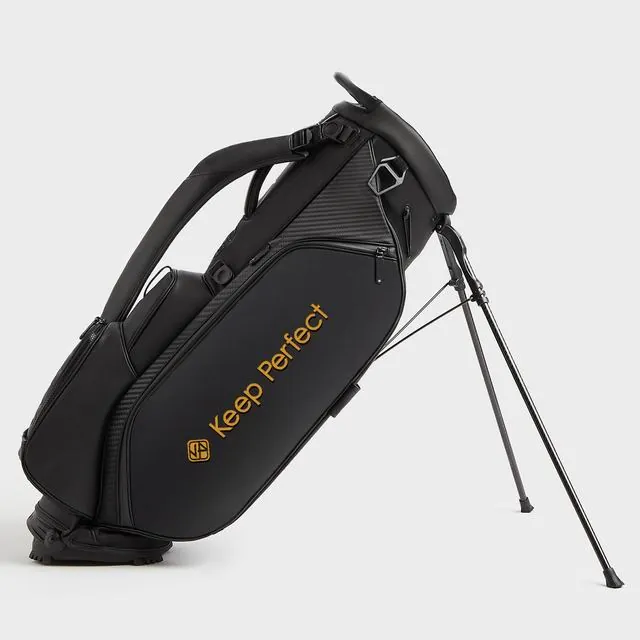
Pocket Architecture: Purpose-Defined Storage
The best pocket architecture gives each item a deliberate, labelled purpose. A dedicated padded valuables pocket with a fleece lining and a lockable zipper holds the phone, wallet and keys safely. An insulated cooler pocket keeps drinks cold for a round. A "tour" pocket keeps the big items you need often — a jacket or a few spare balls — within easy reach. A magnetic front pocket or a fleece-lined pocket for the rangefinder puts the most-used gadgets exactly where your hand expects them.
The test of good pocket design is ergonomics-in-use: you should be able to reach a rangefinder and return it without twisting, locate a ball without unzipping three wrong pockets, and close every zipper without force. Ask yourself where you reach on the course and whether the layout matches. A bag that passes that test is doing intelligent storage; one that merely names a lot of pockets is not.
Materials and Hardware That Make Storage Last
Intelligent storage relies on components that survive constant use. Zippers that handle thousands of open-close cycles, cord locks and buckles that do not fail at the wrong moment, and reinforced seams at high-stress attachment points are the quiet backbone of a bag that stays organised for years. A pocket with a beautiful design is worthless if its zipper jams or its seam pulls under load.
Material choice interacts with function. A coated, abrasion-resistant fabric protects a valuables pocket against sand and rain; a fleece lining protects the lens of a rangefinder; a breathable mesh pocket handles damp towels or gloves. Each choice is a small storage optimisation, and together they define whether the organisation survives a season outdoors. This is the level of detail a serious factory controls with its QC process and test records rather than left to chance.
| Storage element | Purpose | Ideal for | Key spec to check |
|---|---|---|---|
| 14-way divider | Protect individual clubs | Cart and travel bags | Full-length walls |
| 5-way splitter | Light, quick access | Walkers | Total weight |
| Valuables pocket | Phone, wallet, keys | Everyone | Padding, lockable zipper |
| Insulated cooler | Cold drinks all round | Hot climates, all-day rounds | Thermal retention hours |
| Fleece rangefinder pocket | Protect the lens | Gadget users | Reachability, lining |
Core Club and Accessibility Design
Smart organisation extends to putting the right items within arm's reach at the right moment. Clubs you reach for constantly — driver, wedges, putter — should sit in channels that are easy to grip and replace, often with a dedicated putter well so the most-used club is never tangled. Gloves, tees and the marker live in a high, accessible pocket, while rain gear and heavier layers sit lower so the bag keeps its centre of gravity.
The principle is spatial logic: frequently used, light items go high and forward; heavy, rarely used items go low; fragile items get padded isolation; things you want protected but often get secured pockets. When this logic is followed consistently, the bag becomes near-effortless to use. It is design intelligence you feel rather than see, and it is what separates a considered product from a generic one.
Balance, Weight and Carry Ergonomics
Storage does not end at compartments; it shapes how the bag feels. Where pockets sit determines balance. A bag that loads heavy on one side makes you compensate with your shoulders and lower back, and over a long walking round that fatigue is real. A well-organised bag keeps weight low and central, which is why designers place the heavy cooler pocket and umbrella holder toward the base and keep the top light.
Carry comfort is supported by both the storage layout and the strap system — padded, adjustable, breathable straps, ideally with a quick-release in a dual-strap design for easy on-off transitions. When you pack sensibly, the bag's design and your habits reinforce each other: keep the load balanced, shed the unneeded, and the bag carries easier and lasts longer. For a walker, that combination is the whole point of intelligent storage.
How OEM Buyers Specify Intelligent Storage
For a brand or importer, specifying storage intelligence means turning the design philosophy into verifiable requirements. Start with target weights and pocket maps in the spec sheet, defining every pocket's purpose and size. Then set quality gates: confirmed QC at the factory with records of seam-pull, load and zipper-cycle tests, and reassurance from an independent audit such as the SGS inspection the reference facility passed in March 2026.
Working out of the reference model — a 2014-founded, SGS-audited floor running 7 production lines with 126 sewing machines and about 137 employees, producing up to 200,000 pieces a month — sampling takes roughly 10–20 days and bulk production 45–60 days, with a 200-piece standard MOQ and 100-piece test orders. Use those boundaries to plan, and run a test order before committing to scale so the pocket layout and hardware survive real handling before you invest in quantity.
Finally, keep the differentiation honest. Storage intelligence is not a feature you can write on a box in five words; it is a system validated in daily use. Position the range around the concrete benefits — faster access, protected gear, balanced carry — and build the marketing on those measurable outcomes rather than abstract "smart" claims. A buyer who experiences the utility will repeat the order; the box copy is secondary.
Smart Storage and the New Generation of Features
The most genuinely helpful "intelligent" additions to storage are the ones that close the loop between how you actually use a bag and how its pockets are laid out. Load cells in a carry strap can tell you the bag is too heavy and hint where to cut weight; a simple app can record which pocket you reach for most, so the next bag puts that item exactly where your hand expects it. None of this requires futuristic hardware — just sensors and a little software, the same modest toolkit doing unglamorous but real work.
RFID in the divider has a genuine storage function too: it confirms the full set of clubs is back in the bag, and it can flag a club that has drifted into the wrong channel or gone missing entirely. For a premium or fleet set, that verification is worth real money, because a single misplaced wedge can cost more than the electronics driving the check. Across a fleet of staff bags, the same read reconciles every set after an event, turning an inventory headache into a routine scan.
Set realistic expectations, however. Electronics are only useful when they are reliable, charged and protected from the elements. Every sensor adds weight and a battery to manage, and a "smart" divider is meaningless if the pocket layout it is supposed to organise is poor to begin with. Treat smart storage as a layer on top of a well-designed bag, not as a substitute for it, and verify the battery, IP rating and offline behaviour before you commit to a feature-rich range.
Maintaining an Organized Bag Across a Season
Even the best layer of storage drifts into disorder without a little routine. Make it a habit to empty and reset the bag at the start of each season: remove everything, vacuum or brush out the pockets and divider channels, check every zipper and buckle for grit or wear, and rebalance the packing so heavy items sit low and central again. A ten-minute reset keeps the design logic working and extends the life of the hardware.
Through the season, guard against the small accumulations that ruin organisation: spare balls crammed into every pocket, receipts and wrappers, a growing collection of gloves. If a pocket stops closing freely or a divider jams, address it early — a minor repair now prevents a failure mid-round. And when you travel, protect the structure: pack the bag empty or lightly, cushion the pocket areas, and keep valuables in a secure carry-on rather than leaving the compartment layout at the mercy of a cargo hold.
Storage maintenance also means knowing when age has caught up. Zippers that routinely bind, seams that pull at the pocket mouths, and foam dividers that have lost their shape are signs the bag has passed its useful life. A well-maintained, well-built bag can serve for many seasons, but the moment its storage stops being effortless, the "intelligence" is gone — and it is more honest, and often cheaper, to replace it than to keep fighting a tired shell.
Sustainable and Durable Storage Design
An intelligent storage system is also a durable and sustainable one, because the best way to reduce a product's environmental footprint is to make it last. Choose materials by their job — coated, abrasion-resistant fabric for high-wear areas, breathable mesh where airflow matters, recycled-content fabric where it meets the strength spec — and reinforce the seams and hardware that take the real strain. A bag that still organises perfectly in year five has spread its embedded carbon over far more rounds than a disposable model.
The parts that fail first in a storage system — zippers, buckles, foam dividers — are exactly the parts worth overspecifying. Higher-cycle zippers, metal or durable composite hardware, and stiffer, recoverable divider foam cost a little more and repay it in years of reliable service. Ask a factory to show you its zipper-cycle and seam-pull test data, and to confirm how it sources and labels any recycled material, so your sustainability claims rest on evidence rather than intention.
For a B2B buyer, durable storage design is also a customer-experience decision. A range that holds its organisation and finish over years builds repeat orders and word-of-mouth in a way that a purely price-led product cannot. When you build a bag to be both intelligently organised and genuinely durable, you are investing in the relationship, not just shipping units — and that is the kind of investment a manufacturing partner is best positioned to make with you.
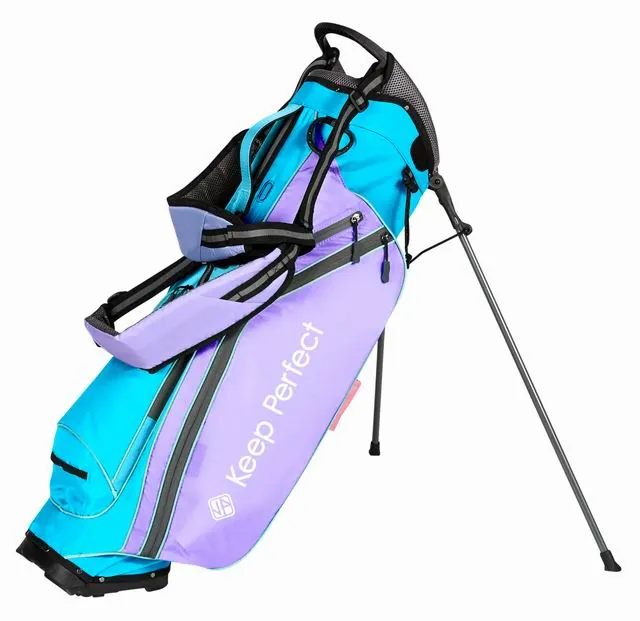
One more layer of organisation pays off more than any single pocket: the stand mechanism and how it interacts with storage. A real stand bag lets you set it down and keep every pocket reachable while the bag stays upright, which is a quiet storage win on the range and the tee box. If the stand deploys smoothly on uneven ground and the base plates do not steal pocket space from the valuables chamber, you have a bag that is organised not only inside but also in how it behaves the moment it is grounded.
Think, too, about the interactions a golfer makes a hundred times a round: sliding the rangefinder back into its fleece pocket, settling a water bottle into a mesh holster, clicking a glove shut. Every one of these micro-actions should be friction-free. If you test a bag and any common motion feels awkward — the ball pocket lid is stiff, the bottle holster does not grip, the putter well is too shallow — that friction will compound across a season and quietly erode the enjoyment the organisation was meant to create. The best designs are the ones where none of these moments requires a second thought.
Finally, use the structure of the bag to protect the part of the game that is hardest to replace: your clubs and your own body. Stiffened divider walls and a well-padded base cushion the shafts on a cart and on the floor, while an organised, balanced load spares your back the strain of a lopsided carry. When storage, balance and padding align, the bag stops being a container and becomes a partner in getting you around the course comfortably and consistently — which is the true, quiet definition of intelligence in a golf bag.
Where you keep the few items that define a round is a useful micro-test of any layout. The glove and tees you touch constantly should sit in a pocket you can open one-handed while holding your drink in the other. The marker and any repair tool belong somewhere you never confuse with a ball pocket. And the phone, wallet and keys belong in a secure, padded compartment that closes fully — never left in an open holster where a stray hand or a sudden cart lurch can claim them. Run through your actual pre-round routine against the bag in front of you and it will quickly reveal whether the designer thought about the same steps you do.
A final practical note on sizing logic: a bag that overwhelms you with more front pockets than you need is not more intelligent, just heavier. Match the storage architecture to what you genuinely carry — the walker who plays in light rain does not need a six-pocket cooler fortress, and the tour player who travels does. When every compartment earns its place, the bag is lighter, quicker and truly organised, and it stays that way because nothing extraneous was ever asked of it.
When you eventually reorder a bag — replacing a worn pocket liner, upgrading a divider, or moving the cooler pocket lower — apply the same evidence-based logic you would use spec'ing a new one. Note which pockets you actually used last season and which stayed empty, then pass that fact back to the design. That feedback loop, practised season after season, is precisely how a data-driven factory — recording patterns across 200+ brands — turns modest engineering into genuinely intelligent storage over time.
Frequently Asked Questions
- What is the best divider system for storage?
- It depends on how you carry. A 14-way full-length divider best protects clubs in cart and travel bags; a lighter 5-way splitter suits walkers. Choose the one that balances protection against weight for your game.
- How should I organise my pockets to speed up play?
- Put frequent, light items — gloves, tees, marker, rangefinder — in high, accessible pockets; heavy items like the cooler low and central; and fragile electronics in padded or fleece-lined pockets with secure zippers.
- Why does pocket placement matter for carry comfort?
- Where you pack changes the bag's balance. Keeping weight low and central and shedding unneeded items reduces the strain on your shoulders and back over a long walking round.
- How do I verify storage quality on an OEM order?
- Specify pocket maps and target weight, then confirm factory QC records for seam-pull, load and zipper-cycle tests, plus an independent audit such as SGS. Run a 100-pc test order before scaling to the standard MOQ.
- Does more pockets mean better storage?
- No. The best storage gives each item a logical, reachable home. Too many poorly placed pockets create clutter and weight. Depth and placement matter more than raw pocket count.
- Can a storage-smart bag still be lightweight?
- Yes. Intelligent storage often reduces weight by cutting redundant structure and choosing the right material for each pocket. Balance the number of features against the walker's weight budget.
About the Manufacturer
QUANZHOU JUNYUAN BAGS operates a 4,950 m² affiliated production floor established in 2014, founded by a team that entered the luggage and bag trade in 2004. The site runs 7 production lines with 126 sewing machines and about 137 employees, producing up to 200,000 pieces a month for 200+ brands across 100+ countries. Standard MOQ is 200 pieces with 100-piece test orders; sampling takes 10–20 days and bulk production 45–60 days. The facility passed SGS audit in March 2026. Contact service@junyuanbags.com or +86 177 5002 0688.
Related Reading on Golf Bag Organization
Explore golf bag storage and organization systems in 2025, practical advice on how to organize golf bag pockets, the breakdown of best storage compartments in modern golf stand bags, and the fundamentals of golf bag compartment design.