Luxury Materials Used in Pro-Level Golf Staff Bags
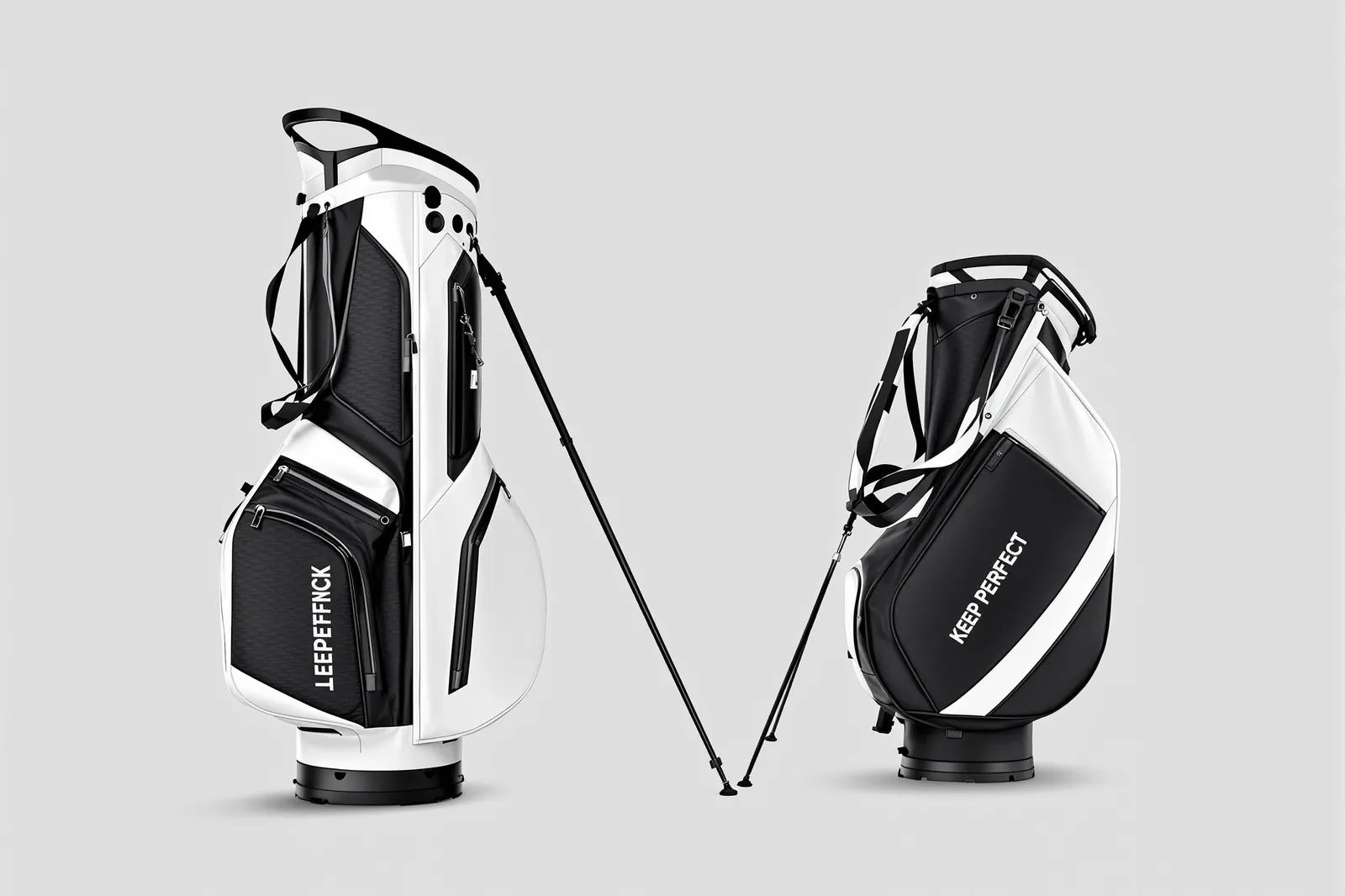
Pro-level luxury staff bags are built from a clear material palette: full-grain or top-grain leather trim and panels, a high-denier technical shell (typically ballistic nylon) for structure and weather resistance, and on-finished metal hardware in brass or zinc alloy — with carbon-fibre or metal accents playing a largely cosmetic, premium-signalling role. These materials raise weight and price, so they suit cart and caddie use more than shoulder walking. This guide is product knowledge for judging whether the luxury upgrade delivers what you actually need, without assuming any single manufacturing specialty.
The Anatomy of a Premium Staff Bag
A staff bag is the largest, most feature-dense bag in golf, and at the pro level its materials are chosen to project quality and endure tour life. The build layers a structured outer shell, genuine leather trims, solid hardware and refined inner organisation. Staff bags are predominantly cart or caddie carried, which lets them use heavier, richer materials free from the walker's weight penalty.
Understanding the material anatomy matters because it explains both the price and the trade-offs. For a fuller picture of what separates a pro-level bag functionally, our premium staff bag feature guide complements this material view.
Leather: The Signature Luxury Material
Leather is the signature of the luxury staff bag, usually applied as trim, accent panels, handles and name plates. Full-grain leather — the unaltered top hide layer — is the premium benchmark: strongest, most durable, and it develops a rich patina with age. Top-grain leather is buffed for a smoother, more uniform finish at slightly lower cost. Bonded or PU alternatives trade cost against durability.
Leather brings the heritage look that defines the category, but it is heavier and needs conditioning and protection from sun and rain. Buyers who treat a staff bag as a signature piece appreciate leather's ageing; buyers who want minimal maintenance might limit it to accents. For the full trade-off discussion, our premium leather golf bag guide goes deeper into care and grades.
| Material | Role on the Bag | Trade-off |
|---|---|---|
| Full-grain leather | Premium panels, trim, handles | Durable + patina, heavy & needs care |
| Top-grain leather | Smoother finish trim | More uniform, slightly lower cost |
| Ballistic / high-denier nylon | Main shell | Strong, weather-friendly shell |
| Metal hardware (brass/zinc) | Buckles, zipper pullers, feet | Premium feel, adds weight |
| Carbon / metal accents | Cosmetic trim | Signals premium, minimal function |
Technical Shell Fabrics
Under the leather, the structural shell is usually a high-denier nylon such as ballistic nylon, chosen for its abrasion resistance and ability to hold the bag's shape. Premium staff bags may use water-repellent or laminated versions to protect the bag and its contents in changeable weather. The shell does the heavy lifting on the course — the leather dresses it up, but the nylon keeps it durable and upright.
This layering is why a luxury staff bag can look premium yet still survive tour conditions: the real engineering sits in the technical shell and frame beneath the aesthetics. For how materials combine with structure, our golf bag material technology article covers the engineering side.
Hardware: Buckles, Pullers and Feet
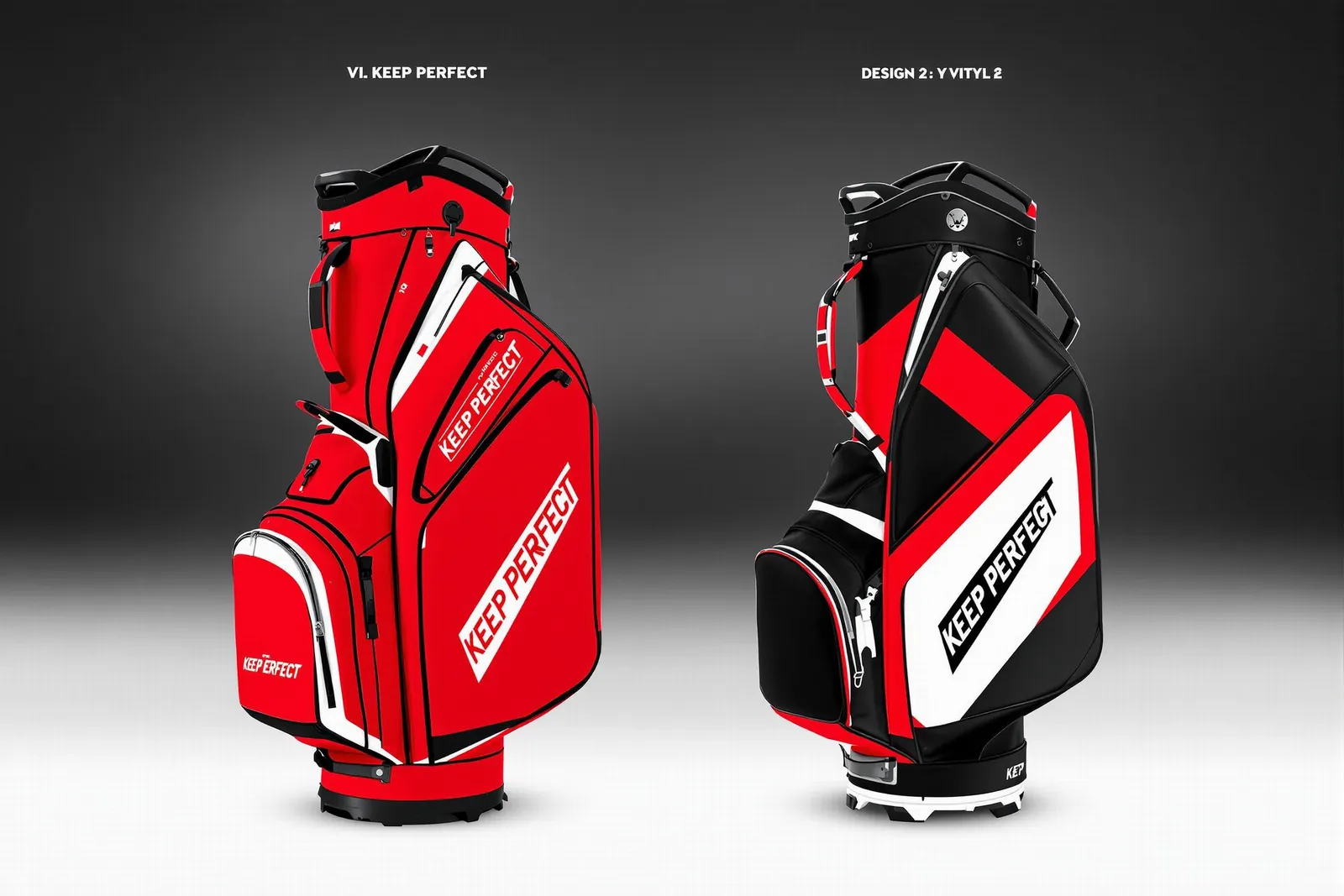
On a luxury bag, the hardware is a headline feature rather than an afterthought. Solid-metal buckles, branded zipper pullers and reinforced metal feet raise the premium feel and outlast plastic hardware. Metallic hardware matches leather visually and adds a tactile solidity that cheap fittings cannot replicate — but it does add weight, which is acceptable on a cart bag.
When evaluating hardware, check the finish quality and how it is attached. Quality hardware complements a premium bag; poorly anchored fittings undermine it. This is a place where craftsmanship shows and where a buyer's eye for detail pays off.
Weight and Practical Use
Luxury materials cost weight. Real leather, heavier technical fabric and solid metal hardware push a premium staff bag well above a functional synthetic bag, which is precisely why staff bags live on carts or with caddies. If your intended use is shoulder walking, a luxury staff bag is the wrong tool — a leather-heavy bag will be exhausting on foot.
Match the luxury to the use: cart and caddie golfers can enjoy the full premium material palette, while walkers should keep weight lower. Our staff bag size and weight guide puts the numbers in perspective.
Care of Luxury Materials
Premium materials reward proportionate care. Leather needs a soft dry cloth and occasional conditioning; hardware benefits from wiping and drying after wet rounds; the technical shell is largely low-maintenance. Store staff bags clean, dry and out of prolonged sunlight. With proper care, the leather develops a desirable patina while the technical shell and hardware hold their structure for years.
Care is the price of the premium. For the full routine that keeps a staff bag looking its best, our maintenance and care guide and staff bag storage guide are the practical references.
Building or Specifying a Premium Range?
Whether you are sourcing a luxury staff bag or a broad retail range, we help you compare material options, cost and durability transparently before you commit to a spec.
Compare Material Options →How Material Choices Drive Staff Bag Price
Material is the dominant cost driver on a luxury staff bag, because the differences between grades are real and compounding. Full-grain leather costs more than top-grain, which itself sits well above bonded or PU alternatives, and the gap grows with panel area and finish complexity. Metal hardware adds more than plastic. High-denier technical fabric costs more than standard cloth. Layering these, two staff bags of identical design can differ in cost by a wide margin purely on material specification, which is why a single "staff bag price" is meaningless without a full spec.
For a buyer this means the spec sheet, not the catalogue photo, is the truth. Confirm the leather grade, the shell denier and fabric type, the hardware material and the volume of each in the design before comparing prices. Our custom bag pricing and materials comparison map how each option moves the number.
Colourways, Trims and Monogramming
The finishing touches, not the base materials, are often what make a luxury staff bag feel special. Colourways range from understated tonal schemes to bold contrast piping, and the choice defines the bag's character as much as the leather grade does. Leather trims on straps, panels and edges frame the design, while metal accent details — zipper pullers, buckles, studs, branded plaques — raise the premium feel. Monogramming and embossing personalise the bag or put a team or sponsor identity on it, a staple of the pro-level category.
These decorative choices should not be an afterthought, because they are frequently the deciding factor in a buyer's emotional purchase and the visible proof of the premium price. Confirm them on a physical sample — colour accuracy, embroidery stitch quality and where the trims sit — because these are exactly the details that a catalogue image flatters and reality exposes. For how to specify decoration and branding that hold their quality at volume, our logo and embroidery guide is the practical reference.
How to Evaluate a Premium Staff Bag
When you assess a luxury staff bag, look past the branding at the substance: the leather grade and finish, the seam and stitch integrity at stress points, the hardware quality and anchoring, the base reinforcement and the divider layout. A bag that layers genuine materials with honest construction will age into a treasure; one that trades on an expensive badge alone will disappoint. For the functional features that should accompany the luxury materials, our staff bag compartments guide rounds out the picture.
Luxury Versus Performance: Reading the Trade-offs
Every luxury material choice is a trade-off between image and function, and the right answer depends on the bag's job. Heavy leather and metal hardware buy a premium look but cost weight and weather tolerance, which is acceptable on a ridden staff bag and wrong on a carried one. Waterproof or laminated technical shells buy all-weather reassurance but can read less "premium" to a traditional eye. Ballistic nylon buys real abrasion resistance that keeps a bag looking new through tour handling. A wise buyer decides which trade-offs matter for the actual use rather than chasing a uniform ideal of luxury.
For teams and players who spend long weeks on tour, function tends to earn more weight in the decision; for presentation pieces, image leads. Weigh both consciously. Our waterproof bag guide and durability analysis help you quantify the performance side of each trade-off.
Choosing Your Luxury Material Combination
Build your combination deliberately rather than from habit. Start from the bag's job and transport: a tour staff bag that rides for weeks rewards durable leather trim and metal hardware; a bag used across variable weather rewards a strong waterproof shell underneath. Match the leather grade to your display and care appetite, and use technical fabric as the strong foundation that structures the bag and survives handling. Then use colourways, trims and monogramming to carry the brand identity. Balance the mix so the premium reads in the materials and finish your users actually value, not in weight or fragility they will come to resent.
Getting this right is what separates a luxury staff bag that is admired and used for years from one that is expensive and impractical. Keep the priorities clear and let every material earn its place. For the functional companion feature set that should frame your build, our premium staff bag features guide closes the loop.
One more angle worth considering is how luxury materials interact with the practical realities of a working bag. A staff bag on tour is carried, hauled, rained on and displayed daily, and its materials must survive that abuse while still looking the part. This is why the most successful luxury staff bags pair genuine premium materials — leather trim, metal hardware — with a durable technical foundation that does the heavy lifting, rather than making every panel decorative leather that cannot take the strain.
At the same time, the brand story matters. For teams, sponsors and pro-level players, the materials are part of a consistent premium identity, and the choice of linen and hardware communicates a level before a single logo is read. Confirm, however, that the premium reads honestly: a genuinely premium construction that ages well beats a surface ornament that chips, tarnishes or delaminates quickly. Let the materials you choose carry their weight in beauty and durability alike, and the luxury staff bag becomes a longstanding asset rather than a short-lived showpiece.
The choice of luxury material is therefore not merely aesthetic but technical, and the best designs select each material for a reason. Full-grain leather is chosen where a durable, beautiful surface is wanted; machine-stitched technical webbing where strength and flex are needed; aluminium or stainless hardware where corrosion resistance and a premium touch matter; specific liners where club protection is the priority. Understanding why each material is used, rather than simply admiring the effect, lets a buyer or manufacturer specify a luxury staff bag that performs as impressively as it looks.
That deliberate material engineering is what separates a luxury bag that merely costs more from one that genuinely delivers more, and it holds across everything from the shell to the stitches. When you review a candidate bag, ask which material was chosen for each panel and component and what it does for the bag's durability, weight and feel, and hold the answer to a high standard. This design rigour defines the best pro-level staff bags, and it is the standard this guide has aimed to help you recognise, specify and evaluate.
The same discipline extends to the hardware, a category of detail where luxury staff bags either prove or betray their premium claims. Compare the zippers on a truly premium bag with those on a mid-market one and the difference is tactile: smoother action, heavier pulls, plating that does not flake, and teeth that mesh cleanly for years rather than skipping after a season. Metal hardware in brass, aluminium or stainless is chosen and finished to survive rain, salt air and constant handling while still looking precise, and genuine luxury homes in on this because hardware is what a user touches and what ultimately fails. Give the hardware as much scrutiny as the shell, and judge a luxury bag on components that have to perform as well as look rich.
How to Evaluate and Specify Luxury Materials Confidently
Evaluating a luxury staff bag well comes down to asking the right questions and reading the right evidence rather than being swayed by rich finishes at first glance. Ask which lining protects the clubs and how it absorbs impact; which outer material carries the load and how seams are constructed where the bag is stressed; which hardware resists corrosion; and what the expected service life of each component is under daily use. Pair answers with physical checks: press the panels, pull the zippers, flex the structure, weigh the empty bag and compare dividers against the club set. These are the checks that separate a genuinely premium build from surface artistry, and they give a buyer or designer the facts to specify luxury materials with confidence.
Clubbing the decisions together, the luxury materials used in pro-level staff bags are not a list of pricey names but a coordinated system of choices, each earning its place through durability, function and aesthetic. When those choices are made deliberately — a durable and beautiful shell, protective full-length dividers, corrosion-resistant hardware, a premium lining and stitching that outlasts the rest — the result is a bag whose luxury is real, verified and worth its price. And that standard, defined here, is exactly the one a team, sponsor or professional can rely on when they invest in the most-worn and most-seen piece of equipment in golf.
For a team or brand, the materials also carry practical consequences beyond the cosmetic. A premium shell and hardware are easier to keep presentable in the spotlight of televised rounds, they survive the logistics of travel and storage with their look intact, and they hold up to the daily handling of a caddie who may carry them for years. That service life directly lowers the effective cost of the bag over time and protects the brand's image on screen and in the field, which is precisely why serious teams treat material quality as an operational investment rather than an indulgence. Choose luxury materials that serve the schedule of real tournaments, not just the launch campaign, and the bag becomes a durable, working asset.
The final consideration is consistency. A luxury identity built on materials only holds if those materials are consistent across every bag in a fleet and from one order to the next, so confirm that fabric lots, leather finish and hardware are matched and that the factory can reproduce the same premium standard at volume. Consistent luxury is what lets a team furnish every player with an identical, polished bag and a brand present a uniform shoulder-to-shoulder image at every event — and it is the quality-controlled reproducibility that turns a striking sample into a dependable programme across hundreds of units.
Above all, approach luxury materials with the same clear-headedness you would any significant investment: identify what actually improves your experience or your brand, confirm the construction supports the premium, and budget the care the materials genuinely need. The finest leather, linen and hardware are wasted on a bag destined for neglect, just as they are underserved by a buyer who never asks how they perform. Ask the questions, run the checks, plan the maintenance, and the luxury staff bag earns its place as the professional, premium centrepiece of the bag — delivering on both image and function for every round it serves.
It is this convergence of beauty, protection and engineering that defines the pro-level staff bag at its best — a bag where every material choice is both visible and deliberate, where the whole outlasts its parts, and where the owner gets a premium that is experienced in the hand and on the course, not merely read on a label. That, in the end, is the difference worth paying for.
Across all of these choices runs one constant: the standard set at the start is the standard delivered at volume, so insist on matching material lots, verified construction and consistent decoration from the first sample to the last production unit. That reproducibility is what turns a single striking luxury staff bag into a repeatable, brand-shaping programme — and it is the final test of whether a pro-level build is genuinely engineered or merely decorated.
Sources
Sources
Frequently Asked Questions
- What materials are used in pro-level luxury golf staff bags?
- Premium staff bags typically combine a high-denier technical shell (often ballistic nylon) for structure and weather resistance with full-grain or top-grain leather trim and panels, finished metal hardware such as brass or zinc alloy buckles and zipper pullers, and occasionally carbon-fibre or metal accents for a modern luxury feel.
- What is the difference between full-grain and top-grain leather on a staff bag?
- Full-grain leather uses the top unaltered hide layer for maximum strength and a rich patina; top-grain is buffed for a smoother finish at slightly lower cost. Both are genuine high-quality leather; bonded or PU leather is a lower-grade alternative.
- Why are luxury staff bags heavier than standard bags?
- Because they use denser materials — real leather panels, heavier technical fabric and solid metal hardware — that add weight. This is why luxury staff bags are almost always used on carts or carried by caddies rather than shoulder-walked.
- Do luxury materials make a staff bag more durable?
- Quality materials generally improve durability: full-grain leather and high-denier nylon resist abrasion and can last for years with care, and quality metal hardware outlasts cheap plastic. However, leather needs maintenance and some luxury finishes may be less practical for heavy daily or wet-weather use.
- Are carbon-fibre accents on a staff bag merely cosmetic?
- Mostly, yes. On a bag, carbon-fibre is usually a cosmetic panel or trim that signals premium modern design rather than providing meaningful structural support. The functional strength comes from the shell, frame and seams underneath.