PING Golf Bags Professional Review 2025: Complete Analysis & Buying Guide
PING golf bags are analysed at factory level for construction, straps, materials and lifecycle, with an honest guide to how the Hoofer family is engineered.
A factory-level analysis of PING golf bags — construction, straps, materials, lifecycle — plus an honest guide to buying and an OEM comparison.
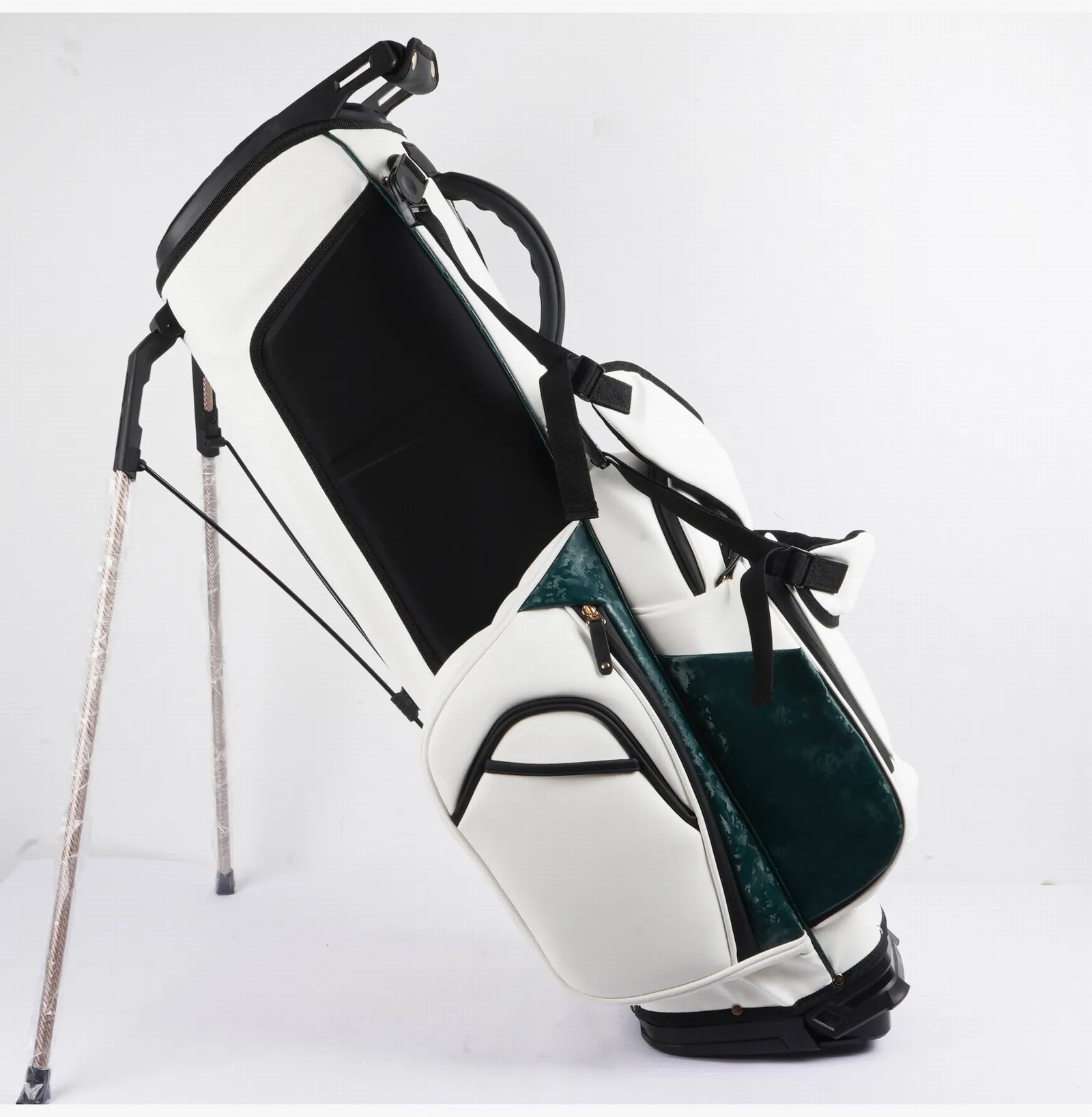
Table of Contents
- 1. Professional Verdict: What a Factory Sees in PING Bags
- 2. PING's Engineering-First Approach
- 3. Construction Deep-Dive: Shell, Seams and Base
- 4. The Padding and Strap System
- 5. The PING Lineup: Hoofer, DLX and Cart
- 6. PING Models Compared
- 7. Lifecycle, Maintenance and Value Over Time
- 8. Buying Guide: Match Model to Golfer
- 9. PING vs OEM Private-Label Bags
- 10. Related Reading and Sourcing Help
- 11. Frequently Asked Questions
- 12. Sources
PING golf bags are one of the most dependable, objectively-engineered bags on the market, and for a walker the Hoofer remains the professional recommendation in 2025. Here is the factory short answer up front: PING's strength is not a headline feature but its engineering discipline at the parts that fail on other bags — a balanced padded strap system, a robust base, a leg mechanism that locks predictably, and a 14-way divider layout that keeps clubs separated. The Hoofer 14 (around 5 lbs) is the walker's benchmark at roughly $280; the DLX line adds premium storage and trim starting near $320, and full-size cart models handle maximum gear for riders. Across the collection, construction is mainstream-to-premium and built to last several seasons, which makes PING's per-year cost genuinely low over a long ownership window.
PING's Engineering-First Approach
PING is unusual in golf for still being family-owned and proudly engineering-led. Where some brands chase fashion seasons, PING treats the bag as a piece of equipment to be refined over years. That culture produced the Hoofer — a bag introduced long ago, iterated carefully, and still recommended more than any competitor in the walking category. Consistency is the theme: PING evolves the proven design rather than discarding it for novelty.
For a buyer, engineering-first culture shows in low return rates and loyal repeat customers. Golfers who buy a PING stand bag tend to keep it for many seasons and then buy the same model again. From a retailer's ledger, that means stable demand and minimal warranty overhead compared with flashier brands whose bags chase weight or gimmicks at the expense of reliability.
The manufacturing implication is the same one we teach our own brand partners: fix the durable core first, then refine comfort and style around it. A bag engineered around its base, hinges, straps and dividers outlasts a bag engineered around its appearance. That ordering principle is the single most transferable lesson from PING's design culture, and it is why PING-style discipline is a valuable benchmark for any private-label program.
Construction Deep-Dive: Shell, Seams and Base
Under the fabric, PING bags are built the way we would want them built. The shell material is a quality polyester in the weight class that resists scuffs, light rain and mildew over years of use. The seams are finished to protect the edges, and the high-stress stitching — at the straps, the base and the divider openings — is reinforced so it does not pop after a season of daily loading and unloading.
The base deserves special attention because it is PING's quiet differentiator. A weak base is the classic failure point on cheap stand bags; PING fits a rigid plate and surrounds it with fabric that handles ground contact. That single decision explains a large part of the brand's durability reputation, because a stable base keeps the whole bag balanced and reduces stress on the frame and stand.
From a quality-control perspective, PING's tolerance for consistent production is another thing a factory notices. Bags come off the line uniform in stitching, zipper behavior and divider alignment — the hallmarks of disciplined QC rather than luck. For us it is confirmation that reliable construction is a process, replicable by any factory that institutes the same standards. That is the foundation of the OEM case for equivalent build quality.
Two details deserve particular attention when you inspect any PING-style bag. First, the zippers: quality zippers glide smoothly under load and are sewn into a reinforced tape so the slider does not tear out of the fabric under tension. Second, the divider openings: the shells around the tops of the dividers are finished so club grips slide in without snagging the liner. These are small things on paper but they are the difference between a bag that works for five years and one that fights you from the second season. PING executes both consistently across its range, which is exactly the standard a buyer should demand from any source.
It is also worth noting that PING produces in very high volume, which gives it purchasing power for consistent batch materials. A buyer considering a similar build from a smaller factory should therefore ask directly about material sourcing and incoming inspection — how raw fabric, webbing and hardware are checked before they meet the sewing floor. Volume itself is not a quality signal, but the discipline around incoming materials is, and it is one of the first questions we expect a serious procurement team to ask.
The Padding and Strap System
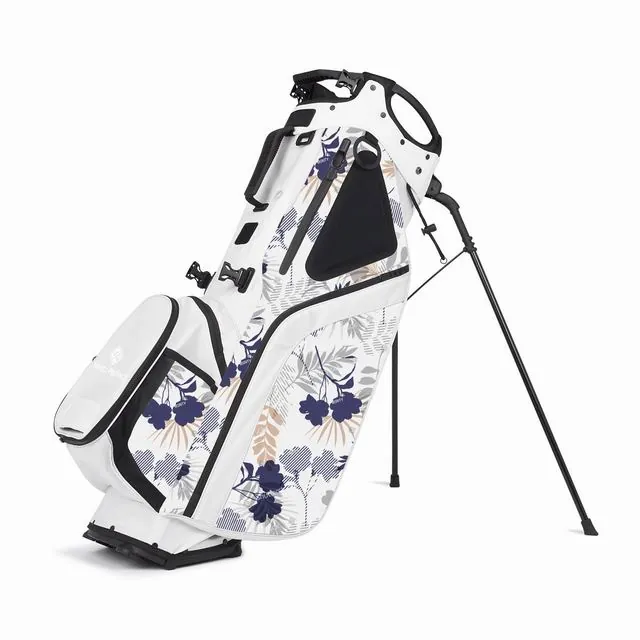
For a walking bag, the straps are arguably more important than the shell, because they determine whether 18 holes feel punishing or pleasant. PING's dual-strap system is a benchmark: both shoulders are padded, the straps are adjustable for a range of body heights, and the attachment points keep the bag sitting high and balanced rather than dragging low and lopsided.
Good strap design is easy to underestimate until you feel the difference. A bag that sits high with weight distributed across both shoulders causes far less fatigue than one that pulls to one side, and it keeps the clubs upright so nothing falls out mid-walk. PING invests in this geometry, which is why its bags remain comfortable across a full round for golfers of different sizes.
For buyers and fleet operators, verify that straps adjust easily and hold their setting. Adjustable straps that slip or fatigue quickly undermine an otherwise good bag, because walkers constantly re-tighten or endure uneven pressure. Test the buckle and webbing on any bag at purchase time, branded or private-label, so comfort does not quietly degrade as the hardware wears.
A factory perspective on straps adds one more caution: the padding density matters as much as its presence. Soft, spongy padding feels great in a shop but compresses after a few seasons and transfers weight straight into the shoulders. A firmer, denser pad holds its shape longer and distributes load more evenly over time, which is why professional fleets favor compression-resistant EVA-style padding even when a softer foam would feel plusher at first. If a bag is going to be used weekly for years, choose density the way you would choose a mattress — for how it feels in the sixth month, not the sixth minute.
Finally, the chest strap is a detail frequent walkers should not skip. A good dual-strap bag includes a sternum strap that keeps the two shoulder straps in place across the chest, preventing the bag from swinging side to side on uneven terrain. PING fits this on its carrying models, and any private-label carry bag for serious walkers should too. Without it, even a well-padded bag drifts when you lean forward on a hill, which is both tiring and awkward over 18 holes.
The PING Lineup: Hoofer, DLX and Cart
PING's current range is built around three practical directions, and choosing correctly avoids overpaying for unused features.
Hoofer Stand Bags
The Hoofer remains the walking staple. It pairs the proven leg system and padded straps with a 14-way divider and a balanced pocket set. It is the right answer for golfers who carry their own clubs most rounds.
DLX Series
The DLX line steps up in features and trim: richer pockets, upgraded fabrics and a more substantial build for golfers who want a high-spec carry bag to keep for many years. It is the premium interpretation of the Hoofer concept.
Cart Models
For riders and bag-boy use, PING's cart bags maximize storage and stability. These are heavier, hold more, and feature full-length or high-way dividers that protect grips and make club access easy when the bag is strapped to a trolley.
Within those three directions, PING also offers seasonal colorways and limited editions, which give the brand steady refresh appeal without changing the underlying engineering. For a retailer, that mix is attractive: a stable core product golfers recognize, refreshed often enough to draw repeat attention. It is also a reminder, however, that colors and accents are the layer that changes fastest and the layer with the least real functional value — so when you buy on your own behalf, judge the year-in, year-out function first and treat the colorway as a bonus, not a purchase driver.
One practical note for fleet and rental buyers: because PING is common, its bags are easy to service and accessories such as rain hoods, carry handles and luggage straps are widely available. That ecosystem reduces downtime when a component wears, which is meaningful in a commercial setting where a bag off the line is revenue lost. Brands that are niche can offer finer design but often force you to wait longer and pay more for spare parts, so availability is a genuine factor in high-usage environments.
PING Models Compared
The table below summarises the core directions of PING's line. Figures are approximate and vary by model year; confirm against the current product page before ordering.
| Model | Type | Divider | Weight | Use Case | Typical Price |
|---|---|---|---|---|---|
| Hoofer 14 | Carry stand bag | 14-way | ~5 lbs | Walking carry | $270–$320 |
| DLX | Premium carry | 14-way | ~5.2 lbs | High-spec walking | $320–$390 |
| Cart Bag | Cart bag | 14-way full-length | ~6.5 lbs | Riders, bag-boy | $300–$380 |
Read the numbers together rather than in isolation. A lower weight matters to a walker, but only if the base holds up; a higher pocket count matters only if the golfer actually uses the pockets. Match the spec to the routine, not to the largest figure in the brochure.
Lifecycle, Maintenance and Value Over Time
PING bags are designed for a long lifecycle, and the economics of that are worth stating plainly. A bag that lasts six to ten seasons delivers far more value per year than a cheaper bag replaced every two years. When you divide the purchase price by the years of real use, a dependable PING bag frequently turns out to be the more economical choice even though its sticker price is higher than a budget model.
Realising that lifecycle still depends on small habits. Empty the bag when it will sit unused, keep it out of direct sun for entire seasons, and address a stiff zipper or a slipping buckle early rather than renting with it. Wash the shell occasionally with mild soap and water instead of strong detergents that attack the coating. These are not PING-specific chores; they are the cost of keeping any quality bag in service, and our maintenance guide covers them methodically.
For fleet and rental operators, lifecycle is the whole business case. A fleet that invests in durable construction — whether PING stock or an equivalent OEM build — recovers its cost over dozens of rental rounds, while a fleet that buys the cheapest bag pays again and again in replacements and downtime. The principle is simple: in volume, reliability is the cheapest thing you can buy.
Storage habits also protect the longest-lived parts of a PING bag. When a bag is not in use between seasons, remove the clubs, loosen the straps and store it upright on its base on a shelf, avoiding the folded or hanging positions that stress the frame and flatten the padding. Keep it in a cool, dry space rather than a hot garage or damp basement. Zippers should be closed but not forced, and any hardware that feels gritty can be lightly cleaned and lubricated with a product made for zippers and buckles.
Handling the fabric correctly also matters. Many bags carry a durable water-resistant coating that degrades in the sun and under harsh wash chemicals. Spot-clean with mild detergent and a soft brush, rinse thoroughly, and air-dry away from direct heat. Avoid dry cleaning and strong solvents, which strip the finish and can stiffen or fade the material. Following these steps costs minutes but meaningfully extends the years of service, and they apply equally to branded or private-label bags.
Buying Guide: Match Model to Golfer
The professional buying guide for PING is short and practical. Start with how the golfer moves, then fit the model to the routine.
Walks every round and carries: the Hoofer (or Hoofer Lite for the weight-conscious) is the pick, with its padded straps and proven stand. If premium trim matters, step up to the DLX.
Rides or uses a push cart most of the time: a PING cart bag suits you better, with a full storage set and a stable base that seats well in a trolley.
Mixes walking and riding: a carry-capable crossover with a flat base gives you one bag for both worlds, the same flexibility advice we give for any brand when we assess walking versus riding bag choice.
A word on buying for a corporate or club program, where the decision is made once but lived with for years: define a small spec checklist before price shopping. Write down the expected golfers, the split between walking and riding, the number of seasons expected in service, and the spare-part expectations. Then evaluate PING and its alternatives against that same checklist rather than against each other. This keeps the comparison honest and prevents the classic mistake of paying for premium features nobody on the route will actually use.
Budget a realistic ownership cost rather than just the purchase price. Add expected replacement of straps or a hood over a multi-year horizon and factor in whether the bag will be resold or re-badged later. Because PING holds value decently, a well-kept bag can be transferred to a new golfer or second fleet rotation, which changes the arithmetic in its favor. At the same time, if customization and lower unit cost matter more than the resale name, the OEM route points the other way, and we lay out that trade-off for the whole market in the brand comparison hub.
Junior or smaller-frame player: look for a proportioned or lower-profile model so the bag fits the golfer rather than forcing the golfer to fit the bag, which matters for comfort and safety.
Finally, always weigh the bag empty and consider what a full set adds, and check the divider count against how many clubs are actually carried. Most golfers will carry 14 clubs; some hybrids only need a lighter, lower divider configuration. Buy for the real bag content, not the maximum marketing claim.
PING vs OEM Private-Label Bags: An Honest Comparison
Fairly comparing PING with an OEM private-label bag means separating brand equity, engineering and customization.
Brand equity is PING's real advantage. Decades of trust with walkers convert into sales that a newer logo cannot replicate. If the PING name matters to your customers, branded stock is the right call.
Engineering and build quality are achievable at parity by a capable factory. The strengths that make PING reliable — balanced straps, rigid bases, proven stands, disciplined QC — are standard production engineering. A well-built private-label bag performs comparably in daily use.
Customization is where OEM wins decisively. You control colors, logo placement, embroidery, foil, dividers, pockets and materials, which is impossible with retail brand stock and essential for clubs, courses, teams, events and new brands.
Many operators run both: PING stock for brand-loyal retail, OEM-built bags for everything needing a custom identity. To see PING measured against the wider market, our golf bag brand comparison hub is the natural next read.
Frequently Asked Questions
- What makes PING golf bags different from other brands?
- PING's bags are engineered around the durability core first, with a strong reputation for balance, padded straps and dependable stand mechanics. The brand is family-owned and engineering-led, which shows in practical long-life design.
- Which PING bag holds the most clubs and gear?
- The DLX cart-style models and full-size stand bags with 14-way dividers hold a full 14-club set plus pockets for layers, valuables and accessories. Choose a cart bag if maximum storage matters most.
- How long do PING golf bags last?
- With normal care, a PING bag typically lasts many seasons; owners often use the same Hoofer for a decade. Longevity depends on caring for the straps, base, zippers and stand mechanism, which are the major wear points on any bag.
- Are PING bags good value compared with other premium brands?
- Generally yes. PING prices in the trusted mainstream band, and because the bags are built to last, their per-year cost tends to be low. For budget-conscious programs, an OEM private-label bag offers similar build value with customization and lower cost.
- What is the difference between PING Hoofer and DLX bags?
- The Hoofer is PING's lightweight walking stand bag; the DLX is a fuller-featured, more robust line that adds storage and premium construction for golfers who walk and ride.
- Can I replicate PING-style construction under my own brand?
- Yes. QUANZHOU JUNYUAN BAGS offers OEM and ODM programs with a conventional MOQ of 200 pieces (test orders from 100), sampling in 10-20 days and bulk production in 45-60 days. Contact service@junyuanbags.com or +86 17750020688.
Sources
This review is based on the manufacturer's own production experience plus the following publicly available references for third-party product data:
- Ping – Official Bag Collection (official product line and specifications)
- MyGolfSpy – Best Golf Bag Testing (independent performance data)
- Golf Digest – Golf Bag Buying Guide (independent retail guidance)
- Golf Monthly – Best Golf Bags Review (category analysis and recommendations)
Published by QUANZHOU JUNYUAN BAGS, an affiliated custom golf bag factory serving 200+ brands across 100+ countries. For OEM or ODM enquiries: service@junyuanbags.com · +86 17750020688.