Premium Leather Golf Bags Guide: What to Know Before You Buy
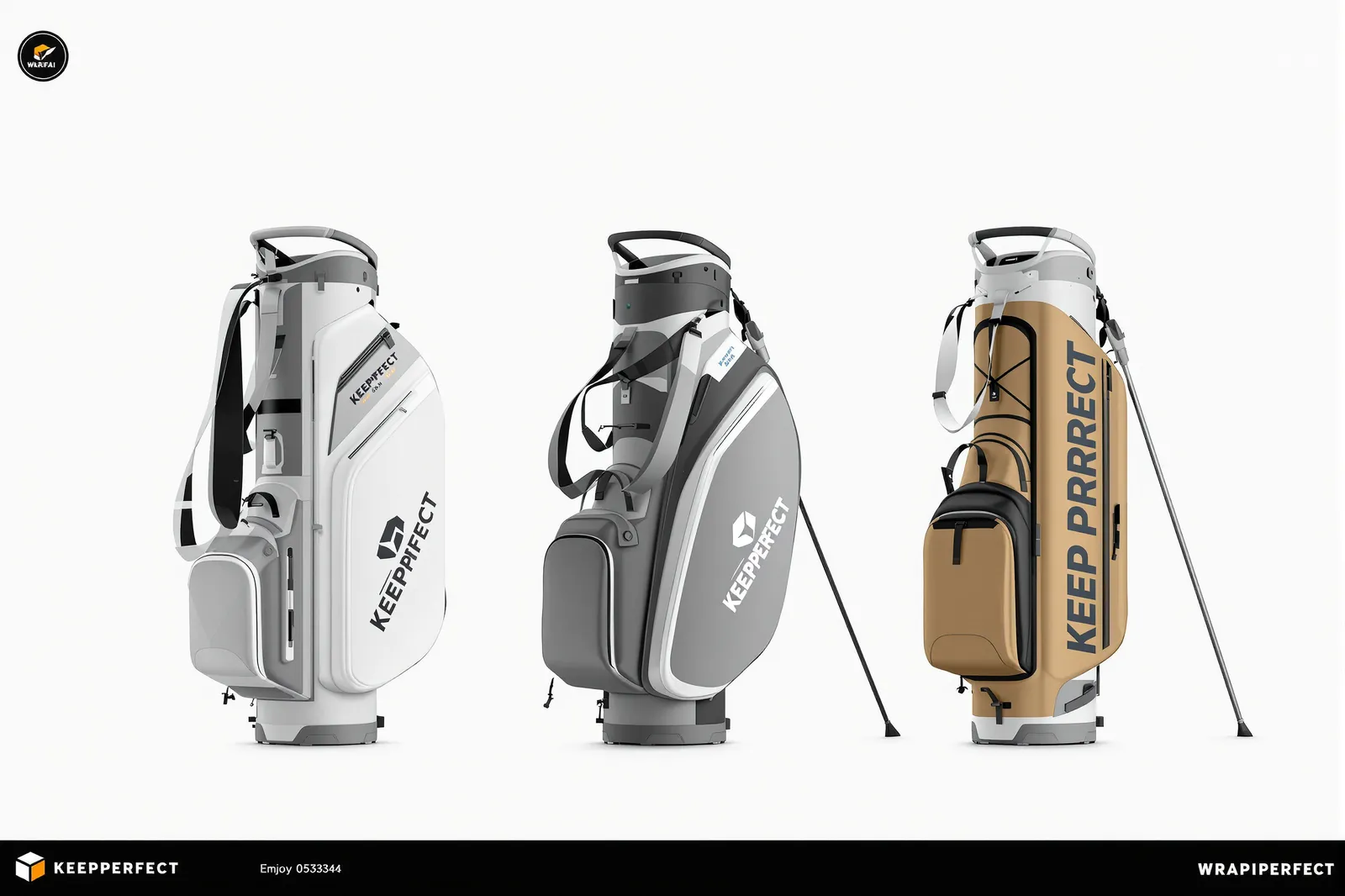
A premium leather golf bag is a statement piece: heavier than synthetics and higher-maintenance, but capable of outlasting them by years with a rich patina — with full-grain leather as the highest grade, top-grain the affordable premium option, and bonded or PU leather the low-cost compromise. This guide is product knowledge for buyers considering a leather stand, cart or staff bag, so you can judge value against your actual on-course habits. It focuses on the leather itself, durability, care and cost, and does not assume any single manufacturing positioning — every factory approaches leather differently.
Why Leather Ends Up on Premium Golf Bags
Leather has been the marker of craftsmanship in the golf world for decades, particularly on staff and tour bags where image matters as much as function. It conveys heritage, quality and seriousness in a way that synthetic fabric rarely does. As a material, real leather is strong, ages gracefully, and gains character over years of use rather than looking worn out.
But leather also brings real trade-offs: it is denser and heavier, more expensive, and needs care to look its best. Understanding these trade-offs is what separates an informed purchase from a stylistic impulse. This guide helps you weigh whether the premium is worth it for how you actually play.
Leather Grades: What the Labels Really Mean
Not all "leather" is equal, so the grade matters enormously. Full-grain leather uses the top, unaltered layer of the hide, retaining its natural character and forming the strongest, most beautiful patina; it is the premium benchmark. Top-grain leather is full-grain that has been sanded and buffed for a smoother finish — slightly more affordable and still high quality. Genuine/bonded leather and PU "leather" are lower-cost constructions using leather fibres or none at all, with far less durability.
When a bag advertises "leather", read the small print on the grade. A full-grain or top-grain cowhide with a quality finish is a genuine investment; a bonded or PU label is a different product entirely. Our materials comparison guide situates leather against the full range of bag materials.
Leather vs. Synthetic: An Honest Cost-Performance View
| Attribute | Premium Leather | Technical Synthetic (Ballistic NZ/PU) |
|---|---|---|
| Weight | Heavier | Lighter |
| Lifespan (with care) | 10+ years, ages well | 3-7 years |
| Weather resistance | Needs protection | Often waterproof |
| Aesthetics | Premium patina | Modern, technical |
| Maintenance | Regular conditioning | Minimal |
| Price | High | Moderate |
Neither is universally better; they are different tools. A golfer who walks wet, hilly courses faithfully will get more practical service from a technical synthetic. A golfer who treats the bag as an extension of a carefully curated image, and mostly rides or caddies, will find the leather premium worth it. For a fuller mapping across all shell materials, our budget vs luxury staff bag comparison is a useful companion.
Weight: The Practical Trade-Off
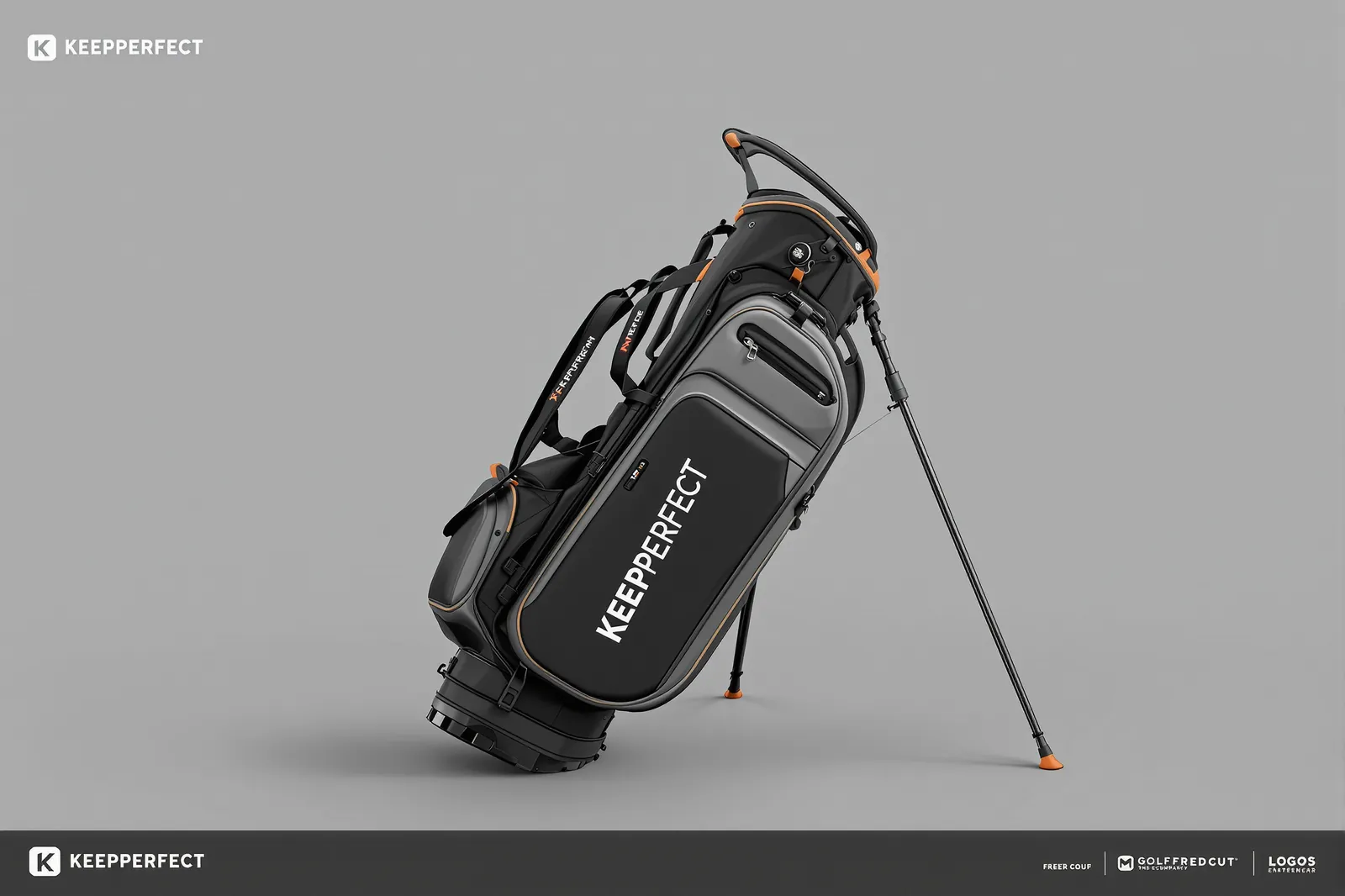
Weight is the most concrete consequence of choosing leather. Real leather is dense, so a leather staff bag is noticeably heavier than its nylon equivalent and is almost always used on a cart or carried by a caddie rather than shoulder-walked. If your plan is to walk and carry, verify the empty weight before committing — some golf buyers find a full leather carry bag too heavy for 18 holes on foot.
This is why leather appears most often on cart and staff bags, where the bag rides rather than being carried. For a deeper dive on what distinguishes staff and cart bags, see our premium staff bag feature guide.
How Premium Leather Ages
One of leather's greatest strengths is ageing well. Over years of use, full-grain leather develops a patina — a deepening colour and sheen that makes the bag look better with age, much like a good leather jacket or saddle. Scratches, too, often soften into the character of the piece rather than ruining it. For owners who value this, leather's longevity is the real value proposition.
For those who prefer a pristine, uniform look, this patina is a drawback rather than a feature. Knowing whether you will enjoy character or prefer consistency helps decide if leather is right for you.
Care and Maintenance for Leather Bags
A leather bag rewards regular care. Clean the surface with a damp, soft cloth; apply a quality leather conditioner two to four times a year to keep the hide supple; keep it out of prolonged direct sunlight, which dries and cracks leather; and dry it thoroughly if it gets wet, away from direct heat. Store it in a cool, dry place with good airflow, using a padded travel cover for journeys.
With this routine, a full-grain leather bag can serve for more than a decade. The zippers, seams and hardware typically warrant attention before the leather itself, which is a testament to the material's resilience. For the broader care routine that applies to every bag, our maintenance and care guide is the reference.
Comparing Materials for Your Range?
Whether you are weighing leather against synthetic for a retail line or need help structuring a broad bag portfolio, we give you transparent spec and cost comparisons to decide with confidence.
Compare Your Options →What to Look for When Buying a Leather Bag
When you do buy a premium leather bag, evaluate the construction as carefully as the hide. Look at how the panels are joined and stitched — double-stitched, reinforced seams at stress points matter because the leather outlasts thinner stitching. Check the zipper quality and hardware finish, the divider layout, and how the bottom of the bag is protected and reinforced, since the base takes the most wear. A leather bag is only as good as the hardware it is sewn with, and revisited base and handle reinforcement are the marks of a bag built to last a decade.
Is Premium Leather Right for You?
Summing up: choose premium leather if you value heirloom aesthetics, can accept the extra weight and maintenance, and mostly ride or caddie. Choose a technical synthetic if you walk and carry, play in wet conditions, or want minimal upkeep. Both are legitimate and the decision should follow your habits, not impulse. For help translating any material choice into a manufactured product at scale, our custom OEM/ODM guide walks through the full sourcing journey.
Leather Bag Types: Stand, Cart and Staff
Leather appears across all three main bag families, and each makes different sense. On a stand bag, leather is rare precisely because stand bags are meant to be carried — the extra weight works against the walker, so leather appears only as accents if at all. On a cart bag, leather-Trim panels and leather lids are more common and sensible, since the bag rides rather than being carried and can afford the weight. On a staff bag, full leather or heavy leather trim is traditional and most at home, because staff bags are ridden, caddied and displayed with image foremost.
So the practical rule is that leather's place correlates with how little the bag is carried. If you walk and carry, keep leather to small accents or skip it; if you ride or use a caddy, a leather cart or staff bag makes full sense. For the size and weight trade-off that drives this, our staff bag size and weight guide and weight analysis frame the carrying reality.
What You Get at Each Price Point
Leather pricing spans a wide band, and the money buys genuinely different things. At the entry of genuine leather, you typically get leather accents or panels on a synthetic shell — a leather lid, trim or nameplate that delivers the look at a manageable weight and cost. Stepping up, a full-leather construction in top-grain or full-grain means the whole case is leather, with the weight, durability and premium feel that entails. At every level, however, the hardware, zippers and seams matter as much as the hide, because a leather bag is only as good as what holds it together.
Some of the highest premium is for craftsmanship and finish rather than material alone: hand-finished edges, premium stitching, quality hardware and careful construction command a price even before the leather grade is considered. When you compare leather bags, look at what the money buys in finish and hardware, not just the hide, and match the level to how the bag will be used and displayed rather than to the badge alone.
Hardware and Construction to Examine
Because leather outlasts everything sewn into it, hardware and construction decide a leather bag's real lifespan. Examine the zippers — a premium bag uses high-quality, smooth zippers, since a seized zipper ends a pocket while the leather looks new. Check the seams at every stress point, especially where the leather meets the hardware and the base: reinforced, even, well-tensioned stitching is the mark of a bag that will not fail. Look at metal hardware — buckles, feet, zipper pullers — for solid material and secure anchoring, and confirm the base is reinforced and protected, because the base takes the most wear.
Pay attention to how leather panels are attached rather than merely covered by a logo. A bag whose leather is genuine and whose hardware is robust will last; one that trades on a leather badge with weak fittings will disappoint fast. This is the same construction logic that applies across bag types, and it is why our durability analysis and QC standards are as relevant to leather as to synthetic bags.
Leather, Travel and Transport
Leather and travel raise specific questions because airline and car handling are rough on a premium hide. For any travel, use a padded travel cover that cushions the bag and prevents scuffs, and remove or protect the clubs inside so nothing shifts and presses against the leather. In a car, position the bag so it does not rub against other gear, and never bake it in a hot boot — heat is the fastest way to dry and crack leather. After any wet or dusty journey, wipe the bag down and let it dry in a cool, ventilated place before storage.
Transport is where many leather bags take their worst damage, so treat the cover and stowage as non-negotiable rather than optional. For the travel-specific routine and cover guidance, our travel bag and cover guide and transport protection guide are the practical references.
Leather, Sustainability and Labelling
Buying leather raises questions about sourcing and sustainability that an informed buyer should consider. Look for leather from environmentally and ethically responsible sources — chrome-free or vegetable-tanned options, and hides from certified tanneries, are increasingly available and signal a more responsible choice. The Leather Working Group rating on a tanner is a credible signal you can verify, rather than trusting a marketing claim. All leather offers a sustainability argument in that it is a natural, long-lived material that can serve for a decade when cared for, offsetting its environmental footprint across a long use life.
Because the category is opaque, check the specifics: which tannery, what tanning process, and any sustainability rating. A bag with verifiable, responsibly sourced leather is the genuinely thoughtful purchase. Our sustainable materials comparison situates leather among the responsible options in the category.
Making the Final Purchase Decision
When you are ready to choose, weigh four things together: how the bag is transported (carry, cart or caddy), your budget and what it buys in leather grade and finish, your climate and willingness to maintain the hide, and the durability of the hardware and construction beneath. Only when all four align is the leather premium genuinely worth it for you. If you walk and carry, expect to keep leather minimal; if you ride and want an heirloom statement, invest in the grade and care. Choose with that logic and a premium leather bag earns its place in your game.
Even with the advantages laid out, the practical realities of leather ownership deserve emphasis so the decision is an informed one. Leather bags are heavier, and when they are carried, the weight multiplies the strain across a round; they demand storage that is dry and shaded and a routine of conditioning; and they are less forgiving of neglect than synthetic bags, which shrug off what would crack or stain a hide. These are not reasons to avoid leather so much as conditions of owning it, and a buyer who is honest about their own habits — how often they play, carry or ride, and how much maintenance they will actually do — will make the right call for them.
For many golfers, the sweet spot is a hybrid: a durable technical shell for the structure and weather resistance, with genuine leather used where it most matters — trims, handles, the lid or nameplate — to deliver the premium look and feel at a weight and care burden that remains manageable. This is the choice that most brands and manufacturers reach when balancing image, cost and practicality, and it is why genuine leather continues to appear as an accent on so many premium bags even when a full leather construction is unnecessary. Understanding that balance is the final, decisive insight of this guide.
As a final practical note for anyone comparing leather options, keep the source story in view. Responsible leather from a certified tannery is both a sustainability and a quality signal, and a bag whose hide you can trace to a Leather Working Group-certified source carries a credibility that a vague leather label cannot. Genuine full-grain or top-grain material, honestly graded and honestly finished, is the foundation of every lasting leather bag; the grade hierarchy of leather is one of the few places where better truly means more durable as well as more expensive. Wherever your budget sits, spending it on honest, graded, well-finished leather is almost never wasted.
Weighing everything together, the premium leather golf bag is a genuine category with real merits: durability, beauty and prestige for a buyer prepared to maintain it, and a poor fit for one who needs featherweight, all-weather practicality. Deciding well is simply a matter of being honest about your game, your climate and your care habits. Choose accordingly, care consistently, and a leather bag becomes not just your carry of choice but a long-serving piece of golf heritage you will not quickly part with.
It is also worth separating the leather from the rest of the bag in your evaluation, because the two age at different rates. The leather may still look beautiful long after a weak zipper or a fatigued seam has ended a pocket, so judge the bag by its whole construction, not just its hide, and buy the hardware up to the standard of the leather. On premium bags this is exactly where manufacturers differentiate: genuinely premium construction reinforces the base, uses quality zippers and suites of metal hardware, and double-stitches the seams that bear the load, so the bag ages as one durable whole rather than failing at a component while the leather still shines.
Keep an eye, too, on how the market treats leather over time. While synthetic bags rotate through trends and shortlifecycles, direct leather holds a steady premium because its appeal is durable hygiene and tradition, not novelty. A thoughtfully chosen, well-maintained leather bag holds its value and its place across many seasons, and owners often keep them for years or pass them on. That enduring appeal, more than any single feature, is the real argument for considering premium leather — and for choosing it with the care and honesty that this guide has encouraged throughout.
And for the buyer weighing premium leather against a handsome synthetic, it is worth noting that leather's advantages compound over time. Its perceived value does not fade with a season of fashion, its surfaces often look better with honest use and age, and its craftsmanship story stays compelling in a market crowded with disposable products. A leather bag is a considered purchase in a category where much is bought quickly, and for the golfer who wants a long-lived, characterful piece, it remains the clearest expression of that intent. Weigh its weight and care honestly, pair it with the right construction, and the premium leather bag earns its premium on every quiet, effortless round.
Sources
Frequently Asked Questions
- Is a premium leather golf bag worth the price?
- For golfers who want an heirloom-quality, premium look and are prepared to care for it, yes. Leather bags are heavier and need more maintenance than synthetic ones, but they develop a rich patina and can last many years. For wet-climate golfers or heavy daily use, a technical synthetic may be more practical.
- What is the best type of leather for a golf bag?
- Full-grain leather is the highest quality, strongest and develops the best patina; top-grain leather is more affordable with a smoother, buffed finish; bonded or PU 'leather' is lowest cost but least durable. Leather labels on luxury bags typically mean full-grain or top-grain cowhide, sometimes with a waterproof finish.
- Are leather golf bags heavy?
- Generally yes. Real leather is denser than nylon, so leather staff bags are noticeably heavier and are almost always used on cart or caddie carry rather than shoulder walking. If you intend to walk and carry, check the empty weight carefully or choose a lighter synthetic.
- How do I care for a leather golf bag?
- Clean with a damp soft cloth, use a leather conditioner a few times a year, keep it out of prolonged direct sunlight, and dry it thoroughly if it gets wet. Store in a cool, dry place and use a padded travel cover. Leather develops a patina with age that many owners value.
- How long does a leather golf bag last?
- A well-kept full-grain leather bag can last 10 years or more, outliving most synthetic bags. The leather itself is very durable; the zippers, seams and hardware are what usually need attention first. Regular conditioning and correct storage keep it looking its best.