Sustainable and Eco-Friendly Golf Bags: What Actually Matters

Truly sustainable and eco-friendly golf bags combine verified recycled or organic content, cleaner chemistry, durable construction, reduced packaging and a realistic reuse or recycling path — and they are available at a 200-piece MOQ with 100-piece test orders, sampling in 10-20 days and bulk production in 45-60 days.
As 'eco-friendly' becomes a crowded label, golfers and buyers increasingly ask harder questions: is the recycled content actually verified? Is the fabric safe? Will the bag last, or is it just marketed as green? This guide helps you separate a meaningful eco-friendly golf bag from a superficial one by breaking sustainability into measurable parts.
It is written from the perspective of QUANZHOU JUNYUAN BAGS, a Chinese golf bag manufacturer founded in 2014 (our founder entered the golf bag industry in 2004), which serves 200+ brands across 100+ countries from an affiliated factory. We explain what makes a bag eco-friendly in practice, what to check, and how to source one at sensible MOQ, cost and lead time.
What Actually Makes a Golf Bag Eco-Friendly
An eco-friendly golf bag is not defined by any single recycled percentage. It is the result of several traits working together: a verified recycled or organic shell and lining; safer chemistry in dyes, coatings and inks; durable construction that extends the bag's useful life; reduced and recyclable packaging; and a realistic pathway to reuse, repair or recycling at the end of its life. Each trait is independently verifiable. Recycled content shows up in a GRS or RCS certificate. Chemistry shows up in bluesign or OEKO-TEX data. Durability shows up in stress, abrasion and waterproof test results. Packaging and end-of-life are documented choices. A bag that assembles several verified traits is genuinely eco-friendly; a bag that only claims 'green' is not. Because these traits are checkable, buyers can compare bags objectively. The most reliable approach is to request the same five data points — content certificate, chemistry report, durability test, packaging spec and repair/recyclability policy — from every candidate supplier. Our eco-friendly buying guide turns this checklist into a step-by-step process.Recycled Content: What to Verify
Recycled content is the easiest claim to get wrong, which is why verification matters. A GRS-certified recycled polyester shell, for example, carries a certificate that traces recycled material from the mill through the supply chain, giving the recycled percentage a concrete basis. Common eco configurations range from 50% to 100% recycled polyester in the shell and lining, presented with the certificate. Recycled content can also apply to zipper tape, binding and some hardware. The key question is always: what percentage, and what standard substantiates it? Without certification, 'recycled' is an uncheckable promise. Responsible brands therefore insist on GRS or RCS documentation, and increasingly pass that documentation to their own customers. For the landscape of certified options, our sustainable materials guide explains each choice.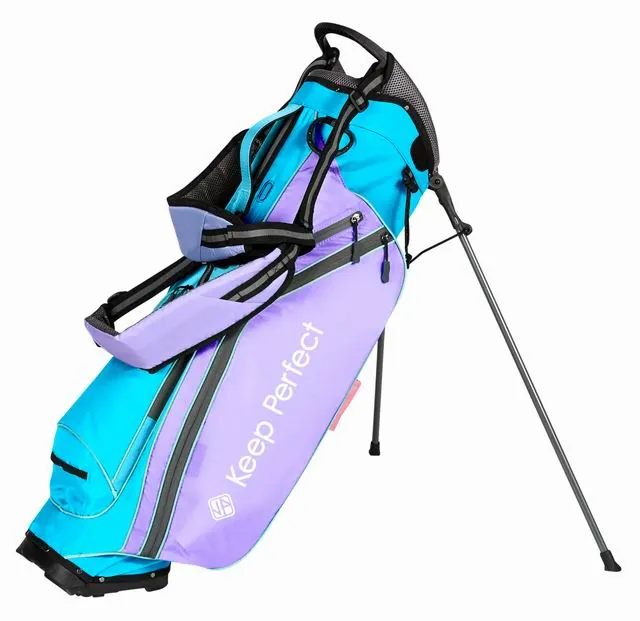
Chemistry and Safety: bluesign & OEKO-TEX
The fabric might be recycled, but what chemicals were used to finish it? OEKO-TEX® Standard 100 is a product-level test that screens fabrics and components against a defined list of harmful substances, so a certified golf bag is safe to handle, carry and store. This matters especially for linings that touch valuables and clothing. bluesign® goes beyond product testing to audit the entire production process, aiming to eliminate harmful substances and manage resources responsibly. When inputs carry bluesign certification, it signals that the chemistry was addressed at the source rather than merely tested at the end. Together, these give a golf bag credible safety and chemistry credentials. Ask your factory for the OEKO-TEX and bluesign data behind the fabrics and trims, and keep the reports with your product files. Our certification guide lists exactly what to request.Durability Is Sustainability
The most sustainable golf bag is the one that stays on the bag rack for years instead of being replaced. Durability is therefore not a separate luxury goal but a core part of eco design. A well-built bag delays the environmental cost of manufacturing a replacement, so strength and longevity reduce lifetime footprint. Recycled polyester at the correct denier does not sacrifice this. A GRS-certified 1680D shell carries the same load as a conventional one, and a solid strap and zipper system keeps the bag functional through seasons of play. Durability shows up in test data — strap stress, abrasion cycles, zipper count, tear strength — which a factory should share. Because our factory tests sustainable fabrics to the same standards as conventional ones, an eco bag does not trade away performance. You can see the checks in our quality control guide.Weather and Waterproof Performance in Eco Bags
Golf is played outdoors, so an eco-friendly bag still has to resist rain, humidity and dew. Recycled polyester takes coatings exactly like virgin polyester — PU or TPU laminates and durable water-repellent finishes — and the same seam-sealing and rain-hood engineering applies. Recycled content therefore does not reduce waterproof performance. This is a common concern buyers raise, and the answer is reassuring: the waterproofing is in the coating and construction, not the polymer origin. A rPET shell with a proper PU coating and sealed seams performs like a conventional one in wet weather. At the same time, greener coating and finish chemistry can be selected to align with the eco story. The result is a bag that is genuinely weatherproof and genuinely cleaner in its materials. Our waterproof technology guide explains the options.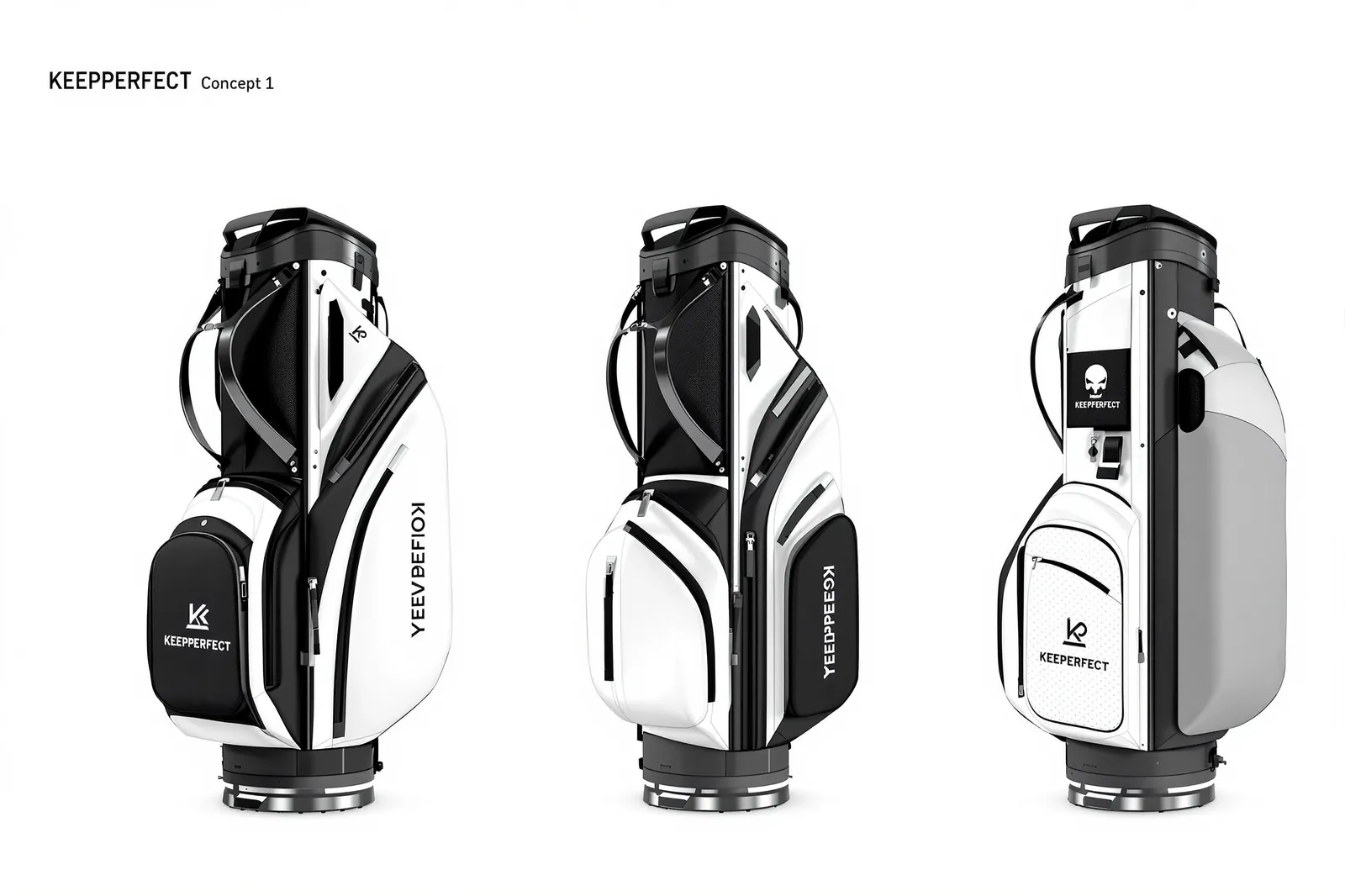
A Greener Box Around the Bag
Too often the bag is eco-friendly while its box is not. Packaging contributes real waste and shipping weight, so a complete eco proposition addresses the carton, polybag and internal fillers. Recycled and recyclable cartons, recyclable polybags and minimal foam inserts are practical starting points. Tight, efficient packing also lets more bags travel per container, cutting per-bag transport emissions and cost. Because packaging is cheap relative to fabric, these changes rarely raise the price and often lower it slightly. When you order, specify the packaging alongside the bag: ask for recycled content, reduced filler and recyclable materials. A supplier that treats packaging as part of the eco spec shows real commitment rather than box-checking. Our procurement guide covers how to consolidate these requirements.Design for Repair and Reuse
An eco-friendly bag is more sustainable if it can be repaired rather than replaced. Design choices that support this include replaceable straps, serviceable bases and zippers, and hardware that can be swapped. If a small repair keeps a bag in use for several more years, that is a major environmental win. Designing for reuse also means considering the bag's second life — as a travel bag, storage solution or hand-me-down. A neutral, durable design and easily serviced components make this realistic. While golfers cannot always send a bag back to the factory for repairs, choosing a design whose key parts can be maintained extends its life and lowers its footprint. This 'modular, repairable' thinking is a growing theme in our eco-friendly design guide.End of Life: Where Does an Eco Bag Go?
A truly sustainable bag has a plan for its final chapter. Fully separating the shell fabric, lining, hardware and zippers for recycling is difficult in a complex product, but design can make it easier: using compatible polymers in the shell, marking material content and minimizing mixed-material trim all help. Where recycling is not yet practical, a durable bag's best end-of-life option is extended use, donation or repurposing. Brands can encourage this through take-back programs, repair services or simply designing bags people keep. Honest communication about end-of-life matters for credibility. Rather than claiming '100% recyclable,' brands that describe the realistic path — recycled content up front, durability and reuse in the middle, and component recovery at the end — build far more trust than a hollow slogan.The Evidence-Based Shopping Checklist
When evaluating any eco-friendly golf bag, collect the same five documents from the supplier. First, the recycled-content certificate (GRS or RCS) for shell and lining. Second, the chemistry data (bluesign or OEKO-TEX) for fabrics and trims. Third, durability test results. Fourth, the packaging specification. Fifth, a description of the end-of-life plan. Workshop answers to concrete tests: what percentage of the recycled content is certified, and by whom? Is the waterproof claim documented? What coatings are used and do they meet restricted-substance limits? Are the hardware and trims restricted-substance compliant? Factories that are confident in their sustainability can answer these directly. QUANZHOU JUNYUAN BAGS, which completed a 2026 SGS factory audit, can provide material certificates and explain which standards apply to each sustainable option. Our about page describes our facility and compliance.Sourcing Eco Bags at Practical MOQ and Cost
Eco-friendly golf bags do not require container-load orders. At our factory, sustainable materials sit inside a standard custom MOQ of 200 pieces per design and colorway, with test order options from 100 pieces. That makes eco bags attainable for mid-size brands and safe to pilot. Sampling runs 10-20 days and bulk production 45-60 days, roughly the same timetable as conventional bags, with certified-fabric ordering as the main variable. Costs stay low because recycled yarn is a mainstream commodity and cleaner production reduces waste. This accessibility is why eco options are moving from niche to standard. A brand can convert an existing best-seller to a sustainable version, test it, and scale — all without re-engineering its supply chain. To start, request a sustainable quote from custom solutions at service@junyuanbags.com or +86 17750020688.Conclusion: Choosing a Bag You Can Defend
A genuinely eco-friendly golf bag is defense-able: you can point to its recycled-content certificate, its chemistry data, its durability test results, its packaging spec and its end-of-life plan. That is what separates credible products from greenwashed ones, and it is what modern buyers and golfers have learned to check. From the factory floor, the shift is clear. Recycled yarn is as standard as virgin now, cleaner chemistry is expected rather than optional, and durability testing proves an eco bag performs. Sustainability is no longer a premium afterthought — it is the baseline of a well-made golf bag. To build an eco-friendly golf bag you can honestly defend, define your claim, verify it with certificates and audits, and work with a manufacturer that states materials, MOQ and lead times plainly. QUANZHOU JUNYUAN BAGS (founded 2014, 2026 SGS audit) is ready to help at service@junyuanbags.com or +86 17750020688.What Today's Eco-Conscious Golfer Actually Checks
Today's eco-conscious golfer has learned to check a few concrete things. The first is recycled content: 'What percentage, and is it certified?' The second is safety: 'Is this bag clean to handle?' The third is honesty: 'Does the brand back its claim with something more than a leaf logo?' These questions reward documented products. For this reason, labels that state a certified percentage — '60% GRS-certified recycled content' — outperform vague slogans. A golfer who can verify a claim trusts it; a golfer who cannot is more likely to suspect greenwashing and take the purchase elsewhere. Retailers are absorbing the same scrutiny. Buyer onboarding increasingly asks for sustainability questionnaires, and pro-shop staff prefer products with easy, defensible answers. A bag built from verified eco materials gives both the retailer and the golfer the confidence the market increasingly demands.Two Lenses: Eco Materials in Stand vs Travel vs Cart Bags
Eco-friendly materials work across bag categories, but each emphasizes a different lens. A stand bag carried all round benefits from a strong recycled shell and lower weight; a cart bag can carry more recycled lining and trims; a travel bag rewards durable recycled construction that survives airport handling. For all three, the shell remains the sustainability anchor. A GRS-certified recycled polyester shell takes the abuse, while organic linings and recycled trims add the interior story. Waterproof travel bags keep performance through cleaner PU/TPU coatings rather than by adding material. You can build an entire category set from the same eco toolkit. Many brands order stand, cart and travel bags together as one sustainable collection, which spreads MOQ and shipping efficiently. Our product range shows how the categories combine into a coherent eco lineup.The Cultural Shift Behind Green Golf Bags
The rise of eco golf bags tracks a broader cultural shift in the sport. Courses are tightening chemical inputs, clubs are eager to showcase sustainability, and players — especially younger ones — choose brands that reflect their values. A golf bag is a public statement carried all round, so its materials read as identity. Manufacturers are responding by normalizing sustainable options rather than gating them behind premium lines. Recycled shells, organic linings and cleaner chemistry are becoming the expected baseline of a well-made bag, not a niche upgrade. Brands that get ahead of this shift gain a positioning advantage. They answer the cultural moment with a documented, durable product rather than a slogan. By pairing verified materials with strong durability, they give eco-motivated golfers every reason to choose them — a theme explored further in our sustainability guide.How Eco Credentials Differ Across Bag Types
Eco credentials map differently onto bag types. A stand bag's shell and straps carry most of its footprint, so a recycled shell and organic strap padding deliver strong verified content. A cart bag, ridden rather than carried, can add more recycled lining and trims without weight pressure. Travel bags face a durability test in airports, so recycled shells must be tougher and coatings more protective — sustainability must not compromise transit protection. Cooler or insulated variants add thermal components that have their own material story to verify. Whichever type you source, the shell remains the anchor and the verification set stays constant: recycled-certified content, clean chemistry, durability tests, packaging and audit. Matching the material to the bag's purpose is what makes a research claim honest across a full product line.Building a Resilient Sustainable Supply
A sustainable program is only as good as its supply. Certified fabrics, organic yarns and cleaner coatings come from a narrower supplier set than commodity polyester, so resilience matters. Work with a factory that holds approved suppliers and alternative sources to avoid single-source stalls. Lock in sustainable materials by planning ahead. Flag certified fabric needs at inquiry, approve the second source early, and coordinate ordering so sampling and bulk are not delayed waiting for a specific certified lot. This keeps the eco program on the same calendar as conventional ones. Resilient supply also stabilizes cost. With multiple approved suppliers, a factory can quote sustainably without captive-source premiums, protecting the buyer's budget. This operational reliability is part of why QUANZHOU JUNYUAN BAGS serves 200+ brands on repeat eco orders.The Brand Story Behind an Eco Golf Bag
The most effective eco golf bag tells a story a customer can repeat. It names the recycled source, the organic lining, the audited factory — concrete details that convert into confident product descriptions and retailer talking points. Specificity, not adjectives, fuels sell-through. Consistency matters across the story: marketing, packaging label and sales claim should all repeat the same verified facts. A mismatch between a big 'eco' headline and thin documentation is exactly what erodes trust in the category. Factory documentation feeds this story directly. When a manufacturer provides certificates and data with the order, a brand can build its narrative from fact rather than guesswork, keeping every claim defensible in the store and online.Avoiding Greenwashing and Building Real Trust
Greenwashing is the industry's reputational risk, and avoiding it is a competitive advantage. The test is simple: can every environmental claim be traced to a document and a percentage? If not, rewrite the claim until it can. This discipline protects the brand from the backlash that follows exposed overclaims. Real trust comes from transparency about limits as well as wins. Acknowledging that, say, some smaller parts still use conventional materials, while the shell is GRS-certified, reads as honest and wins more confidence than a blanket 'eco' claim. Consumers and retailers have become fluent in spotting greenwashing. A bag built from verified materials, with honest language about what is and is not sustainable, positions a brand as trustworthy precisely because it is precise.What to Check in an Eco-Friendly Golf Bag
| Eco Dimension | What to Ask For | Evidence | Why It Matters |
|---|---|---|---|
| Recycled content | % recycled in shell & lining | GRS / RCS certificate | Proves recycled share, prevents greenwashing |
| Organic content | Organic linings & trims | GOTS | Reduces pesticides, supports natural fibers |
| Chemistry & safety | Clean dyes, coatings, inks | bluesign / OEKO-TEX Standard 100 | Safe to handle, restricted substances controlled |
| Durability | Stress, abrasion, waterproof tests | Factory test reports | Longer life = lower lifetime footprint |
| Packaging | Recycled, reduced, recyclable | Spec sheet | Cuts waste and shipping weight |
| End of life | Repair, reuse or recovery plan | Design / policy | Completes the life-cycle story |
| Factory compliance | Facility-level audit | SGS social-compliance audit | Assures labor & environment practices |
Looking for a Reliable Sustainable Manufacturing Partner?
Build an eco-friendly golf bag you can genuinely defend: verified recycled content, clean chemistry, durability testing and reduced packaging. 200-piece MOQ, 100-piece test orders, sampling in 10-20 days, bulk in 45-60 days, backed by a 2026 SGS audit.
Request a Sustainable Bulk Quote →Frequently Asked Questions
- What makes a golf bag genuinely eco-friendly?
- It should combine verified recycled or organic content, cleaner chemistry (bluesign / OEKO-TEX considerations), durable construction, reduced packaging and a realistic path to re-use or recycling.
- How much recycled content is typical in an eco golf bag?
- Common configurations range from 50% to 100% recycled polyester in the shell and lining; a GRS certificate is the standard way to verify the recycled share.
- Is a more durable bag automatically more sustainable?
- Yes, in a circular sense. A bag that lasts years in active use delays replacement, which is why durability testing matters as much as the raw material.
- Are recycled golf bags less waterproof?
- No. Recycled polyester can receive the same PU or TPU coatings and seam sealing as virgin polyester, so waterproof performance is not reduced by recycled content.
- Can I order a small run of sustainable bags?
- Yes. Sustainable materials are available at a standard MOQ of 200 pieces, with test order options from 100 pieces to validate the line before scaling.
- How do brands prove their eco claims?
- Through third-party material certificates, component and product safety reports, and factory-level audits, such as the 2026 SGS audit at QUANZHOU JUNYUAN BAGS.