Top Trends in Golf Cooler Bag Design for 2026
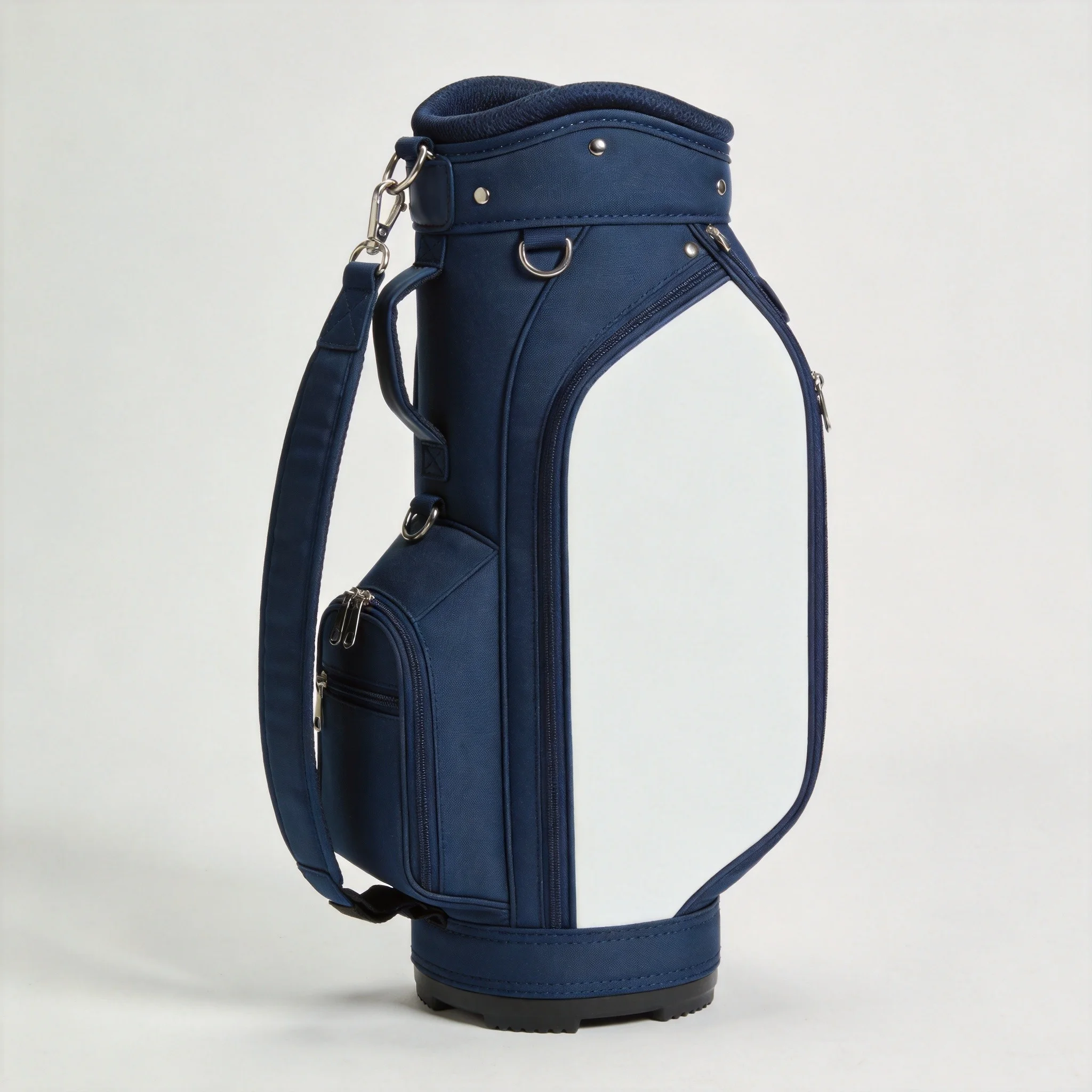
Golf cooler bag design in 2026 is defined by five converging trends: sustainable and recycled liners, higher cold-retention efficiency, coolers engineered into cart and stand bag architecture, fully sealed leak-proof interiors, and cooler pockets designed as branded promotional assets. The result is a cooler that performs measurably, carries a defensible sustainability story, and works as a marketing surface — all at once.
The Shift Toward Sustainability in Cooler Liners
Across the golf equipment industry, sustainability has moved from a niche appeal to a mainstream purchasing signal, and the cooler bag is a natural place to show it. Brands increasingly ask for recycled or bio-based closed-cell liners that keep the same cold-retention performance while carrying a credible environmental story. The key is that the closed-cell structure and the sealed interior, which actually govern thermal performance, are preserved regardless of the material source.
Designers are also cutting waste at the manufacturing stage, optimising cutting layouts to reduce foam offcuts and using recyclable reflective films. For a brand selling to courses, resorts and corporate clients, a cooler that pairs high performance with a defensible sustainability narrative supports both compliance with tightening materials regulation and the story that wins modern buyers. Specifying the liner's sustainable pedigree in writing turns a marketing claim into a verifiable one.
The sustainability trend is not limited to the liner. Recycled outer fabrics, water-based coatings and reduced packaging are all part of the same movement, and buyers increasingly ask for documentation across the whole bill of materials, not just the headline foam. A credible 2026 cooler can earn a genuine environmental advantage, but only when the claims are measured and traceable. That is why the strongest producers keep recyclability in mind at the design stage — choosing materials and constructions that are easier to separate at end of life rather than unpeeling later.
Higher Cold-Retention Efficiency, Not Just Thickness
The most significant engineering trend of 2026 is moving away from "more foam equals more cold" and toward smarter, denser insulation. Designers now combine closed-cell liners with reflective layers and better seam sealing to extend cold retention while controlling weight and internal space. The goal is 6-10 hours of reliable retention from a liner that does not steal cargo volume from the rest of the bag.
This matters enormously to the walker, who feels every extra gram at the end of a round, and to the rider who wants maximum can capacity. By engineering the liner rather than simply thickening it, factories deliver a cooler that performs better per unit of weight than the same bag from a few seasons ago. That efficiency is the quiet theme under every 2026 cooler bag design.
The engineering happens at the specification stage, not on the production floor. Liner density, the presence and position of the reflective film, and the sealing method are all decisions made when the design is briefed, and they are locked in long before the first stitch. This is why the most forward-looking buyers put their cold-retention target in the brief rather than asking the factory to improvise it. It is a specification that drives measurable performance and that an experienced partner can verify with a standardised test.
Coolers Engineered Into Stand and Cart Bag Architecture
Instead of a generic box bolted onto the side, 2026 designs integrate the cooler pocket into the bag's structural logic. The insulated zone sits low and central on a stand bag to keep the carry balanced, or in an easy-reach position on a cart bag where the golfer can grab a drink without leaving the cart. Integration also means a thermally separated zone, so cold air and condensation never reach the valuables or apparel pockets.
For manufacturers this integration is a test of pattern-making and layout skill, because the cooler pocket changes how every adjacent panel is cut and sewn. Getting the balance, the access and the thermal separation right together is what separates a well-designed 2026 bag from a marketing photo. Our golf bag types guide maps how these use cases differ across stand, cart and staff configurations.
The placement choice also affects how often the cooler is actually used, which governs whether it delivers value or sits neglected. A cooler buried behind three other pockets gets the least use; one placed at a natural reach point becomes a daily habit. Designers who have watched golfers on the course learn that accessibility drives satisfaction as much as retention, and it is precisely why integrated placement has overtaken the bolted-on cooler in the design briefs that arrive at a professional factory.
Fully Sealed, Leak-Proof Interiors as Standard
Consumers no longer accept a cooler that weeps condensation onto their grips and change of clothes. In 2026, a sealed, moisture-blocking interior is becoming a baseline expectation rather than a premium add-on. Sealed seams inside the pocket, a wipe-clean liner floor and a drainage or easy-clean design keep meltwater where it belongs and extend the life of both the cooler and the rest of the bag.
The leak-proof requirement is stated separately from the insulation one, because they are different jobs: insulation holds temperature, while a sealed interior holds moisture. A cooler that does both is the 2026 standard, and it is a simple specification to land when it is written into the brief from the start rather than discovered after the first rain or spill.
The sealing detail also protects the sustainability story, because condensation that soaks into the outer fabric shortens the bag's life and accelerates wear at seams and zippers. A sealed interior keeps the whole construction drier, which means the bag looks better for longer and genuinely lasts more seasons. Seen that way, leak-proofing is not just a convenience — it is part of the durability a modern brand promises its customers.
Capacity Engineered to Use, Not to Maximum
A major 2026 trend is replacing one-size-fits-all coolers with capacity bands matched to real usage. Personal bags of 6-12 cans suit the single walker; 12-24 can bags cover pair and standard play; and 24-36+ can group or all-day bags serve foursomes and events. Designing to the use case reduces the wasted weight and bulk of an oversized cooler while ensuring the right product for the right customer.
For a retailer or corporate buyer, this means building a range rather than a single SKU, which in turn concentrates volume across well-chosen designs and improves factory pricing. Matching capacity to how the bag is carried is the fastest way to raise satisfaction without spending a yuan on materials. The interaction of capacity and insulation is detailed in our capacity and insulation guide.
A range also lets a course or event mix giveaways, retail stock and premium gift items without duplicating tooling. The same brand story can be told across personal, standard and group sizes, so a tournament can hand out compact bags and still offer a larger all-day cooler for the clubhouse. Getting the banded range right early keeps later seasons simple, because the architecture, branding and materials carry across the sizes.
Cooler Pockets as Branded Promotional Assets
The cooler pocket has become one of the most visible and giftable surfaces on a modern golf bag, and 2026 design leans into that. Branding methods — embroidery, printing, woven labels and custom colourways — are planned into the design from the beginning rather than added on afterwards, so the logo sits cleanly and durably on the curved cooler panel. This makes the cooler a promotional asset for tournaments, corporate events, courses and resorts.
A branded cooler that works as both a functional product and a marketing surface gives a higher perceived value at a modest material cost. For organisers gifting coolers to players or clients, that combination is exactly what drives repeat requests. The result is a design discipline where the branding location is as carefully engineered as the insulation.
Deciding the branding method is part of the trend. Embroidery suits a structured logo on a flat panel, while printing reaches larger, more detailed artwork, and a mix of both can give a cooler a layered, premium look. Confirming the colour values and registration on a dimensional sample before production prevents the all-too-common batch that arrives with a logo sitting askew on the curve. For the full range of options and how they apply to cooler and bag panels, the branded ice bag campaigns guide is a useful reference.
| Trend | 2025 baseline | 2026 direction |
|---|---|---|
| Liner material | Standard PE foam | Recycled / bio closed-cell |
| Cold retention | 4-6 hours | 6-10 hours engineered |
| Waterproofing | Optional liner | Sealed interior standard |
| Capacity | One generic size | Banded to use case |
| Branding | Added after design | Planned into the panel |
Materials and Colour Trends for 2026
Beyond engineering, cooler bags are following the broader golf materials and colour direction. Fabrics are moving toward recycled yarns and matte, low-gloss finishes that read as premium and stay cleaner on the course. Colours are leaning to natural and muted palettes with a single strong accent, which photographs well and gives the cooler a modern, intentional look rather than a novelty one.
Colour psychology carries through into cooler design as it does into the wider bag. A well-chosen colourway signals the brand and shapes how the product is received, and the trend is toward coherence with the rest of the bag rather than a loud standalone cooler. For brands planning custom work, these aesthetics are covered in our colour psychology and design trends guide.
Durable Hardware and All-Day Construction
None of the 2026 trends matters if the bag fails structurally after a season, so durability engineering is running in parallel with the design upgrades. Handles and mounting points on a cooler are the highest-stress, hardest-working elements on the bag: a loaded cooler is both heavier and wetter than a dry pocket, and the stress concentrates where hardware meets fabric. Reinforced handles, heavy-gauge zippers and extra stitching at load points are becoming standard on quality 2026 bags.
This durability focus is also partly environmental. A cooler bag that lasts several seasons instead of one is, in practice, more sustainable than a lighter bag that must be replaced annually, regardless of what materials it uses at the start. Buyers are therefore weighing repairability and robust construction alongside recycled content, and factories are documenting their stitch and hardware standards to prove the bag will survive the rounds it promises.
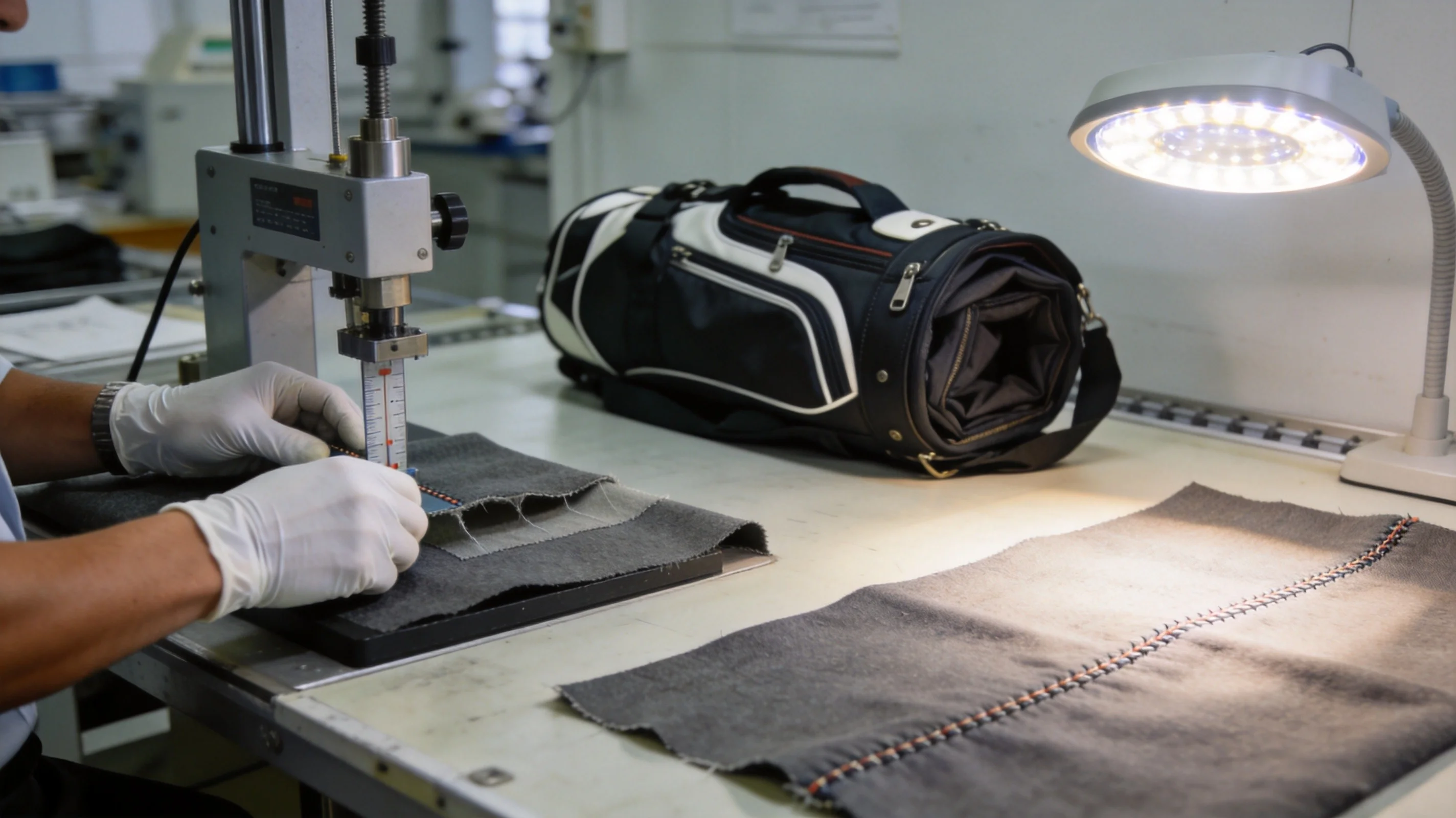
Rigorous testing underpins the claim. Seam-pull tests, zipper-cycle tests and repeated-load handle tests give a cooler bag a durability number that can be stated alongside its cold-retention figure, and the most credible factories share both. When a buyer sees a documented test programme rather than a vague "built to last", the 2026 trend of durability becomes something they can sell with the same confidence as a verified retention hour count.
Regional and Seasonal Variations in Cooler Design
A 2026 trend must work across very different markets, and cooler design is regional in ways the marketing rarely admits. In hot, humid climates the radiant load and condensation are severe, so a sealed interior and a reflective liner are non-negotiable. In temperate regions a lighter standard liner is perfectly appropriate and keeps the bag easier to walk with. Designers are tailoring the same base bag to these bands rather than shipping one configuration everywhere.
Season also shapes the trend. Tournament and corporate demand peaks with the season, and courses replenish stock to match. Buyers who plan cooler designs against their regional climate and their biggest events avoid both over-specifying for a mild market and under-delivering where it gets genuinely hot. Anchoring the design to the real conditions your customers face is what makes a 2026 trend feel like a genuine improvement rather than a fashion.
Before finalising any seasonal strategy, verify your target with a sample that matches the climate and use the result to set the liner specification. A course in a humid southern state and a resort in a temperate destination can carry the same branded design with different liners, which is precisely the kind of flexible engineering today's factories support. Keeping the shared design and swapping only the thermal package is the cleanest way to serve multiple markets from one programme.
Smart Features and Accessory Compatibility
Cooler design in 2026 increasingly coordinates with the wider accessory ecosystem rather than sitting as an island. Bags are designed so the cooler pocket coexists cleanly with rangefinder loops, magnetic accessories, insulated bottle sleeves and cart attachments, keeping the overall organisation coherent. On a trolley or cart, the cooler should mount and access without fighting the rest of the layout.
This coordination is a quiet but real trend, because golfers resent a bag where the cooler blocks another pocket or forces the equipment into an awkward reach. Designers are solving it by mapping the full pocket layout together, which also improves balance and weight distribution. The result is a cooler that feels like a natural part of the bag rather than an afterthought bolted on.
What the 2026 Trends Mean for Buyers
For a course, resort, retailer or brand, these trends translate into concrete sourcing decisions. Ask your supplier for a sustainable liner option, a documented cold-retention figure, a sealed leak-proof interior and the exact capacity band you sell into. Confirm the branding method that suits your designs and that the cooler integrates cleanly into the bag the golfer actually uses.
Because these are measurable and increasingly standard, they are also a reliable way to compare factories: the supplier that can demonstrate each trend with samples and test data is the one worth scaling with. The factory and quality criteria behind these decisions are laid out in our quality standards guide.
Keep the whole decision anchored to the two numbers your customer experiences — how long it stays cold and whether it leaks — and treat every design trend as the vehicle for delivering those numbers, never as a substitute for them. When sustainability, capacity and branding are layered onto a cooler that is measurably good at its core job, the 2026 approach is not just fashionable; it is commercially durable across seasons and markets.
Building a 2026-Right Cooler Bag?
Specify sustainability, cold retention and capacity now. Serving 200+ brands in 100+ countries. Standard 200-piece MOQ, 100-piece test orders, 10-20 day sampling.
Request a Custom Quote →Testing and Verifying the New Generations
Every trend, from sustainable liners to better insulation, must survive a standardised check before it earns a place in your range. Run a cold-retention test on a real sample, confirm the leak-proof interior under load and after a few days of use, and inspect the branded panel's registration and durability. A trend only becomes an asset when it is verified, not when it is printed on a spec sheet.
Keep a simple log of results across samples and seasons so you can spot drift before it reaches your customers. Sustainable or recycled liners should be checked for the same density and sealing performance as their conventional equivalents; the material source is a story, but the closed-cell structure and sealed seams are the physics that actually keep drinks cold.
Care That Preserves 2026 Performance
The newer liner materials reward the same care habits as the old. Empty and dry the cooler after every round, store the bag open, and avoid crushing the insulation under heavy gear. Clean the interior with mild soap and water and never expose it to harsh solvents that can degrade the foam or the reflective film.
Well maintained, a 2026 cooler bag keeps its retention and leak-proof performance for years and protects the sustainable story behind it. For the full routine that covers cooler pockets alongside the rest of your equipment, our insulated cooler bag maintenance guide walks through the steps.
Storage matters just as much as cleaning. Keep the bag away from prolonged direct heat and out from under heavy stacked gear, because a compressed or sun-baked liner loses both thickness and thermal performance faster than almost anything else. Seasonally, an empty, fully dried bag stored open in a cool cupboard will be ready for the next round without losing a degree of retention.
The golf cooler bag of 2026 is smarter, greener and more integrated than the product of a few seasons ago. By combining sustainable liners with engineered cold retention, sealed interiors, capacity matched to use and branding planned into the design, manufacturers deliver a cooler that performs, protects and promotes. For buyers, the winners adopt these trends deliberately and verify them with samples and tests, rather than chasing them as slogans. Get the fundamentals right, and every on-trend feature becomes a genuine competitive advantage instead of a talking point.
Sources
Frequently Asked Questions
- What are the biggest cooler bag design trends for 2026?
- Sustainable liners, higher cold-retention efficiency, coolers integrated into bag architecture, sealed leak-proof interiors and cooler pockets as branded assets.
- Are eco-friendly liners as effective as standard foam?
- Yes, when the closed-cell structure and sealed interior are engineered correctly; the material source differs but the performance physics are the same.
- What cold retention should a 2026 cooler bag deliver?
- 6-10 hours under a standardised warm-ambient test, from a dense liner with a reflective layer and sealed seams.
- How is cooler capacity changing in 2026?
- Design is moving to capacity bands — 6-12 can personal, 12-24 standard, 24-36+ group — matched to how the bag is carried.
- Can these trends combine with custom branding?
- Yes. Sustainable liners and engineered insulation combine with embroidery, printing and custom colourways at a standard 200-piece MOQ.
- Where can I see a 2026-standard cooler bag?
- Our insulated cooler range shows the trend formats, and a custom quote can be requested through contact for a tailored design.