Wholesale Golf Ice Bags for Golf Courses and Resorts

Golf courses and resorts order wholesale golf ice bags at a standard 200-piece MOQ per design, with a 100-piece test tier to validate the build, fit and branding before the full run; sourcing from a factory that can supply 200,000 pieces monthly across an affiliated 4,950 m² facility with 7 production lines, 126 sewing machines and 137 employees keeps fleets stocked on season. A wholesale insulated cooler lets a course equip rental carts, stock the pro shop, and give members and guests a branded amenity that improves the day — while a single, tested supplier keeps quality consistent across the whole programme. This guide walks buyers through the sourcing decisions from QUANZHOU JUNYUAN BAGS (founded 2014, founder in the trade since 2004, serving 200+ brands across 100+ countries).
For a venue whose business is the golfer's experience, the humble cooler is quietly strategic. A cold drink that stays cold to the 19th hole lifts satisfaction; a flimsy rental cooler that goes warm or leaks does the opposite. Buying wholesale turns that guest-facing detail into a repeatable, on-brand asset — provided the buying process is planned around volume, testing and seasonality. The sections below lay out a practical sourcing approach for courses and resorts.
Why Courses and Resorts Buy Coolers in Bulk
Courses equip their cart rental fleets with coolers so every round starts with cold drinks ready; resorts stock coolers for beachfront, pool and clubhouse service; pro shops and online shops carry branded coolers as retail stock; and tournaments use them as member giveaways and sponsor amenities. Each of these uses benefits from the same wholesale bundle — volume pricing, uniform quality and property branding that turns a utility bag into brand reinforcement.
Buying in bulk also protects continuity. A single season of summer play wears out rental coolers, and a wholesale programme lets a facility replenish the fleet and test new capacities without restarting vendor relationships each year. When the same factory fulfils all the programme's sizes and branding, the fleet looks consistent and performs consistently, which guests notice and remember.
How Wholesale MOQ and Vehicle-Test Works
The practical entry point for custom wholesale coolers is a 200-piece MOQ per design — enough to fill a rental fleet or a retail run — with a 100-piece test tier available to validate before committing to the full quantity. The test tier is the buyer's safety net: it confirms the build quality, the exact colour and logo placement, and the real-world fit on the property's own carts, so the full order ships without surprises.
That test-first model matters especially for courses. A cooler that looked great in a sample photo but slides on the cart, or whose print distorts on the final shell, is far cheaper to catch in a 100-piece run than across the whole fleet. Using the test tier on your actual carts and in a real round converts design intent into a product tailored to your venue. Our ice bag manufacturing standards guide explains how the tiers and inspection fit a full OEM programme.
Matching Fleet Sizes to Venue Demand
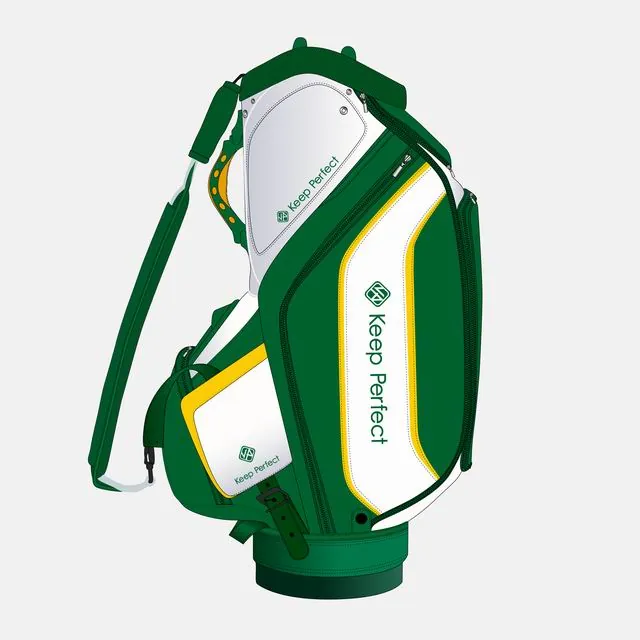
A resort with a large cart fleet and a busy pro shop needs a different stock plan than a small club buying a modest batch. Because wholesale orders begin in quantity, it pays to match the order to genuine demand: plan the rental fleet per cart, add a retail allocation for the pro shop, and hold a buffer for tournaments and peak season. Over-ordering locks capital in unsold coolers; under-ordering leaves the fleet short at the busiest time of year.
Laddering sizes and colours across the batch — personal coolers for single riders, mid-size units for shared carts, perhaps a larger model for the clubhouse — lets one wholesale order cover every use case with the same brand. Confirming the exact capacities against your carts (using our ice bag size guide) prevents buying a size that fits no one well. A plan matched to real demand makes the 200-piece order work hard across the season.
Branding, Colour and the Pro Shop Look
For a course or resort, the cooler is as much signage as it is gear. Logos, property names, club crests and resort monograms transform a utility item into a branded keepsake, and the print needs to hold through sun, rain and repeated use. Wholesale orders accommodate screen printing, heat transfer and embroidery-substitute decoration depending on the shell material and desired finish, and a good factory helps you choose the method that best matches your logo and the fabric.
Colour choices play to the venue too — classic club colours, resort neutrals or a bright tournament accent. The consistent look across cart, pro shop and event stock builds a recognisable identity, which is why a property that brands its coolers usually has guests asking where to buy one. The corporate event cooler guide and custom printed cooler MOQ guide cover branding choices in practical depth.
Meeting the Insulation and Retention Spec
A wholesale cooler for course and resort use must defend its cold through guest-heavy days. Specify 12-20 mm closed-cell insulation in walls and lid, a sealed leak-proof liner, and the 8-12 hour cold-retention window under stated conditions, then confirm the factory holds that on sample and in the test tier. For hot-climate resorts serving beach and pool guests, the higher insulation range and frequent pre-chilling make the retention spec a genuine guest-experience feature.
Because guests are not conservationists — they open the bag frequently and leave it in the sun — the spec should be set conservatively for heavy-use volume. A fleet bag rated for a full round under realistic opening is what keeps complaints down and satisfaction up. Our cold retention guide and insulation materials guide give venues the numbers to specify with confidence.
| Use Case | Typical Capacity | Key Spec | Order Note |
|---|---|---|---|
| Cart rental (single) | 9-12 litres | Slim, quick-release mount | Validate fit on your carts |
| Shared cart / pairs | 15-20 litres | Rigid base, balanced load | Test-tier the mount |
| Pro shop retail | Varied ladder | Strong branding, giftable | Stock buffer for peak season |
| Event giveaways | 8-10 litres | Event logo, compact | Order ahead of season |
Production Capacity and Lead Times
Seasonal demand means lead time is a sourcing issue, not just a production one. A factory with real throughput — ours runs 7 production lines, 126 sewing machines and 137 employees turning out about 200,000 pieces a month from an affiliated 4,950 m² facility — can absorb a course's seasonal order alongside other lines without constant slippage. Confirming current lead, capacity headroom and how the factory sequences large orders tells you whether your fleet arrives before peak season.
Bulk cooler production is a serialised process: material cutting, sewing, insulation fitting, lining, hardware and final inspection, each step with its own quality check. Buying from a factory that controls the whole line, rather than assembling from scattered suppliers, reduces the risk of one weak link delaying the season. We plan bulk production to clear peak demand deadlines, and the ice bag buying factors guide and durable cooler guide help you weigh durability and capacity against lead time.
Quality Control and Inspection Across the Batch
Wholesale quality is a sampling discipline across the run, not a single lucky sample. A three-stage inspection — in-process checks during sewing and insulation, then a final AQL-sampled inspection before packing — protects a fleet from isolated defects reaching guests. Because every unit goes to a cart or a shelf, a couple of leaking or badly-sewn coolers visible to guests hurts the venue's reputation out of proportion to their number.
Confirm the factory's inspection standard and its AQL sampling level, and use the test tier to validate that standard on your actual order before the full run proceeds. Independent verification adds a layer of confidence: our affiliated facility passed SGS verification in March 2026, closing the loop between the factory's own checks and a third-party audit. Knowing the inspection methodology in advance lets a buyer plan the fleet knowing what will land. Our quality control testing guide and factory certifications guide walk through the checks.
Plan Your Fleet Order for the Season
Tell us your cart count, capacities and branding and we will structure a fleet plan around the 100-piece test tier and the 200-piece wholesale MOQ. Validate on sample, scale with confidence.
Request a Wholesale Quote →Cost Modelling a Wholesale Cooler Programme
Wholesale economics reward planning. The per-piece price improves as volume climbs toward the full allocation, decorations add a predictable per-piece cost, and shipping is most efficient when a season's stock ships as consolidated units rather than dribbled re-orders. A well-priced programme stacks these savings: one plan, one shipping window, one consistent product, and no premium spent topping up gaps mid-season.
Spreading fixed set-up and decoration costs across the 200-piece run also lowers the landed unit price, which is why retiring a design entirely and starting fresh is costlier than a well-run annual rebuy. Keep a stable core spec, add seasonal colours as a test tier, and let the wholesale quantity work for the budget. Our MOQ and cost guide breaks down the unit-cost levers in more detail.
Seasonal Planning and Replenishment
Cooler demand follows the golf calendar, and a wholesale programme should be timed to it. Summer is the peak, but resorts serving winter-season or year-round sunshine destinations plan on continued replenishment, while courses that hold spring and autumn tournaments add short, targeted runs for events. Building a rolling replenishment schedule — confirm the base fleet before the busy months, add a tournament batch ahead of each event — keeps stock aligned to demand without over-buying.
Replenishment also favours a stable core spec. If every re-order is the identical design, the course avoids re-negotiating specs and re-testing from scratch, and the factory can slot the re-run into production faster because tooling and patterns are unchanged. Keeping a core programme, layering on seasonal colours as smaller test-tier additions, and ordering ahead of the peak window is the operational pattern that makes wholesale supply chain reliable year after year. Our cooler design trend guide gives venues fresh options to refresh the core spec each season.
Shipping, Packing and Consolidation
Wholesale freight is where planning pays back in pounds, not just pence. Because fleet coolers are volume-heavy, packing efficiency and consolidated shipping control the landed cost. Confirming carton sizes, unit stacking and whether the run can ship as consolidated cartons rather than loose stock reduces freight per unit meaningfully. A factory that packs coolers tightly and stably — protecting the rigid bases and hardware in transit — delivers more usable product per container.
For a busy venue, staggered delivery can be useful: the base fleet arriving ahead of peak, a tournament batch landing just before the event. Agreeing a shipping plan with the factory that matches the seasonal calendar prevents the two classic failures — everything arriving too late, or all of it arriving at once and piling up in storage. A clear packing and dispatch schedule, planned at order time, is what turns a container of coolers into a smoothly received seasonal stock.
Sustainability and Longevity in a Fleet
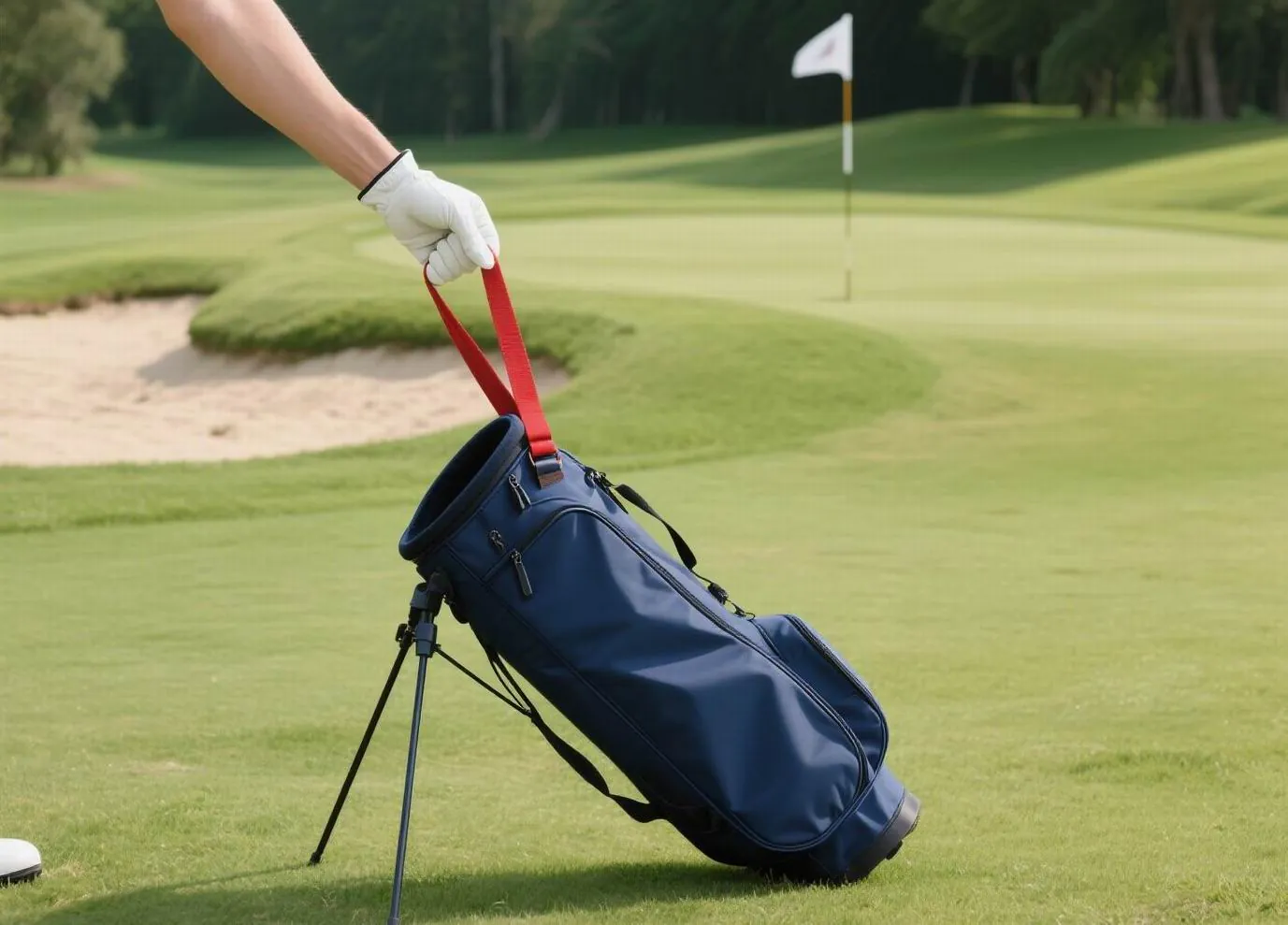
Courses and resorts increasingly want a cooler programme that reflects their sustainability story, and fleet longevity is a big part of it. A bag built to last several seasons — durable shell, sealed liner, reinforced seams and quality hardware — keeps fewer replacements out of landfill per year, and a reusable cooler promotes itself as the alternative to single-use chill bags and disposables handed out at events. For venues positioning themselves as environmentally responsible, that is a marketing message as much as a purchase decision.
Materials can reinforce the story: responsibly sourced fabrics, coatings selected for durability, and packaging kept minimal and recyclable all contribute. Because a course's ethos is visible in what it hands guests, a programme that pairs longevity with thoughtful materials gives members a cooler they keep and reuse, and a reason to mention the venue's standards. Our cooler care guide and all-day cooler guide cover the maintenance and durability practices that extend fleet life.
A Worked Fleet Programme: From Test Tier to Full Season
Bringing the approach together shows what a wholesale order looks like in practice. A resort with a 40-cart fleet and a busy pro shop might start with a 100-piece test tier of its mid-size 15-litre cooler, branded with the resort monogram, validated for cart fit and print clarity on real carts over a few weeks. Satisfied, it confirms the full 200-piece allocation per design — adding a personal 10-litre model for the pro shop and a compact event cooler for tournaments — consolidated on one shipping window ahead of summer.
Across the affiliated 4,950 m² facility, the run proceeds through cutting, sewing, insulation fitting and finishing across the 7 production lines with 126 sewing machines and 137 staff, checked at three inspection stages and pre-shipment AQL sampling. The resort receives a consistent, on-brand fleet that mounts straight onto its carts, holds cold for the full round, and reads as a deliberate part of its identity — with the test tier having removed the guesswork before the full quantity ever shipped. That is the wholesale path done well.
Staff, Clubhouse and Guest Amenity Uses
Beyond the cart fleet, the same wholesale cooler programme serves the whole property. Course marshals and cart staff use compact coolers on duty to stay hydrated through long hot shifts; the clubhouse keeps a stock for members and locker-room amenities; caddie and halfway-house teams use insulated trays and coolers to serve refreshments at the turn. A single branded programme that covers these uses gives the venue a cohesive look from the fairway to the clubhouse lounge.
Consolidating staff and amenity coolers into the same order as the guest fleet spreads the volume across the MOQ and unifies the image guests see everywhere. When the same monogram appears on the staff coolers, the pro-shop stock and the event giveaways, the brand reads as thorough and intentional. The cart mount design guide and the custom branded ice bag guide describe how one visual identity carries across a full venue programme.
Understanding What Drives Wholesale Unit Cost
Wholesale pricing feels opaque until you know the levers behind it. The biggest is design complexity: extra pockets, exotic hardware, unusual shapes and multi-material builds raise both material and labour cost per unit. Next, decoration — a full-coverage print costs more than a small logo, and complex multi-colour placements take more setup and time. Material choice matters too: premium coated shells cost more than basic fabric, and thicker insulation adds cost that buys the retention guests feel.
Then come volume, packaging and freight on top. A buyer who locks a stable core spec, keeps decoration sensible, chooses proven materials and consolidates shipping gets the most performance for the budget. Recognising that a small spec change can shift unit price by a meaningful margin lets a course decide where to spend — protecting retention and build strength where guests notice, and saving where they do not. Our MOQ and cost guide and wholesale stage guide break these unit-cost levers down further.
Frequently Asked Questions
- What MOQ do factories set for wholesale golf ice bags?
- A standard tier is 200 pieces per design for custom wholesale orders, with a 100-piece test tier to validate build, fit and branding before the full run. MOQ can vary by decoration and volume.
- How should a course size its first order?
- Plan the rental fleet per cart, add a pro-shop retail allocation and a small event buffer, then ladder capacities (single, shared, clubhouse) under one brand to cover every use case.
- What insulation should a fleet cooler have?
- Specify 12-20 mm closed-cell insulation in walls and lid, a sealed leak-proof liner, and an 8-12 hour cold-retention window. Hot-climate courses should favour the higher end and heavy pre-chilling.
- Why use the 100-piece test tier?
- It validates build quality, exact branding and real-world fit on your own carts before the full run, which is far cheaper than correcting a fleet-wide problem after production.
- Can the coolers carry venue logos?
- Yes. Wholesale orders support screen printing, heat transfer and logo placement depending on the shell material, so club crests, property names and resort monograms print cleanly and hold through course use.
- How do I confirm batch quality before shipping?
- Confirm the factory's three-stage inspection and AQL sampling level, validate on the test tier of your own order, and look for independent verification such as SGS so the whole fleet ships to a verified standard.
- Can I consolidate staff and guest coolers in one order?
- Yes. Bringing staff, pro-shop and guest coolers into one programme spreads volume across the MOQ, unifies the brand, and simplifies shipping into a single seasonal plan.
- How do I keep wholesale unit cost down?
- Hold a stable core spec, keep decoration sensible, choose proven materials, and consolidate shipping. A small spec change can shift unit price meaningfully, so spend where guests notice and save where they do not.
- Is there a minimum batch for one decorated design?
- The standard is a 200-piece MOQ per design, with a 100-piece test tier to validate before the full quantity. Multi-design or multi-colour runs may each require their own threshold.
- How far ahead should a course place its seasonal order?
- Order well ahead of the peak window — commonly several months before summer — after validating a test tier. Confirming current production lead and capacity headroom at the factory keeps the fleet from arriving late.
Wholesale golf ice bags give courses and resorts a repeatable, on-brand amenity that keeps guests' drinks cold and their rounds comfortable. With a 200-piece MOQ, a 100-piece test tier, matched capacities, proven insulation and a factory that can meet seasonal volume, a venue turns a simple cooler into a dependable part of the guest experience — season after season.
To plan your fleet order around capacities, branding and seasonal lead times, contact QUANZHOU JUNYUAN BAGS at contact, service@junyuanbags.com, or WhatsApp +86 17750020688. Explore the golf cooler bags range or the custom solutions page to begin.