Best Waterproof Golf Travel Bags for Airline Check-In
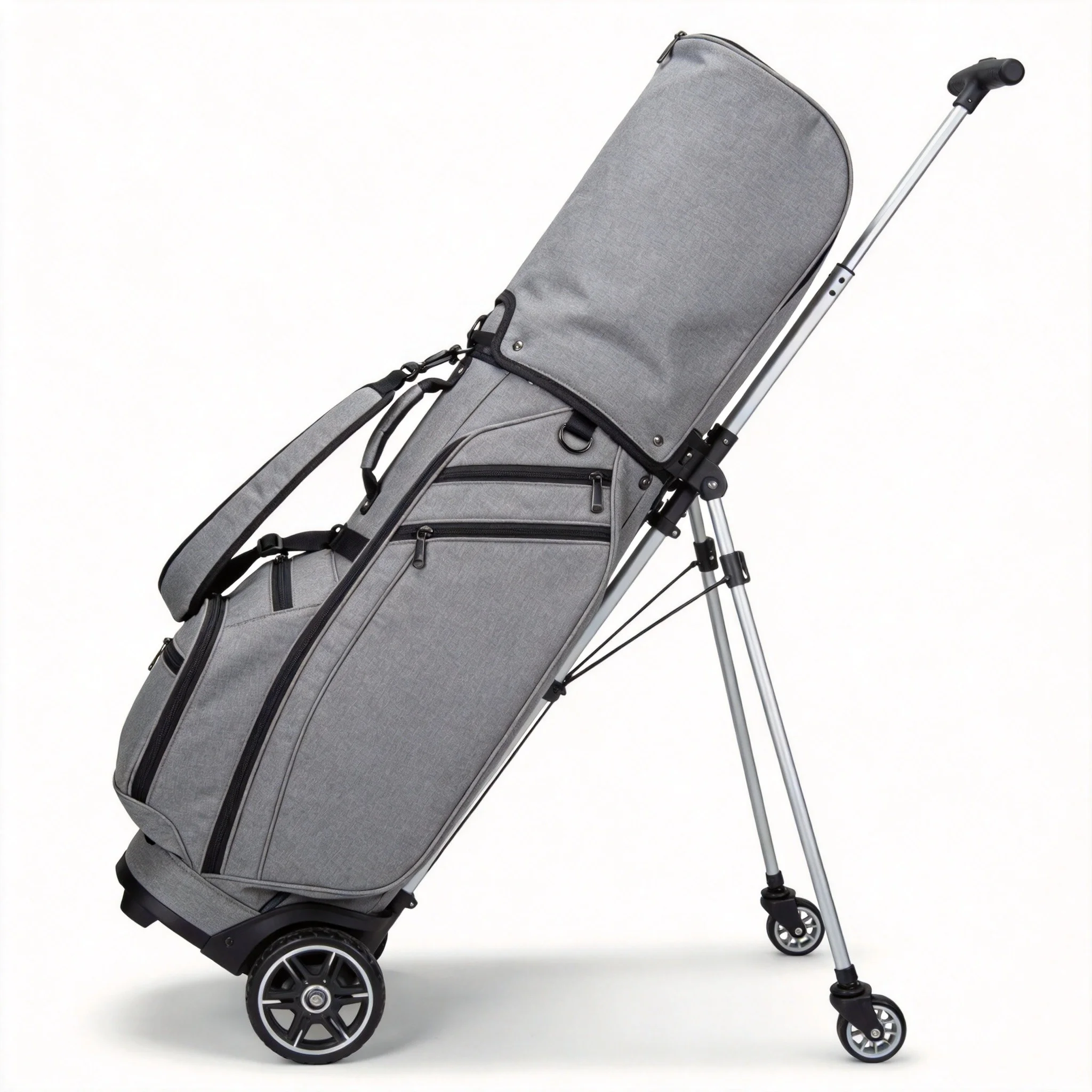
For airline check-in, a genuinely waterproof golf travel bag is one built from a PU or TPU laminated shell (or an equivalent hard-shell case), with sealed seams and protected zippers, sized within roughly 46 x 12 x 12 inches and under the airline's weight limit — because airport tarmacs, ramps and damp baggage holds routinely expose checked bags to rain and puddles, and moisture ruins grips and rusts shafts as readily as rough handling does. This guide, written where golf travel bags are built and tested, explains how to choose the best waterproof model for the check-in counter.
Why Waterproofing Matters at the Airport
The modern airport is one of the hardest environments a golf bag faces, and surprisingly little of that hardship is about the road or the flight. Checked golf bags are loaded onto tarmacs exposed to the open sky, moved across wet concrete, stacked in open ground transport and held in baggage areas where rain and spillage are routine. A bag that leaves the terminal dry can spend two or three hours in wet conditions before it is finally loaded, which is exactly the sustained exposure that separates waterproof from water-resistant.
Moisture is the enemy of everything inside that bag. Wet grips become slick and then degrade, steel shafts and clubheads corrode, and trapped dampness breeds mildew in the lining and headcovers. These failures are separate from the impact damage most travellers worry about, but they are just as common and often more frustrating because they are discovered after the journey. Adding a genuine waterproof layer to the travel bag is therefore a distinct, necessary line of defence on every flight.
Airline Size and Weight Rules to Check First
Before choosing a model, the practical constraint is what your airline will accept. Most major carriers treat a golf bag as oversized and sometimes overweight luggage, with common limits around 46 x 12 x 12 inches (about 117 x 30 x 30 cm) and a 23 kg or 50 lb weight allowance, but these numbers vary by airline, route and fare class. The safest move is to confirm the current limits with your specific carrier before buying, because oversized and overweight fees are routine and can change the economics of your choice.
The size rule influences material and construction. A rigid hard-shell case guarantees the maximum usable width for club protection but adds weight, which can push you toward the weight ceiling. A soft shell is lighter and easier to keep within limits, but relies on proper packing for protection. Matching the case to both the airline's dimensions and your typical packed weight is the first, and often most decisive, step in selecting a travel bag.
Hard Shell vs. Soft Shell: Which Is More Waterproof?
The hard-versus-soft choice is central to any travel bag decision, and waterproofing is one of the factors that tips the balance. Hard-shell cases, typically moulded from plastic composites, are inherently water-resistant because their single-piece construction has few seams for water to enter, and they offer the strongest defence against impact and punctures from handling equipment. Their drawbacks are weight, rigidity and bulk when not in use, which can be decisive on long or multi-leg trips.
Soft shells are lighter, pack nearly flat for storage and are easier to carry, but they rely on genuine waterproof construction to stay dry. A soft travel bag with laminated fabric, sealed seams and protected zippers can be just as waterproof as a hard case, and often easier to pack within weight limits. The honest choice balances the airline's size and weight rules against your travel style: a rigid case if you prize maximum impact and water protection above all, a genuinely waterproof soft shell if you need lightness and packability.
The Three-Pillar Waterproofing Test for Travel Bags
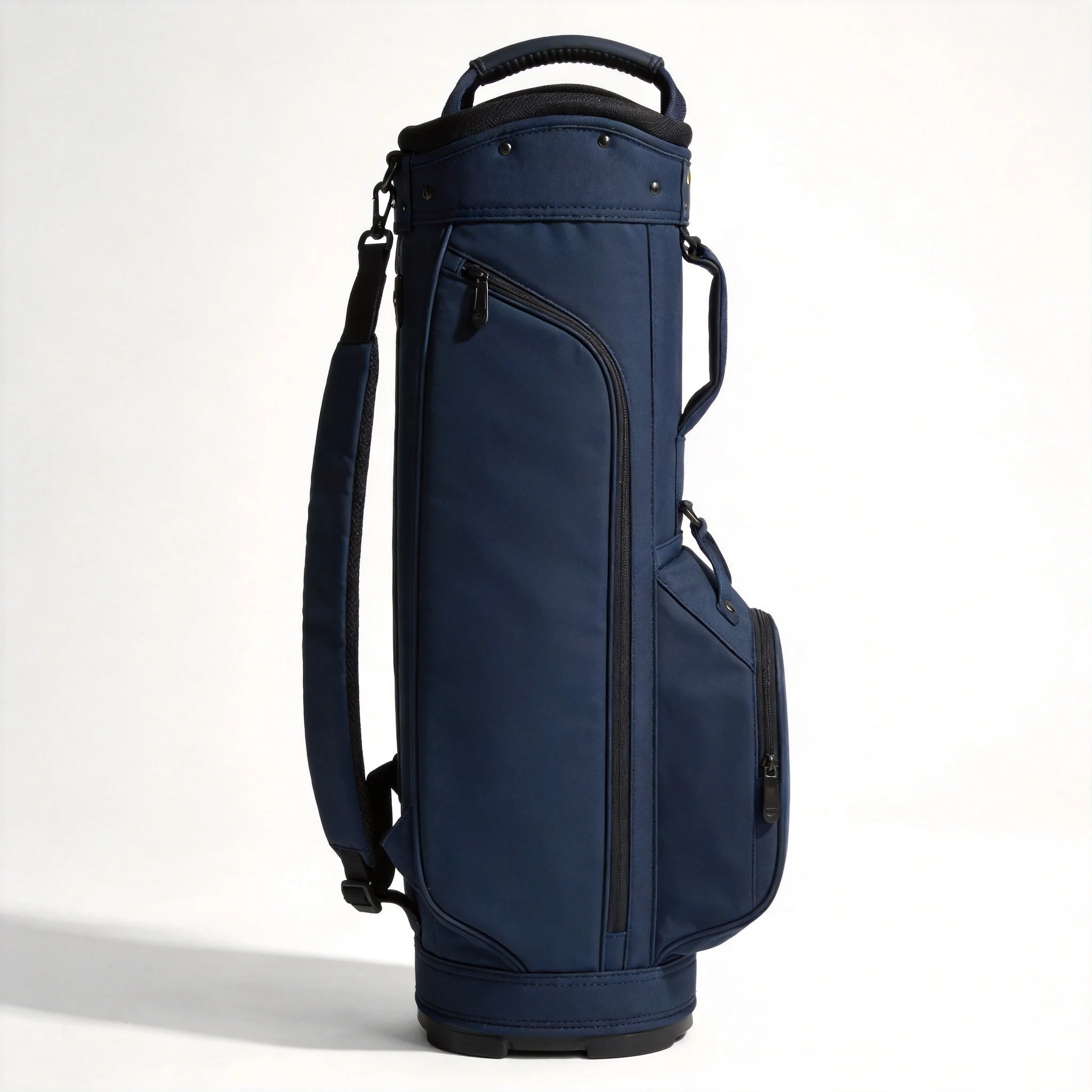
Whatever shell you choose, the same three-pillar test determines whether it is genuinely waterproof. First, the shell fabric must be laminated with PU or TPU so water cannot penetrate the main surface. Second, the seams must be sealed with tape or welds, because every stitch of a soft shell and every joint of a hard case is a potential entry point. Third, the zippers must be protected — sealed, baffled or covered — since the zipper track is the most common place a travel bag leaks. A bag failing any of the three is only water-resistant at the airport.
Travel bags press this test harder than other golf bags because they face both water and rough handling. A soft travel bag that is waterproof but thinly padded will protect against rain yet still fail on impact, while a heavily padded bag with open seams protects against bumps but lets water in. The best airline travel bag combines both: genuine three-pillar waterproofing and full-length impact protection in a single build. Evaluating both dimensions together is the only way to predict how the bag will actually perform on the tarmac.
| Feature | Hard-shell case | Waterproof soft shell |
|---|---|---|
| Water resistance | Inherent, few seams | Only with laminate, sealed seams + protected zippers |
| Impact protection | Highest | Depends on padding quality |
| Weight | Heavier | Lighter |
| Packing / storage | Bulky | Packs flat |
| Best for | Most protection, heavier checked trips | Weight limits, frequent fliers |
Materials Best Suited to Airline Travel
The material of a travel bag must do double duty against weather and baggage handling. High-denier coated or laminated ballistic-style nylon and polyester are the dependable choices for soft shells, offering both water resistance and resistance to the scuffs, tears and punctures that airport handling inflicts. Reinforced corners, a rigid or padded base and heavy-duty wheels all help the bag survive the environment while its material keeps the interior dry. For a full comparison of every travel bag material, our materials guide is the reference.
Hard-shell cases trade the flexibility of fabric for pure rigidity, using moulded composite materials that absorb impact and block water through their unbroken surface. The trade-off between the light, packable, padded soft shell and the rigid, impact-first hard case is the core material decision. Airline travel that mixes long distances, rain and heavy handling tilts toward the toughness of a quality build, whether in durable fabric or tempered composite plastic.
Sealed Zippers, Wheels and the Real-World Leak Points
On a travel bag, the leak points are specific and worth knowing. The zipper, being the largest opening, is the first place water enters unless it is sealed or protected; a waterproof travel bag uses a baffled or covered zipper, or a rain cover over the main opening. The base is the second, because the bag rests on wet ground; a waterproof base or raised, sealed bottom guards this zone. The third is where the telescopic handle and wheels penetrate the shell, which is why quality designs seal these fittings. Knowing these three points lets you inspect any candidate bag for real vulnerability.
These same points are also the physical wear zones under baggage handling, which is why sealing and reinforcement go together. A travel bag that seals the zipper, base and handle penetrations, and reinforces those areas against scuffs, offers the rare combination of staying dry and surviving the trip. When you evaluate a waterproof travel bag, checking these specific leak and wear points is faster and more reliable than trusting a marketing label.
Packing a Waterproof Travel Bag for Maximum Protection
Even the best waterproof travel bag depends on how it is packed. Protect the head of every club with a headcover and the driver especially with extra towel, bubble wrap or a stiffener. Remove the heads of adjustable drivers and putters where possible. Pack the bag so clubs do not rattle and shift, then compress the bag fully so there is no loose volume for movement. Place heavy items low and close to the wheels. These steps protect against the impact damage that rough handling causes, complementing the waterproofing that protects against moisture.
The relationship between packing and the seal matters too. A fully compressed, tightly zipped waterproof bag maintains its seal better than a loosely packed one with gaps, because the seams and zippers are not stressed open by shifting contents. Good packing, then, does double duty: it reduces both impact damage and the chance that the waterproof seal opens during transit. For a complete step-by-step method, our guide to airline transport and club protection walks through the full routine.
Protecting the Protection: Covering and Maintenance
Many experienced travellers add a full-length padded travel cover or bag sleeve over the waterproof bag at the airport, both to protect the bag from the scuffs and punctures of handling equipment and to reduce the visible wear that can shorten its life. A cover is not a substitute for a waterproof shell, but it is a sensible complement that keeps the expensive waterproofing working for more trips. Given the harshness of airport environments, this belt-and-braces approach is why well-maintained travel bags survive years of flying.
Maintenance between trips keeps the waterproof seal dependable. Dry the bag fully after any wet journey before storing, clean the zippers and lubricate them lightly, and inspect seams and wheels for damage before each flight. Re-apply a fabric waterproofing treatment periodically to refresh water repellency as the finish wears off. With this routine, a quality waterproof travel bag protects clubs across many airline journeys rather than degrading after a season of check-in counters.

Testing and Verifying the Waterproof Claim
A travel bag's waterproof claim deserves verification before a long trip. The practical test is to simulate the tarmac: wet the bag thoroughly on the outside, especially around the zipper, base and handle, seal it fully, and inspect the interior after it has sat. A genuine waterproof bag stays dry inside. For brands sourcing travel bags, verification should extend per colourway and to the seams, which is exactly the discipline captured in our quality standards guide.
Verification matters because an airline trip is high stakes: a failure discovered on arrival is a ruined round far from home. Testing the bag's waterproofing at home before travel, even with a shower or a thorough rinse, de-risks the entire journey. Combined with checking the airline's size allowances and packing carefully, a verified waterproof travel bag turns the uncertainty of checked luggage into controlled, protected transport.
Choosing for Your Travel Pattern
The best waterproof travel bag depends on how and where you fly. A frequent international traveller, who faces long flights, multiple airport environments and weight limits, will often favour a lighter genuinely waterproof soft shell that packs flat and stays within allowance. An occasional golfer driving to a resort, with more weight tolerance, may prefer the absolute impact and water protection of a rigid case. Annual multi-club trips across rainy seasons call for the strongest sealed build you can afford.
The deciding questions are practical: what does your airline accept, how heavy can your bag be, how much handling will it meet, and how much value sits in the clubs it carries. Match the waterproofing and shell type to those answers, verify the claim, and pack carefully, and you have chosen well. The best travel bag is not the most expensive feature set but the one whose waterproofing and protection genuinely match the journeys you take.
Need a Waterproof Travel Bag Built for Airlines?
Laminated fabric or rigid shell, sealed seams and protected zippers — engineered to survive rain and handling on the tarmac.
Explore Waterproof Travel Custom →Waterproofing for Multi-Leg and Long-Haul Journeys
Long-haul and multi-leg trips increase the airport exposure a golf bag faces, and that changes the waterproofing requirement. Each connection adds fresh tarmac time, another baggage trolley ride and another potential sitting period in a damp or uncovered staging area. A bag that is fine on a single short flight can fail on a journey with three connections in a rainy week, because the cumulative exposure outstrips what a merely water-resistant build can handle. Genuine seal verification becomes more valuable the more legs you fly.
Weight also compounds across connections, which is why frequent and long-haul travellers are often drawn toward lighter, genuinely waterproof soft shells. If you are checking the bag repeatedly and moving between hotels, the ability to pack it flat and keep within weight allowance matters as much as the seal. Plan for the worst leg, not the best: assume one of your connections will involve rain and standing water, and choose a bag whose waterproofing, packing ease and weight all hold up under the longest and wettest of your journeys.
When a Waterproof Liner Is the Smarter Option
Not everyone needs to buy a fully waterproof travel bag to achieve dry clubs. A high-quality interior waterproof liner, or a waterproof bag cover, can turn an existing water-resistant travel bag into an effective one, sealing the clubs inside regardless of what the outer shell lets in. This is an appealing option for golfers who already own a good padded travel bag and want to add moisture protection without replacing it, and for infrequent travellers who cannot justify a dedicated waterproof case.
The trade-off is one of convenience and completeness. A liner adds an extra packing step and does not protect the outer bag itself from moisture scarring, but it reliably keeps the clubs dry, which is the goal. For a traveller who flies rarely or whose existing bag is excellent at impact protection, a liner or cover is a practical, cost-effective route. For a frequent flyer in wet climates, a purpose-built waterproof bag is usually the cleaner long-term answer. Both are valid; the choice depends on how often and how hard you fly.
Brands and Retailers: Sourcing Waterproof Travel Bags
For retailers and brands, the waterproof travel bag has become a strong category because travellers increasingly expect dry-club delivery. Sourcing it well means specifying the three-pillar waterproofing in writing, verifying impact padding, testing each colourway on a sample, and confirming the bag meets common airline dimensions. A product mislabelled as waterproof generates the exact returns and complaints that damage a brand, so an honest, verifiable waterproof specification protects both the buyer and the label.
Our affiliated facility, established in 2014 with the founder having entered the trade in 2004, is set up for exactly this work. The 4,950 m² Quanzhou factory runs seven production lines with 126 sewing machines and 137 staff, delivering a monthly capacity of 200,000 units, and every batch is SGS-inspected, last verified in March 2026. Brands build waterproof travel lines through our OEM/ODM services at a 200-piece minimum with 100-piece test orders. The full sourcing and sampling flow is laid out in our OEM/ODM process guide, so a waterproof travel product is specified, sampled and independently checked with confidence.
Verification discipline is the commercial face of airline-grade waterproofing. When a factory can show the construction on a real sample and stand behind the seal, brands sell a travel bag backed by proof rather than a promise, which is exactly what travellers want when they hand over their clubs at the check-in counter.
Costing the Trade-offs Across Shell Types
The price differences between waterproof travel bag options are real and worth understanding before purchase. A rigid hard-shell case carries a premium justified by its superior impact and water protection, and it is the strongest insurance when your clubs are valuable and travel is frequent. A genuinely waterproof soft shell is often more affordable and lighter, trading some absolute toughness for weight and packability. An interior liner added to an existing bag is the most budget-friendly route, converting an owned product into an effective one. Value depends on how you weigh club value, travel frequency and airline fees against upfront price.
The penalty for guessing wrong is rarely the purchase price; it is a damaged or rusted set after a single mishandled leg. When you frame the decision as protecting a high-value asset across many journeys, the premium for verified waterproofing and durable construction is easier to justify. Match the shell to your club value, launch a careful check of the airline limits, and confirm the construction, and the cost per trip of a good waterproof travel bag becomes remarkably low against the equipment it protects.
Conclusion
A waterproof golf travel bag that performs at airline check-in combines three things: full-length impact protection, genuine three-pillar waterproofing and a build that stays within your airline's size and weight rules. Whether a water-resistant-and-sealed hard shell or a lighter genuinely waterproof soft shell, the right choice keeps your clubs both protected and dry through the rain, handling and damp holds of air travel. Verify the waterproofing, check the size limit, pack for protection, and your clubs arrive ready to play.
Sources
Frequently Asked Questions
- Do I need a waterproof golf travel bag for airline check-in?
- Yes, useful; tarmacs, ramps and damp holds expose checked bags to rain and puddles, so waterproofing or a waterproof liner protects grips and shafts from moisture damage in transit.
- What are the airline size limits for golf bags?
- Most carriers accept golf bags near 46 x 12 x 12 inches and 50 lb, but limits vary by airline and fare class, so confirm with your specific carrier before travelling.
- Is a hard shell or soft shell better for waterproofing?
- Hard shells are inherently water-resistant with few seams and the strongest impact protection, but heavier; a truly waterproof soft shell with sealed zippers is lighter and often more packable.
- Will a standard soft travel bag keep clubs dry in the rain?
- Only if it is genuinely waterproof—laminate, sealed seams and protected zippers—or you add an interior liner; most soft travel bags are water-resistant and leak at the zipper and base.
- Why does waterproofing matter when handlers can damage bags anyway?
- Moisture damage is separate and common: wet grips, rusted shafts and mildewed linings from rain and damp holds, so waterproofing complements impact protection for a fully protected journey.
- How do I protect a waterproof travel bag from airline handling?
- Use full-length padding, protect the driver head, fill gaps, compress the bag, lock the zipper, and add a travel cover to reduce scuffs and zipper or seam damage in transit.