Best Waterproof Materials for All Types of Golf Bags
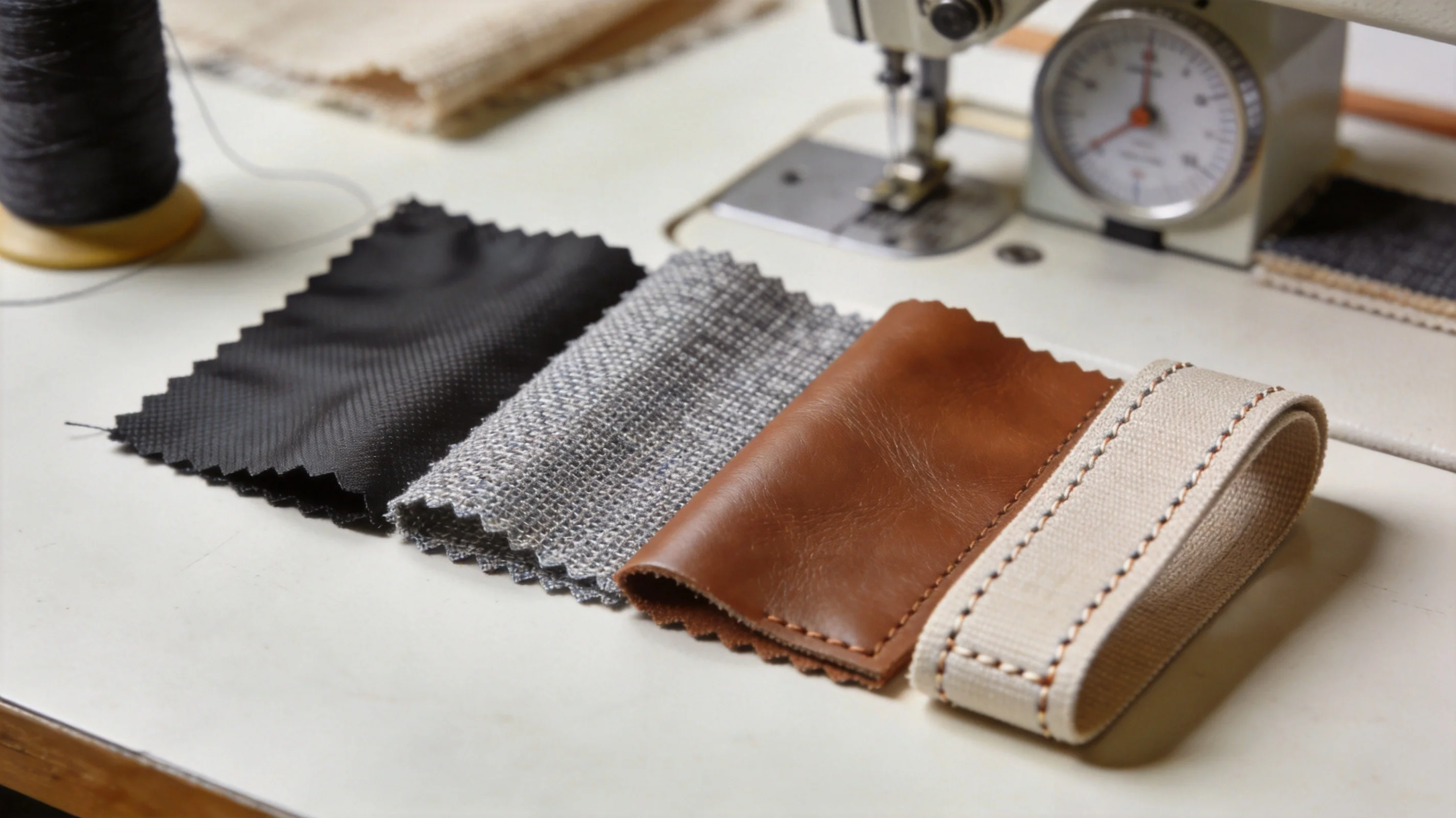
The most reliable waterproof materials for golf bags are PU and TPU laminated over a nylon or polyester core — higher-denier, tougher laminates for cart and travel bags, lighter versions for carry and stand bags, with PVC suited mainly to budget and cooler applications and recycled polyester lamates emerging as a genuine eco option. Written from a factory floor where these fabrics are specified and bonded, this guide breaks down which material suits each bag type and why the lamination quality matters more than the name on the label.
How Waterproof Fabric Is Actually Made
A waterproof golf bag fabric is rarely a single material. The standard construction is a layered system: a woven base fabric, usually nylon or polyester, gives the bag its strength, structure and resistance to tearing, while a bonded waterproof layer — polyurethane (PU) or thermoplastic polyurethane (TPU) — is laminated onto that core to stop water. The choice of base fabric, the denier or thickness of that fabric, and the quality of the lamination bond determine how well the shell resists both water and years of abrasion.
Understanding this structure resolves a common confusion. When a spec sheet lists a bag as nylon, it usually means the base core is nylon; the waterproofing comes from the coating or laminate applied on top. Judging a waterproof bag on the base fabric name alone, without asking what the waterproof layer is and how well it is bonded, misses the part of the construction that actually keeps water out. The lamination is where genuine waterproofing lives.
PU vs. TPU: The Two Workhorses Compared
The two dominant waterproof laminates are PU and TPU, and they are often grouped together even though they differ in meaningful ways. PU lamination is the more economical option. It delivers genuine waterproofing, an even finish and good feasibility for most golf bag shells, which is why it dominates volume production. TPU lamination is the more premium option: it is more durable, stays more flexible in cold weather without cracking, and resists hydrolysis and wear better over a long life. For a detailed breakdown of every fabric option and its performance, see our full golf bag materials guide.
The practical difference shows up over time and in extremes. In a temperate climate with ordinary use, a well-bonded PU bag performs admirably for years. In a very cold or very humid market, or for a bag expected to last a decade, the superior flexibility and hydrolysis resistance of TPU justify its higher cost. Choosing between them is really a decision about budget, climate and how long you expect the bag to serve.
Matching Material to Bag Type
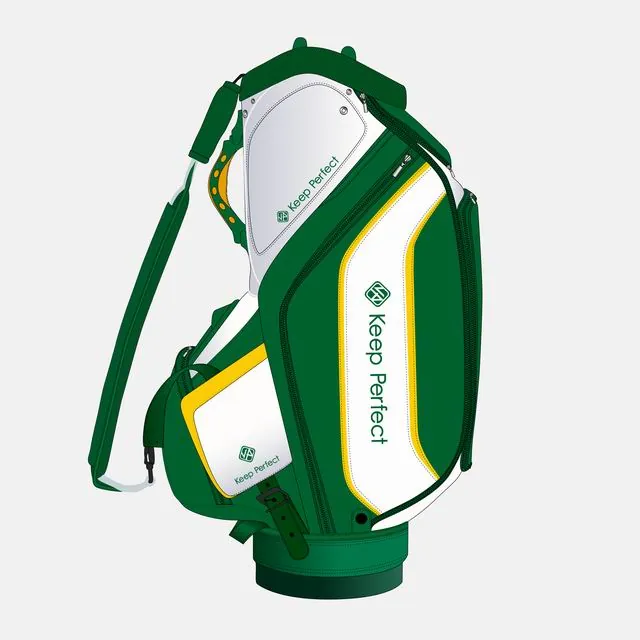
Not every bag type needs the same material, and the smartest designs match the fabric to the bag's purpose. A carry or stand bag is walked around in the hands all round, so weight is a premium and a lighter laminate on a moderate-denier nylon core suits it best. A cart bag, which rides low and takes more scrapes against carts, walls and the ground, benefits from a heavier, higher-denier laminate that resists abrasion without giving up the seal. A travel bag faces handling and shipping as much as weather, so it pairs waterproofing with tough, often reinforced material built for transport.
Getting the match right avoids two common mistakes: overspeccing a bag you only carry lightly with a heavy shell, and underspeccing a workhorse cart bag with a light fabric that abrades through. Purpose and material should move together, and this is exactly how factory design teams approach a new waterproof line — specifying the right laminate for the expected use rather than defaulting to one material for everything.
Denier, Coating and the Longevity Trade-off
Material longevity is largely a question of denier and coating quality. Denier measures the weight and thickness of the base fabric thread; a higher denier means a stronger, more abrasion-resistant shell, at the cost of added weight. For long-life cart and travel bags, a higher-denier core is the right call because it shrugs off the scrapes those bags meet. For lightweight carry bags, a moderate denier preserves portability. Coating quality refers to how evenly and thoroughly the waterproof layer is applied and bonded; this, more than anything, decides whether the bag stays waterproof after a season of flexing and folding.
The honest trade-off is that durability and light weight pull in opposite directions, and no single material maximises both. The best waterproof bags are designed around a deliberate compromise: the strongest coating the bag type will tolerate, on the highest denier the intended weight allows, laminated so the layer cannot delaminate under normal use. This balance, rather than chasing a single number, is what separates a bag designed to last from one that merely looks the part.
| Material | Best for | Strength | Trade-off |
|---|---|---|---|
| PU laminated nylon | Stand / carry bags | Economical, genuine waterproofing | Less flexible in extreme cold |
| TPU laminated polyester | Premium / cold-climate bags | Durable, hydrolysis resistant, flexible cold | Higher cost |
| High-denier laminate | Cart / travel bags | Abrasion resistant, long life | Heavier |
| PVC | Budget / cooler applications | Strong waterproofing, low cost | Heavy, less durable, environmental concerns |
| Recycled polyester + PU/TPU | Eco-conscious brand lines | Full waterproofing, sustainable | Availability and consistency |
Waterproof Materials for Cooler and Insulated Bags
Cooler and insulated golf bags have a special relationship with waterproof material. These bags hold drinks, ice and melting water inside as well as resisting rain outside, so they need to be both leak-proof from the inside and water-resistant from the outside. This dual demand shapes the material choice: a sealed, often coated or laminated interior liner keeps melted ice and condensation from soaking through, while a durable water-resistant outer shell protects the insulation and the bag's contents from rain.
In practice this means cooler bags tend to favour materials with strong seam sealing and interior waterproofing as well as exterior protection. PVC and coated fabrics have historically appeared here because of their strong moisture barrier, though PU and TPU laminates now deliver the same protection with better durability and less environmental impact. For the complete picture on insulated construction, see our golf cooler bags range and how capacity and insulation are engineered.
Sealing the Seams: The Part Everyone Misses
A technically waterproof fabric still leaks if the seams are not sealed, because every line of stitching pierces the fabric and creates a path for water. Genuine waterproof bags therefore tape or weld their seams shut, closing the needle holes so water cannot wick through the thread line. This is the second pillar of waterproof construction and the one most often neglected on cheaper, mislabelled products, which use waterproof-looking fabric but leave the seams open.
When you evaluate any waterproof material choice, ask what happens at the seams. A bag built from excellent fabric with unsealed seams is only water-resistant. The material and the seam treatment must be specified together. This is why the quality standards guide treats seam sealing and zipper protection as non-negotiable parts of any genuine waterproof specification, regardless of which fabric is chosen.
The Role of the Base and Zippers in Material Choice
Material choice extends beyond the main shell to the base and the zippers, the two areas a waterproof bag meets the real world hardest. The base sits on wet ground, gravel and cart floors, so it needs a durable, often rubberised or reinforced material that resists both water and abrasion. Zippers are the most common leak point, which is why waterproof bags use sealed, baffled or protected zipper systems rather than the standard tracks. A bag with a waterproof shell but an ordinary base and unprotected zippers will still let water in where it counts.
Thinking about a waterproof bag as a system of surfaces rather than a single fabric gives the most reliable result. The side panels need a laminate, the base needs impact- and water-resistant material, and every opening needs a sealed closure. Specifying all of these together, rather than focussing only on the main fabric, is the difference between a bag that appears waterproof and one that is genuinely dry inside after a heavy storm.
Recycled and Sustainable Waterproof Options
Sustainability and waterproofing are no longer a trade-off. Recycled polyester, typically sourced from reclaimed PET, can be laminated with PU or TPU to deliver the same genuine waterproof seal as virgin material. The waterproof performance comes from the laminate and the seam sealing, which are functionally identical whether the base fabric is recycled or new. This is making recycled waterproof fabrics a serious, effective option for eco-conscious brands rather than a compromise.
The considerations are practical rather than technical. Recycled base fabrics must be sourced consistently so colour and thickness stay uniform across a production run, and the lamination process must accommodate the recycled core without losing adhesion. When those details are managed, a recycled waterproof bag meets the same quality bar as a conventional one while supporting a sustainability story that resonates with modern buyers. It is an emerging standard worth tracking for any brand refreshing its line.
Testing the Material Before You Commit
However confident a material claims to be, verification beats assertion. The practical test is to expose a sample of the fabric, with its seams and zippers, to sustained water and inspect for ingress. A simple water or water-rinse check on a lined section, left to sit and then checked inside, tells you whether the waterproof layer and seams actually hold. This ten-minute test de-risks a buying decision for both individual golfers and brands sourcing a line.
For brands, the verification should happen per colourway, because material drifts between dye lots can affect the bond and coating even when the bag looks identical. Testing a sample from each colourway catches these problems at the sample stage, before a shipment has travelled. The discipline of testing material as well as trusting its specification is what keeps a waterproof line dependable in the market and protects the brand standing behind it.
How Material Choice Affects Cost
Material is a major driver of waterproof bag cost, and understanding the ladder of options lets you match price to need. PU lamination on a standard nylon core is the most economical genuine waterproof build. TPU lamination, higher-denier cores and recycled base fabrics each add a step in cost, justified by greater durability, better cold performance or a sustainability story. Value comes from choosing the most advanced material your budget and climate genuinely require, rather than always picking the cheapest or the most expensive.
The cost discipline is to spend where it matters. If you are buying a long-life cart bag that takes constant abrasion, the premium for a high-denier, durable laminate is money well spent. If you are buying a light carry bag for fair weather, a standard PU build avoids paying for toughness you never use. Aligning the material to the real demands of the bag type keeps cost proportionate, which is exactly how value is created in a quality waterproof bag.
Choosing the Right Waterproof Fabric
PU, TPU, high-denier or recycled — specified to match your bag type, climate and budget, and sealed to hold water out.
Explore Waterproof Materials →How to Visually Inspect Waterproof Material Quality
Before any test, a careful visual and tactile inspection reveals a great deal about a waterproof material. Run your fingers over the shell and feel for a consistent, smooth laminate surface without bumps, air pockets or thin patches, since uneven lamination is a sign the bond was not controlled. Check the folded edges and gussets, the areas that flex most, for cracking or delamination, which indicates a cheap coating that will fail under use. Look at how cleanly the panels are cut and joined; precise construction usually accompanies good material.
Composite inspection matters too. Beading is the key indicator: water dropped onto a well-waterproofed laminated surface should bead into round droplets and roll off rather than soaking in or spreading. This quick test, combined with a check of the seams and zipper sealing, lets you judge material quality within minutes of handling a bag. Training your eye to these cheap signals turns a waterproof claim into something you can inspect against, which is exactly how experienced buyers evaluate fabric before committing money.
Laminated vs. Coated Fabric: A Practical Distinction
Not all waterproofing is created equal, and the distinction between laminated and coated fabric is central to quality. A coated fabric has a waterproof layer applied onto the surface of the base cloth, which is economical and adequate for many applications but can be more prone to abrasion damage and to wearing off where it rubs. A laminated fabric bonds an actual waterproof film onto the base, creating a tighter, more durable and more flexible construction that resists flexing and folding without the coating cracking or peeling.
For golf bags, the difference shows in how long the waterproofing survives real use. Despite similar performance when new, a laminated construction tends to outlast a simple coating because the bonded film stays in place through the bag's repeated movement and compression, whereas a surface coating can wear or lift in high-abrasion zones. When a bag is described as waterproof rather than merely water-resistant, the method of applying the waterproof layer is as relevant as the material itself, and lamination is the mark of a more durable build.
Choosing Material for Your Climate and Season
The best waterproof material depends heavily on the climate where the bag will live. In a cold northern market, TPU's flexibility at low temperatures matters because a rigid PU can crack when frozen fabric is flexed; TPU keeps the bag pliable and the seal intact through winter rounds. In a hot, UV-heavy region, the priority shifts to UV resistance and colour stability, because prolonged sun degrades some laminates and fades shells. In a humid tropical climate, hydrolysis resistance becomes central, and TPU's advantage over PU grows more pronounced in the long run.
Seasonal variation changes the calculus too. A golfer who plays all year in a wet winter needs a material engineered for sustained cold rain, while one who plays mainly in fair summer weather can accept a more economical build. Matching the material to the climate you actually face—rather than to the climate at the factory or on the label—ensures the waterproofing you pay for is waterproofing you can use. This is the principle behind the best-specified waterproof bags, and it is the reason a single material is never the right answer for every buyer.
Working With a Factory on Waterproof Material Specification
For brands, the material decision is made in partnership with the factory, and the quality of that partnership determines the quality of the line. A capable factory should translate a waterproof requirement into a precise material specification, produce a physical sample, and validate it with the water test before any volume commitment. They should also flag honest trade-offs, such as where higher durability raises weight or where a recycled base needs sourcing care, rather than promising an impossible combination of light, tough and cheap.
Our affiliated factory in Quanzhou is organised around this collaborative approach. The founder entered the trade in 2004, the operation was established in 2014, and the dedicated 4,950 m² facility runs seven production lines with 126 sewing machines and 137 staff, producing up to 200,000 units a month. Brands operate through our OEM/ODM services at a standard 200-piece minimum with 100-piece test orders, and every batch is subject to SGS inspection, last verified in March 2026. The result is a material specification that is agreed, sampled and independently checked before production begins.
Choosing the right fabric partner is therefore as important as choosing the right fabric. Working with a factory that understands lamination, sealing and testing, and can prove performance on a sample, turns a raw material decision into a dependable product line. The OEM/ODM process guide walks through this specification and sampling flow end to end, so the material choice is locked in correctly the first time.
Conclusion
There is no single correct waterproof material for every golf bag; the right choice pairs the fabric with the bag's purpose, your climate and your budget. PU and TPU laminates over nylon and polyester are the dependable workhorses, higher-denier versions protect cart and travel bags, and recycled laminates deliver genuine waterproofing with a sustainability story. Judged by the quality of the lamination, the sealing of seams and the protection of zippers rather than the fabric name alone, the best waterproof material is the one matched precisely to the job the bag has to do.
Sources
Frequently Asked Questions
- What is the best waterproof material for a golf bag?
- PU or TPU laminated nylon and polyester balance waterproofing, durability and weight; higher-denier for cart bags, lighter laminates for stand bags.
- Is TPU better than PU for golf bags?
- TPU is more durable, flexible in cold and hydrolysis resistant, suiting premium and cold-climate bags; PU is more economical while genuinely waterproof.
- Does waterproof material make a golf bag heavier?
- Lamination adds weight; higher-denier and thicker laminates for cart and travel bags add more, so material is matched to the bag type and expected use.
- Are recycled waterproof fabrics effective?
- Yes; recycled polyester laminated with PU or TPU delivers the same genuine waterproofing as virgin material, with performance set by the laminate and seam sealing.
- Why do seams matter if the fabric is waterproof?
- Stitching pierces the fabric, so seams must be taped or welded and zippers sealed for genuine waterproofing; a wet-resistant fabric alone still leaks at the seams.
- Can PVC be used for golf bags?
- PVC waterproofs well and appears in budget and cooler bags, but it is heavier, less durable and less cold-flexible than PU or TPU, with greater environmental concerns.