Complete Guide to Golf Cooler Bag Capacity and Insulation
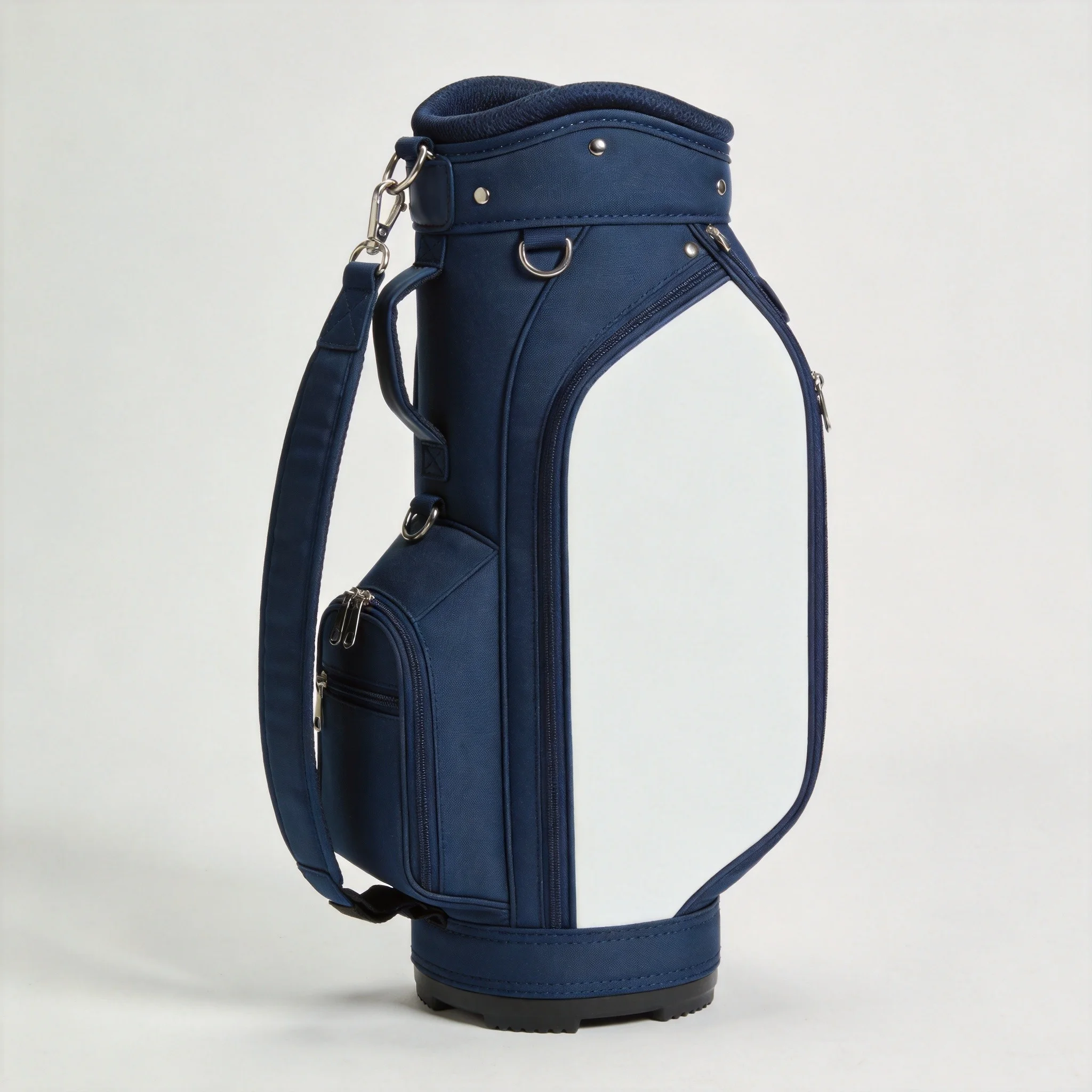
For a standard 18-hole round, the best-performing golf cooler bag holds 6-24 cans depending on player count, keeps drinks cold for 6-10 hours, and pairs a closed-cell polyethylene foam liner with a reflective layer and a fully sealed, leak-proof interior. Capacity and insulation are the two numbers that define whether a cooler bag actually works, and both are decided well before the bag reaches your hands — in the materials and construction at the factory.
Why Capacity and Insulation Matter
No other golf accessory is judged by two numbers as ruthlessly as a cooler bag. Capacity determines whether the bag carries enough for the group; insulation determines whether the last drink of the round is still cold. A bag that looks premium but under-delivers cold retention gets one disappointing outing before it is retired. For retailers and corporate buyers, that means returns and reputation damage.
Because these two metrics are measurable and testable, they are also the ones an OEM partner must get right from spec. Small errors in liner density or internal dimensions silently degrade the user experience you promised.
Understanding Cooler Bag Capacity
Capacity is expressed two ways: interior volume in litres and can count using standard 330ml (12oz-ish) cans. Always reserve judgement to the can count, because wall thickness varies and two bags with the same litre rating can fit different numbers of cans. The reliable method is a physical test with a real can grid — provisions that far outperform paper specs.
Typical sizing falls into three practical bands. A small personal bag fits 6-12 cans. A standard single-round bag fits 12-24 cans, which covers most individual and pair play. A group or all-day bag fits 24-36+ cans, enough for a foursome across a long day. Choose the band that matches how the bag will actually be used rather than the maximum the marketing claims.
| Size class | Can capacity | Best use case | Liner type |
|---|---|---|---|
| Personal | 6-12 cans | Single player, short round | PE foam |
| Standard | 12-24 cans | Pair play, full round | Closed-cell + reflective |
| Group / all-day | 24-36+ cans | Foursome, events | High-density + sealed |
The Science of Insulation
The mechanism behind a cooler bag is simple heat transfer, and insulation works by slowing that transfer. Air captured inside foam or closed-cell insulation is a poor conductor of heat, which is exactly why trapping it works — the still air creates a barrier that keeps cold in and ambient heat out. The quality of that barrier, rather than just its thickness, is what a good cooler is engineered around, which is why two pockets of similar size can perform very differently depending on the insulation material and how it is enclosed.
Insulation works by slowing heat transfer between the interior and the outside air. The two main paths are conduction, driven through the liner material, and convection, driven by air exchange through zippers and seams. Good cooler bags attack both: a thick closed-cell foam liner resists conduction, while a tight-sealing zip and sealed seams limit convection.
The material choice sets the ceiling. Standard polyethylene (PE/EVA) foam keeps drinks cold for roughly 4-6 hours. Upgrading to closed-cell foam with an aluminium or Mylar reflective layer reflects radiant heat and extends retention to 6-10 hours. Beyond materials, how the bag is used matters just as much: pre-chilled drinks, a full load, and fewer zip openings all stretch retention.
Insulation vs. Waterproofing: Know the Difference
Two terms cover massive confusion. Insulation is about temperature retention; waterproofing is about leak prevention. A bag can be insulated but leaky, or waterproof but weak on cold retention. The best golf cooler bags are both: fully insulated and internally waterproof inside, so they hold cold for hours and never leak meltwater onto the golf bag or cart.
When you spec a cooler bag, state both requirements independently. Ask about the liner's cold-retention test and about the interior's leak test. A specification that only says "insulated" leaves waterproofing undefined and can produce an unusable product.
Testing Cold Retention the Right Way
A controlled test isolates the cooler's performance from weather and usage variables. The standard approach packs a known quantity of ice or pre-chilled product, records the starting interior temperature, and logs it at intervals in a fixed ambient room temperature. The result — how many hours the temperature stays below a set threshold — is a figure you can compare honestly across bags. Factor in that real play involves opening the pocket, warm air entering and hard sun overhead, so real-world retention is always shorter than a lab test; a bag that stays cold for a full round under realistic conditions is the practical benchmark.
Real cold-retention claims should come from a standardised test, not intuition. The repeatable method is to fill the bag with pre-chilled cans and a known quantity of coolant, place it in a controlled ambient temperature (around 25-30°C simulates a warm round), and record the time for the interior to rise past a threshold like 10°C. This gives a defensible "hours of cold" figure.
Insist that these figures come from your supplier or an independent lab, and write the target into your QA plan. When you sample, run your own quick check: ice in, clock it, compare with the claim. One hour of real-world verification is worth more than a page of marketing promises.
Materials and Construction in Production
How a cooler pocket is constructed in production determines both its performance and its durability. The insulation core must be enclosed in a way that does not compress or shift during sewing, and the outer material needs to hold up to the constant opening, closing and occasional spillage a cooler attracts. Quality builds use materials that are easy to wipe clean, resist moisture from the inside, and keep their shape through heavy use. The zipper and opening design also matters, because a cooler that is awkward to open gets left half-open, letting heat in and defeating the insulation.
At the factory, a quality cooler bag is defined by liner density, seam sealing and hardware. The liner must be thick enough to slow conduction but shaped to maximise internal can space. Seams and zippers need a sealing treatment inside so meltwater cannot escape. Handles and straps must carry a fully loaded, wet-and-heavy bag without stress failure.
These small decisions explain why equivalent-looking cooler bags differ hugely in performance and cost. When costing a custom order, never trade away liner density or seam sealing silently — they are the performance you are actually selling. A checklist of what to inspect appears in our quality standards guide.
Choosing the Right Cooler Bag for Your Use Case
Different golfers genuinely need different things from a cooler, and the miss is usually a mismatch between capacity and lifestyle. The walker wants a compact, balanced cooler that does not compromise carry comfort. The rider can afford size and wants easy from-the-cart access. The corporate golfer, entertaining clients, may value a cooler that holds drinks and doubles as a premium display item for the brand. Profile how you actually use the bag before choosing, and the capacity decision becomes far clearer.
Match the bag to the scene. For corporate events and giveaways, a 6-12 can bag with strong branding works because it is low-unit-cost and highly giftable. For golf academies and resorts stocking club houses, 12-24 can bags satisfy the most common demand. For tournaments and long events, larger 24+ can group bags create the best experience but cost more to stock.
Whatever the use case, prioritise the two testable metrics first, then branding options. Our golf cooler bag range shows how capacity bands and branding line up in practical formats.
Planning a Custom Cooler Bag?
Spec your capacity and cold-retention target now, and we'll help you build a bag that meets both. Standard 200-piece MOQ, 100-piece test orders, 10-20 day sampling.
Request a Custom Quote →The distinction matters most on hot, humid days when condensation is heavy. A genuinely leakproof cooler keeps that condensation separated from the rest of your gear, so your grips, glove and a dry change of clothes stay usable even at the end of a long round. That practical, everyday benefit is why a sealed, moisture-safe interior is worth weighing as heavily as the insulation thickness itself.
Even strong insulation degrades with misuse. After each round, empty the bag, dry the interior liner fully to prevent odour and mould, and store it open. Avoid crushing the liner or exposing it to prolonged direct heat. Wash the interior with mild soap and water, never harsh solvents that can damage the foam or reflective layer. Done weekly, this keeps cold retention near its original level for years.
For a wider cleaning routine that covers cooler bags alongside the rest of your golf equipment, see our golf bag maintenance guide.
Buying Factors for Retailers and Corporate Buyers
For a retailer or corporate buyer, the cooler pocket is often a headline selling feature, so sourcing it well has real commercial value. The key factors are a demonstrated performance figure you can share with your own customers, a leakproof interior that does not generate returns, durable construction that survives daily use, and the ability to customise the pocket and its presentation to your brand. A cooler bag that performs measurably and lasts is a product customers recommend, which is exactly the outcome a wholesale or corporate programme should target.
When evaluating suppliers for cooler bags, request samples and run an honest cold-retention check on each candidate rather than comparing spec sheets. Combine that with standard golf-bag quality verification, and you will select a source whose cooler features genuinely deliver. For the full set of factory and quality criteria to check, our manufacturer selection guide is the practical companion to this buying decision.
If you are buying for resale or as a corporate gift, weigh unit cost against the two performance claims your audience will notice. A slightly pricier bag that reliably holds cold for a full 18 holes earns repeat business and word-of-mouth; a cheaper one does the opposite. Build your range around the proven 12-24 can band, and use smaller bags as lower-cost entry points or giveaways.
Consolidate designs to reach better MOQ pricing, and ask your OEM partner how liner density affects cost so you can decide where to spend. Walking through the decision with an experienced factory keeps the trade-off honest. You can compare this cost logic against standard golf bags in our wholesale pricing guide.
Capacity and insulation are the two numbers that make or break a golf cooler bag. Size the bag to the can count you genuinely need, and verify the cold-retention claim against a reproducible test. Insist on a closed-cell liner with a reflective layer, sealed seams, and proven waterproofing inside. Spec those up front, test your sample, and a cooler bag becomes a reliable, high-satisfaction product — whether you are golfing, stocking a club house, or building your own brand.
How Capacity Translates to Real-World Use
Capacity figures matter, but they are only meaningful in the context of how you actually drink and carry on a round. A good rule of thumb is that an average golfer gets through two to three bottles or cans over eighteen holes in warm weather, so a bag that comfortably fits that count — usually in the range of six to twelve standard cans — gives you a full round without awkward refills. More capacity is not automatically better; a cavernous cooler adds bulk and weight that a walker pays for on every step.
Match capacity to your routine. A walker who wants to keep the bag manageable should favour a compact cooler that holds six to eight cans, while a rider on a course with long stretches between clubhouse visits might value a larger twelve-can or bottle-holding unit. Think about whether you want to hold cans, bottles, or both, because the pocket shape and insulation thickness differ. The honest question to answer is not "what is the biggest," but "what fits my round without compromise."
Insulation Thickness and Performance Trade-offs
The thickness of the insulation layer is the single biggest determinant of how long a cooler keeps drinks cold, but it is not a free lunch. Thicker insulation holds temperature longer and feels more substantial, yet it adds weight to the bag and takes up pocket space. Conversely, a thin insulation layer keeps the bag lighter and more compact but lets cold escape faster on a hot day. The right balance depends on your climate and how long you need to keep a drink it properly chilled.
For most golfers in temperate to warm conditions, a moderate insulation layer is the practical sweet spot, keeping drinks cold for the duration of a round without turning the bag into a heavy box. For genuinely hot climates or very long rounds, a thicker, more heavily insulated cooler is the confident choice. When you compare bags, ask for the insulation specification and consider the real temperature where you play, not just marketing promises, because the measured performance varies meaningfully with thickness and construction quality.
Insulation and Waterproofing Work Together
It is worth being precise about how insulation and waterproofing relate, because they are often confused. Insulation keeps temperature in or out, while waterproofing keeps moisture in or out. A good cooler uses a lined, moisture-resistant interior so melted ice and condensation do not seep through to the rest of your gear, and many feature a sealed top to control fit and spillage. These are separate jobs in the same pocket, and a quality build addresses both.
A leakproof lining matters more than you might expect. Melted ice and drips from cold cans will otherwise collect at the bottom of the pocket, wetting towels and valuables and promoting mildew. Choose a cooler with a wipe-clean, water-resistant interior and a drainage or easy-clean design, and the pocket stays pleasant and hygienic for years. Treated properly, an insulated cooler is one of the most convenient and durable features on a modern golf bag.
Practical Testing and Certifications for Cooler Bags
Because cold-retention claims are easy to inflate, verifying them matters for buyers and brands alike. Practical testing is straightforward: pack the cooler with ice or cooled drinks, measure the interior temperature over a set period in a known ambient, and compare against the claim. Serious manufacturers run exactly such controlled tests and can share the data, which gives you far more confidence than a printed specification alone.
For corporate buyers and brands sourcing cooler bags at volume, asking for documented test results and an approved sample is standard good practice. Pair the measured performance with the same quality checks you would apply to any golf bag — stitching integrity, zipper pulls, base rigidity and material durability. Our quality standards guide sets out the concrete criteria to specify and verify, so the cooler pocket you sell performs as well as the one you sample.
Designing for Both Walkers and Riders
Cooler bag design has to serve two very different users. For walkers, weight and balance are decisive — a cooler placed low and centrally keeps the carry balanced, and compact capacity avoids pulling the bag off-centre. For riders, accessibility and size dominate, favouring a larger, easy-reach cooler that fits the cart. The best designs reconcile both by positioning the cooler thoughtfully and offering capacities that suit each style.
When you choose, think about where the cooler sits in relation to the bag's other zoned pockets. A cooler that competes with the valuables or apparel pocket for space forces a compromise elsewhere. Understanding how the pocket zoning works together — rather than treating the cooler in isolation — helps you pick a bag that keeps everything you need organised and balanced. Our golf bag types guide maps these use-case differences across the range.
The distinction matters most on hot, humid days when condensation is heavy. A genuinely leakproof cooler keeps that condensation separated from the rest of your gear, so your grips, glove and a dry change of clothes stay usable even at the end of a long round. That practical, everyday benefit is why a sealed, moisture-safe interior is worth weighing as heavily as the insulation thickness itself.
Care to Keep Insulation Performing
A cooler pocket will keep performing season after season if it is looked after, and neglect is the usual cause of premature failure. Empty it at the end of each round, dry the interior fully before storing, and wipe it clean to prevent odour and mildew. Avoid storing the bag compressed under heavy items, which can flatten insulation and crush the pocket shape over time. Leaving a damp, half-full cooler sealed is the fastest way to degrade both the lining and the insulation.
With consistent drying and cleaning, the insulation retains its performance and the liner stays hygienic through years of use. Treat the cooler pocket with the same habit you extend to drying a wet bag after rain, and it will quietly serve through hundreds of warm afternoons.
Conclusion
A golf cooler bag is defined by two numbers that must be balanced against your real needs: capacity and insulation performance. Match the capacity to your round and carrying style, choose insulation thickness for your climate, and confirm the lining is leakproof and the construction durable. Understand that insulation and waterproofing are separate jobs, test cold retention before you trust a claim, and care for the pocket properly. Get those fundamentals right and a cooler pocket becomes one of the most useful, dependable features your bag carries — keeping drinks cold and your contents dry through every round.
Sources
- How many cans fit in a golf cooler bag?
- Personal bags hold 6-12 cans, standard bags 12-24, and group/all-day bags 24-36+ cans using standard 330ml cans.
- What keeps drinks cold the longest?
- A closed-cell PE foam liner with a reflective layer, combined with sealed seams, pre-chilled drinks and a full load, delivers the longest retention of 6-10 hours.
- How do I measure cooler bag capacity?
- Measure interior dimensions and compare with can size, or better, test with a real can grid. Trust can count over litre rating.
- Is a waterproof cooler bag better than an insulated one?
- They do different jobs. The best bags are both insulated and sealed inside so they hold cold and never leak meltwater.
- Can I customise a golf cooler bag with my logo?
- Yes, with embroidery, printing and custom colourways, typically at the standard 200-piece MOQ with 100-piece test orders.