Custom Golf Travel Covers for Golf Clubs and Equipment
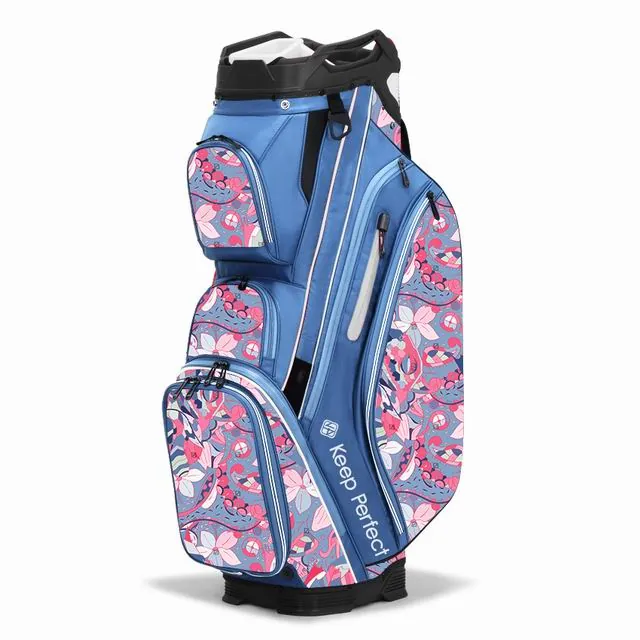
A custom golf travel cover is the single-most-versatile piece of protective branding in the golf kit: it slides over bare clubs, travel bags, staff bags or half-sets, shielding expensive shafts and heads from scrapes, dust and weather while carrying a full-print logo that turns any outing into a rolling advertisement. Because a cover fits over equipment you already own, it is far cheaper than a full travel bag and works with a wider range of club configurations — yet it delivers much of the same protection and visibility. This guide, from QUANZHOU JUNYUAN BAGS, covers how to design, build and source custom travel covers for clubs, academies and brands. Our founder entered the golf trade in 2004 and the company was established in 2014; we manufacture on an affiliated 4,950 m² main factory across seven production lines, 126 sewing machines and 137 staff, with a standard MOQ of 200 pieces and 100 for test orders."
What a Custom Golf Travel Cover Does
A custom travel cover is a protective outer shell that zips or cinches over a set of clubs already in a bag, shielding the top of the clubs, the grips, and often the entire bag, from the knocks of transit and storage. It is the pragmatic cousin of the full hard case: where a standalone travel bag needs to hold clubs by itself, a cover works with whatever bag the golfer uses, from a carry bag to a staff bag, protecting and branding without doubling the equipment a player owns.
This versatility is its greatest strength. A club, academy or team that equips its members does not need to buy a different travel case for every bag type — one well-made cover fits the range, with drawstrings or straps cinching it to size. Because a cover is lighter than a hard case and folds flat for storage, it is easier to keep near the pro shop or hand out at tournaments. It protects exactly what matters most — the vulnerable club heads and shafts above the bag's rim — while adding an easy-to-store branded layer.
For equipment beyond the clubs, a custom cover is equally useful. Covers can be built to fit push carts, trolleys or padded harness systems, and larger soft covers protect the whole bag in transit. This is why custom covers appear across the full product range — they scale from a simple head hood to a full-body travel shield while keeping the same branding logic. One factory line can deliver a matched family of covers for clubs, bags and carts under a single brand identity.
QUANZHOU JUNYUAN BAGS builds golf travel bags on an affiliated 4,950-square-metre main factory that entered the industry when our founder started in 2004 and was established as a company in 2014. The facility runs seven production lines with 126 sewing machines and a team of 137 staff, supporting a monthly capacity of up to 200,000 units for more than 200 brands across 100+ countries. Sampling typically takes 10–20 days and bulk production 45–60 days, with a standard MOQ of 200 pieces and 100 for test orders. The factory was independently audited by SGS in March 2026. Contact service@junyuanbags.com or +86 17750020688.
The Difference Between a Travel Bag and a Travel Cover
Choosing between a full travel bag and a cover comes down to how much structure the equipment needs. A hard or soft travel bag is a self-contained container that holds the clubs without their own bag; it gives the highest level of protection and is the standard for serious air travel. A cover, by contrast, is an add-on protective layer over an existing bag and clubs — lighter, cheaper and far more flexible, but not a substitute for a hard case on the roughest airline handling.
Many players use both, and that is the smartest strategy. A durable soft cover protects the heads and grips for the everyday flight or car journey, while a hard case is reserved for the occasional long-haul trip that faces heavy handling. This tiered approach keeps weight down for routine travel (which also keeps checked-bag fees and over-limit risk in check) while preserving maximum protection exactly when it is needed. Our travel covers line and hard-case line are designed to complement rather than compete.
Understanding this difference matters for both golfers and brands. For a brand, it means the product line can address two distinct needs and capture both purchase moments. For the golfer, it means buying the right level of protection for the trip rather than over-paying for structure they will only occasionally need. A clear-sighted match between the gear, the travel pattern and the protection level is the fastest route to both safety and value.
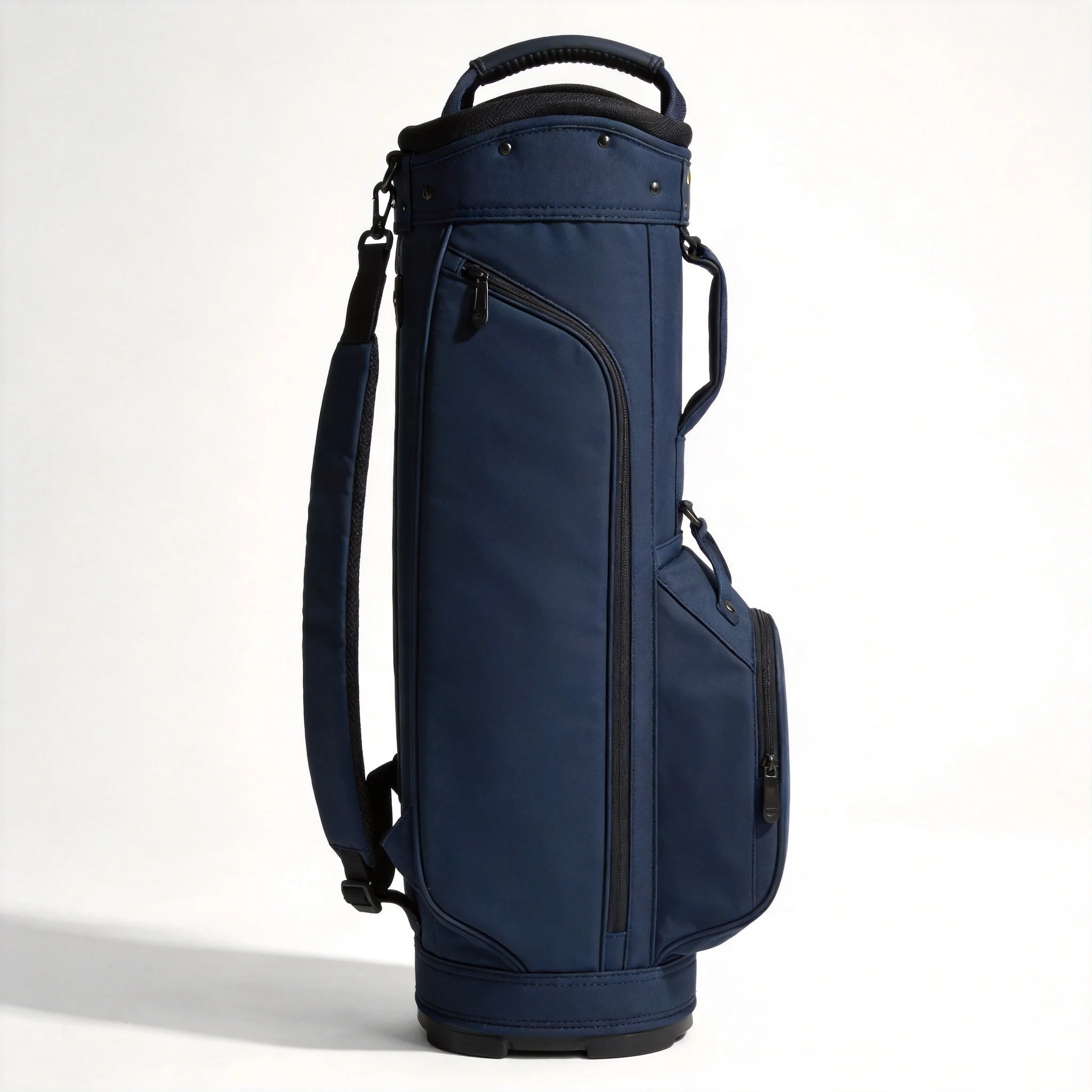
Soft Cover
A plush soft cover shields club heads and grips while folding flat for storage.
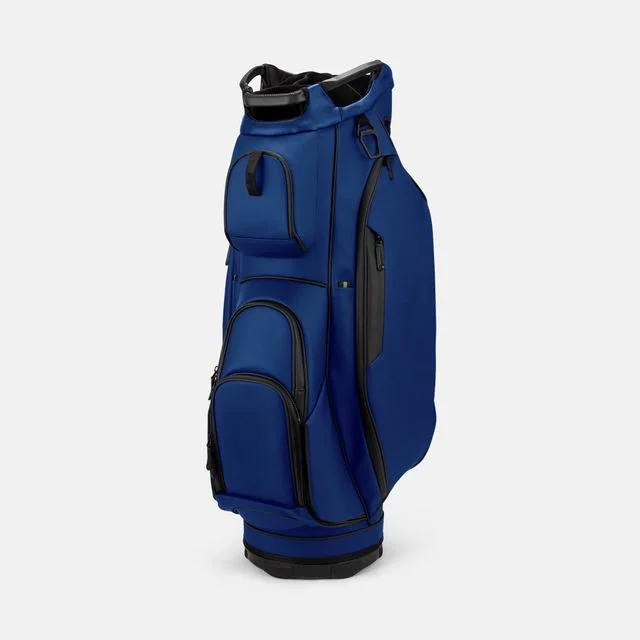
Versatile Fit
One cover cinches over carry, cart or staff bags, widening the brand's reach.
Designing for a Range of Bags and Equipment
A custom cover that fits one bag is useful; a cover that fits a family of bags is a product. When designing a cover for clubs or equipment, the critical dimensions are the circumference around the bag's broadest part, the height needed to cover the club tops and grips, and how the closure — zipper, drawstring or elastic band — cinches it down onto bags of different sizes. Building in a little adjustability lets one SKU serve carry, cart and staff bags.
Protection for the equipment is the core job. A padded or plush-lined top absorbs the impact that would otherwise reach club heads, and a firm but flexible construction holds its shape so the clubs are not crushed. Reinforcement at the base and stress points, plus a weather-resistant floor, shields the bag from dirt and moisture when set down. Our materials guide walks through the fabrics and paddings that balance weight, stiffness and cushioning.
Finally, the cover has to be genuinely easy to use or it will not be used. Webbing handles that make the loaded cover easy to grab, a well-positioned zipper that opens fully, and secure cinching that does not fight the user are the details that separate a cover people reach for from one they abandon. When a cover is easy, it travels more, and every journey is another protected set of clubs and another visible logo.
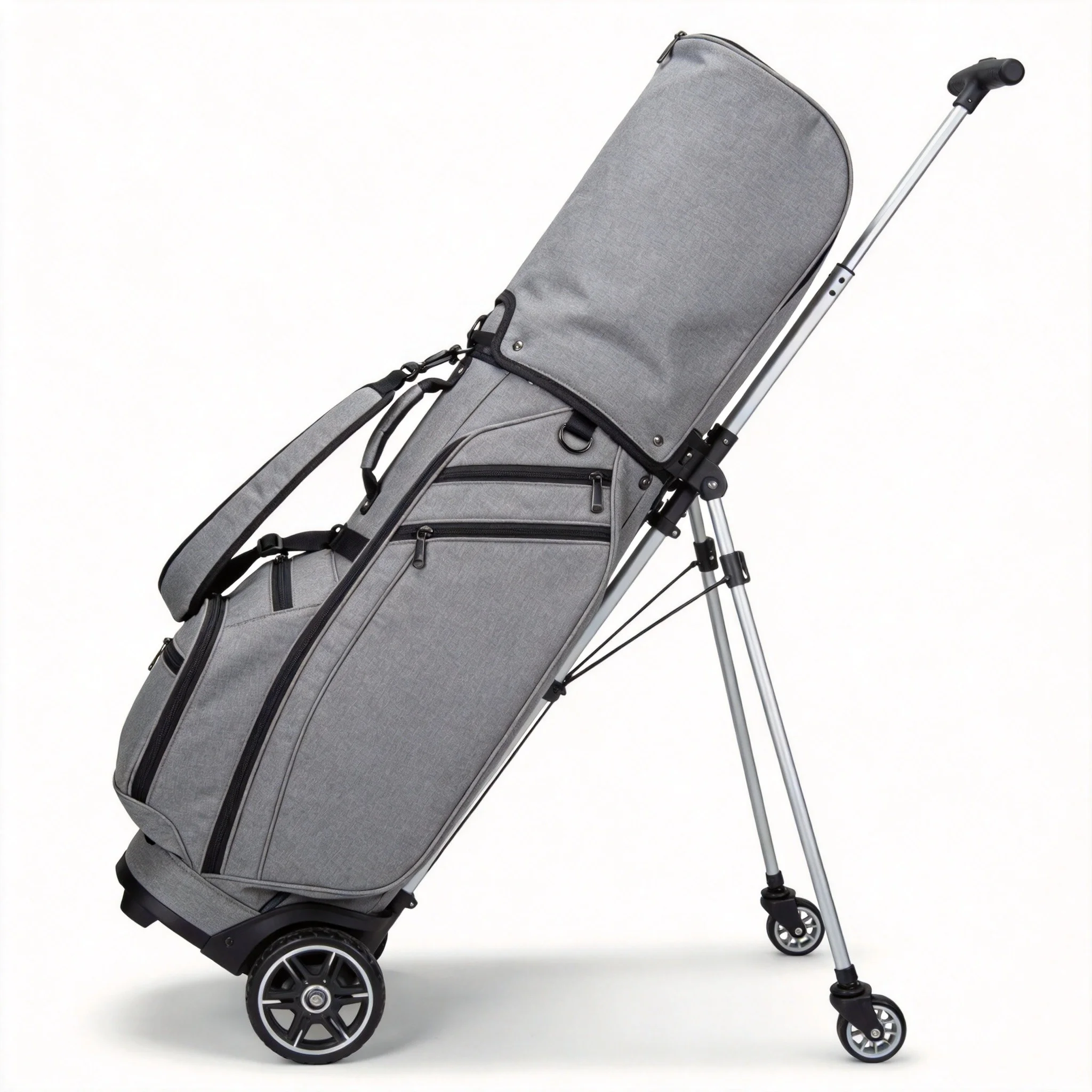
Padded Protection
A cushioned top layers absorb impact over club heads while webbing handles and cinching make the cover easy and secure to use.
Branding a Cover That Travels
A golf cover is a printed a canvas for brand work. Unlike a bag with multiple curved pockets, the outer shell of many covers is a broad, relatively flat surface — ideal for a full-colour logo, a bold crest, a sponsor mark or a team-colour sweep that reads clearly from across the car park or the terminal. This large printable area is why covers are a favourite of academies, resorts and sponsors that want maximum visibility for minimum SKU count.
The durability of the decoration is the deciding factor. Heat-transfer and screen print hold full-colour art well on a smooth shell, while embroidery adds a premium, resilient shoulder for a smaller crest or wordmark. Because a cover is dragged, set down and bumped far more than a static bag, the print should sit on abrasion-resistant fabric that does not pull or fade. We recommend pairing a printed panel or accent with a stitched brand mark to combine vivid colour with long-lived embroidery.
Placement deserves the same attention as the art. A logo that sits at the top or on the side where observers look reads best; adding a second placement on the opposite face or hood keeps the brand visible from any angle, including standing against a trolley or on a carousel. Pantone-matched colour keeps the cover consistent with the club's full identity. Our design and sampling studio produces a physical proto so the club approves exact colour and placement before the production run.
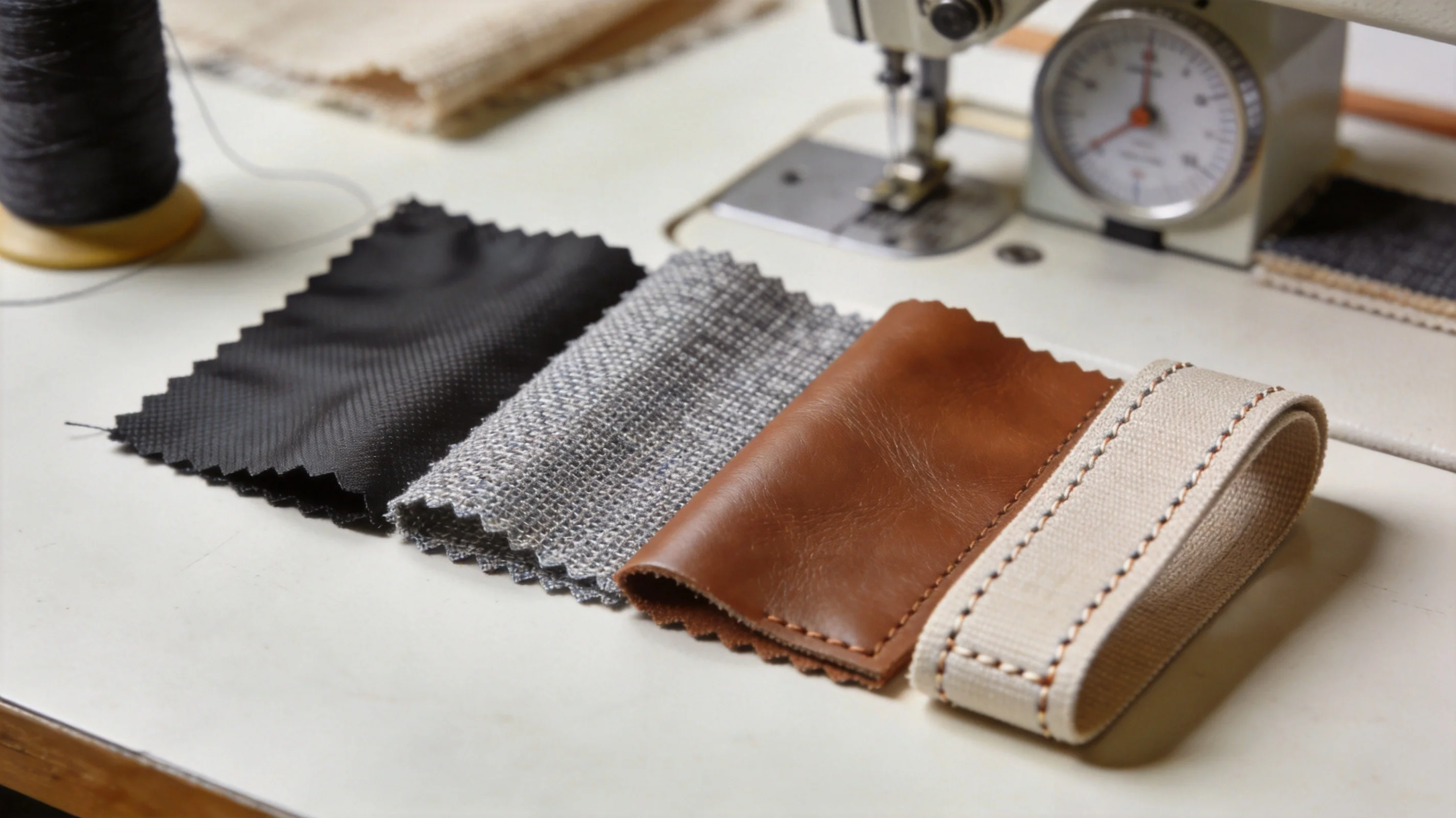
Colour and Fabric
Pantone-matched fabric and print keep the cover on-brand with a club or sponsor.
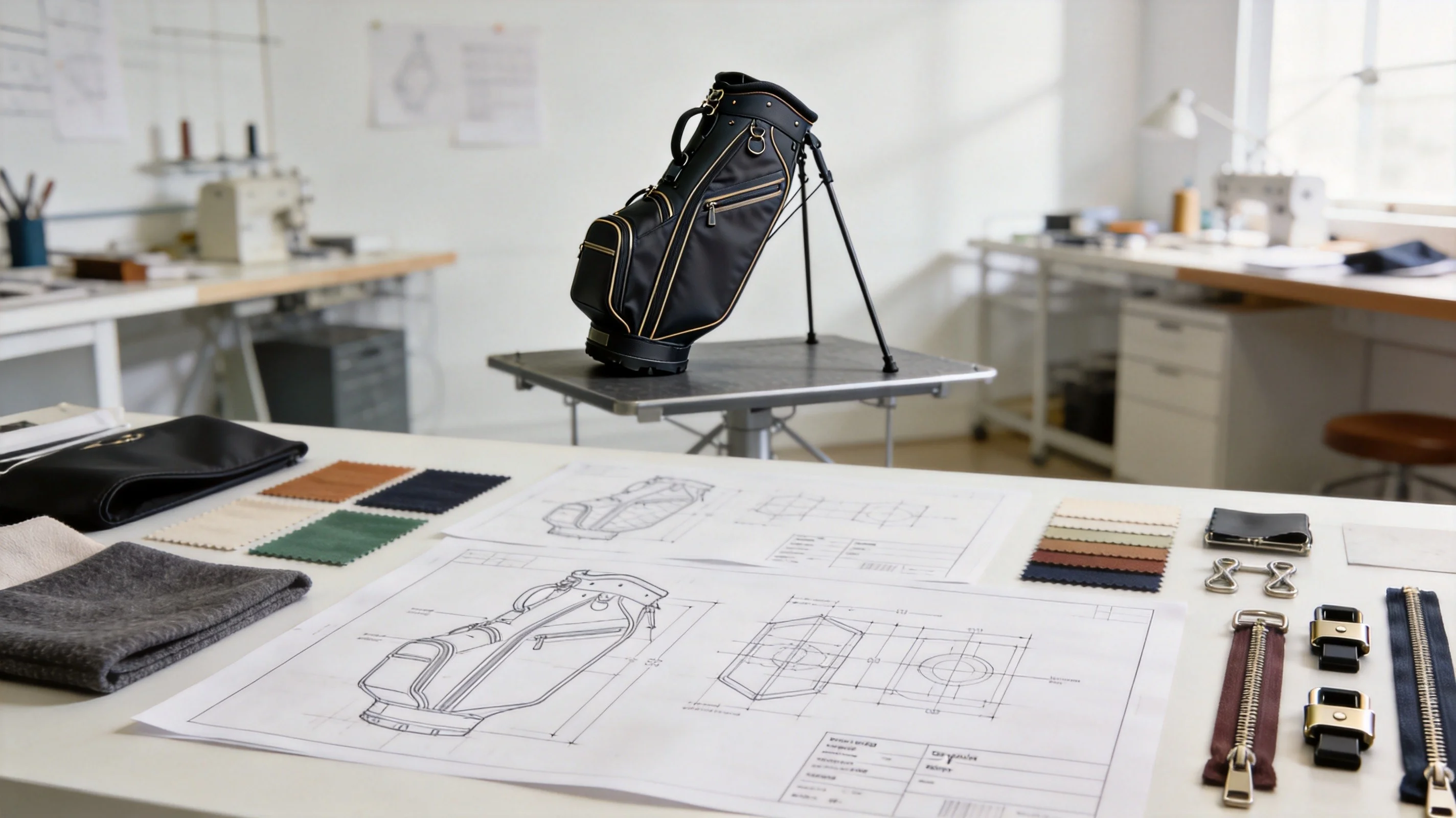
Sample Approval
A physical prototype locks in print, stitching and fit before bulk production.
Covers for Clubs, Carts and Match Fittings
Golf covers are not limited to one bag shape. Many clubs want a matched set: a cover for the carry bag members use for weekday play, a wheeled bag cover for the travel set, and a cart or trolley cover for push-cart enthusiasts. Keeping all of these on one brand system — same logo, colour and quality — turns scattered kit into a recognisable fleet, and it simplifies ordering because one factory can supply the whole family in one campaign.
Match-fitted covers also protect varied equipment correctly. A cart cover has to fit around the trolley's frame and wheels while shielding the bag; a staff-bag cover must accommodate a larger, taller bag and its full club complement; and a head-cover-style hood protects just the clubs for a half-set or Sunday bag. Matching the cover to the exact equipment and travel setting is what makes it both protective and practical.
This range also broadens the commercial opportunity for pro shops and retailers. A small, curated collection — two or three cover styles in uniform branding — fills a display with high-margin, easy-to-wear add-on sales that pair naturally with the club purchase. It is the kind of coherent range that makes a brand feel complete and a shop look intentional, and it is straightforward to stock because covers fold compactly.
Choosing Materials and Padding That Last
Material selection determines how long a custom cover stays good-looking and how well it protects. A heavy-denier, abrasion-resistant outer resists the friction of transit and car trunks, while a water-resistant or coated finish sheds rain and luggage-handler spills. Inside, a padded or plush layer absorbs impact around the club heads. The balance is between enough stiffness to cushion and enough flexibility to pack easily.
Reinforcement at the wear points is where durable covers quietly earn their cost. The base that touches the ground should be tough and ideally water-resistant; the corners and seam junctions that take the most friction benefit from added binding or double stitching; and handles and zips should be heavy-grade so they do not fail on the first hard trip. Our quality-control process inspects these details at every stage precisely because they are what members notice in the field.
For brands and clubs buying in quantity, the material choice also shapes the unit economics and the sustainability story. Recycled or eco-conscious fabrics let an academy or resort add a responsible angle to its branded gear without sacrificing durability, and coated or ripstop constructions keep weight low. The right fabric, matched to the journey and the brand, makes a cover that performs and lasts — and keeps performing as an advertisement year after year.
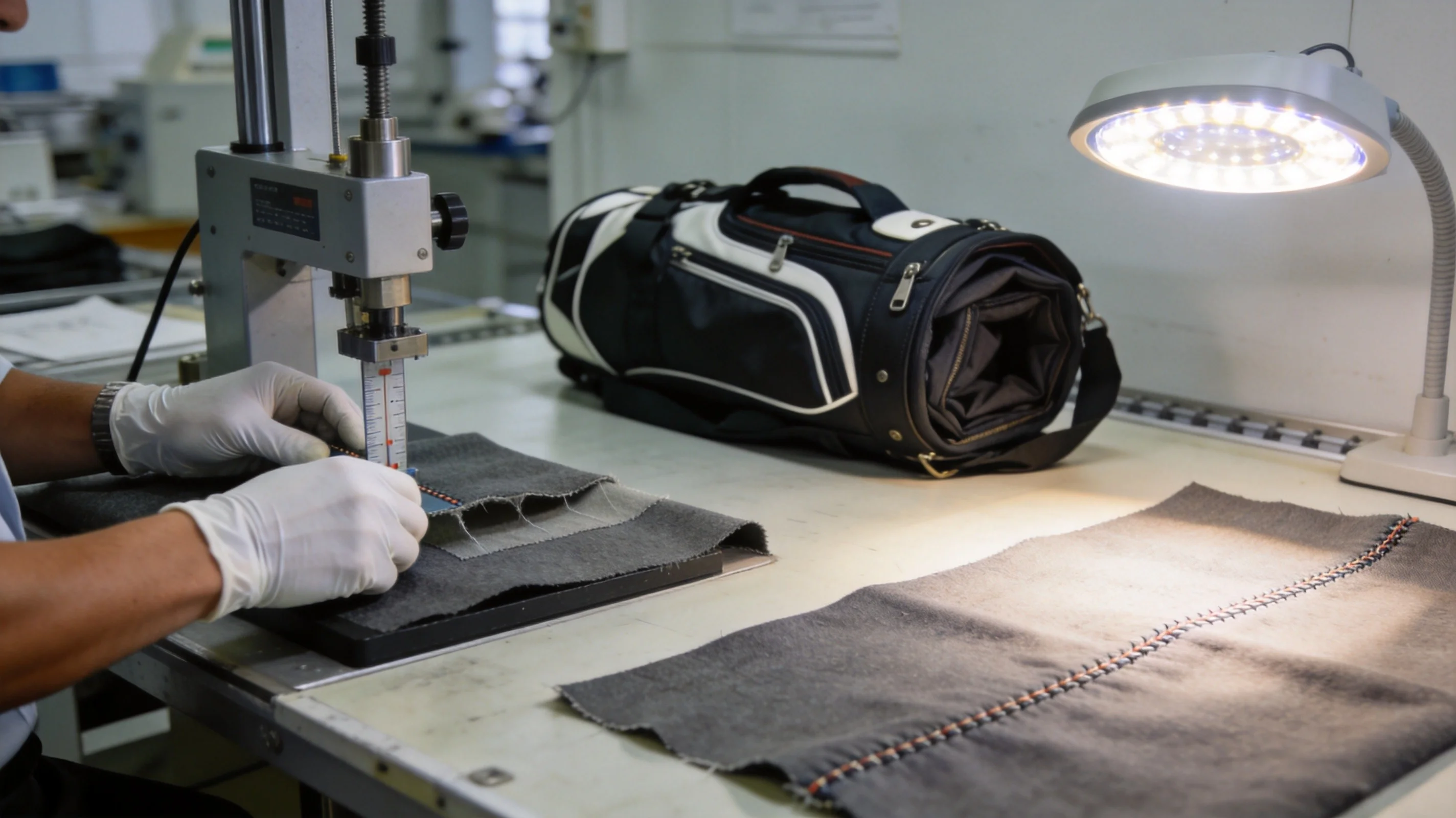
Tested Construction
Routine inspection of seams, zips and reinforcement keeps custom covers dependable and long-lived.
Protecting Equipment Beyond the Clubs
A custom cover's protective value extends well beyond golf clubs. Soft covers shield the entire club bag — its pockets, zips and trim — from handle-to-handle scuffs, and can protect accessories such as rangefinders and gloves packed in the bag. For simultaneous storage, covers keep dust, sunlight and humidity off equipment between seasons, slowing the fading and cracking that idle clubs suffer.
This makes a cover useful in the long gaps as well as the journeys. Storing a bag under a fitted cover in the garage or on the clubhouse rack preserves both the clubs and the bag's finish, so a member's set looks and performs newer for longer. For an academy managing many sets, covers are a simple way to keep shared equipment presentable and protected — a small per-unit investment that protects a far larger asset base.
Protection during sea or long-haul freight follows the same logic. A cover adds a durable first line over a bag shipped from a manufacturer to a retailer or from a pro shop to a remote member, and it necessarily arrives with the brand on display. Whether the audience is a baggage carousel or a storage rack, a cover protects and advertises at the same time, which is precisely the combination that justifies its cost.
Sourcing, MOQ and Lead Times for Branded Covers
When a club or brand is ready to source custom covers, the planning mirrors a good travel-bag program. Confirm the number of covers and the bag types they must fit, supply vector artwork and Pantone references, and set the delivery season. Our standard MOQ is 200 pieces with 100 available for test orders, letting a club sample the design and fit before the full rollout — a risk-free way to approve the actual cover rather than a drawing.
Lead times are the schedule constraint to lock into the calendar: sampling runs 10–20 days and bulk production 45–60 days from an approved sample. Clubs that order against the season, rather than in a last-minute rush, reach the pro shop in time for the trips and tournaments that matter. Confirming the ledger — lead time, incoterms, inspection checkpoint — in writing keeps the campaign predictable.
Buying factory-direct through our wholesale channel lets clubs and pro shops keep the margin that makes a branded-cover program self-funding, and private-label or ODM services let a partner brand fold the cover into a complete merchandise line under one source of accountability. Because shipping is lower for fold-flat covers than for bulky hard cases, the economics for a distributed rollout — sending covers to many members or shops — are especially favourable.
QUANZHOU JUNYUAN BAGS builds golf travel bags on an affiliated 4,950-square-metre main factory that entered the industry when our founder started in 2004 and was established as a company in 2014. The facility runs seven production lines with 126 sewing machines and a team of 137 staff, supporting a monthly capacity of up to 200,000 units for more than 200 brands across 100+ countries. Sampling typically takes 10–20 days and bulk production 45–60 days, with a standard MOQ of 200 pieces and 100 for test orders. The factory was independently audited by SGS in March 2026. Contact service@junyuanbags.com or +86 17750020688.
Common Mistakes When Designing Custom Covers
The errors that undermine custom covers are consistent and avoidable. Ordering a single one-size cover that fits poorly is the most common; it protects badly and looks off-brand, so measure the bag range and build in adjustability. Ignoring where the cover will be worn and printed on a scrubbed, low-grade fabric makes the logo fade and scuff quickly, cheapening the brand with every use.
Skipping the physical sample is another frequent mistake. A cover can look right in a rendering and be slightly too short over the club heads, or slide awkwardly over one bag style while fitting another. A quick test-order proto at 100 units reveals fit and print issues before you commit to a large, unmovable production run. It is the cheapest insurance in the whole purchasing cycle.
Finally, budgeting only against per-unit price ignores the programme's goal. A cover bought cheaply but never used, or used once and torn, is far more expensive than a well-made cover that travels and advertises for years. Weigh the cost per trip and per impression rather than the tag price alone. A cover that is built well, fits well and is branded well is the difference between a routine purchase and a durable marketing asset.
Custom Golf Travel Cover Quick Reference
Use this quick reference to match a custom cover to the equipment and travel setting it must protect and promote.
| Cover Type | Fits Over | Where It Helps | Branding Surface | Weight & Storage |
|---|---|---|---|---|
| Club-head hood | Bare club tops, half-set | Everyday storage, light travel | Small, close on heads | Tiny, very light |
| Soft bag cover | Carry / cart / staff bag | Air and road travel | Large printable shell | Light, folds flat |
| Wheeled cover | Bag on wheels | Long trips, terminals | Medium shell + pockets | Moderate, rolls |
| Cart / trolley cover | Push cart, trolley | Walking travel, storage | Medium sides | Light, easy store |
A flexible family of covers matched to the bag range and travel pattern gives maximum protection and brand reach for the smallest number of SKUs — and the most efficient rollout.
Build a Custom Cover Family for Your Club or Brand.
Design flight-ready, logo-perfect travel covers for clubs, carts and equipment. Our factory-direct team supports Pantone matching, print and embroidery, physical sampling and bulk or private-label rollout.
Explore Custom Travel Covers →Frequently Asked Questions
- What is the difference between a travel bag and a travel cover?
- A travel bag is a self-contained container holding clubs alone; a cover is a protective branded layer that fits over the clubs already in a bag. Many players use both.
- Will one cover fit carry, cart and staff bags?
- Many soft covers are designed with cinching or elastic closures to accommodate a range of bag sizes; confirm the circumference and height range for your bag family.
- What is the MOQ for custom covers?
- Our standard MOQ is 200 pieces, with 100 available for test orders so you can approve a physical sample first.
- How long does a custom cover order take?
- Sampling takes 10–20 days and bulk production 45–60 days from an approved sample, so plan a few months ahead of the season.
- Should I use print or embroidery on a cover?
- Print is best for large, full-colour panels; embroidery is most durable for a crest. Many designs combine a printed panel with a stitched mark.
- Do you offer matching sets of covers and bags?
- Yes. We produce matched families of covers and bags under one brand identity, and can fold them into a private-label or ODM range.
Sources
- USGA — golf equipment care and protection references supporting cover design.
- SGS — independent factory verification behind the manufacturing claims in this guide.
- ASTM International — material and textile test methods informing fabric and padding choices.
- IAGTO — golf tourism data illustrating the travel settings where covers are used.
Related Reading
Explore more of our expert guidance on golf travel bags and manufacturing to plan the right product for your next trip or program:
- Branded travel bags for golf club members — branded bags that double as club merchandising and member value.
- Wheeled travel protection — wheeled covers engineered for repeated airport use.
- Golf bag materials guide — which fabrics and coatings protect, fade less and last longer.
- Factory-direct wholesale — economical ordering for large-scale cover programmes.
- OEM & ODM sampling — sample-first workflow that de-risks a custom cover roll-out.
- Custom solutions — tailored cover and bag solutions for clubs and brands.