Golf Bag Eco-Friendly and Sustainable Materials: The Full Guide

The full range of golf bag eco-friendly and sustainable materials centers on GRS-certified recycled polyester for shells and linings, GOTS organic cotton for interiors, bio-based trims and cleaner bluesign/OEKO-TEX chemistry — each verified and producible at a 200-piece MOQ with 100-piece test orders.
Every sustainable golf bag is built from a set of material decisions. The shell needs strength and weather resistance; the lining protects clubs and valuables; trims, zippers and bases carry small but repeated impact; and coatings determine waterproofing and chemistry. Choosing the right eco material for each role is what makes a bag genuinely sustainable rather than superficially green.
This reference is written from QUANZHOU JUNYUAN BAGS, a golf bag manufacturer in Quanzhou, China founded in 2014 (our founder entered the golf bag industry in 2004). It explains every sustainable material, where it is best used, how it is verified, and how to source a bag built from them.
Mapping the Sustainable Material Toolkit
Think of sustainable materials as a toolkit assigned to roles. The shell and high-wear zones take recycled polyester (rPET) for strength; linings and soft zones take organic cotton or rPET for feel and protection; trims, zippers and feet take recycled content where available; coatings carry cleaner chemistry. Each choice has a verification path. rPET carries GRS or RCS; organic cotton carries GOTS; clean chemistry carries bluesign or OEKO-TEX; recycled trims carry GRS where available. Assembling these verified materials is what makes the whole bag defensible. Start from the material map rather than a single 'green fabric.' A bag that matches each material to its role both performs better and tells a cleaner story. Our golf bag materials guide catalogs the full set.Recycled Polyester (rPET) for Shells and Linings
Recycled polyester is the backbone of the eco toolkit. Derived from post-consumer bottles and polyester waste, rPET is re-extruded into yarn and woven into 600D-to-1680D fabrics. It dominates shells, linings, dividers and binding because it replaces the most material with a verifiable recycled source. At the right denier, rPET matches virgin polyester in tear strength, abrasion and color stability, so the shell stays durable while carrying recycled content. It also takes the same PU/TPU coatings, preserving waterproof performance. Because rPET is a mainstream commodity, it is available at standard MOQs and near-virgin pricing. This is why it is the first material most brands adopt. Our material options comparison weighs the grades.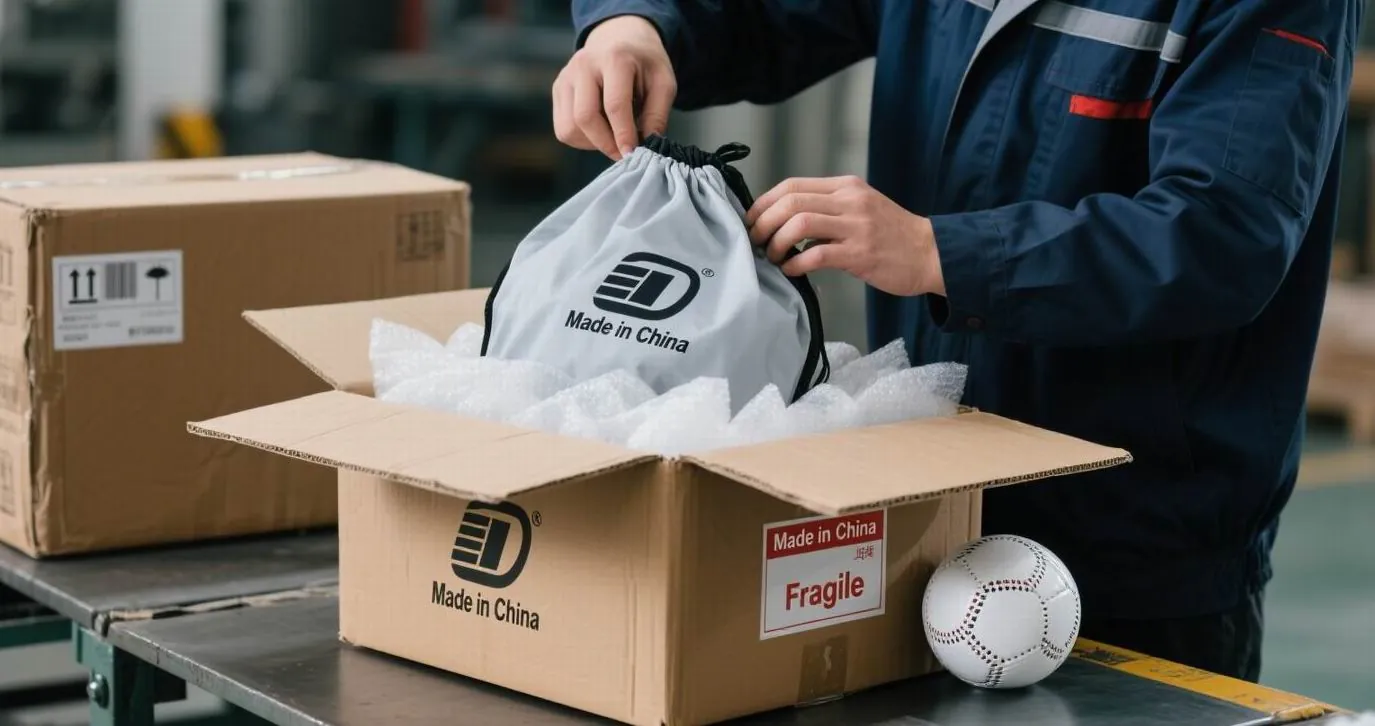
GOTS Organic Cotton for Interiors
Organic cotton, certified by the Global Organic Textile Standard (GOTS), replaces conventionally grown cotton in linings, pocketing, valuables pouches and soft padding. Grown without synthetic pesticides and fertilizers, it reduces chemical load and supports healthier soil and water. Organic cotton suits the bag's interior because it is breathable and soft against clubs and valuables, while the weather-facing shell remains coated recycled polyester. It is a natural complement to a recycled shell, blending recycled and organic stories. GOTS also enforces social criteria, so choosing it supports ethical as well as environmental production. For a bag that touches the body and carries personal items, organically certified interiors resonate strongly with eco-aware golfers.Bio-Based and Renewable Feedstocks
Bio-based polymers derived from corn, sugarcane and other renewable feedstocks are entering trims, buckles, feet and some linings. They offer a renewable-carbon profile and are most practical today in non-structural parts rather than fully waterproof shells. For the shell, bio-based polymer is usually blended with recycled or virgin polyester so the bag keeps its strength and weather performance. Drop-in bio materials that match conventional performance are expanding but remain partly niche for outer shells. When a supplier mentions bio-based parts, confirm the feedstock, percentage and documentation. Honest bio trims complement a recycled shell and move the bag's renewable share up without risking durability. Our eco design guide positions these materials.Recycled Trims, Zippers and Hardware
The small parts matter: recycled polyester zipper tape, recycled-moulding buckles and sliders carry recycled content into components buyers rarely inspect. Multiplied across a run, even small recycled inputs accumulate real volume. Hardware is also brought under restricted-substance control, so zippers, buckles and feet meet defined safety limits. This helps the finished bag enter regulated markets cleanly and supports the overall chemistry story. Specify recycled trims on the bill of materials so the content story is consistent from shell to zipper. Our OEM/ODM service page explains how the full parts list is managed toward a coherent eco build.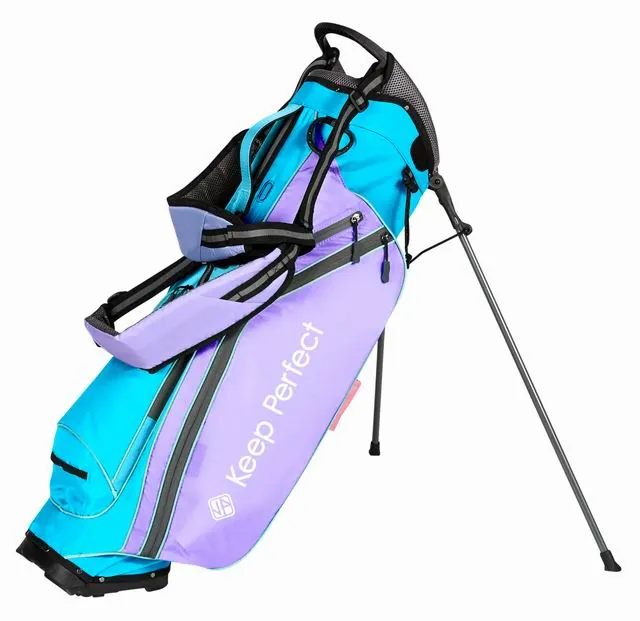
Cleaner Coatings and Chemistry
Waterproofing and finish rely on coatings, which is where chemistry matters most. Cleaner PU/TPU coatings and water-repellent treatments reduce harmful substances while keeping the bag weatherproof. Bluesign-processed inputs and OEKO-TEX® Standard 100 data make this verifiable. Water-based inks for decoration and low-VOC finishes complete the cleaner-chemistry picture, cutting emissions in the factory and keeping the product safe to handle. For the buyer, the request is simple: ask for the chemistry data behind coatings, inks and trims. Objective, comparable reports are the surest defense against greenwashing here. Our certification guide lists what to collect.Building the Verified Material Chain
A sustainable material is only as good as its documentation. Assemble the chain: GRS/RCS for recycled content, GOTS for organic, bluesign/OEKO-TEX for chemistry, and SGS for the facility. Each link covers a different part of the story, and together they make the bag defensible end to end. QUANZHOU JUNYUAN BAGS completed a 2026 SGS factory audit, and its material sourcing can supply certified rPET, GOTS organic and clean-chemistry inputs. This lets a brand assemble a fully documented eco chain rather than a patchwork of claims. Without this chain, a 'sustainable' bag is vulnerable to scrutiny. With it, every claim in your marketing is backed by a certificate or report. Our about page summarizes our compliance standing.Durability and Performance of Eco Materials
Sustainable materials must not weaken the bag. rPET at the correct denier matches virgin strength; organic interiors perform as well as conventional ones in soft zones; cleaner coatings preserve waterproofing. Skillful construction — reinforced stress points, sealed seams, robust hardware — keeps the total bag durable. Durability is itself a sustainability factor because a long-lasting bag avoids replacement. Eco materials therefore work best in a bag that is also engineered to last, which is why testing is inseparable from sustainable sourcing. Ask for the same stress, abrasion, tear and waterproof reports on the eco version as on the conventional one. Our quality control guide explains the standard battery.Packaging as the Final Sustainable Material
The bag is sustainable, but what is its box made of? Recycled and recyclable cartons, recyclable polybags and minimal foam complete the material story. Efficient packing also ships more bags per container, shrinking transport footprint and cost. Treat packaging as part of the bill of materials: specify recycled content and recyclability just as you specify the shell. Small packaging improvements compound across thousands of units. An eco bag shipped in an unrecycled, overstuffed box undercuts the entire story. Closing this gap is a low-cost, visible win that rounds out the sustainable material toolkit. Our procurement guide covers packaging specs.Sourcing with the Full Toolkit, Practically
Because all these materials are mainstream, the full toolkit fits inside standard manufacturing. A 200-piece MOQ per design and colorway with a 100-piece test order covers a sustainable line; sampling runs 10-20 days and bulk production 45-60 days. Assemble the toolkit with a single purchase order: rPET shell, organic lining, recycled trims, clean chemistry and reduced packaging, each with its certificate. This coherent build is stronger than a patchwork and simpler to market. Start with a small test order to validate performance and the documented story before scaling. Our order process guide walks through the steps.Conclusion: A Complete Eco Material Strategy
A genuinely sustainable golf bag is built from a complete material strategy, not one green fabric. rPET shells, GOTS organic interiors, bio-based and recycled trims, cleaner chemistry and light packaging together deliver a verifiable, high-performing bag. These materials are standard, affordable and producible at practical MOQ. QUANZHOU JUNYUAN BAGS can assemble the full toolkit at a 200-piece MOQ with 100-piece test orders, sampling in 10-20 days and bulk in 45-60 days, from a 2014-founded factory with a 2026 SGS audit. To build a golf bag from the full sustainable material range, contact service@junyuanbags.com or +86 17750020688.The Frontier: What's Next in Sustainable Bag Materials
The next wave of sustainable materials is already forming. Higher recycled-content deniers are reducing the virgin blending needed for heavy shells, while improved recycled yarns are closing the color and hand-feel gap. Expect recycled content percentages to rise and blends to thin over the next few product cycles. Bio-based and drop-in polymers continue to mature, progressing from trims toward more structural parts. When they reach reliable volume with certificates, they will join rPET and organic cotton as a standard toolkit choice rather than a point of novelty. Smart buyers monitor these trends and pilot them through test orders as they mature. Adopting the frontier early, while keeping documentation current, lets a brand lead its market on sustainability rather than follow it. The materials roadmap is moving steadily in one direction.Balancing Eco, Performance and Cost in One Bag
No sustainable material is chosen in a vacuum; each must balance eco, performance and cost. rPET wins on all three for the shell — high strength, verified content, near-virgin price — which is why it anchors the toolkit. Organic cotton trades a higher cost for natural, ethical interiors where performance demands are lower. Cleaner chemistry adds safety and export value with minimal cost impact, and recycled trims contribute a small but real content gain. The art is matching each material to a role where it delivers value on all three axes, avoiding over-engineering an expensive solution where a standard one suffices. At a 200-piece MOQ, this balancing is feasible. A brand can specify an rPET shell, organic lining and recycled trims in a single program that hits performance, meets its eco claim and stays within budget — the practical definition of a well-designed sustainable bag.Turning Materials Into a Sellable Story
Sustainable materials are only worth the investment if they sell. The strongest sell-through story is specific and documented: name the recycled percentage, cite the standard, show the durability, and describe the packaging. These concrete facts outperform abstract 'eco' claims at the point of sale. Visual and tactile cues reinforce the story — a label stating GRS content, a matte recycled shell, an organic lining a shopper can feel. Retailers appreciate products whose sustainability is easy to explain to a customer in a few seconds. From a factory's perspective, packaging that material story into the product and its documents is part of the service. QUANZHOU JUNYUAN BAGS provides the certificates and data a brand needs to tell that story confidently, turning sustainable materials from a cost center into a selling advantage.Selecting Grades to Match Performance and Sustainability
Material selection is about choosing the grade that meets performance while carrying sustainability. A 1680D recycled shell handles heavy use; a 600D recycled lining protects clubs; a 150D recycled liner reduces weight. Matching grade to zone optimizes both function and material footprint. Higher recycled-content grades are requested when the claim emphasizes percentage; stable blends when performance dominates. The factory's role is to quote options across grade, recycled percentage and price so the buyer chooses the honest optimum. Because grades are specified and tested at sampling, the selected material is locked before bulk production. This grade discipline ensures the delivered bag performs exactly as the sustainable spec intended.Lifecycle Thinking Beyond the Shell
Genuine material strategy looks beyond the shell to the whole lifecycle: the recycled content up front, the durability that extends use, the chemistry that keeps it safe, the packaging that trims waste, and the end-of-life path that recovers value. Each stage is a separate design decision. Lifecycle thinking avoids the trap of a green shell in an otherwise wasteful product. It balances the claim across the bag's whole journey, making the product honest from manufacture to disposal. For the brand, lifecycle thinking strengthens the story and prepares it for emerging 'products-as-system' expectations. A bag that considers its full cycle, and documents it, is positioned ahead of a one-note recycled claim.The Roadmap for Sustainable Material Sourcing
Sourcing sustainable materials follows a roadmap: confirm the recycled or organic feedstock and its certificate, qualify the mill and grade, order against forecast, verify each lot's documentation, and trace it into the finished bag. Each step protects the claim from source to shelf. Because sustainable materials enjoy growing supply, the roadmap is increasingly smooth. Recycled yarn is abundant, organic cotton is established, and cleaner chemistry inputs are standard. The main effort is documentation discipline rather than finding materials. A factory that runs this roadmap routinely, as QUANZHOU JUNYUAN BAGS does, turns sustainable sourcing into a repeatable process rather than a research project — faster, cheaper and more reliable for the brand.Future-Proofing Your Bag Against Material Change
Materials evolve, so future-proof a design to absorb change. Specify performance outcomes — strength, abrasion, waterproof, weight — rather than only a specific fabric, so when a greener grade arrives, it can be swapped in without redesigning the bag. Keep certificates and test methods current so new material grades can be qualified against the same benchmarks. A design with headroom in the spec accepts improving recycled or bio-based inputs without re-engineering. Future-proofed brands adopt each wave of cleaner material as it matures, staying ahead of competitors and regulation alike. This forward-looking approach turns sustainability from a fixed feature into a durable competitive edge.Mapping the Certified Supplier Landscape
A sustainable materials program depends on the certified supplier landscape. Recycled yarn and fabric are served by established mills holding GRS or RCS certification; organic cotton by GOTS-certified producers; cleaner chemistry by bluesign-and-OEKO-TEX-aligned suppliers. Knowing this map helps a buyer seek the right partners. Concentration risk is real: certified supply is a narrower set than commodity polyester, so resilient sourcing keeps second approved sources and early ordering. A factory that maintains relationships with multiple certified mills pilots its capacity and protects the brand from stalls. The map also clarifies standards: verify that a supplier's certificate actually covers the material and scope claimed. With the right landscape, sustainable materials are as dependable as commodities — the practical condition for scaling an eco program.Cost Transparency With Sustainable Materials
Sustainable materials ask for cost transparency on both sides. The buyer wants to see precisely where the small premium lands — whether it is the certified yarn, the padded organic accents or lighter packaging — rather than a single blurred 'eco surcharge.' Line-item pricing builds trust that the program is engineered, not padded. The factory wants early visibility into an eco program's scale so it can order certified stock well ahead and hold firm lead times. Predictable demand lets the mill and the factory absorb the certification premium without passing along a panic premium on short notice. When both sides share the cost picture honestly, the premium shrinks toward its true minimum. This candor is why a recycled program negotiated in the open is also the one priced to last, for brand and factory alike.The Responsible Way to Begin
The responsible way to begin an eco program is small, documented and repeatable. Convert one proven style to a certified material at test-order scale, capture every certificate and photo, confirm the economics, then widen. Small begins are easier to defend, easier to fund and easier to scale than sweeping launches that outrun their evidence. Each small success produces the documentation the next step needs, so the program compounds rather than stalls. This is not slower — it is steadier, and steadier converts into a durable program exactly because nothing outruns the proof behind it. For a buyer who wants to act, the instruction is straightforward: ask the factory for a certified-material quote on your best-selling model, with certificates and audit in hand. From that single documented step, a practical, credible sustainability program begins.The Eco-Friendly & Sustainable Material Toolkit
| Material | Best Use | Verification | Key Advantage |
|---|---|---|---|
| Recycled Polyester (rPET) | Shell, lining, binding, dividers | GRS / RCS | High strength, verified recycled |
| Organic Cotton | Linings, pocketing, padding | GOTS | Natural, pesticide-free, ethical |
| Bio-based polymer | Trims, buckles, some linings | Material data | Renewable carbon |
| Recycled trims / zippers | Zipper tape, mouldings | GRS / RCS | Recycled in small parts |
| Cleaner coatings | Waterproofing, finishes | bluesign / OEKO-TEX | Weatherproof & safe |
| Recycled packaging | Cartons, polybags | Spec sheet | Less waste & shipping |
Looking for a Reliable Sustainable Manufacturing Partner?
Assemble the full sustainable material toolkit in one program: GRS rPET shell, GOTS organic lining, recycled trims, clean chemistry and light packaging. 200-piece MOQ, 100-piece test orders, sampling in 10-20 days, bulk in 45-60 days, backed by a 2026 SGS audit.
Request a Sustainable Bulk Quote →Frequently Asked Questions
- What is the best sustainable material for a golf bag shell?
- Recycled polyester (rPET) in a high-denier weave is the most practical shell because it balances durability, water resistance and verified recycled content.
- What bio-based materials can be used in a golf bag?
- Bio-based and drop-in polymers appear in trims, buckles and some linings, and are sometimes blended into shells; for waterproof shells they are usually combined with rPET.
- Are recycled zippers and hardware available?
- Yes. Recycled polyester zipper tape and, in growing quantities, recycled-moulding buckles and sliders are available for custom production.
- How is the environmental impact of these materials verified?
- Through certified supply chains: GRS/RCS for recycled content, GOTS for organic, bluesign/OEKO-TEX for chemistry, with SGS used for product and factory testing.
- Can I order a small sustainable batch to test?
- Yes. Sustainable materials are available at a standard MOQ of 200 pieces with 100-piece test-order options.
- Do sustainable materials raise the cost of a custom bag?
- The premium is usually modest at factory-direct prices and can be balanced by lighter packaging and lower decoration footprint; it depends on fabric grade and order structure.