Golf Bag Ergonomics and Comfort Design in 2025: What's Changed

Golf bag ergonomics and comfort design in 2025 are driven by four developments: lightweight yet durable materials that cut the carried load without weakening the bag; engineering-led balance that keeps the load stable and close to your back; smarter contoured strap geometry with quality padding; and a growing use of sustainable, recycled fabrics that match conventional strength. Together these make modern bags carry noticeably better than their predecessors, which is why comfort design has become a headline focus for manufacturers in every part of the industry. This guide captures the evolution as we build and advise on bags at our affiliated factory, QUANZHOU JUNYUAN BAGS (founded 2014, our founder active in the industry since 2004), which supplies 200+ brands across more than 100 countries.
How Comfort Design Evolved in Recent Years
Golf bag comfort has transformed in the last decade. Older bags were heavy, carried their weight awkwardly, and often used a single strap that concentrated pressure on one shoulder. Modern bags are lighter, better balanced and far more comfortable to carry, driven by advances in materials, an engineering-led approach to weight distribution, and a deeper understanding of how people actually carry a bag.
The change reflects a broader emphasis in the industry on the walker's experience and on ergonomics as a selling point. As participation in walking grew, so did the demand for bags that make carrying a full set easy and comfortable. Manufacturers responded with construction that distributes weight, pads the points that take pressure, and keeps the load stable with every step.
The result is that a quality modern bag is not just lighter, but genuinely more comfortable in the ways that matter - and this has shifted the whole standard of what players expect from their equipment.
Lightweight Materials: Reducing the Load
The first pillar of 2025 comfort design is lightweight yet durable materials. Modern bags use fabrics, frames and fittings engineered to be strong while adding minimal weight, so a bag holds a full set and carries comfortably without being heavy. Advances in both the materials and their construction - lighter frames, efficient panel design, minimal but functional hardware - have driven bag weights steadily down.
Lighter materials reduce fatigue across a round and make the bag easier to lift, carry short distances and handle. But the key is that they do this without sacrificing the durability a bag needs to last years. The best modern bags achieve the combination - light to carry, strong to last - through intelligent material choice and construction rather than simply removing material.
For the underlying science of these materials, see our advanced golf bag materials guide, and for how durable construction is achieved see our what makes a stand bag last.
Engineering-Led Balance and Weight Distribution
As bags have become lighter, balance has emerged as the decisive comfort factor. A well-balanced bag keeps its load close to your back and near your centre of gravity, so it sits stable and feels lighter than its actual weight. A poorly balanced bag carrying the same weight forces your body to constantly correct against movement, multiplying perceived effort.
Modern design achieves balance through deliberate weight distribution - placing heavier parts low and near the back, keeping the profile compact, and routing pockets so contents stay close to the body. This is engineering as much as design, and it is why two bags of similar weight can feel very different on your back. Balance is now a headline comfort feature, not a detail.
Testing for balance is simple: load the bag with its usual contents and walk, noticing whether it swings, tilts or pulls. A balanced bag stays centred almost effortlessly. Our golf bag weight and portability analysis explores how balance and weight interact in detail.
Smarter Strap Geometry and Padding
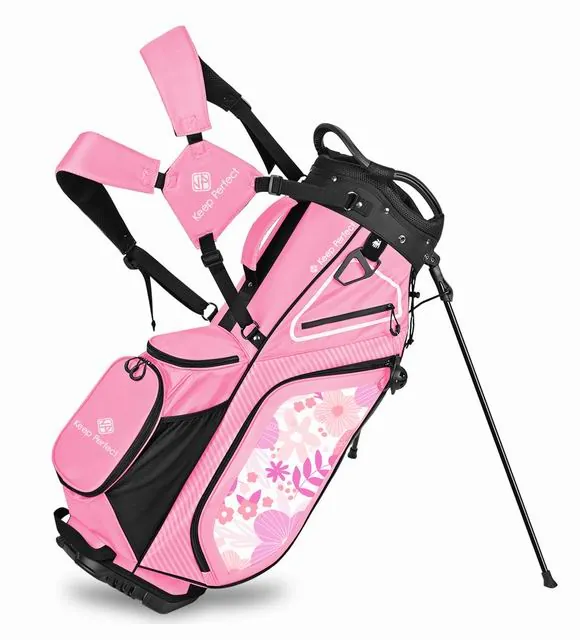
Strap design has become far more sophisticated. Modern bags use contoured, padded dual straps that follow the natural shape of the shoulders and spread weight evenly across both shoulders and the back. The harness is adjustable so the bag sits at the right height, snug against the body, with padding placed exactly where pressure lands.
This smarter geometry reduces the pressure points and fatigue that older single straps caused, and it keeps the bag stable as you walk. Padding has also improved - denser, more durable materials that absorb shock and survive many rounds without flattening. Together, geometry and padding make a real, felt difference in comfort across an eighteen-hole carry.
The strap system is the point of direct contact between you and the bag, so it carries the most ergonomic weight. For the full details of modern strap design, see our golf bag strap design guide, and for adjusting them to fit see how to adjust straps.
Sustainable Materials Without Compromising Comfort
A defining trend of 2025 is the rise of sustainable, recycled materials in golf bag construction. Modern recycled fabrics are engineered to match the strength, durability, weight and feel of conventional materials, so manufacturers can deliver environmental benefits without sacrificing ergonomics or comfort. You no longer have to choose between a sustainable bag and a comfortable one.
These materials support the lightweight and durable goals of ergonomic design, allowing greener bags that still carry well and last long. As demand grows, the range of recycled options improves, making sustainability an increasingly normal part of a well-designed bag. The trend reinforces that comfort and responsibility can go hand in hand.
For more on the materials side of modern design, see our eco-friendly golf bag sustainability guide and our materials guide.
Full-Length Dividers and Carrying Stability
Full-length dividers remain central to 2025 comfort because they keep clubs stable as you walk. By separating clubs all the way down the bag, they stop shifting, rattling and sliding with every step, so the load stays predictable and balanced. On uneven ground especially, a well-divided bag holds its load firmly where a looser bag shifts with every stride.
This stability reduces the constant small corrections your body would otherwise make against a moving load, adding comfort over the round as well as protecting the clubs. The combination of full-length dividers and balanced construction is one of the clearest signs of a bag engineered for carrying comfort. For the choice between configurations, our 14-way versus 5-way divider guide explains the trade-offs.
Improved Stand Mechanisms for Easier Set-Down
Stand mechanism design has also improved in parallel with the ergonomics of the bag. Modern stand bags deploy their legs smoothly and hold the bag stable on grass, sand and slopes, so you are not straining to prop the bag up or wrestling it upright. The legs are lighter, more durable and easier to operate without bending awkwardly.
When the stand mechanism works in harmony with the bag's balance, every set-down and pick-up becomes a calm, predictable action rather than a small fight. This reduces the accumulated effort of a whole round and completes the ergonomic picture of a well-designed 2025 bag.
| 2025 Comfort Trend | What It Does | Comfort Impact |
|---|---|---|
| Lightweight durable materials | Cuts carried load without weakening the bag | Less fatigue over a round |
| Engineering-led balance | Keeps load close and stable | Bag feels lighter than it is |
| Contoured padded straps | Spreads weight across both shoulders | Less pressure and soreness |
| Sustainable fabrics | Green materials that match strength | Comfort without environmental cost |
| Better stand mechanism | Smooth, stable set-down | Less effort at every pause |
Cart Bag Ergonomics in 2025
Ergonomics have expanded beyond carry bags to include the rider's experience. Modern cart bags are lighter and more manageable, with better handles, hip pads and balanced construction that make lifting them on and off the trolley, into the boot and around the clubhouse easier. Even though the cart carries the load, riders handle the bag many times a day, so its ergonomics matter.
A comfortable handle and hip pad reduce the strain of those repeated lifts, which is especially valuable for players with back or joint considerations who ride to reduce physical demand. Improved ergonomics in cart bags is one of the quieter but genuinely useful developments in 2025 comfort design.
How Ergonomics Is Built in During Manufacturing
The comfort of a 2025 bag is engineered during design and manufacturing, not added on after. Padded straps must be sewn to hold a full load without slipping, the frame must be engineered to balance correctly, and quality padding must survive many rounds. These are deliberate decisions in material selection, construction and quality control.
At our affiliated factory we manufacture ergonomically-designed bags across 7 production lines with 126 sewing machines and a team of 137 employees, to a monthly capacity of around 200,000 pieces, and every order passes a documented quality-control stage. We have also passed an SGS factory audit in March 2026. Understanding how a factory builds comfort and durability helps you choose bags that genuinely deliver it. For more, see our quality standards guide and materials guide.
Common Misconceptions About Modern Comfort
A common misconception is that lighter always means more comfortable. In reality, balance and padding matter as much as weight, and a slightly heavier but well-balanced bag can be more comfortable than a light, poorly balanced one. Another misconception is that comfort means a premium price, when in fact good ergonomics are available across price ranges.
It is also a mistake to judge a bag by one feature, like padding alone, rather than the whole system of straps, balance, materials and stability. Modern comfort comes from how these work together. When you evaluate a bag, load it, walk with it and assess the complete design rather than a single headline number. For how the pieces fit together, our full ergonomics and comfort guide is a thorough companion.
Conclusion
Golf bag ergonomics and comfort design in 2025 have genuinely improved the experience of carrying a full set. Modern bags combine lightweight yet durable materials, engineering-led balance, smarter contoured strap geometry and sustainable fabrics that match conventional strength. To get the benefit, judge the whole design - straps, padding, balance, dividers and mechanism - rather than weight alone, and buy from a manufacturer that engineers comfort into the build. The payoff is a bag that carries beautifully, protects your clubs and lets you focus on your game.
Sources
How to Assess Comfort Before You Buy
The best way to judge a bag's ergonomics is to try it loaded. Fill the bag with a realistic set and gear, put it on, walk with it and assess how it feels. Notice the strap pressure, how balanced the load is, whether it swings or pulls, how the padding feels, and how easily it sets down and comes up. A short walk with a loaded bag reveals more than any spec sheet.
Because facilities vary, use the time you have to test the four pillars-straps, padding, balance and stability-rather than just checking the weight. This hands-on assessment is the most reliable way to confirm that modern ergonomic design delivers its promise for your body.
It is also worth remembering that comfort design improves pace of play. A bag that is easy to carry, set down and manage takes less time at each shot, which keeps a round moving smoothly and improves the experience for the whole group. Fumbling with a poorly balanced bag, tightening straps or digging in awkward pockets all steal minutes and break rhythm. A bag that is genuinely comfortable to use is therefore a small but real contributor to a better round for everyone.
Modern ergonomic design recognises this tie between comfort, efficiency and pace, which is why it has become a priority for both players and the manufacturers who serve them. Choosing a well-designed bag is one of the simplest improvements a golfer can make to comfort and flow on the course.
Looking ahead, the direction of comfort design points toward even more integration of ergonomics with construction. As materials advance, bags can become lighter without losing strength; as understanding of fitting grows, harnesses adjust more precisely to the body; and as sustainability deepens, recycled materials deliver the same performance. The overall trend is a steady improvement in how naturally a bag carries, benefiting players of every level.
Choosing a bag that reflects these modern advances means fewer trade-offs between weight, durability, comfort and responsibility. The 2025 generation of bags demonstrates that these goals can be met together, rather than forcing the player to choose. For a golfer this is a clear win: equipment that is lighter, more comfortable and more sustainable at the same time.
A useful way to evaluate a 2025 bag's ergonomics in practice is to load it with the clubs and gear you actually carry and take a short walk, paying attention to how the bag distributes the weight and whether it stays centred as you move. This simple test reveals whether the balance, straps and padding genuinely deliver the comfort the design promises, and it is more reliable than reading a specification alone. If you cannot walk-test a bag, rely on a proven build and reputable construction quality as your guide.
It is also worth considering how the bag will be used across an entire season, not just a single round. The months of carrying add up, so a bag that feels good on a short test should also be checked for how it might perform through heat, damp and many rounds of use, where durability of padding and straps matters as much as initial comfort. Choosing a bag built to carry well for years is the practical long-term way to benefit from modern ergonomic design.
One more practical point stands out for 2025: comfort design is closely tied to how a bag is constructed, so a quality factory makes the difference between a bag that promises ergonomics and one that genuinely delivers it. Careful attention to strap attachment, padding placement, balance and material selection in production is what turns design intent into comfort you can feel. For buyers and brands, a reliable manufacturing partner is therefore essential to realising modern ergonomic benefits reliably.
Comfort design in 2025 is also better documented and more measurable, which helps both buyers and manufacturers. Clear weight figures, honesty about balance and padding, and details of the materials used let a golfer compare bags on real grounds rather than vague claims. For brands, communicating these specifics builds trust and helps a product stand for something concrete in a crowded market. This transparency is itself a feature of modern equipment.
Having considered the materials, structure and engineering of modern bags, the takeaway is straightforward: today's best design makes carrying genuinely easier. Choosing a bag built on these advances-lighter materials, real balance, better straps and durable padding-means every round and every season is a little more comfortable and more focused. It is among the simplest upgrades a golfer can make to both enjoyment and performance.
In short, the modern bag is a product of thoughtful ergonomics, and the difference shows in comfort, energy and calm on the course. Make the most of it by choosing a bag that carries well, adjusting it to your body and looking after it, and you will enjoy the benefits every round you play.
The Manufacturing Basis of Modern Comfort
The ergonomic advances of 2025 are realised in production, where materials, balance and padding are made real. At our affiliated factory, QUANZHOU JUNYUAN BAGS, we run 7 production lines with 126 sewing machines and a team of 137 employees, to a monthly capacity of around 200,000 pieces, and we have passed an SGS factory audit in March 2026. Standard minimums are 200 pieces per design, with test orders from 100 pieces; sampling takes 10-20 days and bulk production 45-60 days, with a documented quality-control stage on every order.
This production discipline is what lets us deliver genuine, lasting comfort to the 200+ brands across more than 100 countries we serve. When ergonomics are engineered properly from design through construction, the bag carries well in year one and still carries well in year five. For how that quality is built, see our OEM/ODM process guide and materials guide.
Engineer Modern Comfort Into Your Line
Standard 200-piece MOQ (test orders from 100 pieces), quality-assured production, sampling in 10-20 days and bulk delivery in 45-60 days.
Explore Custom Golf Bags →Frequently Asked Questions
- Have golf bags become more comfortable in recent years?
- Yes. Golf bags have become more comfortable through better materials and engineering - lighter yet strong fabrics, contoured padded dual straps, improved balance and smarter stand mechanisms all reduce fatigue. The direction of development across the industry has been to make carrying a full set easier and more comfortable.
- What are the 2025 trends in golf bag comfort design?
- The main 2025 trends are lightweight yet durable materials, engineering-led balance and weight distribution, more ergonomic strap geometry, and a growing use of sustainable and recycled fabrics that do not compromise strength or comfort. Comfort now comes from design and materials as much as from simple padding.
- Is a lighter golf bag always more comfortable?
- Not always. A lighter bag is generally easier to carry, but comfort also depends on balance, padding, strap design and stability. A slightly heavier but well-balanced, well-padded bag can be more comfortable over a round than a light bag with poor ergonomics. Judge the whole design, not just the weight.
- Do sustainable materials affect ergonomics and comfort?
- Not negatively - modern recycled and sustainable fabrics are engineered to match the strength, durability and feel of conventional materials. So you can have both environmental benefits and good ergonomics, rather than trading comfort for sustainability.
- What should I look for in an ergonomic golf bag in 2025?
- Look for lightweight yet durable construction, contoured padded dual straps that spread weight, a balanced frame that keeps the load stable and close to your back, full-length dividers, and quality materials that survive many rounds. Good ergonomics now come from the combination of these, not any single feature.
- How important is balance compared to weight in 2025?
- Increasingly important. As bags have become lighter, balance has emerged as the differentiator in comfort - a balanced bag feels far lighter than its actual weight, while a poorly balanced one multiplies effort. When you choose, prioritise balance alongside low weight.
- Are cart bags more ergonomic now?
- Yes, cart bags have also improved. Modern cart bags feature better handles, hip pads and lighter, more manageable construction so lifting and moving them on and off the trolley is easier. Ergonomics has expanded beyond carry bags to include how riders handle their bags day to day.
- Do I need to pay more for an ergonomic golf bag?
- Not necessarily. Well-designed, ergonomic golf bags are available across price ranges, and durability tends to be the bigger cost driver than ergonomics alone. Focus on construction quality and the comfort features you actually need rather than assuming a higher price guarantees better ergonomics.