Golf Bag Maintenance & Care Guide: Clean, Repair and Extend Life
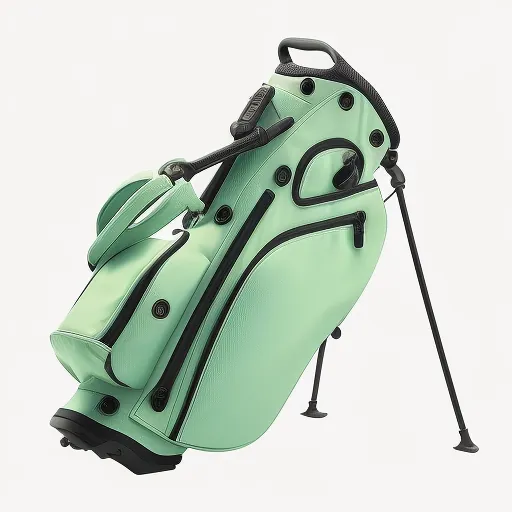
A well-made golf bag lasts 5-10 years with routine care: hand-wash with mild soap every few weeks, dry it fully after wet or humid rounds, and store it upright and fully supported in a dry room — while a standard schedule of light zipper maintenance and immediate repair of small damage is the best protection for your investment. Written from a golf bag factory, this guide explains exactly how to clean, repair and store every type of golf bag so it performs for well beyond a single season.
Why Golf Bag Care Matters
There is also a financial and practical dimension to care that is easy to overlook. A bag is not just a piece of sporting equipment; it is frequently a branded product for pro shops, corporate clients and touring professionals, where its appearance is part of the presentation. For an everyday golfer, a clean, well-maintained bag with smooth zippers and no broken parts simply makes the game more enjoyable and the equipment easier to use. Put simply, a few minutes of maintenance removes the small frustrations that can turn an otherwise good round into an annoying one.
Most golfers treat their bag as disposable, but it is one of the hardest-working pieces of equipment they own. It absorbs dirt, sweat, rain, sun and hard knocks every round, and it protects a club investment that typically costs far more than the bag itself. Neglect is the silent killer: coatings degrade, zippers jam, seams fatigue and mould spreads — all preventable with small, consistent habits.
The maintenance math is simple. Fifteen minutes of care per month extends usable life by years. That is a fraction of what a replacement bag costs, and it keeps a bag you have customized and broken in performing exactly as you expect. This guide turns that math into a simple, repeatable routine.
The Right Cleaning Routine
Choosing the right cleaner is part of getting the routine right. Warm water and a very mild soap are sufficient for most golf bag materials and are safe for standard fabrics, embroidery and trim. Avoid solvent-based or harsh chemical cleaners, which can strip waterproof coatings, fade colours and degrade stitching. If you need something stronger for a stubborn stain, test it first on an inconspicuous spot and proceed with care. Getting the cleaning agent right means you can clean confidently without inadvertently damaging the very bag you are trying to protect.
Cleaning frequency follows how much you play. With regular weekend play, clean the exterior every 2-4 weeks, empty and air out the pockets monthly, and do a deep clean at least twice a year. In wet or dusty conditions, step up the cadence. The key is to never let dirt, sweat or grit sit long enough to embed and degrade the fabric and coatings.
Spot-clean dirty sections promptly after a round rather than waiting for a full wash. A soft cloth or brush with a little mild soap handles most grime. Catching marks early keeps the surface clean and prevents permanent staining that a deep clean cannot fully reverse.
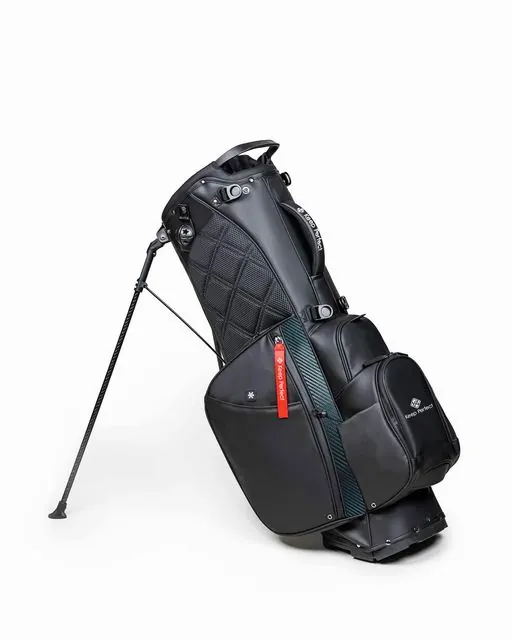
Working systematically avoids missing the spots where grime hides. Start at the top and work downward so dirty water does not re-soil what you have just cleaned, and give extra attention to the areas hands and carts touch most: the handle, the top of the bag around the dividers, and the base where the bag meets the ground. Pocket interiors and liner floors deserve a wipe during the deep clean, because debris migrates in and odour hides there. A final rinse-free drying with a clean towel followed by full air drying leaves the bag truly clean, not just damp.
Hand washing is the only safe way to clean a golf bag. First, empty every pocket and remove detachable straps and accessories. Brush away loose dirt and debris. Then, using a soft cloth or brush dipped in warm water with a few drops of mild soap, clean the exterior in sections, working the soap into stains gently without aggressive scrubbing. Rinse each section with a clean damp cloth.
Pay attention to zippers, grommets and seams where dirt collects, and clean the interior liner and pocket floors once or twice a year. Rinse thoroughly to remove soap residue, which can otherwise attract dirt. Never machine wash or machine dry a golf bag — the agitation distorts shape and breaks components.
Drying: The Step Everyone Skips
The drying habits that matter most are the ones you cannot see working. After airflow has done its job on the outside, check deeper areas: the underside of the base, the spaces between pockets and inside any cooler compartment where condensation collects. Even the best exterior wipe leaves moisture in nooks that will eventually support mildew if ignored. Making a full, careful dry part of your routine, rather than a casual shake, is what actually protects the bag's interior and keeps its coatings, padding and fabrics performing to specification.
Moisture is the leading cause of premature golf bag failure. After any rain, humid round or wash, dry the bag fully before use or storage. Shake out pooled water, open all pockets and zippers to allow airflow, and let the bag air dry completely in a ventilated area away from direct heat and prolonged sun, which can fade colours and crack coatings.
Do not rush with a heater or dryer — concentrated heat warps the base and damages padding and waterproofing. A wet bag stored sealed is a breeding ground for mildew and odour, degrading both the fabric and the liner. Drying completely is the single most effective habit you can adopt.
Zipper Maintenance and Repair
Preventing zipper problems is more reliable than fixing them, and the prevention is simple: keep the track free of grit by brushing it out and wiping it, keep the slider lubricated with a light silicone spray so it glides instead of grinding, and avoid overpacking pockets so zippers are not forced beyond their seam. If a zipper does start to pull apart at the bottom, address it at once before a torn seam or a separated track turns a twenty-minute fix into a costly replacement. A little consistent attention here saves you the single most common repair a golf bag ever needs.
Zippers are the most-used and most-stressed component of any golf bag, and they fail for three reasons: accumulated grit, a slipped slider, or worn teeth. Start by cleaning the track and slider with a soft brush to remove debris, then apply a light zipper lubricant like silicone spray to restore smooth glide. This resolves a surprising number of functional problems.
If the slider slipped off the track, reseat it at the base, realign the teeth and close slowly. For a genuinely broken slider or missing teeth, professional replacement is the answer — attempting to force a damaged zipper usually damages the bag further. Catching and fixing zipper problems early prevents an expensive full replacement. Our quality standards guide explains what robust zipper hardware should be in the first place.
| Task | Frequency | Method |
|---|---|---|
| Exterior spot clean | After each dirty round | Soft cloth + mild soap |
| Full hand wash | Every 2-4 weeks | Warm water + mild soap |
| Pockets aired out | Monthly | Empty + ventilate |
| Zipper clean & lube | 2-4 times a year | Brush + light silicone |
| Deep clean | 2x a year / season change | Full hand wash + interior |
Repairing Small Damage Early
Small problems become big ones if ignored. A loose stitch on a handle, a minor seam split, or a fraying strap anchor only worsens with the load and vibration of normal use. Fix minor seam damage with a quality repair and reinforce stress points, or have a professional re-stitch load-bearing seams. The cost of an early repair is a fraction of a replacement.
Inspect your bag twice a year for loose zipper pulls, worn webbing, base-plate cracks and padding collapse. Catching these before they fail keeps the bag rideable and safe, and preserves the value of any custom branding you have invested in.
Cleaning and Care by Bag Type
Recognising which parts of your particular bag carry the most risk lets you target your limited maintenance time where it matters. A walker who carries a stand bag should check the leg mechanism for grit and keep the padding clean, since those carry the body over uneven ground. A rider should watch the base, strap anchors and any anti-slip features that protect the bag on a cart platform. Matching your care to your actual use makes every maintenance minute count, rather than spraying the same routine indiscriminately across very different bags.
Different bags need slightly different treatment. Stand bags need special attention to the leg mechanism and padding. Cart bags need care around the base and strap anchors that ride a moving cart. Travel bags, especially hard cases, need cleaning of wheels and handles, and should have the locking and hinge mechanisms maintained. Waterproof bags benefit from care that protects their sealed seams and coatings.
Understanding your bag's weakest point lets you target your care. A stand bag's legs, a cart bag's base, and a travel bag's wheels all wear differently, so tailor your inspection. Our product range pages describe each type's maintenance-relevant construction.
Protecting Waterproof and Coated Bags
Waterproof bags and water-resistant coatings need their own care. Avoid harsh solvents and heavy abrasion that strip coatings. Re-apply a fabric waterproofing treatment periodically if recommended, and always dry waterproof bags fully before storage — trapped moisture behind a sealed seam is worse than rain itself. Check sealed seams and keep zippers clean, since debris compromises the weather seal.
For deep guidance on keeping waterproofing effective, see our guide to maintaining waterproof coatings.
Storing Your Bag Between Rounds and in Winter
Storage is the quiet part of maintenance that prevents the greatest amount of slow damage. A properly stored bag — upright, supported, emptied, dry and away from sun — avoids the warping, fading, mildew and flattened padding that ruin bags left badly handled in garages, cars and closets. Think of storage as the final step of every care session, because a bag that is dried and stored correctly after each round is a bag that is already well on its way to a long life before you even get to the seasonal deep clean.
Storage prevents the slow damage that use never causes. Store the bag fully upright and supported on its base — never hanging only from a handle, which stresses the handle and distorts the bag. Empty it of heavy items to reduce stress, and keep it in a dry room with stable temperature, away from direct sun that fades and degrades.
For winter, use a breathable cover and store in a cool, dry, well-ventilated space to prevent mildew, and avoid compressing the bag under other items that flatten dividers and padding. Proper storage between seasons is half the battle for a bag that lasts the better part of a decade.
Seasonal and Long-Idle Maintenance
Before each season, do a full inspection and deep clean. Empty and air every pocket, hand-wash the exterior, treat zippers, and check straps, base and seams. Before long idles, store it dry and protected. Repeating this twice a year keeps the bag in near-new condition and surfaces any early problems while they are still cheap to fix. Our seasonal maintenance guide gives the full seasonal routine.
Buying for Longevity in the First Place
The single most powerful maintenance decision is made before you own the bag. A bag built from quality materials, with reinforced stress points, robust hardware and a solid base, will outlast a cheaper equivalent several times over regardless of care. This makes build quality the foundation on which all your maintenance habits build. When you compare bags, weigh durability and repairability as seriously as you weigh price and style, because a bag that is easy to keep going is the one you will actually keep going.
The best maintenance starts at purchase. Choose a bag built from quality materials with reinforced stress points, robust zippers and a solid base. These are exactly the construction features that extend life, and they come from the factory, not the care routine. When you buy, prioritise build quality and document what you inspect. See our materials guide for what to look for.
Need a Bag Built to Last From Day One?
Pick materials and construction engineered for longevity, customised to your brand. Standard 200-piece MOQ, quality-assured production.
Explore Custom Golf Bags →Golf bag care is a small monthly investment that pays back in years of service. Hand-wash regularly, dry completely, maintain zippers, repair small damage early and store properly between seasons. Combine these habits with a quality-built bag at purchase, and your golf bag will protect your clubs and carry your brand for a decade.
Building a Simple Monthly Care System
Most golfers fail to maintain their bag not from laziness but from the lack of a system. Turning care into a habit is easier when it rides on existing routines: keep a soft cloth and mild soap where you unload after a round, and build a quick ten-minute clean into the same habit you already use to clean your clubs. Attaching bag care to an existing routine means it happens without willpower, which is the difference between a bag that gets looked after and one that is always next weekend.
Pairing care with your club cleaning is efficient because the tools and time are already available. After you wipe down grips and clean heads, spend a few minutes wiping the bag exterior, checking zippers and shaking out debris. Over a season these small, consistent sessions add up to a bag that stays clean and functional without ever needing a heavy restoration. Systems, not effort, keep a golf bag in good condition for years.
Common Care Mistakes and How to Avoid Them
The most damaging care mistakes are well known but easily repeated. Storing a damp bag sends it toward mildew. Machine washing distorts it and breaks components. Hanging a fully loaded bag by a handle stresses the structure. Harsh solvents strip coatings and fade colours. And letting small zipper or seam problems ride turns a minor issue into a full replacement. Recognising these errors lets you avoid the very habits that shorten a bag life.
The antidote to each is a simple positive habit: dry before storing, hand-wash only, store upright and supported, use mild soap, and fix problems early. When you consciously replace a bad habit with a good one, you stop fighting your bag and start extending it. This short list covers the vast majority of the avoidable damage golf bags suffer, which makes it the most valuable maintenance advice there is.
Protecting Straps, Dividers and the Base
The load-bearing parts of a bag, its straps, dividers, handles and base, carry the most stress and repay specific attention. Straps and handles should be checked for fraying or loose anchoring, dividers checked for tearing where grips rub, and the base checked for cracks from repeated ground contact. Each fails through cumulative wear, and catching them early is far cheaper than replacement, since a worn base or torn divider compromises the whole bag.
These parts also benefit from careful handling: do not overstuff pockets until zippers strain, do not drag the bag by its dividers, and set the bag down on its base rather than letting it topple. Combined with regular inspection, this mindful use keeps the components that actually support your clubs healthy round after round, protecting the substantial investment you have already made in your set itself.
Special Care for Travel and Cooler Bags
Bags with specialty features need their own small routines. Travel bags deserve attention to their wheels, bases and locking mechanisms, which take the most abuse on a trip, and they should be cleaned and aired after each journey so they are fresh and dry for the next adventure. Cooler pockets need emptying and drying after every round, because lingering moisture and melted ice degrade both the lining and the insulation over time.
Addressing these features as part of your normal care prevents them from becoming the weak points that fail unexpectedly. A travel case with clean, free-turning wheels and a functional lock, and a cooler that is dry and odour-free, are both signs the whole bag is being kept to a standard that extends its life. Give specialty features the same few minutes you give the main body, and nothing on the bag will let you down at the worst moment.
Conclusion
A great golf bag is an investment that pays back for years when it is cared for deliberately. Build a simple monthly system that attaches to your existing club-cleaning habit, avoid the common mistakes that do most of the damage, protect the load-bearing components, and extend the same care to specialty features and storage. Combine these habits with a quality bag purchased in the first place, and your golf bag will stay clean, functional and reliable through many hundreds of rounds, quietly protecting the clubs and brand it carries.
Sources
- How often should I clean my golf bag?
- Clean the exterior every 2-4 weeks with frequent play, air out pockets monthly, and deep clean at least twice a year. Spot-clean promptly after dirty rounds.
- Can I put a golf bag in the washing machine?
- No. Machine washing distorts the shape, damages dividers and breaks zippers. Hand wash with mild soap and air dry fully.
- How should I store a golf bag between rounds or in winter?
- Store upright and fully supported, emptied, in a dry, stable-temperature room away from direct sun; use a breathable cover for winter.
- How do I fix a golf bag zipper?
- Clean and lightly lubricate first, reseat a slipped slider, and have a broken slider or teeth professionally replaced rather than forced.
- How long should a golf bag last?
- With reasonable care, 5-10 years. Regular cleaning, proper storage and early repair extend lifespan substantially.