Golf Bag Maintenance & Longevity Guide 2025
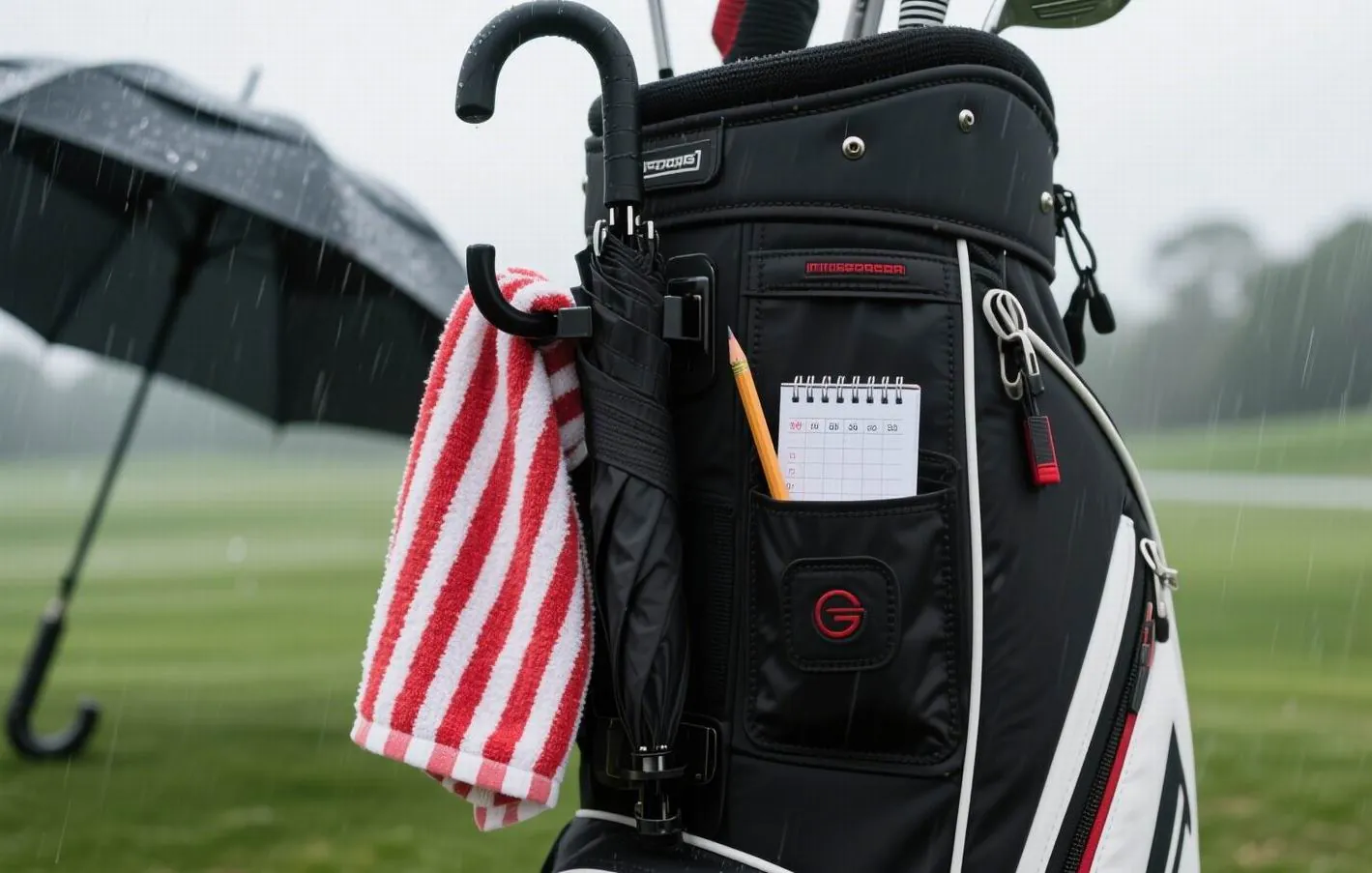
A well-built golf bag lasts 5-10 years when you look after it: hand-wash the exterior with mild soap every 2-4 weeks of regular play, dry it completely after every wet or humid round (moisture is the leading cause of premature failure), and store it upright and fully supported in a dry room - habits that together add years of service and keep the bag protecting your clubs through many hundreds of rounds. This 2025 guide sets out the full maintenance and longevity system we recommend at our affiliated factory, QUANZHOU JUNYUAN BAGS, built to serve 200+ brands across 100+ countries.
What Determines How Long a Golf Bag Lasts
Three forces decide a golf bag's usable life: build quality, care habits and how the bag is used. Build quality is chosen at purchase - quality materials, reinforced stress points, robust zippers and a solid base give a bag the best possible starting point. Care habits then either protect or shorten that foundation. Usage adds wear through carrying, carting, travelling and exposure to sun and weather.
Get both the build and the care right and a bag can comfortably exceed a decade. Get either wrong and a bag can fail within a couple of seasons. This is why we emphasise that the single most powerful decision is made before you own the bag: choose quality construction, then protect it with consistent, simple maintenance.
The Maintenance Math: Time Versus Cost
The economics of maintenance are heavily in your favour. Fifteen minutes of care a month - wiping, drying, checking zippers - extends the usable life of a bag by years. The value of those years is the cost of a replacement bag avoided, plus the value of keeping a bag you have chosen and broken in performing exactly as you expect. That is a fraction of the replacement cost for a very small time investment.
People rarely neglect their bag because they are lazy; they neglect it because they have no system. The reliable fix is to attach care to an existing routine, such as cleaning your clubs after a round. When a ten-minute bag wipe rides on a habit you already keep, it happens without willpower, which is the difference between a bag that is looked after and one that is always next weekend.
A Year-Round Care Schedule
Consistency beats intensity in golf bag care. Build a simple, repeatable schedule and stick to it. Weekly, wipe down the exterior and shake out debris. Monthly, empty and air every pocket, and check zippers, straps and seams. Twice a year, at the change of season, do a full deep clean and structural inspection. This schedule catches problems while they are small and keeps the bag in near-new condition
One reason a written year-round schedule works so well is that it removes the reliance on mood or memory. Instead of deciding each week whether the bag needs anything, the schedule simply tells you what to do and when, so care happens reliably even during the busiest stretches of the season. The lightest possible structure - a weekly, monthly and seasonal rhythm - is all it takes to keep a bag on a path to a long life.
As the year moves through its seasons, let the schedule flex with the weather rather than staying rigid. In a rainy spring, more frequent drying and spot-cleaning matter, while in dry summer months the emphasis shifts to dust and sun protection. Adapting the cadence to what the season actually throws at the bag keeps the care relevant and effective, and it prevents both over- and under-maintenance across the full year.
| Care Task | Cadence | Why It Matters |
|---|---|---|
| Exterior wipe & debris shake | Weekly | Stops grit grinding in |
| Full hand-wash | Every 2-4 weeks | Removes embedded dirt |
| Pockets emptied & aired | Monthly | Prevents odour & mildew |
| Zipper clean & lube | 2-4x a year | Keeps zippers smooth |
| Deep clean + inspection | 2x a year | Finds wear before failure |
Cleaning Techniques That Extend Life
Cleaning extends life by removing the grit, sweat and dirt that, if left, abrade fabric, strip coatings and weaken stitching. Hand-wash with warm water and a very mild soap, working from the top of the bag down so dirty water does not re-soil clean sections. Use a soft cloth or brush, rinse each section with a clean damp cloth to remove soap residue, and never machine wash a golf bag.
Choose the cleaner carefully. Mild soap is safe for standard fabrics, embroidery and trim, while solvent-based or harsh chemical cleaners strip waterproofing, fade colours and degrade stitching. If you clean correctly, regularly, you are not just keeping the bag tidy - you are actively preserving the materials and construction that determine its lifespan.
Consistency in cleaning does the longevity work that intensity cannot. A brief weekly wipe removes the fine grit that, left to sit, gradually abrades coatings, and a monthly hand-wash lifts the oils and sweat that degrade trim. Because this clean-and-protect loop runs constantly, the bag never accumulates the heavy grime that would otherwise require a harsher, more damaging intervention. In the maintenance math, regular light care multiplies a bag's life far more than occasional heavy cleaning.
A small refinement in cleaning technique can also extend life without extra time. Working the mild soap with a soft brush along the direction of the fabric's weave, rather than in random circles, distributes the cleaning evenly and reduces any chance of a patchy result. Similarly, rinsing each section as you finish it keeps soap from drying into the surface. These tiny adjustments are the polish that turns a good clean into a genuinely long-lasting one.
Drying: The Longevity Habit That Matters Most
Moisture is the leading cause of premature golf bag failure. After any rain, humid round or wash, dry the bag fully before use or storage. Shake out pooled water, open all pockets and zippers to allow airflow, and let the bag air dry completely in a ventilated area away from direct heat and prolonged sun, which fade colours and crack coatings.
Do not rush with a heater or dryer - concentrated heat warps the base and damages padding and waterproofing. A wet bag stored sealed is a breeding ground for mildew and odour, degrading both fabric and liner. Drying completely after every wet episode is the single most effective habit for extending a bag's life, because it prevents the most common and most damaging form of slow degradation.
Zipper and Hardware Longevity
Zippers are the most-used, most-stressed component of any golf bag, and a bag is only as good as its functioning hardware. Keep the track free of grit by brushing it out, keep the slider lubricated with a light silicone spray so it glides instead of grinding, and avoid overpacking pockets that force zippers beyond their seam. These simple habits prevent the single most common repair a golf bag ever needs.
Address zipper problems at once. A slipped slider can often be reseated at the base, while a genuinely broken slider or missing teeth need professional replacement. Catching a problem early prevents a small fix from turning into a full zipper or panel replacement, which is both cheaper and far less disruptive to the bag's longevity.
Zipper longevity is also a matter of how the bag is packed. Overpacking pockets is the most common zipper killer, because a zipper forced past a bulging pocket strains the slider and the seam around it. Following the bag's design capacity, and keeping the most-used pockets the least full, lets the hardware operate as it was built to. A small change in packing habits reliably adds years of smooth zipper operation to any bag.
Hardware longevity is about the details you cannot see until they fail, which is exactly why a schedule pays. A buckle that feels stiff, a quick-release that does not click as firmly, or a rain hood fastener that strains all hint at developing wear. Catching these during a scheduled check lets you work break-in or effortless tightening before they fail, so the bag keeps all its fittings working smoothly and never surprises you with a broken clasp mid-round.
Extending zipper life is also a matter of fair use. A pocket zipper forced past its limit does damage that accumulates, so packing pockets to a reasonable fill and easing the zip rather than tugging helps enormously. Making gentle zipper use a habit keeps the sliders aligned and the teeth true, which means the zippers you use constantly stay smooth and reliable for the bag's whole life rather than fading early under hard use.
Protecting Straps, Dividers and the Base
The load-bearing parts of a bag - the straps, dividers, handles and base - carry the most stress and repay specific attention. Check straps and handles for fraying or loose anchoring, dividers for tearing where grips rub, and the base for cracks from repeated ground contact. Each fails through cumulative wear, and catching it early is far cheaper than replacement.
These parts also benefit from careful handling: do not overstuff pockets until zippers strain, do not drag the bag by its dividers, and set the bag down on its base rather than letting it topple. Combined with regular inspection, mindful use keeps the components that actually support your clubs healthy round after round, directly protecting the investment in your set.
The base deserves particular respect because it takes the most ground contact of any part. Lifting the bag by the handle and setting it down gently on its base, rather than setting it down hard or letting it drop, spreads stress evenly instead of concentrating it on one edge. Reinforced base corners that survive a season of gentle handling are the cheap insurance that keeps a bag from developing the first crack, which is always the one that spreads.
Storage That Protects Over the Long Term
Storage is the quiet part of maintenance that prevents the greatest amount of slow damage. Store the bag fully upright and supported on its base - never hanging only from a handle, which stresses the handle and distorts the bag. Empty it of heavy items, and keep it in a dry room with stable temperature away from direct sun. For winter, use a breathable cover and store in a cool, dry, well-ventilated space to prevent mildew, avoiding compression that flattens dividers and padding.
For a full library on storage, packing and organisation, see our storage solutions, seasonal storage and packing guide. Proper storage, combined with regular care, is half the battle for a bag that lasts the better part of a decade.
Temperature stability is a storage factor golfers rarely think about, yet it drives slow degradation. Repeated swings between hot and cold, as in a car boot or unheated shed, make materials expand and contract and can stress seams and coatings over time. Choosing a room with stable, moderate temperature - rather than whatever space is leftover - protects the bag from this invisible fatigue as much as from damp, making the choice of room a genuine longevity decision.
Long-term storage is also a chance to reduce the load permanently rather than just between rounds. Removing anything heavy that does not need to stay in the bag - extra balls, spare apparel, tools - lowers the stress on the frame, straps and base that accumulate during storage. Keeping the stored bag leaner helps it retain its shape and even distribution, which is one of the quiet advantages of a properly prepared off-season bag.

Seasonal Care and Long-Idle Handling
Before each season, do a full inspection and deep clean: empty and air every pocket, hand-wash the exterior, treat the zippers and check straps, base and seams. Before long idles, store the bag dry and protected. Repeating this twice a year keeps the bag in near-new condition and surfaces any early problems while they are still cheap to fix. Our seasonal maintenance guide gives the full routine.
The seasonal service is also the moment to check anything that only sees use at particular times of year, such as a rain hood, a travel cover or a winter-specific accessory. Drying and airing these alongside the main bag, and storing them accessible, means the bag and its gear are all ready together when the season turns. Keeping the whole ecosystem in condition is the difference between a bag that works all year and one that starts the season with deferred problems.
Before you put a bag away for a long idle, consider treating it to one final clean and dry even if it already looks clean, because this removes the invisible residues and moisture that matter during months of stillness. It is the same logic as bedding a car down for winter. That one deliberate last service makes the idle period restful for the bag rather than quietly damaging, and it means you return to a genuinely ready piece of equipment in the spring.
Buying for Longevity From the Factory
The most powerful longevity decision is made at purchase. Choose a bag built from quality materials with reinforced stress points, robust zippers and a solid base, and weigh durability and repairability as seriously as price and style. Build quality is the foundation on which every maintenance habit builds. Our quality standards guide explains what durable construction looks like, and our materials guide covers what lasts.
Well-built bags are also easier to repair, with accessible zippers, replaceable straps and robust seams, which means more problems are fixable rather than fatal. When you buy with longevity in mind and care for what you buy, the combination delivers the longest possible life for the least cost - the practical definition of a good investment in your golf equipment.
Build a Bag That Outlasts the Competition
Durable construction and quality materials, customised to your brand. Standard 200-piece MOQ, sampling in 10-20 days, bulk delivery in 45-60 days, quality-checked at our affiliated factory.
Explore Custom Golf Bags →Common Mistakes That Shorten Bag Life
The most damaging mistakes are well known yet easily repeated: storing a damp bag, machine washing, hanging a full bag by a handle, using harsh solvents, and letting small zipper or seam problems ride. Each shortens the bag's life in a specific and avoidable way.
The antidote to each is a positive habit: dry before storing, hand-wash only, store upright and supported, use mild soap, and fix problems early. When you consciously replace a bad habit with a good one, you stop fighting your bag and start extending it. This short list covers the vast majority of the avoidable damage golf bags suffer.
A subtle but damaging mistake is leaving the bag in a position of sustained strain for long periods - for example, leaning it at an angle without support in the boot or against a wall, so the base and seams bear constant uneven load. Correct storage places the bag upright on its base with even support, removing that strain. Small corrections to how the bag rests between rounds quietly add years to its life.
One more subtle mistake is using the bag for tasks it was not built for, such as carrying truly heavy loads or exposing it to abrasion far beyond its design. A golf bag is built to carry clubs and accessories, not to double as a general haulage bag, and respecting its purpose removes a great deal of avoidable strain. Using the bag for what it is designed for, and caring for it accordingly, is a quiet but powerful longevity habit.
Conclusion: Longevity Is a Habit, Not Luck
In 2025, the winning formula for a long-lasting golf bag is unchanged and proven: buy quality construction, then protect it with consistent, simple care. Hand-wash regularly with mild soap, dry completely after every wet round, maintain the zippers and load-bearing parts, and store the bag upright and supported between seasons. Combine these habits with a well-built bag, and your golf bag will protect your clubs and present your brand well for a decade or more.
None of the longevity habits in this guide is difficult, and that is the point of presenting them together. Long-term care is achieved not by any single dramatic act but by a chain of small, consistent choices that reinforce each other through the year. Choose quality, clean regularly, dry fully, maintain hardware and store well, and the years add up almost without your noticing - which is how a bag quietly passes the decade mark while still looking and performing like it is only a season old.
Sources
Frequently Asked Questions
- What is the lifespan of a golf bag?
- With reasonable care, a well-built golf bag lasts 5-10 years, depending on materials, build quality and how much it is used and stored. Regular cleaning, full drying, zipper maintenance and early repair are the biggest factors in reaching the longer end of that range.
- How often should I maintain my golf bag?
- Clean the exterior every 2-4 weeks with frequent play, air pockets monthly, and do a deep clean and full inspection at least twice a year or at the change of season. Drying fully after every wet round matters regardless of the weekly schedule.
- What is the best way to dry a golf bag?
- Wipe away excess water, open every pocket and zipper, and air dry fully in a ventilated area away from direct heat and prolonged sun. Never use a heater or tumble dryer, which warp the base and damage padding and waterproofing.
- How do I stop a golf bag smelling?
- Musty odour is caused by trapped moisture. Empty and air every pocket, wipe the interior liner clean and dry it fully before storing. Never store a damp bag, and air it before long storage to prevent mildew and odour.
- Does cleaning a golf bag make it last longer?
- Yes. Cleaning removes grit that grinds into fabric and coatings, drying prevents the moisture damage that causes most premature failures, and routine inspection catches small problems before they become costly. Consistent care is the strongest factor after build quality.