Golf Bag Seasonal Maintenance and Care: The Factory System
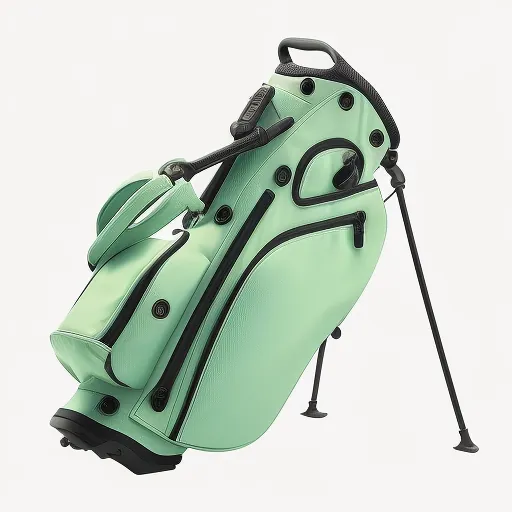
Seasonal golf bag maintenance is a simple four-part system: hand-wash the bag with warm water and a very mild soap in spring, protect it from ultraviolet light and heat in summer, make full drying non-negotiable in wet autumn, and empty, clean and store it correctly before winter. Following this cycle at every season change keeps a well-made bag performing for 5-10 years, which is exactly the longevity we build into every bag at our affiliated factory, QUANZHOU JUNYUAN BAGS (founded 2014, our founder in the industry since 2004). This guide is the factory system we recommend to the 200+ brands we serve across more than 100 countries.
Why Golf Bag Maintenance Should Follow the Seasons
A golf bag faces very different enemies at different times of year. Winter brings cold, dryness and moisture that stiffen zippers, crack plastics and breed mildew. Summer brings heat and ultraviolet light that fade and degrade fabrics. Spring and autumn bring rain, mud and temperature swings that test seams and coatings. Adapting your care to what the coming season will throw at the bag is far more effective than a one-size-fits-all routine.
The maintenance math is simple. A few minutes of seasonal attention extends the usable life of a bag by years, which is a tiny fraction of the cost of replacement. It also keeps the bag pleasant to use - smooth zippers, fresh fabric and comfortable straps all come from steady care rather than periodic neglect. Consistent, season-aware maintenance protects both the equipment and the enjoyment of the game.
There is a professional dimension too. Pro shops, corporate clients and touring players treat a clean, well-maintained bag as part of the presentation, so keeping the bag looking new throughout the four seasons genuinely supports a professional image. Whether it is a personal bag or a branded product, seasonal care keeps it representing its owner well all year.
The Four-Season Care Calendar
Divide your year into four care cycles that each respond to the season's dominant conditions. In spring, do a full clean after the wear of the past season and prepare the bag for a full season of play. In summer, focus on heat and UV protection, frequent dust removal and simulator of zippers. In autumn, emphasise drying, coating care and grit removal. In winter, do the deep clean, service and protected storage.
Pair each seasonal pass with the essentials that never change: clean regularly, dry fully, maintain zippers and hardware, repair small damage early and store correctly. The four-season approach simply tells you what to emphasise at each point in the year, so no condition catches you unprepared and no area of the bag is neglected for too long.
Spring: Full Clean and Pre-Season Service
Spring is the reset. After the wear of winter and the start of heavy play, give the bag a complete clean. Empty every pocket, turn the bag upside down and shake it freely, and vacuum or wipe the interiors clear of the debris that winter rounds left behind. Then hand-wash the exterior with warm water and a very mild soap, working from the top down, and rinse thoroughly.
Dry the bag completely, then service the components. Lubricate every zipper with a light silicone spray and work it in, condition any leather or coated finish with an appropriate product, and inspect the straps, dividers, base and stand mechanism for wear. Fix small seam or buckle issues now while they are cheap, before a full season of active play puts them under stress.
Spring is also the moment to check the bag is ready for wet and humid conditions by confirming its water-resistance is intact and re-treating coated panels if needed. Starting the season with a clean, serviced, weather-ready bag is the single best way to ensure it survives the demands ahead. Our full maintenance guide walks through the deep clean step by step.
Summer: Heat, UV and Dust Protection
Summer is the season of heat, light and dust, all of which attack the bag's outer materials. Prolonged ultraviolet light is the biggest culprit - it fades colours and degrades the fabric over time. Protect the bag by keeping it out of prolonged direct sun, storing it in a cooler, shaded spot when possible, and covering it when it sits idle between rounds.
Summer dust and grit accelerate zipper wear, so brush out the tracks regularly and keep sliders lightly lubricated. Sweat and sunscreen also transfer from hands to the handle and straps, so wipe these areas down after rounds. Because summer humidity can be high in some regions, let the bag air out periodically so moisture never settles against the fabric.
Heat itself is generally less damaging than the UV that accompanies it, but avoid storing the bag in a hot, sealed car boot or attic that bakes it repeatedly. Keep the bag dry, shaded and clean, and it will shrug off the summer. For the different bag types, this could mean adjusting between carry and cart use - see our stand bag versus cart bag guide for that choice.
Autumn: Dry, Clean and Re-waterproof
Autumn's wet, variable weather makes full drying the non-negotiable care step. After every round in damp conditions, dry the bag completely with every pocket and zipper open. Moisture is the leading cause of premature bag failure, so never let a damp autumn bag sit sealed where mildew and odour can establish. A dry towel carried in the bag makes this easier on the course.
Keep coated and water-resistant panels clean, because dirt and grit compromise the weather seal. Wipe them with a damp cloth, dry them, and check the seams for any coating wear. If your bag has a fabric waterproofing finish, autumn before the wet season peaks is the ideal moment to re-apply a fabric-safe treatment and keep the protection effective.
Autumn mornings bring dew, so start the day dry and keep a spare towel accessible. As the season progresses toward winter, begin the transition by adding the rain layer permanently and preparing for the deep winter clean that follows. For more on waterproofing, see our golf bag rain protection guide.
Winter: Deep Clean and Protected Storage
Winter is when most bags face their longest gap from play, so it demands the deepest care. Empty every pocket completely, wash and dry the bag fully, and inspect it for zipper stiffness, strap wear and any moisture damage. This is the ideal time to fix problems while the bag is not in constant use, so it is fully ready when spring returns.
Then store it correctly for the off-season: upright and fully supported in a cool, dry, temperature-stable room away from direct sun and freezing temperatures, using a breathable cover for extra protection and keeping it off the floor. Never store a damp bag, and avoid leaving it in a freezing garage or a humid space. The full winter storage system is in our seasonal storage guide.
If you keep playing through winter, adjust instead of storing: lighten the club load, protect the bag from rain and moisture, and keep drying fully after every round. Winter care is about resilience against cold and wet, whether the bag rests or plays.
The Monthly Inspection That Backs Up the Seasons
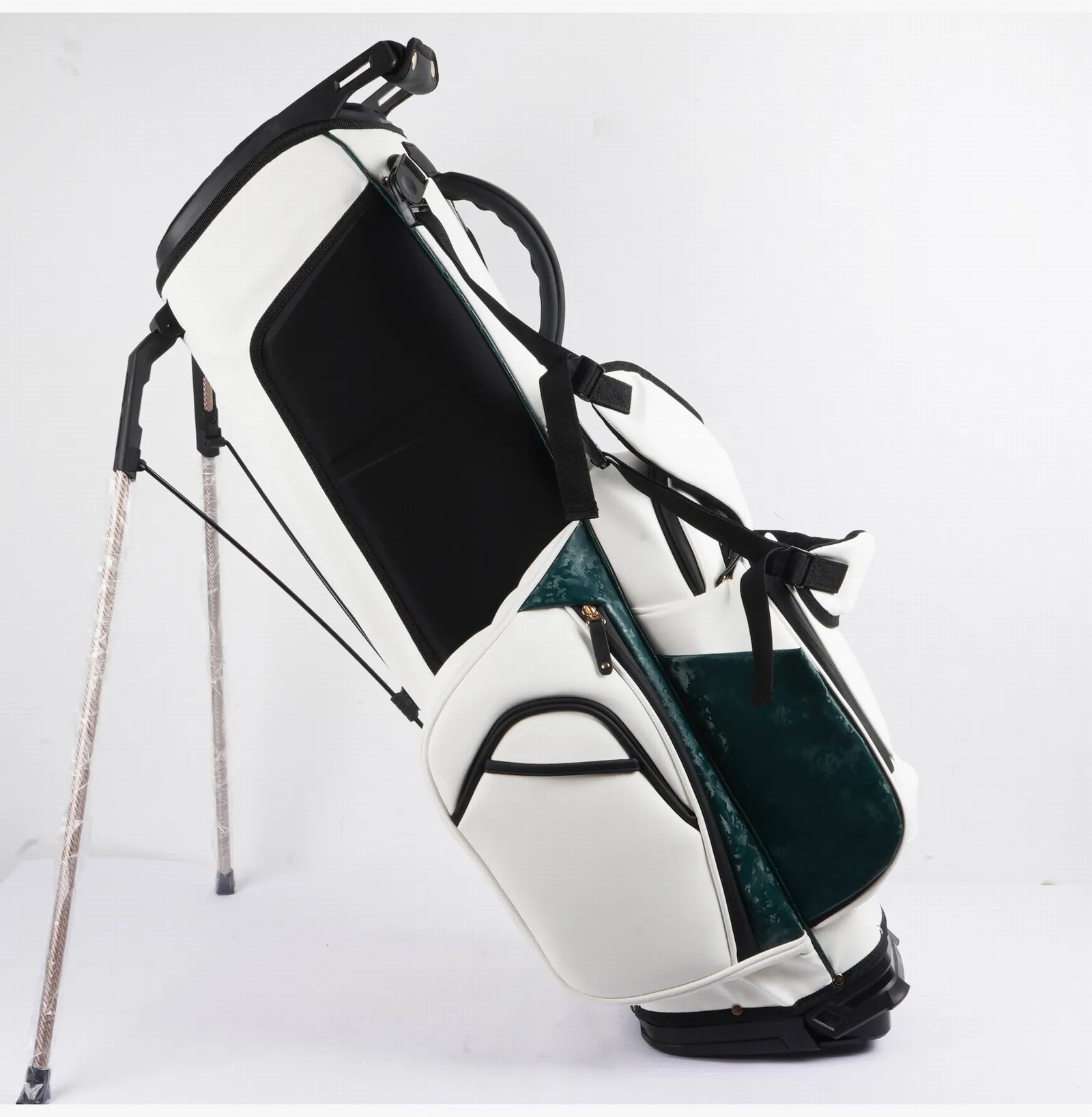
Seasonal cycles are most effective when backed by a light monthly habit so problems never hide until a season-long gap reveals them. Once a month, empty and air out every pocket, wipe the exterior, shake out debris and give the zippers, straps and base a quick look. Ten minutes a month keeps the bag healthy between the bigger seasonal resets.
Watch for the early signs of trouble: a zipper that is sticking, webbing that is fraying, a base plate that is cracking, dividers tearing where grips rub, or any slack or detached stitching. Catching these early, while they are cheap to fix and before seasons of stress compound the damage, is what really protects your investment in the long run.
Zipper and Hardware Care Across the Seasons
Zippers are the hardest-working, most-stressed components of a golf bag, and their care varies subtly by season. In summer, brush out the elevated dust and grit that grind into sliders. In autumn, keep tracks clean so debris does not breach the weather seal. In winter, lubricate against cold stiffness. In spring, service the zippers fully after a winter of reduced use.
The underlying routine is constant: keep the track free of grit, keep the slider lightly lubricated with a silicone spray, and do not overpack pockets so zippers are forced beyond their seam. Zippers fail for three reasons - accumulated grit, a slipped slider, or worn teeth - and each responds to early, targeted care. A smooth zipper is one of the clearest signs of a well-maintained bag all year.
Caring for Different Bag Materials by Season
Most bags are built from nylon or polyester, both of which clean well with warm water and mild soap in any season. Use long, gentle strokes on the panels and a soft brush on textured sections, and dry thoroughly. Coated or water-resistant panels need gentler handling and full drying, and benefit from periodic re-treatment, especially before wet autumn and spring.
Webbing straps, plastic fittings and buckles all respond to the same gentle cleaning and full drying. Bags with leather or natural touches need a dedicated mild conditioner used sparingly, never soaked. The season mostly affects emphasis - more drying in wet months, more sun protection in summer - while the products stay gentle and consistent. Our waterproof coating maintenance guide covers coated panels in depth.
| Season | Focus | Key Actions | Watch For |
|---|---|---|---|
| Spring | Full clean, pre-season service | Hand-wash, dry, lube zips, condition, inspect | Winter stiffness, strap wear |
| Summer | Heat & UV protection | Shade the bag, brush dust, wipe sweat | Fading, zipper grit |
| Autumn | Drying & re-waterproofing | Dry fully, clean coated panels, re-treat | Moisture, mildew, coating wear |
| Winter | Deep clean & storage | Empty, wash, dry, service, store protected | Cold stiffness, moisture |
Common Seasonal Care Mistakes
The most damaging mistakes repeat each year: storing a damp bag in any season, which breeds mildew; leaving the bag in direct sun all summer, which fades and cracks it; using harsh solvents instead of mild soap, which strips coatings; ignoring a stiff zipper or fraying strap until it fails; and skipping the winter deep clean so a full set sits in a dirty, unprotected bag all off-season.
Each has a simple corrective habit: dry before storing, shade the bag in summer, use only mild soap, fix small issues early, and always do the winter clean-and-store correctly. When these seasonal habits become routine, the vast majority of avoidable bag damage simply disappears, and the bag reaches the upper end of its potential lifespan.
Buying a Bag Built to Survive the Seasons
The best seasonal maintenance begins before you own the bag. A bag built from quality, UV-resistant materials, with reinforced stress points, robust zippers and a solid base, will outlast a cheaper equivalent by years regardless of your care routine. Robust construction is the foundation on which all your seasonal habits build.
At our affiliated factory we build bags across 7 production lines with 126 sewing machines and a team of 137 employees, to a monthly capacity of around 200,000 pieces, and every order passes a documented quality-control stage. Robust construction, quality materials and correct seasonal care together give a bag a long, trouble-free life. For what durable construction should look like, see our quality standards guide and materials guide.
Need a Bag That Lasts Through Every Season?
Choose materials and construction engineered for longevity, customised to your brand. Standard 200-piece MOQ (test orders from 100 pieces), quality-assured production, sampling in 10-20 days and bulk delivery in 45-60 days. All orders are run through an SGS-audited affiliated factory in Quanzhou.
Explore Custom Golf Bags →Conclusion
Seasonal maintenance is the simplest and most effective way to keep your golf bag performing for years. Clean it fully in spring, protect it from heat and UV in summer, dry it and re-waterproof in wet autumn, and empty, clean and store it properly before winter. Back every season with a light monthly inspection, fix problems early, and buy a bag built to last - and your golf bag will serve you well through every season, season after season.
Sources
Building a Seasonal Care Calendar
The most reliable way to keep a bag in good condition across the seasons is a simple calendar. In spring, do a full deep clean and inspection after winter storage. In summer, wipe the bag down regularly, protect it from sun, and empty the pockets often so debris and sunscreen do not build up. In autumn, clean it thoroughly when wet and muddy rounds are common. In winter, give it the full deep clean and dry before a long storage period.
A small, repeatable routine-made of ten minutes here and there-keeps the bag looking and working its best with minimal effort. The goal is habits that prevent problems rather than big repairs after the fact, and a calendar makes those habits easy to keep.
Beyond the bag itself, seasonal care is also the time to check the small parts that keep the bag working: zippers should run smoothly, the stand mechanism should deploy correctly, straps should be firmly attached and the base should be intact and stable. A few minutes spent confirming these components keeps the whole bag dependable and avoids a failure mid-round. Where a component shows wear, addressing it early is far cheaper than replacing a whole bag.
A well-maintained bag also holds its appearance, which matters whether you play casually or carry it into a clubhouse. Regular seasonal care keeps colours from fading, fabric from looking tired and the bag from developing the worn look of an uncared-for item. The payoff of a simple routine is a bag that looks and works well for years, which protects the value of your equipment.
A useful habit is to keep a small care kit with the bag: a soft brush, a mild soap, a cloth and a light lubricant for zippers. When something small needs attention mid-round or mid-seasons, having the tools to hand means the fix happens immediately rather than being deferred into a larger problem. A tiny kit adds almost no weight and makes the difference between a bag that is maintained and one that accumulates wear between deep cleans.
Over time, this pattern of small, regular attention protects both the look and the function of the bag. Colours stay vibrant, fabric stays strong, zippers stay smooth and the structure stays true, so the bag keeps performing as intended season after season. A little routine is genuinely the cheapest and most effective way to extend the life and enjoyment of your equipment.
Frequently Asked Questions
- How often should I do seasonal maintenance on my golf bag?
- Do a lightweight seasonal maintenance pass four times a year, at the change of each season - roughly every three months. Pair each cycle with a full clean and inspection at least twice a year, especially before winter storage and before the spring season starts. The seasonal cycle takes minutes and prevents most of the avoidable damage long-term play causes.
- What is the most important part of seasonal golf bag care?
- Full drying. Moisture is the leading cause of bag failure - it breeds mildew and odour, degrades coatings and weakens stitching. After every wet or humid round, and before any seasonal storage, dry the bag completely with pockets and zippers open. No other maintenance step protects the bag more.
- How do I clean a golf bag in spring?
- Give the bag a full clean at the start of spring: empty every pocket, vacuum the interior, hand-wash the exterior with warm water and a very mild soap using a soft cloth or brush, rinse thoroughly, and dry completely. Then lubricate the zippers, condition any leather or coated finish, and inspect straps and dividers before the season of active play.
- How do I protect my golf bag in summer?
- Protect the bag from heat and ultraviolet light, which fade and degrade outer fabrics. Keep it out of prolonged direct sun, store it in a cooler spot when possible, and expose it regularly to air so humidity does not settle. Keep zippers clean and lightly lubricated because summer dust and grit accelerate wear.
- How do I care for my golf bag in wet autumn?
- Make full drying non-negotiable in autumn, since moisture and rain are at their most frequent. Dry the bag completely after every round, wipe coated panels clean, keep zippers free of grit that breaches the weather seal, and consider a fabric waterproofing re-treatment before the wet season peaks.
- How do I store my golf bag for winter?
- Empty every pocket, wash and dry the bag completely, and store it upright and supported in a cool, dry, temperature-stable room away from direct sun and freezing temperatures. Use a breathable cover for extra protection and keep it off the floor. Winter storage is the most important seasonal care step of the year.
- Does the season affect which golf bag cleaning products I use?
- Largely no - always use warm water and a very mild soap, never harsh solvents, in any season. What changes with the season is emphasis: more drying in wet seasons, more sun and heat protection in summer, and more pre-storage cleaning in winter. The products stay gentle; the routine adapts to the weather.
- How long should a golf bag last with good seasonal care?
- With consistent cleaning, full drying, zipper maintenance and proper storage, a well-made bag lasts 5-10 years or more. Seasonal care is the single biggest factor in reaching the upper end of that range, because it prevents the cumulative moisture, UV and wear damage that shortens bag life.