Golf Bag Seasonal Storage Guide: Protect Your Bag Year-Round
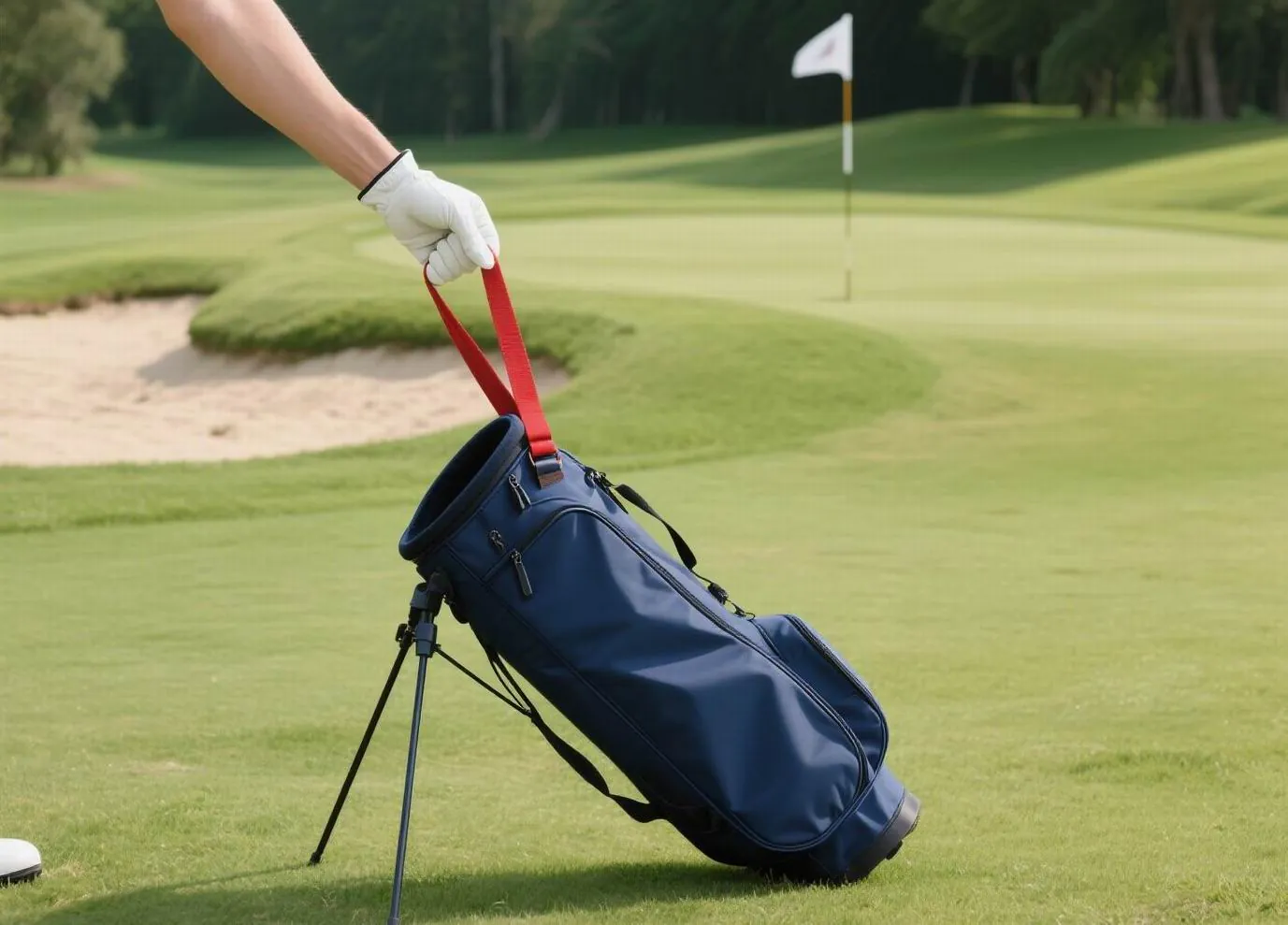
To store a golf bag correctly: empty every pocket, dry it completely (moisture is the single biggest killer of stored bags), loosen or remove straps, and keep it upright and fully supported on its base in a cool, dry, temperature-stable room away from direct sun, using a breathable cover in damp or dusty spaces. Follow this cycle at every season change - and especially before long winter storage - and a well-built bag will store safely for months and come back ready to play. This guide is written from the perspective of our affiliated factory, QUANZHOU JUNYUAN BAGS (founded 2014, our founder active in the industry since 2004), where we produce bags for 200+ brands in more than 100 countries, and it reflects how we protect bags in transit and in storage ourselves.
Why Storage Is Half of Golf Bag Care
Most of the damage a golf bag ever suffers happens while it is not on the course. It is in storage that moisture settles, mould establishes, UV rays fade fabrics, plastics crack in the cold, and prolonged, concentrated weight distorts the frame. Because a bag sits idle far longer than it plays - through every night, every off-day and every off-season - how it is stored has an enormous effect on how long it lasts.
A bag that is stored correctly comes out of the off-season looking and performing like the day you bought it. A bag that is stored badly - damp, compressed, in sunlight, in a humid space - can emerge with mildew odours, faded panels, stiff zippers and a distorted base that never fully recovers. Storage is not a passive act; it is active protection of your investment.
The good news is that the routine is simple and cheap. Emptying, drying, supporting and sheltering the bag takes minutes but prevents the most expensive and frustrating kinds of damage. Consistency across the season is what matters, not effort.
The Step-by-Step Storage Routine
Start by emptying every pocket completely. Remove balls, tees, gloves, towels, snacks, rangefinders and anything that could hold moisture or add weight. Turn the bag upside down and shake it to release debris, then wipe the pocket interiors and exterior free of dirt, grass and grit so nothing is sealed into storage.
Next, dry the bag fully. Open every zipper and pocket, extend a stand bag's legs if it has them and let the whole bag air out in a ventilated area. Moisture trapped anywhere - in a pocket, behind a seam, inside a cooler compartment - is the leading cause of the mildew and odour that ruin stored bags. If the bag is damp from a recent round, dry it thoroughly before it goes away.
Then loosen or remove the straps, close the legs on a stand bag, and decide between vertical and hanging storage based on your space and the bag's construction. The final sheltering step is covered in the next sections, but the emptying-and-drying pair is the non-negotiable foundation of safe storage. See our seasonal maintenance and care guide for the deeper cleaning routine to pair with storage.
Standing vs Hanging: How to Support the Bag
For most bags, standing upright and fully supported on its base is the safest long-term option. A snug, flat base distributes the bag's weight evenly, so the frame, dividers and seams stay straight and stress-free. If you have a dedicated shelf or floor spot where the bag can rest on its base without leaning or toppling, that is ideal.
Hanging is fine when space is limited, but only if you hang correctly. Use a wide, reinforced handle or a hook designed for golf bags that spreads the weight across the top frame, never a single narrow strap or thin hook that concentrates pressure and distorts the bag. Hanging is a good compromise in a closet but check the handle and hook regularly for strain.
Whichever you choose, the principal is even support so the bag keeps its shape. A bag left to slump, lean or hang from a weak point for months will slowly bend and distort, and that damage is very hard to reverse. Getting the support right at the start prevents the most common structural problems in long-term storage.
Choosing the Right Storage Environment
The ideal storage space is cool, dry, well-ventilated and temperature-stable. A closet, mudroom or basement storage area that stays around room temperature and low humidity is perfect. Keep the bag off the floor to avoid damp and pests, keep it away from radiators, heaters and drying air ducts that can fade and embrittle materials, and keep it out of prolonged direct sunlight that fades and cracks the outer fabric.
Avoid the three classic danger zones: very humid garages or sheds where mildew thrives, spaces that freeze hard in winter where plastics and zippers can crack and become brittle, and rooms with strong, constant sunlight. If your only space is imperfect - most are - compensate with a breathable cover, a moisture absorber, and periodic check-ins to inspect the bag's condition.
Using a Cover: Breathable Is Best
A cover is a smart investment for long storage, but the type matters. Breathable fabric covers allow air to circulate and moisture to escape while still protecting against dust, dirt and light. Airtight plastic bags or vacuum-packed covers trap moisture against the fabric and become breeding grounds for mildew, which is exactly the opposite of what you want in storage.
The travel cover you use for flying can double as storage protection if it is breathable and padded, but check that it does not compress the bag or trap moisture. For home storage, a lightweight breathable dust cover is usually the best balance of protection and air circulation. A covered, breathable bag in a good room is the gold standard of safe storage.

Season-by-Season Storage Advice
Different seasons present different storage challenges. In summer, the priority is protecting the bag from heat and UV that fade and degrade materials, so store it out of direct sun and in a cooler spot. In autumn, the priority is keeping the bag dry as humidity and rain increase, so full drying before storage matters most. In winter, the priority is protecting hardware from cold and moisture, so keep it out of freezing, damp spaces.
Spring is the natural point for a full clean, service and the transition out of storage. Even if you play all year and never retire the bag for months, these seasonal checks protect it across the year. For players in cold climates who take an extended winter break, the winter section in our seasonal usage guide explains what to carry when you return. Whatever the season, the emptying-drying-supporting trio always applies.
Storing Different Bag Types: Stand, Cart and Carry
Different bag types need slightly different treatment. A stand bag should be stored with its legs closed so the leg mechanism and stops are not under sustained load, and the leg pivots should be clean and dry to avoid corrosion. A cart bag, which has no legs, stores best upright and supported on its base, and its cart-attachment points should be checked for wear.
A lightweight carry or Sunday bag benefits from being stored hanging by a proper reinforced handle or laid flat in a drawer, avoiding repeated folding along the same crease which can fatigue lightweight fabric over time. Whatever the type, the same core principles - empty, dry, support, shelter - keep the bag healthy. For advice on a narrower bag type, see our guide to golf bag storage solutions.
| Bag Type | Best Storage | Special Care |
|---|---|---|
| Stand bag | Upright, legs closed | Keep leg mechanism dry and free of grit |
| Cart bag | Upright on base | Check cart-attachment points for wear |
| Carry / Sunday bag | Hang by reinforced handle / lay flat | Avoid repeated folding along one crease |
| Travel bag | Lay flat or upright in a dry room | Store with wheels and zips clean and dry |
Long-Term Storage: The Off-Season Reset
For an extended break - a winter lay-off, a long trip, a season out of action - the off-season reset is straightforward. Empty and clean the bag fully, dry it completely, remove the clubs and store them separately in a cool dry place or a padded travel cover, close any stand legs, and store the emptied bag upright and supported in a cool dry room, ideally in a breathable cover.
Storing the bag empty rather than loaded with a full set removes constant pressure from the base and dividers and reduces long-term stress on the frame. It also lets you inspect the bag more thoroughly in the off-season, when you have time to fix small issues before the next season starts. The off-season reset is the moment to service the bag properly, as detailed in our golf bag maintenance guide.
Common Storage Mistakes That Ruin Golf Bags
The most damaging storage mistakes are well known and easily avoided. Storing a damp bag is the fastest route to mildew, odour and coating damage. Leaving the bag in prolonged direct sun fades and cracks the fabric. Storing it in a freezing, damp or humid space stresses hardware and invites mould. Shoving it into a tight, compressed space distorts its shape, and hanging it by a single weak point stresses the handle.
Each mistake is easy to prevent with a small habit: dry before storing, keep the bag out of sun and extreme temperature, choose a breathable cover, support the bag evenly, and give it enough room not to be crushed. When these simple precautions become routine, the vast majority of storage-related bag damage disappears. For the broader cleaning and care picture, see seasonal care and maintenance.
Choosing a Bag That Stores Well From the Start
The best protection in storage is built at the factory. A bag with quality, UV-resistant outer fabric, a solid base that holds its shape, robust zippers, reinforced handles and durable coated panels is far more forgiving in storage than a cheaper equivalent. When the construction is right, proper storage keeps it looking almost new for years.
At our affiliated factory we build bags across 7 production lines with 126 sewing machines and a team of 137 employees, to a monthly capacity of around 200,000 pieces, and every order passes a documented quality-control stage. That combination of strong materials and careful construction is what makes a bag store safely for a long time. For what robust storage-friendly construction should look like, see our quality standards guide and our materials guide.
Need a Bag That Stores and Plays Well Year-Round?
Choose materials and construction built for durability, customised to your brand. Standard 200-piece MOQ (test orders from 100 pieces), quality-assured production, sampling in 10-20 days and bulk delivery in 45-60 days. All orders are run through an SGS-audited affiliated factory in Quanzhou.
Explore Custom Golf Bags →Conclusion
Storing your golf bag correctly is one of the simplest and most effective ways to extend its life. Empty it completely, dry it fully, choose between upright and hanging support with even weight distribution, and keep it in a cool, dry, breathable, temperature-stable place away from sun and moisture. Repeat the cycle at every season change and before long off-season breaks, and your golf bag will return ready to play for many seasons to come.
Sources
Protecting the Bag During Seasonal Transport
Seasonal changes often mean moving the bag - into the boot for a new season's first rounds, to a different course, or for storage between locations. Handle the bag with care during transport: place it so it is not crushed under heavy items, use padding when needed, and never leave it in a damp or overheated space. A little attention during the move protects the structure that a whole season of storage preserves.
When you take the bag out of storage at the start of a season, ease it back into use, checking zippers, padding and dividers so any seasonal issue is caught before it becomes a problem. This careful transition protects the bag and the clubs it carries through every season of the year.
Preventing Mildew and Odour Between Seasons
Two of the most common storage failures are mildew and odour, and both are preventable with small habits. Mildew needs moisture, darkness and poor air, so the fix is to store the bag only when fully dry, in a cool, dry, well-ventilated space. Odour usually comes from moisture and trapped residue - spilled drinks, sweat-soaked straps and damp pockets - so keeping the bag clean and dry prevents it before it starts.
If mildew or odour does appear, act quickly: wipe the affected area with a mild soap solution, dry it thoroughly in the open air and address whatever caused the moisture. Acting at the first sign keeps the problem minor and protects the fabric, padding and interior over the long term. Consistent prevention at each seasonal storage point is far easier than a deep restoration.
Another dimension of seasonal storage is protecting the bag's adjustment and shape. Over the course of a season a bag is loaded, carried, set down and worn, and slowly the straps can loosen, the padding can shift and the base can settle into a new shape. A seasonal check restores the fit: re-tighten and reposition the straps, confirm the bag sits correctly on your back, and check the stand so it deploys the way it should. A bag that fits properly both protects your comfort and keeps the load balanced, which is easier on your body over a full season of play.
When you store the bag for a break, set it up again ready to use, so the first round of the new season starts smooth. Keep the essential set-up where you expect it, check that nothing from last season was left damp or forgotten in a pocket, and give the bag a quick visual once-over. These short habits around storage make each season's start simple and pleasant.
Finally, remember that how you store a bag when it is not in use is part of how it performs. A bag kept clean, dry and upright is always ready, whereas one left damp or crushed starts each season at a disadvantage. Storing thoughtfully is the quiet partner to using the bag well, and together they keep your equipment dependable for years.
One more useful storage habit is to keep the bag's accessories together and accounted for. Club head covers, straps, rain covers and small tools that get separated during a season become easy to lose between seasons. A simple convention, such as keeping accessories in one pocket or one place, means nothing is missing when you come back to use the bag. This small organisation saves the frustration of searching for a lost glove or tool at the start of a season.
It is also sensible to label or mentally note the bag's contents at storage time, so after a long break you remember what is inside and what needs refreshing. Removing anything perishable or unused, and noting what to replace, keeps the bag ready for the next season with no surprises. Thoughtful handling of the bag's contents complements the physical care of the bag itself.
Frequently Asked Questions
- How long can you store a golf bag?
- You can store a golf bag indefinitely if you prepare it correctly: empty every pocket, dry it completely, loosen or remove straps, and keep it upright and fully supported in a cool, dry, temperature-stable room away from direct sun. A properly stored bag will survive months in storage and emerge ready to use.
- Should you empty your golf bag before storage?
- Yes, always. Empty every pocket of balls, tees, gloves, snacks and moisture-holding items before any storage longer than a week. Trapped items add weight and stress, and anything damp invites mildew and odour. Empty it fully dry, and store the pockets open so air circulates.
- How do I stop a golf bag from going mouldy in storage?
- Dry the bag completely first, then store it in a dry, well-ventilated space with low humidity. Keep it off the floor, standing upright and supported or hanging from a reinforced handle, and use a breathable cover rather than an airtight plastic bag that traps moisture. Add a desiccant or moisture absorber if your storage space is naturally damp.
- Is it better to store a golf bag standing up or hanging?
- Standing upright and fully supported on its base is generally best for long-term structural integrity. If you hang, use a wide, reinforced handle or a strap that spreads the weight, and never hang it by a single narrow strap or hook that distorts the top of the bag. The key is even support so the bag keeps its shape.
- Can I store a golf bag in a garage or shed?
- A garage or shed can work if it is dry, cool, well-ventilated and free from extreme temperature swings and damp. Avoid very humid garages, spaces that freeze in winter, or rooms with direct sun. If your only space is damp, use a breathable cover plus a moisture absorber and inspect the bag periodically.
- Should I store my golf bag with or without clubs?
- For long-term storage it is best to remove the clubs and store them separately in a cool dry place or in a travel cover. Leaving a full set in the bag over a long off-season adds unnecessary weight and pressure to the base and dividers. For short-term storage between rounds, leaving the set in is generally fine if the bag is dry and supported.
- How do I store a stand bag for the winter?
- Empty it, dry the leg mechanism completely, close the legs, and store it upright and supported in a cool dry room away from direct sun and freezing temperatures. Keep the legs closed so the mechanism and stops are not under sustained load, and inspect the legs and straps before the new season.
- Where is the best place to store a golf bag at home?
- A dedicated closet, mudroom or basement storage area that is dry, cool, and has stable temperature and low humidity. Keep it off the floor to avoid damp and pests, away from radiators and heaters that dry and fade materials, and away from prolonged direct sunlight that causes fading.