Golf Bag Seasonal Usage Guide: What to Carry Each Season
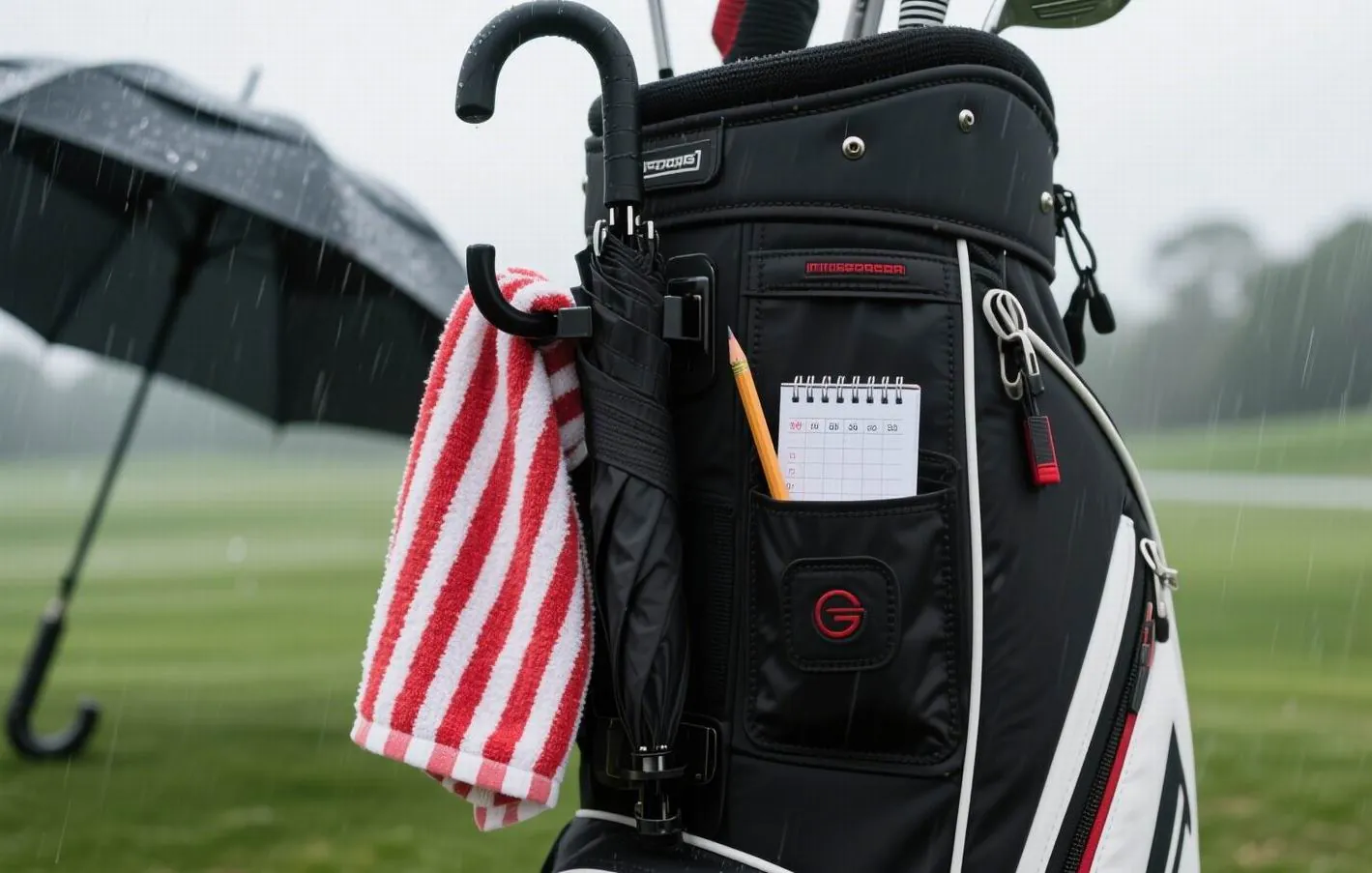
Your golf bag should change with the seasons: in spring and autumn carry a full 14-club set optimised for scoring; in summer strip out surplus weight and prioritise hydration, sun protection and a rain cover; in winter lighten the club load, add thermal layers, extra gloves and a dependable full rain cover, and protect anything that moisture or cold can damage. Dividing the year into four concrete bag set-ups lets every pocket earn its place and keeps you ready for the conditions you will actually face. At our affiliated factory, QUANZHOU JUNYUAN BAGS (founded 2014, our founder in the industry since 2004), we equip 200+ brands across more than 100 countries, and this guide reflects how we help retailers and players structure their seasonal stock and on-course kits.
Why a Seasonal Bag System Works
A golf bag that never changes slowly fills with items you no longer need, gains unnecessary weight, and leaves you without the gear the current weather demands. A seasonal system fixes both problems at once. When you deliberately reset the bag four times a year, you remove the clutter that accumulates round after round and you force a moment to ask what the coming season will throw at you.
The result is a leaner, more useful bag. Lighter bags reduce fatigue, which is measurable across a round - a heavy bag carried for eighteen holes saps energy that could go into your swing and your concentration. An organised bag also saves time on the course, because you always know where the glove, the tees and the ball marker are. Players who run a seasonal system report packs that are easier to carry, faster to use and better prepared for weather.
There is a protective benefit too. Weather-sensitive items - rain covers, thermals, sharpgedge rangefinders, backup gloves - are more likely to survive the off-year when they are stored deliberately rather than forgotten in a bottom pocket. Seasonal resets are the simplest habit that improves both your comfort and the condition of your equipment.
The Spring Set-Up: Full Carry, Fresh Start
Spring is when conditions swing wildly. Early rounds are cold and damp, later ones warm and dry, so the spring bag is about flexibility and the return to a full set. Carry your full 14 clubs if you play through the spring, add an extra glove and a spare towel, include a rain cover and a waterproof layer, and replace any tees and balls that winter damaged.
Because course conditions change quickly, keep your zippers and pockets organised so you can reach the rain cover without emptying the whole bag. Spring mud and morning dew also mean your bag will get wet - dry it fully after rounds and condition any leather or coated sections before sealing them away. A small bottle of water and sun protection join the bag now, since spring light can be deceptive.
Spring is also the moment to service the bag itself. Check the zippers for winter stiffness, lubricate and clean them, inspect the straps and stand mechanism, and confirm the dividers are not torn. A bag that survives a damp spring in good shape will be ready for the demands of summer. The full annual inspection is detailed in our seasonal maintenance and care guide.
The Summer Set-Up: Strip Weight, Prioritise Hydration
Summer is about managing heat, humidity and fatigue. This is the season to deliberately lighten the bag. Many players drop clubs they use rarely and carry 12 to 13 instead of a full set, shed heavy layers, remove surplus gadgets and reduce the weight that a hot day makes harder to carry. Every gram you remove is energy saved for the back nine.
Hydration becomes a priority. Carry extra water or an insulated bottle, and consider a lightweight cooler or hydration attachment for long hot rounds. Sunscreen, a hat or cap, and a lightweight towel are essential. Because summer storms are sudden, keep a compact rain cover accessible. Sun protection extends beyond comfort - it prevents heat exhaustion and protects your skin over a long season.
Keep the bag organised around quick access: the glove in a pocket you can reach mid-round, tees and ball marker at hand, and everything you rarely touch deep in the main compartments. A summer bag that is lean and well-routed lets you spend your energy on the game rather than digging through your gear. For ideas on keeping a bag tight and efficient, see our golf bag organization tips.
The Autumn Set-Up: Scoring Conditions, Full Kit
Autumn often offers the best playing conditions of the year - drier fairways, cooler temperatures and less crowding - so this is when many players carry their full complement and go for low scores. Restore the full 14 clubs if you lightened during summer, add a mid-weight layer and a range-finder if you use one, and make sure your rain cover is sound because autumn can turn wet quickly.
Autumn mornings bring dew and soft greens, so keep a dry towel handy and protect any coated panels of the bag from constant damp. As leaves fall, your ball-finding setup matters - carry a couple of spare marked balls and make sure your marker and repair tool are easy to reach. Autumn is also the season to check your grips, since cool, drying air can shorten their useful life.
Toward the end of autumn, start transitioning toward winter. Swap lighter summer tees for slightly more durable ones, add the rain layer permanently to the bag, and begin thinking about which items will come out for the cold season ahead. Autumn's flexibility makes it the natural bridge between the heat of summer and the frost of winter.
The Winter Set-Up: Lighter, Dryer, Better Protected
Winter is the season of short carries, cold air and moisture. Lighten the club load to reduce fatigue when you walk slower in heavy clothing, and consider a higher-compression ball that performs better in cold, denser air. Carry extra gloves, a thermal top and hand warmers, and give your clubs a dependable full rain cover. An extra dry towel protected inside the bag is worth its weight.
Cold weather affects both player and equipment. Zippers stiffen and plastics can crack in very low temperatures, so keep the bag's hardware clean and dry, and avoid leaving it in a frozen car boot overnight. Moisture is the bigger long-term enemy - get the bag and its contents fully dry after every winter round, and store it in a cool, dry, temperature-stable room rather than a damp garage. For the deeper winter storage routine, see our seasonal storage guide.
Winter is also when you may switch from walking to riding more often. If so, a cart-compatible stand bag or cart bag removes the need to carry at all. Read our stand bag versus cart bag comparison for guidance on which suits your winter play style.

The Core-Bag System: Keep What Works All Year
The secret to a fast seasonal swap is a permanent core that never changes, surrounded by removable seasonal pouches. The core holds the items you use every single round: a glove, a repair tool(ball marker, tees you actually use, a small number of balls, a hand towel and basic safety items such as sunscreen. Because these stay put, you never lose the essentials when you swap the season-specific gear.
Seasonal pouches then hold the rotation: a summer anti-hydration pouch, a winter thermal-and-rain pouch, a spring transition pouch and an autumn scoring pouch. When the season changes, swap pouches, not the whole bag. This modular method takes under ten minutes, keeps the bag lean, and means nothing important is ever forgotten in the changeover.
This system is exactly how we recommend retailers build seasonal golf bag displays too - a permanent core range with rotating seasonal accessories. It keeps stock relevant and reduces the load a player carries all year. For a fuller look at keeping a bag tight, read golf bag storage solutions on the go.
Adjusting Club Selection by Season
The clubs you carry are as seasonal as the other contents. In spring and autumn, when you play your full round and conditions are favourable, the full 14-club set gives you every shot option. In summer, dropping the club you hit least often - often a long iron or a rarely used wedge - cuts weight and simplifies decision-making in the heat.
In winter, a lighter set reduces fatigue and is easier to manage with cold, gloved hands. Some players also remove clubs they cannot dial in on soft, muddy winter lies, keeping mostly irons, a couple of wedges and the putter. The exact mix is personal, but the principle holds in every season: carry clubs you will actually use and remove the ones that only add weight.
Whatever set you choose, protect your clubs with a well-divided bag. Dividers keep grips clean and clubs separate, which matters more when moisture and mud are common. For a deeper dive into how dividers protect your investment, see 14-way versus 5-way dividers.
| Season | Club Load | Key Adds | Key Removes |
|---|---|---|---|
| Spring | Full 14 | Rain cover, spare glove, towels | Winter thermals, broken tees |
| Summer | 12-13 | Hydration, sunscreen, hat, towel | Heavy layers, surplus gadgets |
| Autumn | Full 14 | Mid-layer, rangefinder, rain cover | Summer-only hydration extras |
| Winter | 11-13 | Thermals, extra gloves, full rain cover | Unneeded clubs, sun-only items |
Protecting the Bag Itself as Seasons Turn
The bag carries your clubs, but it needs protecting too. Summer UV fades and degrades outer fabrics, so avoid leaving the bag in prolonged direct sun and consider storing it covered. Cold winter weather stiffens zippers and can crack plastic fittings, so keep hardware clean and the bag out of freezing overnight storage. Spring and autumn moisture promotes mildew, so always dry the bag fully.
A simple seasonal care cycle - clean, dry, condition and inspect at each change of season - extends the life of any quality bag. The bag's materials and construction matter enormously here. A bag built at our affiliated factory across 7 production lines, with 126 sewing machines, a team of 137 employees and a monthly capacity of around 200,000 pieces, is engineered to handle the stresses of all four seasons. The construction itself is your first line of defence, as our quality standards guide explains.
Seasonal Weather: Rain, Heat, Humidity and Cold
Each season brings a dominating weather condition, and your bag should be set up to survive it. Rain dominates spring and autumn: keep a quality rain cover always in the bag and dry the clubs and bag fully after wet rounds. Heat and humidity dominate summer: prioritise hydration, ventilation and sun protection. Cold and moisture dominate winter: layer up, protect clubs from rain and keep everything dry.
The bag should also adapt to these conditions through its own design. Water-resistant coated panels shed light rain, insulated compartments hold cold drinks in summer, and a stable base handles muddy ground. For a comprehensive treatment of keeping your bag and clubs dry, see our golf bag rain protection guide and our weather strategies guide.
Seasonal Content Quick-Reference Table
The table above gives the quick-reference for each season at a glance. Pair it with the core-bag system and a seasonal pouch rotation, and you will never find yourself carrying winter gear in a summer heatwave or searching for a rain cover when a spring shower breaks. The system takes minutes to maintain and pays back every round.
Make the seasonal reset part of your routine, ideally alongside a regular washing of the bag itself. A clean, organised, season-appropriate bag is lighter, faster and more comfortable - and it keeps your clubs and your investment in good shape all year.
How to Plan Your Seasonal Stock as a Retailer or Buyer
If you buy or sell golf bags, the seasonal nature of play affects your stock planning too. Retailers should carry a core range available all year plus a seasonal overlay: rain covers and waterproof bags ahead of wet spring and autumn, hydration and lightweight bags before summer, and thermal accessories and winter-resistant models for the colder months. Timing stock to the seasons keeps inventory turning.
A factory partner with stable capacity and short lead times makes this easier. Sampling in 10-20 days and bulk delivery in 45-60 days means you can refresh seasonal ranges without long waits. With a standard 200-piece MOQ (100 for test orders), you can trial a seasonal line before committing. For how we help brands plan, see our wholesale and pricing guide.
Conclusion
Using your golf bag seasonally is one of the simplest upgrades to your golf experience. Reset the bag four times a year, keep a permanent core of essentials, rotate weather-specific items, lighten the club load in the toughest seasons and protect the bag itself from the extremes of the year. The payoff is a lighter, faster, better-organised bag that keeps your clubs - and you - ready to play whatever the season brings.
Sources
Strengthen the seasonal system with paired club care. As you change how you use the bag by season, remember to care for the clubs it carries, for the bag and clubs work as one system. Wipe club faces and grips after every round, especially in damp or sandy spring and autumn conditions, and give the grips a proper clean with mild soap regularly. Dry clubs fully after wet rounds before they go back in the bag, because moisture trapped in the bag damages both grips and fabric.
When the season changes, it is a good time to inspect the set for worn grips, loose heads and dirt, and to service what needs it. A routine of seasonal club care runs naturally alongside the seasonal bag routine, so the whole system stays in good condition year-round.
A practical benefit of a seasonal approach is that it prevents small issues from becoming large ones. A damp bag caught and dried in autumn avoids mildew growth that would otherwise spread through storage. A zipper cleaned and lubricated in spring avoids a failure in the middle of the season when you most need the bag. Checking the bag at each seasonal boundary means problems are found early and solved cheaply, which keeps the bag reliable round after round.
It also makes playing more pleasant. A bag that is clean, dry and well-adjusted at the start of each season feels fresh and works at its best, and that carries into how you feel about the game itself. Golf is partly about consistency and comfort, and a well-maintained bag supports both by simply being ready to go when you are.
The Data Behind a Season-Ready Bag
A season-ready bag is only as reliable as the factory that makes it, which is why production discipline matters as much as care habits. At our affiliated factory, QUANZHOU JUNYUAN BAGS, we run 7 production lines with 126 sewing machines and a team of 137 employees, to a monthly capacity of around 200,000 pieces, and we have passed an SGS factory audit in March 2026. Standard minimums are 200 pieces per design, with test orders from 100 pieces; sampling takes 10-20 days and bulk production 45-60 days. Every order passes a documented quality-control stage, so the bag you buy performs as well in service as it does in the shop.
This production basis is what allows us to build entire seasonal ranges for 200+ brands across more than 100 countries with consistent quality. Whether a buyer needs a light summer carry bag or a winter-ready cart bag, the same discipline underpins every unit. For how we build lasting bags, see our quality standards guide.
Build a Season-Ready Bag Range
Standard 200-piece MOQ (test orders from 100 pieces), quality-assured production, sampling in 10-20 days and bulk delivery in 45-60 days.
Explore Custom Golf Bags →Frequently Asked Questions
- How often should you change your golf bag contents by season?
- Review your bag contents at the change of the four main seasons - roughly every three months. Swap out for weather-specific items, adjust the clothing layer and hydration carried, change the tee mix and ball setup, and rotate grips or accessories that are subject to temperature. A quarterly reset keeps the bag lean and removes items you are no longer using.
- Should you carry a full set of clubs in every season?
- No. Many golfers lighten their set in hot summer and cold winter rounds by dropping the long-iron that causes trouble and the wedges they use rarely, carrying 12 to 13 clubs instead of 14. In spring and autumn, when scoring conditions are best, most players carry their full 14 clubs. In winter, when you are likely walking slower in heavier clothing, a lighter overall load reduces fatigue.
- What should go in a summer season golf bag?
- Carry extra water or a hydration system, sunscreen, a hat, a lightweight towel, a rain cover for sudden storms, and a lighter mix of balls and tees. Remove heavy fleece layers and surplus rangefinder attachments you will not need. Prioritise anything that protects you and your clubs from heat and humidity.
- How do I keep my golf bag organised for different seasons?
- Keep a modular pouch system: a permanent core set for the most frequently used items (gloves, tees, ball marker, a couple of balls, sunscreen and towel), plus removable pouches for season-specific gear you add only when relevant. Review what ends up unused after a round and rotate items out rather than letting the bag accumulate unneeded weight.
- Does a winter golf bag need special equipment?
- Yes. In winter carry extra gloves, a rainJacket or thermal top, hand warmers, waterproof balls or a higher-compression ball for colder air, and give priority to a full rain cover over the clubs. Keep an extra towel dry and protected. Because winter lies and a shorter carry are common, a lighter club set also matters.
- Can one golf bag handle all four seasons?
- Yes. A standard stand bag or cart bag handles all seasons if you change its contents and add/remove weather-specific accessories. For heavy winter rain, use a dedicated rain cover. The bag itself does not need to change; its setup does. Leather and coated bags benefit from extra drying care in humid seasons.
- When should I switch from a carry bag to a cart bag for the season?
- Switch to a cart bag or a cart-compatible stand bag if you ride more in hot months or walk less in winter. If you mostly walk in spring and autumn, keep a lighter carry bag. The choice follows your transport and the distance you play, which change with the season and the course conditions.
- How do different seasons affect the golf bag itself?
- Summer heat and UV degrade and fade outer fabrics, winter cold stiffens zippers and can crack plastics, and spring/autumn moisture promotes mildew in pockets. Protect the bag by keeping it dry, out of prolonged direct sun, and conditioned; the bag's contents and care routine should shift exactly as its contents do.