Golf Bag Sustainability: Eco-Friendly Design Principles
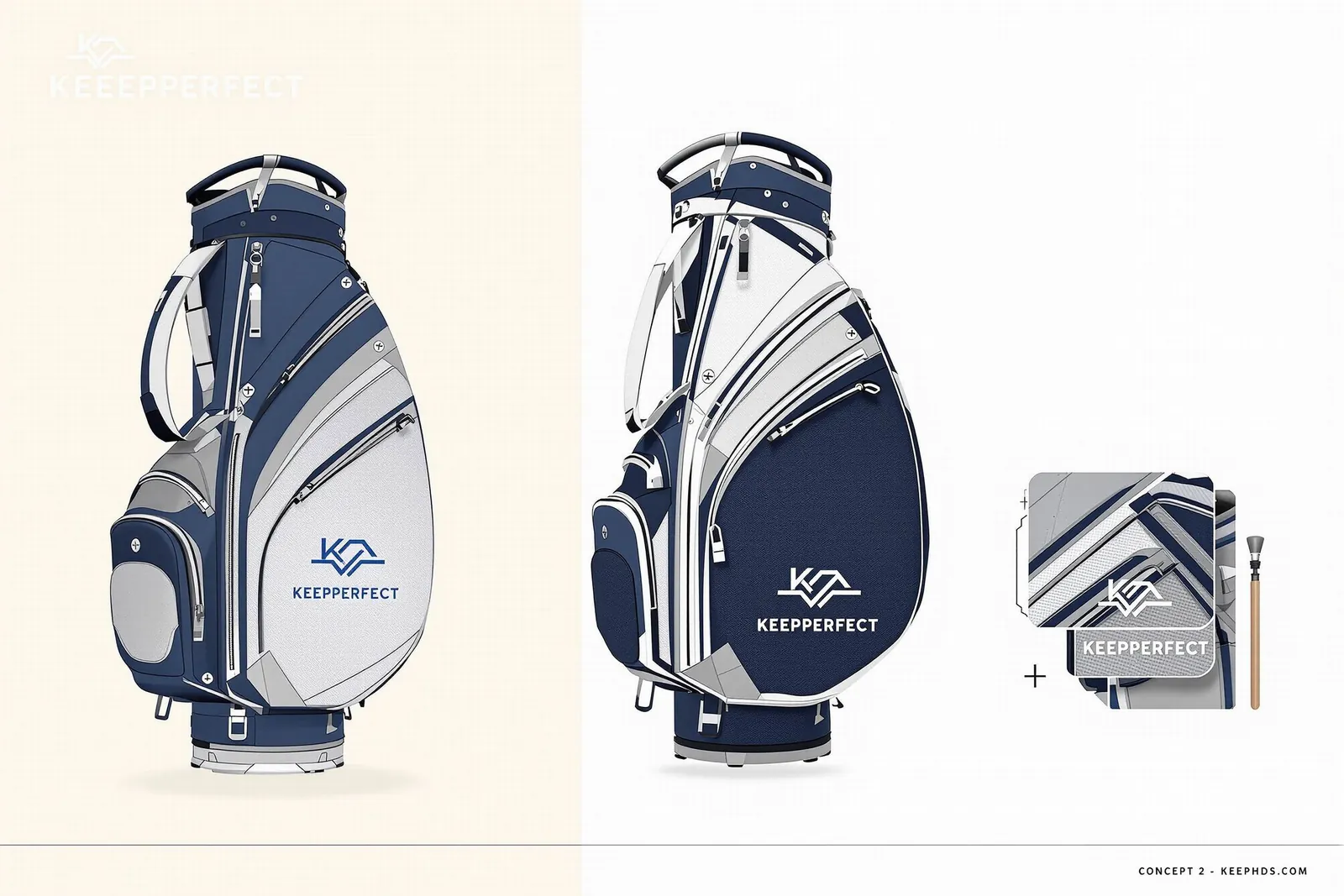
Eco-friendly golf bag design principles — minimal material footprint, verified recycled or organic materials, modular and repairable construction, low-impact decoration and reduced packaging — compound a bag's sustainability, and are all producible at a 200-piece MOQ with 100-piece test orders.
Sustainability is decided in the design studio before a single stitch. The choices a designer makes about material use, construction, repairability, decoration and packaging multiply the effect of any green fabric. A well-designed eco bag is therefore not merely a recycled shell; it is a system that wastes less, lasts longer and recycles more easily.
This guide is written with QUANZHOU JUNYUAN BAGS, a golf bag manufacturer in Quanzhou, China founded in 2014 (our founder entered the golf bag industry in 2004). We walk through the design principles that make a golf bag more sustainable and how those principles are realized in production at practical MOQ and lead time.
The Core Design Principles of an Eco Golf Bag
Eco-friendly golf bag design rests on a small set of principles: use the minimal material that still protects the clubs; choose materials whose environmental impact is verified; design for repair and reuse rather than replacement; apply decoration with the least chemical and ink footprint; and reduce packaging to what the bag actually needs. Each principle points at a design decision. Minimalism shapes panel count and hardware; verified materials shape the fabric spec; repairability shapes how straps, bases and zippers attach; decoration shapes logo placement; packaging shapes the carton and inserts. Combined, these principles compound: less material, cleaner source, longer life, lighter decoration, smaller box. The effect is much larger than any single 'green' fabric. Our materials guide provides the substrate on which these principles act.Minimizing Material Footprint
The simplest way to make a bag more sustainable is to use less material while keeping it functional. Streamlined panel construction, efficient pocket layouts and only the hardware truly needed reduce the fabric and trims consumed per bag without sacrificing protection. Minimization is not about stripping the bag to cheapness; it is about disciplined engineering. Every panel, seam and pocket earns its place by doing a job. A cleaner design reads as premium and produces a smaller footprint at the same time. Because fabric is the costliest input, minimal design also lowers unit cost, aligning sustainability with the budget. This is a design lever every factory can support. Our sustainability guide turns these into a sourcing checklist.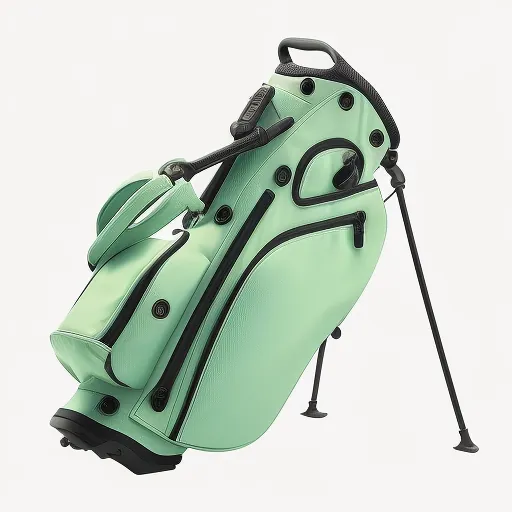
Choosing Materials by Design
Design dictates which materials are structurally necessary, revealing where recycled or organic options fit best. The high-wear shell needs strength, so a high-denier rPET shell is a natural fit. Lining and pocketing, which touch clubs and valuables, suit organic cotton or rPET. Accents and trims can carry recycled or bio-based content. Verified material selection is part of the design spec, not an afterthought. Writing 'GRS-certified rPET 1680D shell' into the design sheet makes the eco choice permanent and documented, rather than a one-off negotiation. When materials are decided by design, the eco story is coherent: each part is sourced for both performance and footprint. Our eco materials guide matches each material to its best use.Designing for Repair and Reuse
A bag that can be repaired is a bag that avoids replacement. Eco design favors replaceable straps, serviceable bases and accessible zipper systems, so a worn part can be swapped instead of discarding the whole bag. This dramatically extends useful life and reduces demand for new materials. Reuse design goes further: a neutral, durable bag has a believable second life as a travel bag, storage piece or hand-me-down. Construction that holds through years encourages this second chapter rather than an early trip to landfill. For the factory, repairable construction is about build quality and accessible parts. Our quality control guide explains how consistent, serviceable construction is guaranteed.Low-Impact Decoration, Designed In
Decoration strategy is decided in design. A single dominant logo zone in a flat, high-visibility area uses less ink and thread than several scattered marks and reads better — a win for both brand and footprint. Water-based inks and low-VOC transfers suit these zones on polyester fields. Embroidery for premium accents can use recycled or natural threads, and heat-applied patches present a clean, durable option. Design keeps the decoration aligned with the material story rather than undermining it. This is why decoration choices should appear on the design sheet as explicitly as the fabric. Our branding guide matches each method to the right zone and material.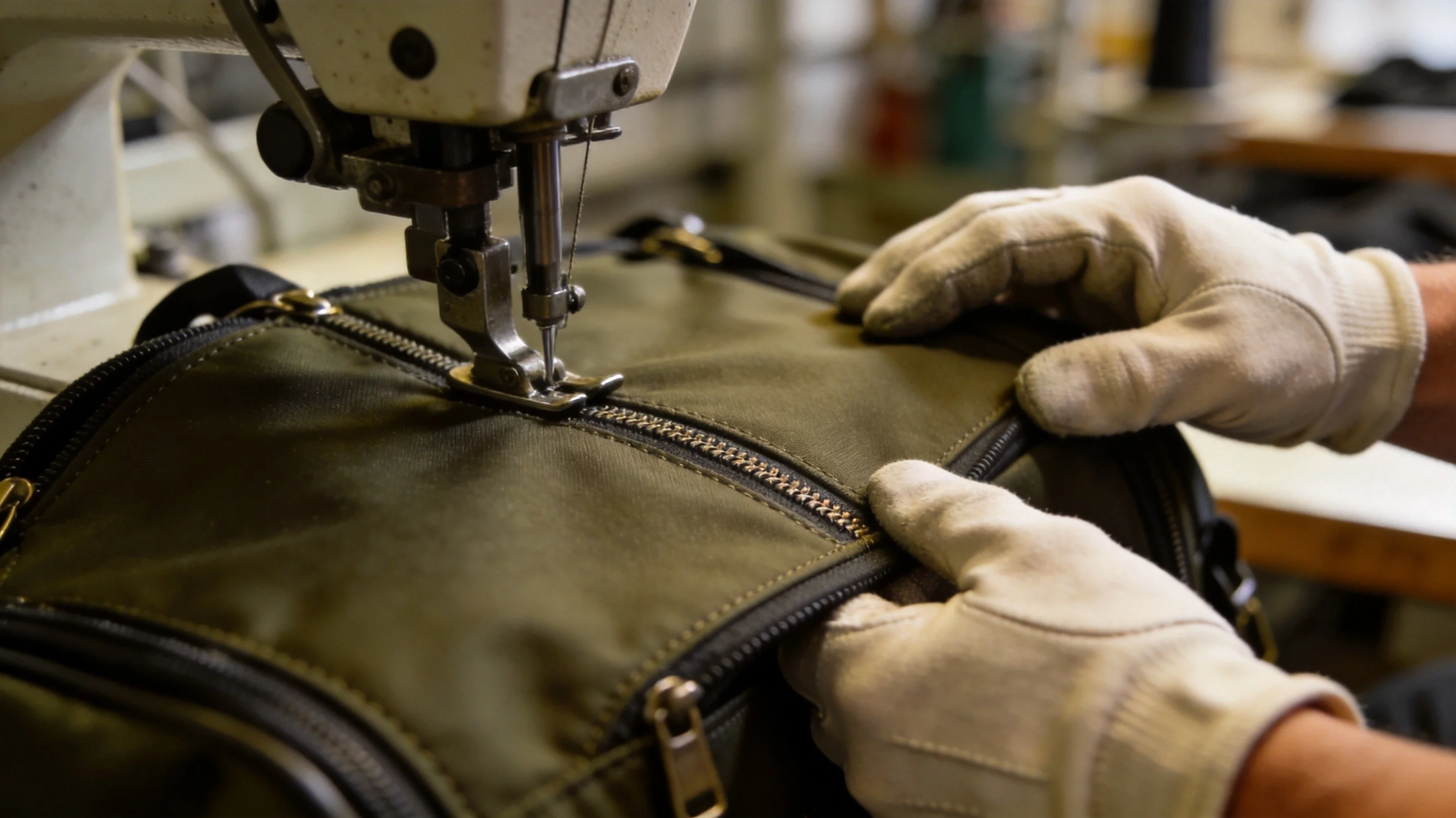
Designing the End of Life
True eco design considers the bag's final chapter. Using compatible polymers in the shell and lining, marking material content, and minimizing non-separable trim make recycling easier. Even without a full recycling scheme, designing for separation is a meaningful future-proofing step. Until recycling is practical, the best end of life is extended use, donation or repurposing. Durable, repairable design makes those outcomes realistic and reduces the chance a bag is discarded early. Honest end-of-life design also shapes brand communication: saying clearly what is recycled, durable and recoverable is more credible than claiming a bag is '100% recyclable' without the infrastructure to back it.Packaging as Part of the Design
Packaging deserves the same design attention as the bag. Specify recycled cartons, recyclable polybags, minimal foam and tighter packing. Because packaging adds weight and waste that travels with the bag, pruning it reduces the total footprint of each shipment. Efficient packing also lowers shipping cost and emissions by fitting more bags per container. Small design details in packaging compound across thousands of units, making it one of the highest-leverage eco choices available. Request packaging and bag design together so the two are consistent, not contradictory. Our supply chain guide covers how packaging is specified and consolidated.Why Durability Compounds Sustainability
Durability is the multiplier in eco design. A bag that survives five seasons instead of two halves its lifetime footprint per round. Recycled or organic materials cannot rescue a design that falls apart early, so strength is a precondition for sustainability. Designers maximize durability through reinforced stress points, robust straps and hardware, sturdy bases and well-sealed seams. These choices are made in the same design pass as the material and decoration decisions. They are also measurable. Stress, abrasion, tear and zipper-cycle tests turn 'durable' into data a buyer can verify, keeping the sustainability claim honest. Our materials guide and quality documentation capture these numbers.Producing an Eco Design at Practical MOQ
Design vision is useless if it cannot be produced affordably. The good news is that eco design principles — minimal material, verified sources, efficient decoration, lighter packaging — all sit inside the standard manufacturing toolkit. A 200-piece MOQ with 100-piece test orders is enough to produce a designed eco line. Sampling runs 10-20 days and bulk production 45-60 days. QUANZHOU JUNYUAN BAGS, with 7 production lines, 126 sewing machines and 137 staff at about 200,000 pieces per month, can execute a designed eco bag at factory-direct pricing. Launching with a small test order lets brands validate the design and its sustainability story before scaling. Our order process guide walks through the milestones.Conclusion: Design Is Where Sustainability Begins
Eco-friendly golf bag design shows that sustainability is decided before production and printed into every subsequent step. Minimal material, verified sourcing, repairable construction, low-impact decoration, reduced packaging and durable lifetime compound into a genuinely smaller footprint. Because these principles sit inside standard manufacturing, an eco-designed bag is producible at a 200-piece MOQ with 100-piece test orders, sampling in 10-20 days and bulk production in 45-60 days — from a 2014-founded factory with a 2026 SGS audit. To bring an eco design to production, work with a partner who values the whole lifecycle. Contact QUANZHOU JUNYUAN BAGS at service@junyuanbags.com or +86 17750020688.Eco Design Language: How Green Looks Like Premium
There is a persistent myth that sustainable design looks utilitarian. In practice, clean lines, honest materials and disciplined detailing read as premium. A recycled ballistic shell, a tonal organic lining and restrained recycled trims present a refined, contemporary aesthetic golfers increasingly prefer. Color and texture carry the story. Earth tones, natural-weave linings and matte finishes telegraph a considered, sustainable product without compromising modern style. Designers can use exposed recycled binding and visible structure to celebrate the material's source. When sustainable design looks premium, it sells on merit as well as values. This is why leading brands invest in the design language of their eco lines rather than treating them as a softer, plainer alternative. The aesthetics become part of the sustainability argument.Designing within Practical MOQ and Production Reality
Eco design must be producible at a mainstream MOQ. The good news is that sustainable materials and clean construction are standard manufacturing inputs, so a designed eco line fits a 200-piece MOQ per design and colorway, with a 100-piece test order for pilots. Creativity is not limited by scale. Sampling is where a design is proven. Designers specify panels, materials and decoration, and the factory produces a prototype in 10-20 days to check look, hand and durability before bulk production of 45-60 days. Iterating on the sample avoids costly changes downstream. A factory that bridges design and production, translating a design sheet into a buildable, affordable bill of materials, lets a brand pursue ambitious eco design without guesswork. QUANZHOU JUNYUAN BAGS provides this translation, keeping design intent intact through the 7-line production floor.Design Trends Allocating Sustainability and Style
Current eco golf bag design trends pair sustainability with style rather than trading them off. Slimmer profiles and streamlined pockets cut material while reading modern; utility details like exposed recycled binding and contrast stitching celebrate eco materials; and modular, serviceable features signal longevity. A matte, tonal finish across shell and lining creates a cohesive premium look that also minimizes printed accent waste. Meanwhile, minimal but memorable decoration — a single embossed or stitched logo — keeps the brand strong and the ink footprint small. These trends resolve the old tension between green and good-looking. A bag can be both sustainable and stylish, which is exactly why eco design is moving from compromise to first choice for forward-thinking brands, a direction detailed in our customization services guide.Eco Design Through Sampling and Prototyping
Eco design becomes real at the sampling stage. Designers specify the recycled shell, organic lining and decoration, and the factory produces a prototype to validate hand, color, weight and durability. Sampling in 10-20 days lets the design team iterate on material before committing. Prototyping is where eco design risks surface early — a coating that does not adhere to a recycled fabric, a liner whose color shifts, a trim that needs a different grade. Catching these at the sample stage avoids costly changes during the 45-60 day bulk run. A factory that treats sampling as a collaborative design tool, rather than a fixed order step, lets brands refine the eco design until it is both sustainable and saleable. This iterative loop is a core reason good eco design reaches production intact.Material, Aesthetics and Brand Identity in Eco Design
Eco design must reconcile sustainable material with brand identity. A premium outerwear brand may want a refined ballistic shell in muted tones; a sporty brand may favor bold recycled fabrics and contrast binding. Both are achievable because recycled materials now span the color and texture spectrum. The designer's job is to let the material's honesty carry the design — showing clean construction, tonal linings and considered hardware rather than over-decorating. This restraint reads as premium and prints less environmental cost. Brand identity is preserved because the design language, not just the fabric, communicates. A bag that looks unmistakably like your brand while carrying an rPET shell and organic lining is the eco design goal.Writing a Design Spec That Forces Sustainability
The most reliable way to lock in eco design is to write it into the spec. State explicitly: 'GRS-certified recycled polyester 1680D shell; GOTS organic cotton lining; water-based decoration; recycled binding; reduced packaging.' A documented spec prevents silent downgrades and keeps the claim consistent. A precise spec also disciplines sourcing and quoting. The factory prices against the named materials, and the buyer inspects against the same sheet, so the delivered bag matches the promised sustainability. Write the spec for each performance requirement too — abrasion, waterproof, colorfastness — so aesthetics and sustainability must also pass engineering checks. When the spec is both green and rigorous, the resulting bag is defensible from every angle.Positioning an Eco Design in the Market
An eco design positions differently than a conventional one. It appeals to values-driven golfers, retailer buyers building green assortments, and corporate programs answering sustainability briefs. The positioning should foreground the verified material, not vaguely claim 'green.' Price positioning usually reflects the modest material premium but should justify it with the documented story and premium finish. A well-designed eco bag can command a fair price while still reading as a value choice for its audience. Channel positioning matters: eco lines thrive in retailers that feature sustainable merchandising and in corporate gifting where the narrative adds value. With the right position, eco design is not a compromise SKU but a purposeful, ownable lineup entry.Comfort and Eco Design Working Together
Eco design and ergonomics are partners, not rivals. A well-balanced recycled shell with smart strap engineering reduces carry fatigue, and organic padding touches the shoulder comfortably. Sustainability that also improves feel encourages golfers to keep the bag longer — reinforcing durability's environmental reward. Balanced weight distribution and thoughtful pocket placement reduce both fatigue and the impulse to switch bags. When comfort and sustainability reinforce each other, the bag earns years of active use, which is the strongest possible endorsement of its design. Designers therefore treat ergonomics as part of the eco mandate, not an add-on. A comfortable, sustainable bag is more likely to be used, repaired and kept, closing the loop between design, satisfaction and footprint.Designing the Eco Detail at Sample Stage
Eco design decisions crystallize at the sample stage. A pattern drafted for high fabric yield, dividers that use full panel widths and strap attachment points that avoid reinforcement patches that waste material — all visible in the first prototype. The sample is where sustainability moves from moodboard to measurable. At this stage, teams verify that the decorated sample holds color on recycled fabric, that recycled zippers and webbing carry their own certifications, and that the recycled shell sews cleanly at production speeds. Fixing these details on the first sample avoids costly rework at bulk. Treating the sample as a sustainability checkpoint — not just a look check — keeps the eco promise intact through scale. A factory that revises eco details on the sample protects both the design and the certified claim before a single bulk yard is cut.Extending Eco Design Beyond the Bag
A golf bag's eco design does not end at its shell. The packaging around it tells a parallel story: a slim, recyclable carton, tightened to fit the bag, cuts both waste and shipping weight — attacking the footprint from the logistics side that many programs overlook. Design details multiply the packaging's effect: smaller cartons pack more bags per pallet and container, lighter inserts reduce duty and freight, and clear recyclable marking keeps the carton out of landfill. These choices extend cost and carbon savings across the whole supply chain without touching the product itself. Eco design that spans the bag and its packaging is a complete, credible claim. It shows a brand thinking end to end, which is exactly the depth of thinking that separates a marketing phrase from a real sustainability program.How to Read This Article
This article moves from the design principles of sustainable golf bags to the materials and certification that make them defensible, then into practical manufacturing realities and the deeper benefits of an eco design program. Its factory examples reference a representative certified-capable manufacturer (QUANZHOU JUNYUAN BAGS); the cited MOQ, lead time and capacity describe a workable model for planning, to be confirmed against your factory's actual documents. Use the checklist sections as filters and the projections as anchors. Real cost and timeline always follow from the specific factory, material and audit records you collect during sourcing.Eco-Friendly Golf Bag Design Principles
| Principle | Design Action | Sustainability Gain | Verification |
|---|---|---|---|
| Minimal footprint | Streamlined panels, essential hardware | Less material per bag | Material count |
| Verified materials | rPET shell, organic lining | Certified recycled/natural content | GRS / GOTS |
| Repairable | Replaceable straps, bases, zippers | Longer useful life | Construction spec |
| Clean decoration | Water-based inks, single logo zone | Lower VOC, less ink | Ink product data |
| Light packaging | Recycled, reduced, recyclable | Less waste & shipping | Spec sheet |
| Durability | Reinforced stress points | Lower lifetime footprint | Test reports |
Looking for a Reliable Sustainable Manufacturing Partner?
Turn eco design principles into a producible bag: minimal material, verified source, repairable build and light packaging at a 200-piece MOQ. 100-piece test orders, sampling in 10-20 days, bulk in 45-60 days, backed by a 2026 SGS audit.
Request a Sustainable Bulk Quote →Frequently Asked Questions
- What are the key eco-friendly golf bag design principles?
- Minimize material footprint, choose verified recycled or organic materials, design for repair and reuse, use low-impact decoration and trim packaging — while keeping durability high.
- How does design affect a bag's sustainability?
- Design decisions decide how much material is used, whether parts can be replaced and repaired, how decoration is applied and how the bag is packaged, all of which compound the life-cycle footprint.
- Can a design be both premium and sustainable?
- Yes. Clean lines, quality recycled fabrics and wood or recycled-trim accents give a premium finish without animal-based or virgin-heavy materials.
- What is modular or repairable design?
- It means components such as straps, bases and zippers can be serviced or replaced rather than requiring a whole new bag, extending useful life and reducing waste.
- How much does sustainable design cost?
- At factory-direct prices with a 200-piece MOQ (test from 100) the premium is usually modest and can be offset by lower decoration and packaging costs.
- Does eco-friendly design reduce waterproof performance?
- No. Sustainable fabrics can use the same PU/TPU coatings and seam sealing, so waterproof and weather performance is maintained.