The Ultimate Golf Bag Sustainability & Eco-Friendly Buying Guide
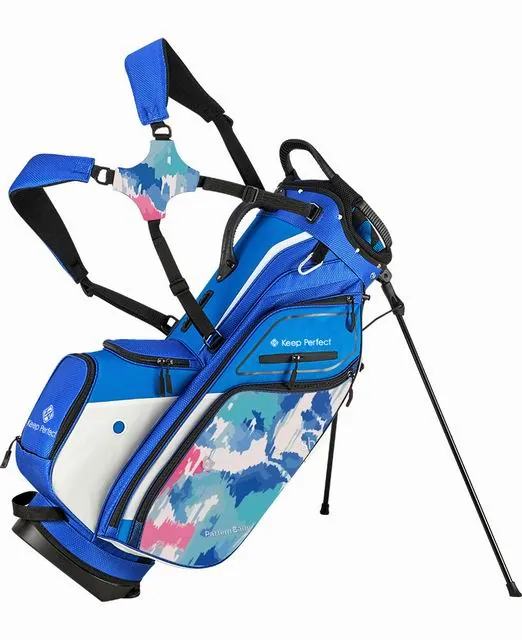
The complete sustainable golf bag guide: judge any eco bag by five verifiable signals — recycled-content certificate (GRS/RCS), chemistry data (bluesign/OEKO-TEX), durability test reports, packaging spec and factory audit (SGS) — and source it at a 200-piece MOQ with 100-piece test orders.
Navigating sustainable golf bags is confusing because the label is everywhere and the definitions are loose. This guide cuts through the noise with a single, repeatable method: evaluate every eco bag against the same five documents. If a supplier can produce them, its claim is credible; if not, the claim is marketing until proven otherwise.
The guidance reflects the practice of QUANZHOU JUNYUAN BAGS, a Chinese golf bag factory founded in 2014 (our founder entered the golf bag industry in 2004), which supplies 200+ brands across 100+ countries. It covers how to judge materials, chemistry, durability, packaging and factory claims, and how to source a sustainable line practically.
A Method for Judging Any Eco Golf Bag
Apply one method to every sustainable golf bag you evaluate: collect the same five documents and compare. First, the recycled-content certificate (GRS or RCS) covering shell and lining. Second, chemistry data (bluesign or OEKO-TEX) for fabrics and trims. Third, durability test reports. Fourth, the packaging specification. Fifth, a facility-level audit such as SGS. Ask the same questions of every supplier so answers are comparable. What percentage of the recycled content is certified, and by whom? Are the dyes and coatings restricted-substance compliant? What waterproof and abrasion tests were run? What is in the packaging? Has the factory been audited, and when? This method converts sustainability from an emotional appeal into an evidence-based decision. In a market full of green claims, the supplier that documents its story is the honest one. Our certification guide details the documents in depth.Judging Recycled and Organic Content
Recycled content is the most common claim, so scrutinize it first. A credible rPET shell carries a GRS or RCS certificate that states the recycled percentage and traces it through the supply chain. Without that, 'made from recycled materials' is an unverified assertion. Organic content is verified by GOTS for cotton that meets organic and social standards. Ask for the certificate and the percentage actually used, since 'organic' can describe anything from a single panel to a full lining. Prefer claims that state a number — '60% recycled content by weight' — because they are checkable and honest. Percent-based, certified claims are the gold standard in this category. Our materials guide explains how percentages are calculated.
Judging Chemistry and Safety
Chemistry is where greenwashing often hides. A fabric might be recycled yet finished with harmful substances. Look for bluesign-processed inputs (the whole process is managed) or OEKO-TEX® Standard 100 data on the finished product (screened against a defined harmful-substance list). Ask specifically about coatings, inks, dyes and hardware. Waterproof coatings and screen inks are the usual suspects, so confirm they meet restricted-substance limits and that the bag is safe to handle and carry. Chemistry data is objective and comparable, making it the strongest defense against greenwashing in this area. Our eco design guide also touches on cleaner finishes.Judging Durability with Data
Durability is a sustainability claim because a long-lasting bag has a smaller lifetime footprint. Look for test reports: strap stress, abrasion cycles on shell corners, tear strength, zipper cycle counts and waterproof checks. These numbers let you compare longevity objectively. Recycled materials pass the same tests as virgin when correctly specified, so durability is not sacrificed for sustainability. Ask whether the sustainable version was tested separately from the conventional one. A factory that shares raw test data rather than a single marketing claim demonstrates confidence in its build. Our quality control guide lists the standard tests and what passing means.Judging Packaging and Logistics
Packaging is the forgotten fifth of sustainability. Ask for the packaging spec: recycled content in cartons, recyclable polybags, minimal foam and efficient packing. These choices reduce waste and shipping weight, lowering footprint and cost together. Logistics complete the picture. Consolidated shipment, efficient carton packing and sea freight where schedules allow reduce per-bag transport emissions. An affiliated-factory model shortens the chain and improves traceability. Insist that packaging is specified alongside the bag so the box does not undermine an otherwise eco product. Our procurement guide covers how to consolidate these requirements across an order.
Judging the Factory Itself
A sustainable product depends on a responsible factory. An independent facility audit — such as an SGS social-compliance audit — verifies working conditions, safety, labor practices and environmental management. It is the most comparable, evidence-based signal of factory-level responsibility. QUANZHOU JUNYUAN BAGS completed a 2026 SGS factory audit, giving buyers third-party assurance on the facility. Pairing that with material certificates covers the whole chain from fiber to finished bag. When a supplier cannot or will not share an audit, treat its broader sustainability claims with caution. A transparent factory will show its compliance record proudly. Our about page outlines our audit and facility.Sourcing a Sustainable Line, Step by Step
Use the five-document method in sourcing. Step one: decide your claim and the materials that prove it. Step two: shortlist factories that can produce those materials. Step three: collect the five documents from each and compare. Step four: request a sample (sampling 10-20 days) using the exact eco spec. Step five: place a test order from 100 pieces before scaling. Keep the MOQ practical. A 200-piece standard MOQ per design and colorway with a 100-piece test order lets you validate the eco line at low risk. Bulk production runs 45-60 days. This staged approach keeps cash and risk manageable while building a growing file of certificates and reports. Our order process guide sequences the milestones.Cost, Value and Avoiding the Eco Premium Trap
There is no inherent rule that an eco bag must cost much more. Recycled yarn is close to virgin in price, and cleaner production reduces waste and rework, which trims cost. The real 'premium' is often certification administration, which is modest and shrinking. Value goes beyond price. A certified eco line helps a brand win retailer listings, answer corporate RFP sustainability questions, and market credibly to engaged golfers. It converts compliance into an asset. Be wary of both extremes: a far more expensive 'eco premium' that is mostly marketing, and a suspiciously cheap 'eco' product that cannot produce certificates. The fair price documents the material and the audit. Our pricing guide offers context.Conclusion: The Sustainable Golf Bag That Passes Inspection
A sustainable golf bag that passes inspection is one whose recycled content is certified, whose chemistry is documented, whose durability is proven, whose packaging is honest, and whose factory has been audited. These five signals turn a popular phrase into a defensible product. QUANZHOU JUNYUAN BAGS delivers sustainable bags that meet all five tests: GRS/GOTS materials, bluesign/OEKO-TEX chemistry, tested durability, reduced packaging and a 2026 SGS audit — at a 200-piece MOQ with 100-piece test orders, sampling in 10-20 days and bulk in 45-60 days. To put the five-document method into practice, request the evidence and the quote at service@junyuanbags.com or +86 17750020688.A Quick Glossary of Eco Golf Bag Terms
Sustainable sourcing has its own vocabulary, and knowing it protects a buyer. 'rPET' is recycled polyester from bottles; 'GRS' (Global Recycled Standard) certifies recycled content; 'RCS' (Recycled Claim Standard) verifies it more lightly; 'GOTS' certifies organic fiber with social criteria; 'bluesign' audits production chemistry; 'OEKO-TEX Standard 100' tests finished products for harmful substances; 'SGS' conducts factory audits. Understanding these helps you converse with suppliers and read certificates correctly. A buyer who knows the difference between GRS and OEKO-TEX, for example, asks for the right document — content proof versus safety proof — without confusing the two. Keep this glossary at hand during sourcing. It turns vague marketing into precise questions and makes it far easier to evaluate the five-document set that defines a credible eco golf bag.What a Verified Eco Bag Looks Like in Practice
A working example clarifies the five-document method. Imagine a brand orders a GRS-certified 1680D recycled polyester shell, a GOTS organic lining, water-based screen decoration and recycled binding, produced in a factory with an SGS audit. Its five documents: the GRS certificate, an OEKO-TEX report on fabric and inks, durability test reports, a packaging spec, and the SGS audit. Every marketing claim follows directly from a document. The brand can state the recycled percentage, cite the safety test, publish durability results, describe the packaging, and name the audit. There is nothing left for a critic to expose, and everything a retailer questionnaire wants. This is the practical payoff of the guide: not a theoretical ideal but a producible, quotable product. A brand that assembles these documents, as QUANZHOU JUNYUAN BAGS supports, can launch a defended sustainability story from day one.A Final Sourcing Checklist
Close the guide with an actionable checklist. Confirm the recycled-content certificate and percentage; collect the chemistry data and confirm restricted-substance compliance; request durability test reports; specify recycled and recyclable packaging; and verify the factory audit date and scope. Then confirm the commercial terms: the 200-piece MOQ per design and colorway, the 100-piece test order option, sampling in 10-20 days and bulk production in 45-60 days, and any certified-fabric lead time. Clarify who provides the documentation and how it is delivered with the order. Hold every supplier to the same list so comparison is fair. The supplier that documents its story is the partner that protects your brand — and the guide's five-document method is the instrument that surfaces it.Quick Reflection: Do You Know These Eco Signals?
Test your grasp of the five-document method with a quick reflection. Do you know the difference between GRS (recycled content with chemistry and social scope) and OEKO-TEX (product safety testing)? Can you name the certificate behind organic cotton? Can you say what an SGS facility audit verifies? Being able to answer signals competency. A buyer who confuses content certification with safety testing risks asking for the wrong document, or being impressed by a certificate that proves a different claim than assumed. Keep this mental model sharp because suppliers vary in how precisely they talk. The buyer who can distinguish certificates asks better questions, negotiates the right evidence and avoids being talked past by vague green language.The Trust Model of Verified Sustainability
Trust in sustainability is built by a chain: a certified material, a documented process, an audited factory and a consistent claim. Break any link and trust falls. Understanding this chain helps a buyer evaluate what to believe and what to verify. Each document addresses a different doubt. The certificate answers 'is the content real,' chemistry data answers 'is it safe,' durability reports answer 'will it last,' and the audit answers 'was it made responsibly.' Together they close the gaps critics probe. This is why the five-document set is more powerful than any single certificate. It is a trust architecture that makes a sustainability story robust, repeatable and inspectable — the foundation of lasting brand credibility.Educating Your Team on Sustainable Sourcing
A sustainable sourcing program succeeds when the team understands it. Train procurement staff to request the five-document set and read certificates; brief merchandisers on how to present verified claims; and equip the sales team with factual answers and durability numbers. Consistency across the team prevents internal greenwashing — an overstatement from sales that procurement cannot back is a liability. A shared vocabulary for GRS, GOTS, OEKO-TEX and audit keeps everyone aligned. A factory that supplies documentation and simple explanations supports this training. QUANZHOU JUNYUAN BAGS provides the certificates and clarity a brand needs to teach its own team, reducing mistakes and building confident, defensible selling.Continuous Improvement as the Real Sustainability Goal
Sustainability is a direction, not a destination, and continuous improvement is the honest goal. A brand might start at one recycled style, move to organic linings, add water-based decoration, then extend recycled trims. Each step is verified and builds the file. Measure the journey: certified content per bag, waste avoided, packaging weight, successful eco listings. Year-over-year improvement, documented, is far more credible than a static 'sustainable' label that never changes. Because improvement compounds, the program gets cheaper and stronger over time as recycled supply grows and processes refine. That is the most defensible and most valuable sustainability story a brand can tell.A Play-by-Play of a Sustainable Buying Decision
Walking through a decision makes the guide concrete. A retailer sourcing an eco stand bag receives two quotes: one with a vague 'green' memo, one with a GRS certificate, OEKO-TEX data, durability reports, a packaging spec and an SGS audit. The second quote answers every question in the buyer questionnaire without a follow-up. The buyer compares price and finds the documented sustainable bag carries only a small premium. It approves a 100-piece test order, validates the decorated sample on recycled fabric, then scales to 200 pieces within the 45-60 day bulk window. This is the method in action: the five-document set shortened the decision, de-risked the trial and opened a fast path to scale. It converts sustainability from an abstract preference into a concrete, low-risk purchasing outcome.Reviewing and Renewing a Sustainability Program
Even the best program needs a yearly review. Materials change, certificates shift scope and buyer expectations move, so a fixed plan quietly erodes. An annual review rechecks certification coverage, re-evaluates recycled prices against conventional and renews targets — trimming what is no longer credible and adding what has matured. Engaging your factory in this review keeps you ahead of the curve. A partner that routes new certified options as they emerge and flags certificate renewals before they lapse protects your claim from gaps, which is where most greenwashing risks actually hide. Data from the year should feed the next: what actually shipped, which samples passed, what certification photo you can show. An annual, documented renewal keeps a sustainability program accurate, defensible and improving — the definition of a program that builds ever-greater trust.Speaking to Your Factory About Sustainability
A good guide leaves the buyer ready to act, starting with how to open the conversation. A clear e-mail to a factory names the goal plainly: 'We are shifting our bag line toward certified materials. Can you quote standard MOQ in GRS-certified recycled fabric, and provide mill-level certificates plus your most recent audit?' It asks for specifics a decision-maker needs: recycled content percentages, added cost per unit, test-order terms, decoration compatibility and separate lotting. These few precise questions separate a serious buyer from a browser and let a capable factory respond immediately and substantively. Closing with a concrete next step — a request for two recycled fabric samples and a test-order quote — keeps the exchange moving. The factory match then works itself out: the partner who answers with documents and samples is the one worth building the program with.Scope and Intended Use of This Guide
This guide is written for a buyer starting or improving a sustainable golf bag program, with the practical, certified-materials path kept central. Standards referenced — GOTS for organic cotton, GRS and RCS for recycled content, bluesign and OEKO-TEX for chemistry — are genuine third-party programs cited so you can verify directly. Factory figures such as 200-piece MOQ, 100-piece test orders and 45-60 day bulk lead time illustrate a workable certified-capable model (QUANZHOU JUNYUAN BAGS is named as the representative factory). Figures are planning anchors, not guarantees for every supplier. The five documentation steps form a reusable method; use them as a decision checklist and adapt the specifics to the certificates and audits your chosen factory provides.A Closing Prompt to Act Today
Every reader of this guide can become its next case study. A single test order, built on recycled certified fabric with its documents collected as the product is made, is enough to launch a defensible program — and it resolves in a practical number of weeks rather than a stalled roadmap. Start by reviewing one best-selling model on the current line. Request a certified-material quote, a fabric sample and a test-order price in the same message, and use the five-document set from earlier in this guide as the acceptance list. The clarity of that request tells a capable factory you are ready to move. No further reading is required to begin. The materials, standards and verification steps are all covered in this guide; the remaining action is the one exchange with the factory. A documented first step is the whole difference between a guide read and a program built.The Five-Document Eco Check
| Signal | What to Request | Standard / Evidence | What It Proves |
|---|---|---|---|
| Recycled content | % recycled shell & lining | GRS / RCS | Recycled share is real |
| Organic content | Organic linings / trims | GOTS | Natural, pesticide-free |
| Chemistry | Clean dyes, coatings, inks | bluesign / OEKO-TEX | Safe & regulated substances |
| Durability | Stress, abrasion, waterproof tests | Factory test reports | Long life, lower footprint |
| Packaging | Recycled, reduced, recyclable | Spec sheet | Less waste & shipping |
| Factory | Facility-level audit | SGS social-compliance audit | Responsible operations |
Looking for a Reliable Sustainable Manufacturing Partner?
Hold any sustainable golf bag to the five-document standard. We can produce it: GRS recycled materials, clean chemistry, tested durability, reduced packaging and a 2026 SGS audit at a 200-piece MOQ. Request the evidence and a quote.
Request a Sustainable Bulk Quote →Frequently Asked Questions
- How do I tell if an eco-friendly golf bag claim is real?
- Ask for third-party evidence: a GRS or RCS certificate for recycled content, bluesign or OEKO-TEX data for chemistry, and a facility audit such as SGS for factory practice.
- What is more sustainable — recycled or organic materials?
- Each solves a different problem. Recycled polyester reduces plastic waste and virgin demand; organic cotton avoids synthetic pesticides. Many bags combine both for a balanced footprint.
- Do I need a certificate for every fabric?
- Not for every yard, but a certified supply chain is the reliable way to substantiate recycled or organic claims, and most B2B buyers now ask for it.
- What MOQ and lead times apply to sustainable golf bags?
- Standard MOQ is 200 pieces per design and colorway, test orders from 100 pieces, sampling in 10-20 days and bulk production in 45-60 days.
- Is a sustainable golf bag durable enough for daily play?
- Yes. Sustainability and durability run in parallel; sustainable fabric still passes the same stress, abrasion and waterproof testing we run on all bags.
- What should a sustainable sourcing checklist include?
- Recycled/organic content with certificates, low-impact decoration, reduced packaging, durability specs, and a factory-level audit such as the 2026 SGS audit at QUANZHOU JUNYUAN BAGS.