Golf Bag Weather Strategies: Play in Any Condition
A golf bag weather strategy has to answer three questions before you leave: how much protection does the round demand (water-repellent, water-resistant or fully waterproof), where will the wet and dry equipment sit so nothing valuable gets soaked, and what maintenance follows a wet or hot round so the bag survives the season. The most cost-effective upgrade is rarely a new bag — it is a deliberate pocket discipline (wet gear low and ventilated, valuables and electronics in a sealed lined pocket) combined with a quick post-round dry. This guide from QUANZHOU JUNYUAN BAGS covers the full playbook for rain, heat, wind and cold.
The Three Protection Levels and What They Mean
Manufacturers use three escalating levels of weather protection, and knowing the difference prevents both overspending and getting soaked. A water-repellent (DWR-coated) bag sheds light contact with water — a brief shower, morning dew — but absorbs water under sustained rain. A water-resistant build adds coated or laminated fabrics and sealed seams that keep light-to-moderate rain out for a while. A fully waterproof build, with membrane-backed fabric, waterproof zippers or sealed openings, keeps the contents dry through genuine downpours.
The right level depends on where and how you play. In a dry climate, water-repellent is plenty and the weight saving is real. In a reliably wet region, especially for walkers whose bags face the weather longest, a waterproof build or a waterproof rain hood is the honest answer. Choosing between levels well is the first weather strategy — and it is covered in depth in our waterproof golf bag guide.
For brands, specifying the level matters too — a mislabelled “waterproof” bag that fails in the rain destroys trust. That is why honest testing and clear labelling are core to any serious sourcing decision.
Rain Strategy: Keep Wet Out, Keep Valuables Dry
Weather Ready
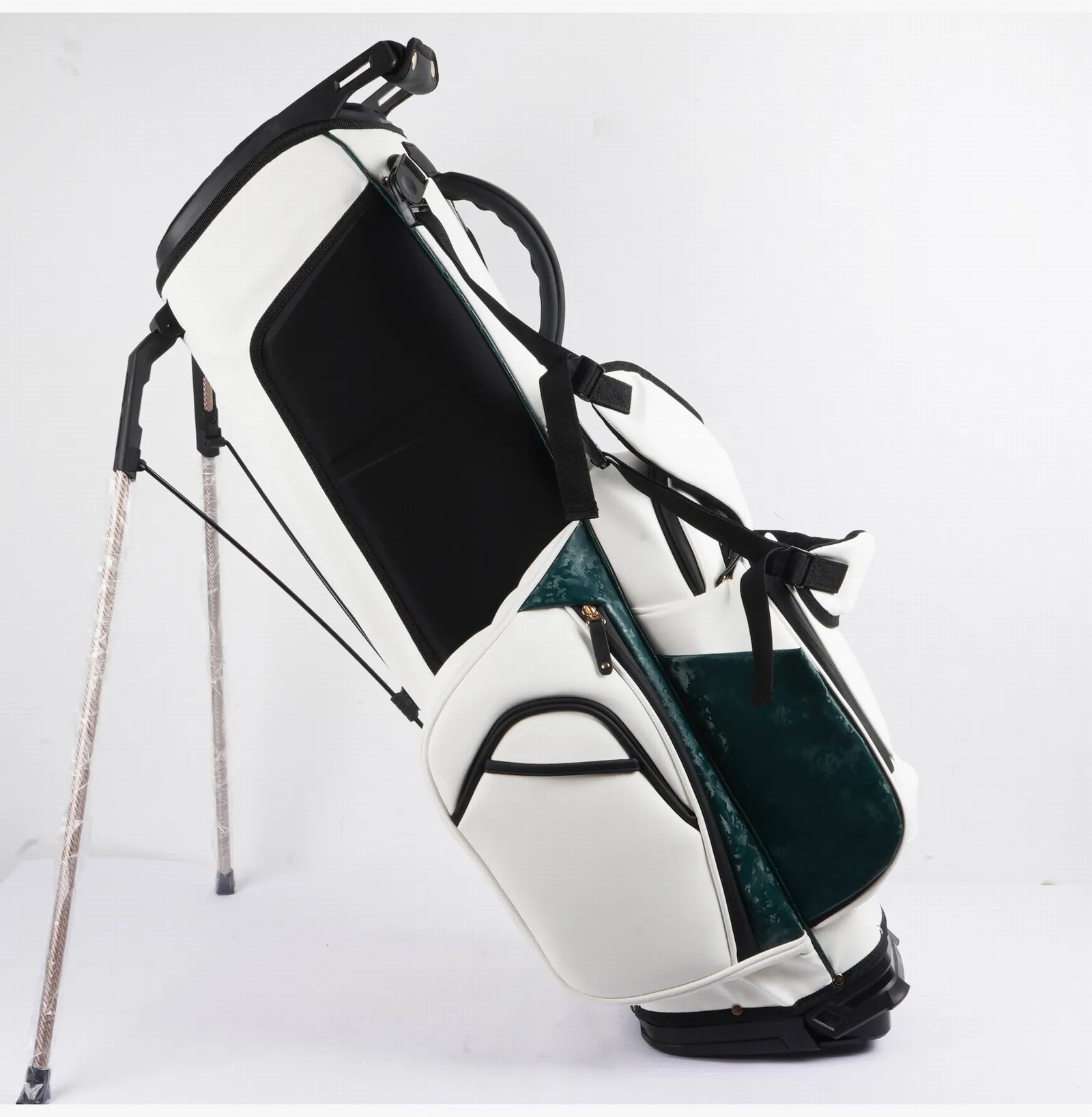
A fitted hood, sealed valuables and self-draining base work together to keep the gear dry and the round playable.
Rain is the weather that tests a bag hardest. The first line of defence is the rain hood — check it is in the bag, covers the club heads and secures around the top. A hood that stays put in wind separates a damp round from a ruined one, so test the fit before the storm arrives, not during it.
The second line is pocket discipline. Rain gear, wet gloves and towels live low in the bag's wet or main pockets. Valuables — phone, rangefinder, wallet — live in a sealed lined pocket that stays dry even when the outer fabric is soaked. Never trap damp items against electronics. A simple rule — wet low, dry sealed, electronics sealed — keeps the round playable through serious weather.
Heat Strategy: Manage Sun, Hydration and Plastic Strain
Heat attacks a bag less dramatically but just as surely. Prolonged sun degrades the outer fabric and the zippers, and a black bag sitting in a cart all day absorbs significant heat that transfers to the clubs and stored gear. Park in the shade where possible, and use the bag's insulated pocket — not a plain one — for drinks so they stay cold.
Protect the attachment points: the straps, handle and cart strap areas that hold the bag's weight take on extra stress in summer heat and constant use. Check them at the first sign of softening. Carry sunscreen, a cap and sunglasses in fast-access pockets, and rehydrate at every opportunity — heat exhaustion is a genuine round-ender.
For the bag itself, a ventilated or mesh-backed design helps on hot humid days, keeping the interior from turning into a sauna that accelerates wear.
Wind Strategy: Drying, Balancing and Pinning Down
The wind changes how a bag behaves even when it is dry, which is why a low, balanced build matters as much in a breeze as it does on a slope. Keeping heavy weight in the lower pockets and avoiding tall, top-heavy loads keeps the bag steady at the green side and protects the clubs from rocking against the dividers between shots.
Wind rarely damages a bag by itself, but it changes how a bag behaves and how long things take to dry. A strong crosswind catches a tall, fully-loaded bag and tips an unattended carry bag from the ground — so set the bag down club-first or use the stand, and on a cart keep it strapped in place.
Wind also dries things fast — which is an advantage if you use it deliberately. Hang wet towels and rainshells out to dry on the strap or a cart hook while walking between shots, so the moisture does not spend the round trapped inside pockets. When a wind blows a short rain front through, the quick dry beats the waterproof layer for speed.
The lesson for packing: keep the wind-ready items (a fast-drying towel, a windbreaker layer) reachable, and keep heavier items low so the bag stays planted in gusts.
Cold Strategy: Layering and Protecting the Gear
Cold rounds add a different kind of logistics: layers come off and go back on several times a day, and each change is a chance for a glove or a thermal top to wander. Keeping a dedicated pocket for spare layers and returning them to the same slot after each use keeps the changeover tidy even when hands are cold and rushed.
Cold slows the gear before it slows the player. Grip feel degrades as gloves stiffen, and clubs left in a frozen or damp bag under-perform until warmed. Pack the layering kit — a thermal layer, a mid-layer and a weather shell — in the deep apparel pocket, and keep the power glove change visible in a fast pocket.
In cold, damp weather the drying discipline matters most: bring the bag in, open every pocket, and let the moisture escape rather than freezing into the fabric overnight. A cold wet bag left sealed will smell and degrade faster than one dried open. The post-round routine is as much a winter strategy as the gear itself.
Cold also sharpens the balance point. A heavy, waterlogged bag in winter carries worse; packing lean and low keeps the shoulders comfortable across the round.
The Weather-Ready Bag
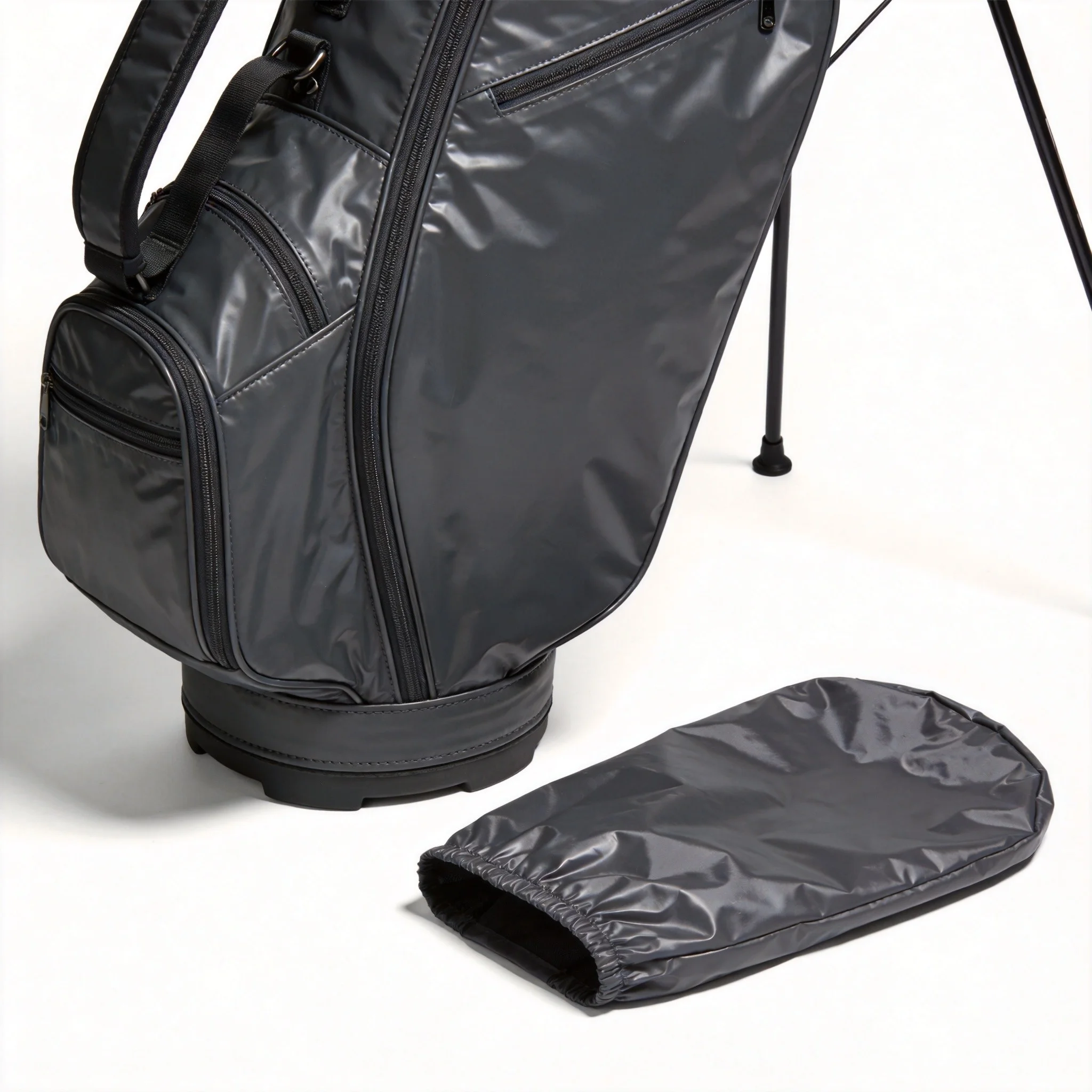
A hood that fits and sealed pockets keep the round playable through real weather.
The Post-Round Maintenance That Wins Seasons
Whatever the weather, the bag’s survival comes down to what happens after the round. On a wet day, empty the bag, hang damp gear to dry, wipe the exterior and leave the pockets open so moisture escapes overnight. On a hot day, brush off any mud and give the fabric a chance to air. This five-minute routine is the difference between a bag that lasts a season and one that quietly degrades.
For fabric care, avoid machine-drying or aggressive heat, which damages waterproof membranes and DWR coatings. Spot-clean with mild soap and water, and re-proof coated fabrics seasonally with a suitable spray. The care side of waterproof builds is covered in our waterproof coating maintenance guide.
Our general bag care guide and seasonal storage guide round out the routine that keeps a bag ready all year.
Choosing the Right Build for Your Climate
One universal waterproof line rarely fits every climate a brand sells into. A desert utility player wants sun resistance and ventilation over heavy rain defence, while a Scottish links player wants maximum seam protection and a truly sealed valuables pocket. Offering two or three weather-relevant variants from the same mould lets a factory cover more of the market without multiplying development cost.
The best weather strategy is buying the right bag for where you play. A desert player and a coastal player need different builds; a fair-weather occasional golfer needs less than a committed year-round walker. The decision hinges on three variables: rainfall frequency, whether you walk or ride, and your tolerance for carrying extra waterproofing weight.
Walkers face the weather longest and feel every gram, so they benefit most from a genuinely waterproof but lightweight build or a quality rain hood on a standard bag. Riders can afford a heavier, better-sealed cart bag. In dry climates, save the weight and cost; in wet ones, spend on honest waterproofing. Our waterproof stand vs cart bag comparison helps match the build to your game.
And whichever you choose, verify the claim — a reputable supplier will state the protection level and testing honestly rather than calling everything waterproof. Our rain cover and waterproof technology guide explains the testing methods behind the labels.
Brands and Retailers: Weather-Proofing the Range
For brands and retailers, weather resilience is a selling story, but only if it is true. Mapping your range to the three protection levels — and training the staff and product pages to explain them — helps buyers choose correctly and reduces returns from mismatched expectations. Honest labels, tested claims and clear guidance protect both the customer and the brand.
Weather-ready features also shape sourcing. Sealed seams, waterproof zippers, laminated fabrics and a well-designed rain hood all cost more to build, and the difference surfaces in durability. Our golf bag materials guide and quality standards guide help you assess which builds offer real weather value versus marketing gloss.
The Year-Round Weather Playbook
Buyers stocking weather-ready bags should treat the playbook as part of the product, not an add-on. Clear guidance on which hood, which fabrics and which seam treatment suits each climate makes the buying decision easier for retailers and reduces the after-sale confusion that drives returns. A bag that arrives with honest spec and honest care advice tends to stay in the range longer than one praised only for a waterproof label.
Put it together and a year of weather looks like a small set of recurring plays. In spring, expect rain and pack the hood and sealed valuables pocket. In summer, run the heat plan — shade, insulated drinks, sun kit, strap checks. In autumn, wind and faster drying dominate. In winter, layer up, dry open and watch the balance point. The same bag, with an adjusted pocket plan, handles all four seasons.
The principle that ties them together: know the protection level of your bag, protect valuables in a sealed pocket, keep wet gear low and ventilated, and dry the bag after every wet round. Do that and the weather stops dictating your round — you simply play it.
QUANZHOU JUNYUAN BAGS supplies golf bags from an affiliated 4,950-square-metre main factory whose founder entered the industry in 2004 and which was established as a company in 2014. The facility runs seven production lines with 126 sewing machines and a team of 137 staff, supporting a monthly capacity of up to 200,000 units for more than 200 brands across 100+ countries. Sampling typically takes 10-20 days and bulk production 45-60 days, with a standard MOQ of 200 pieces and 100 for test orders. The factory was independently audited by SGS in March 2026. Contact service@junyuanbags.com or +86 17750020688.
Humidity and Coastal Conditions
Humidity sits right behind temperature as a challenge for golf gear. In coastal rounds the air can feel heavy before a single swing, and that moisture gets into everything from the grips to the pocket zips. Wiping grips down after a humid round and letting the bag dry unzipped stops moisture from building up inside, which keeps both the tack and the hardware working across the season.
Coastal courses also bring salt and sea air, which is harder on zips, buckles and metal fixings than fresh-water humidity is. A quick rinse of the lower bag and hardware with fresh water on salt-heavy days, followed by air drying, protects the fittings. It is a small habit that quietly extends the usable life of the bag and keeps it looking professional for orders and samples.
For buyers sourcing weather-ready bags for a range, the humidity angle is worth asking about directly. A factory that tests for the coastal turfgrower's real conditions and explains the zip and fabric choices has usually priced in the failpoints that only appear six months in. That follow-through is what separates a bag that simply looks waterproof from one that stays reliable in the climate it is actually sold into.
Finally, a weather playbook is only as good as the routine that supports it. The same inspection that buyers do on samples — check the seams, the hood fit, the zip guards and the drain holes — is the inspection players should repeat a few times a season. Knowing in advance how the bag handles the four elements means the course is never the surprise; the bag simply does its job while you focus on the swing.
Humidity is the quieter enemy of a golf bag, especially on humid or coastal courses. In damp, heavy air a bag that dried overnight can still feel clammy by midday, and stored gloves, towels and electronics pick up moisture that fosters mildew and dulls equipment. The answer is ventilation discipline — leave pockets cracked open in the bag room, dry towels outside rather than sealing them damp, and give the valuables pouch a clear routine so nothing stays sealed wet.
Coastal courses add salt and constant moisture. Salt-laden air accelerates corrosion of any exposed metal on zippers and buckles, so a quick rinse with fresh water and a wipe-down after a coastal or salty day protects the hardware. Combined with the standard post-round dry, this low-effort habit stops humidity and salt from quietly shortening the life of a bag that otherwise performs perfectly.
The Emergency Weather Plan: Safety Rules, Materials and Features
The most useful weather strategy is a pre-decided decision tree, because thinking on the spot about lightning or a fast-moving storm is exactly when mistakes happen. Set simple if-then rules before you leave: if lightning is within range, the round stops — head to shelter immediately and let the clubs wait; if the forecast calls for a heavy window, pack the waterproof build or hood and move valuables into the sealed pocket before teeing off, rather than mid-round.
Safety should always outrank the round. Clubs can be dried and bags can be replaced; people cannot. Deciding the conditions under which you will stop, shelter and call it in before you start avoids the hesitation that puts a player in harm’s way. A pre-agreed plan makes the smart call automatic, and that is the real value of putting a weather strategy on paper instead of keeping it in your head.
Beyond the protection level, a few design choices make a bag genuinely easier to keep dry and maintained. A well-draining base or a structure that lets the bag sit off the wet ground reduces water pooling; a coated liner or a dry, sealed valuables pocket protects electronics; and a solid, well-fixed rain hood that deploys fast matters more than any single fabric claim. Corrosion-resistant zippers and quality fasteners hold up in salt and damp far longer than their cheaper equivalents.
For buyers and brands, these features are worth specifying consciously rather than leaving to chance, because they compound over a season of use. A bag engineered with the weather in mind — good materials, sealed seams, a fast hood and hardware that resists the elements — delivers a durability story that cheap weatherproofing cannot touch. That is the difference between a bag marketed for weather and one genuinely built for it.
Quick Reference: Weather Strategy by Condition
Match the plan to the forecast and run the same maintenance beat after the round.
| Condition | Pack & Protect | During the Round | After the Round |
|---|---|---|---|
| Rain | Waterproof build or hood; valuables sealed | Keep hood fitted; wet gear low | Empty, dry open, wipe exterior |
| Heat / sun | Insulated drinks, sun kit; shade parking | Rehydrate; shade the bag | Brush debris, let air out |
| Wind | Heavy items low; balance the bag | Anchor the bag; use wind to dry | Check straps and attachments |
| Cold | Layering kit; spare glove reachable | Keep gear moving and warm | Dry open fully, avoid freezing |
Adapt the plan to your climate, but keep the three constants: sealed valuables, wet gear ventilated, and a post-round dry.
Weather-Ready Bags, Honestly Built.
Source water-repellent, water-resistant and waterproof bags with honest labelling and a tested build. MOQ 200, sampling 10-20 days, bulk 45-60 days.
See Our Quality Standards →Frequently Asked Questions
- What is the difference between water-repellent and waterproof golf bags?
- Water-repellent bags shed light water with a DWR coating; water-resistant bags add coated fabrics and sealed seams; fully waterproof bags use membrane-backed fabric and waterproof zips that keep contents dry in sustained rain.
- Should I always buy a waterproof golf bag?
- Only if you play a genuinely wet climate or walk in the rain regularly. In dry regions the weight and cost of full waterproofing may not pay for itself.
- Where should I store valuables in the rain?
- In a sealed, lined valuables pocket that stays dry even when the outer fabric is soaked — never loose in a main pocket next to wet gear.
- How do I dry a golf bag after a wet round?
- Empty it, hang or wipe damp gear, open every pocket, and let it air dry fully before the next use; avoid machine drying and aggressive heat.
- Does heat damage a golf bag?
- Prolonged sun degrades fabrics and zippers and can transfer heat to clubs; park in shade and use an insulated pocket for drinks.
- How do I know if a bag is really waterproof?
- Check the stated protection level and testing method — honest suppliers test and label rather than calling everything waterproof.
Related Reading
- Waterproof Golf Bags Ultimate Guide — The three protection levels in depth.
- Rain Cover & Waterproof Technology 2025 — Testing methods behind waterproof labels.
- How to Maintain Waterproof Coating — Care side of waterproof builds.
- Golf Bag Care Guide — The routine that keeps a bag ready all year.
- Seasonal Storage Guide — Off-season and seasonal handling.
- Waterproof Stand vs Cart Bags — Match the build to your game.
- Materials Guide — Materials that deliver weather value.
- Quality Standards Guide — Construction behind weather claims.
Sources
- British Weather Service (Met Office) — references for interpreting weather forecasts in planning a round.
- SGS — independent testing and verification supporting waterproof claims.
- USGA — equipment and rules references consistent with this guide.
- R&A — rules and equipment guidance referenced for durability practice.