How to Choose a Durable Golf Travel Bag for Frequent Travel
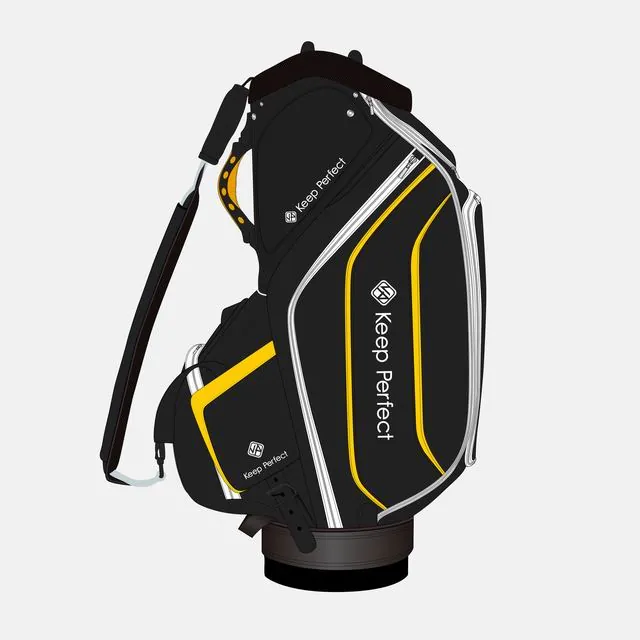
For frequent travel, choose a golf travel bag that is built to a durability-first spec: a high-denier abrasion- and water-resistant shell, a stiffened or padded head with reinforced base and sides, heavy-gauge zips and anchored handles, a smooth in-line wheel system where wheels matter, and an honest empty weight that keeps you under airline limits on every trip. Frequent flying multiplies every weakness, so the bag that is merely adequate for an occasional trip will fail fast for a regular traveller. This guide, from QUANZHOU JUNYUAN BAGS, tells you exactly what to demand. Our founder entered the trade in 2004 and the company was established in 2014; we manufacture on an affiliated 4,950 m² main factory opposite the travel-covers and wheels we also build."
Why Frequent Travel Needs a Different, Durability-First Spec
A golfer who flies a handful of times a year can get away with almost any travel bag; a frequent traveller who flies a dozen times or more cannot. Repetition exposes every weakness - a thin seam fails, a weak zip gives out, a soft base gets abraded, a heavy construction keeps pushing the packed bag over the airline weight limit. The arithmetic of frequent travel is simple: the bag is used many more times, so durability is not a nice-to-have but the core specification.
Durability means choosing a bag whose weakest component exceeds your expected use, because a bag fails at its weakest point. A bag with a great shell but a flimsy zip is a bag that fails at the zip; a great design with an unanchored handle fails at the handle. For frequent travel every component - shell, padding, base, wheels, zips, handles, seams - has to be specified as if the bag will be used far more than it will be. Over-specification is the correct instinct here.
Frequent travel also changes the economics. A bag that lasts 100 trips is worth far more per trip than one that fails after 10, even if it costs more up front. When you divide the cost across the actual number of trips, a durable bag is nearly always the cheaper choice for the frequent flyer. Buying for lifetime cost rather than sticker price is the first and most important mental shift.
QUANZHOU JUNYUAN BAGS builds golf travel bags on an affiliated 4,950-square-metre main factory that entered the industry when our founder started in 2004 and was established as a company in 2014. The facility runs seven production lines with 126 sewing machines and a team of 137 staff, supporting a monthly capacity of up to 200,000 units for more than 200 brands across 100+ countries. Sampling typically takes 10–20 days and bulk production 45–60 days, with a standard MOQ of 200 pieces and 100 for test orders. The factory was independently audited by SGS in March 2026. Contact service@junyuanbags.com or +86 17750020688.
The Shell: Fabric, Denier and Water Resistance
The outer shell is the bag's first line of defence and the surface your clubs and your brand depend on. For frequent travel, choose a high-denier, tight-weave shell - ripstop or coated polyester or nylon - that resists abrasion, tears and water. Higher denier generally means tougher, and a coated or laminate finish adds water resistance without adding much weight, shedding rain and luggage-handling spills before they reach the protection inside.
Denier is a meaningful number, but it is not the whole story. Weave density, coating quality and the reinforcement at stress points all matter. A shell that is tough to scrape but tears at a seam junction adds little value over one that is more balanced. The reliable signal is a manufacturer that specifies its materials honestly and documents how the shell performs on abrasion and tear tests - the kind of verifiable detail a durable product should offer.
Water resistance deserves its own attention for frequent travel. A bag is frequently left on wet tarmac, in rain between transfers, or in a damp container, and a water-resistant shell protects both the bag and the clubs from moisture. Fully submersible waterproofing is rarely needed for a travel bag - the weight and cost are not justified - but a durable water-resistant coating that sheds rain outwardly is a practical, valuable feature. It is the difference between a bag that looks good for years and one that weathers poorly.
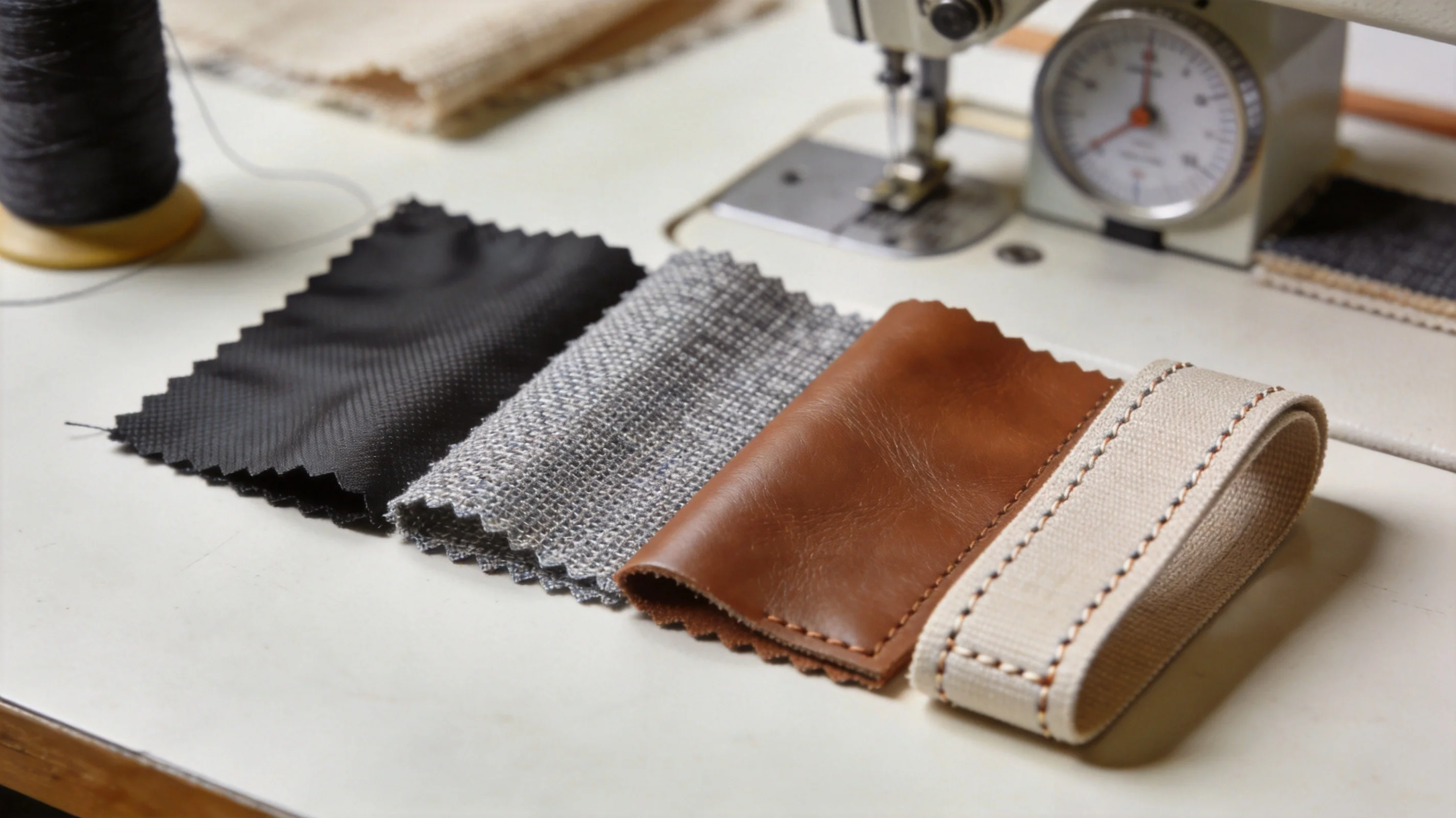
Tough Shell Choice
High-denier, coated fabric resists abrasion, tears and rain across repeated trips.
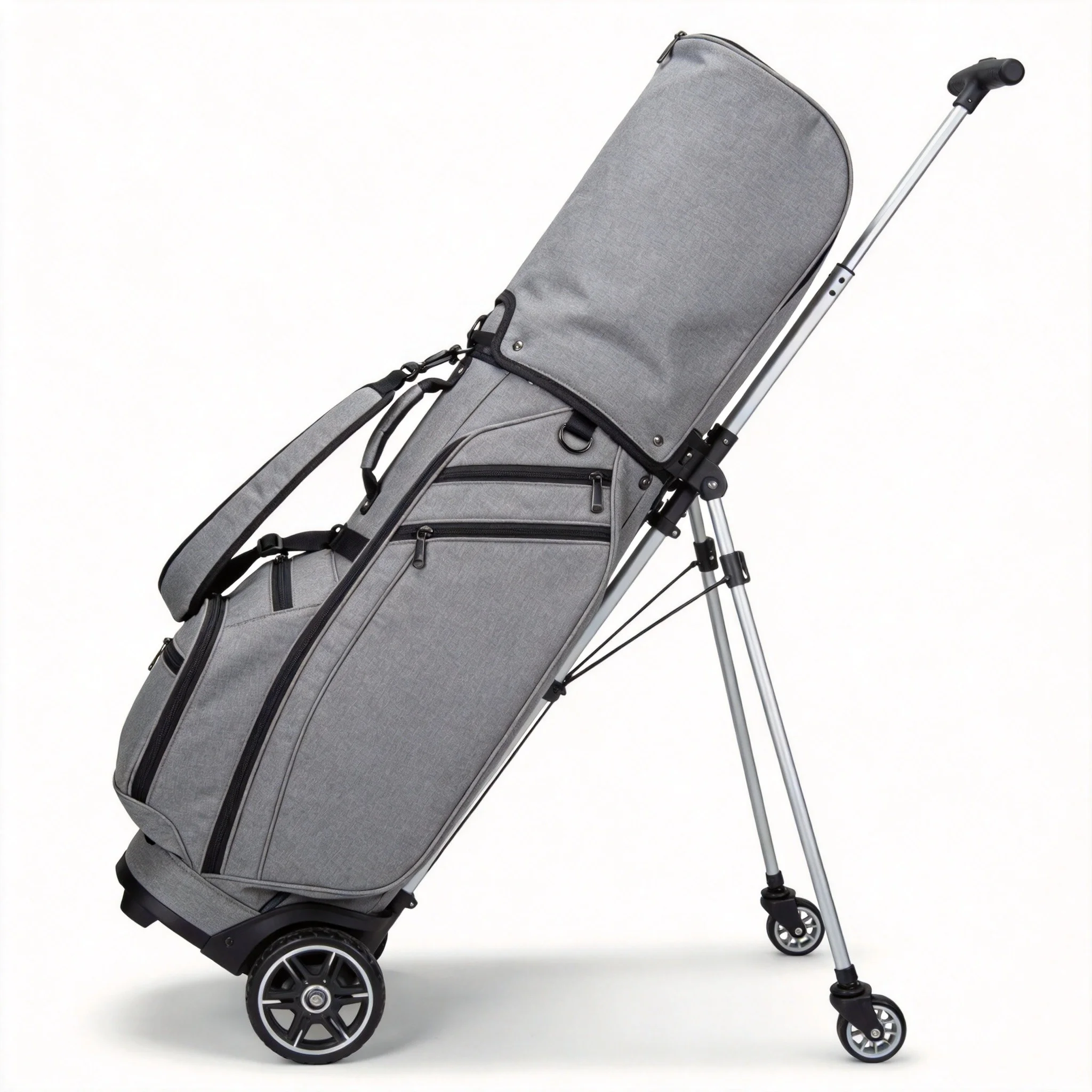
Frequent-Flyer Build
Wheels, reinforced base and anchored handles are specified for heavy repeat use.
Protection That Holds Up Trip After Trip
Protection in a frequent-travel bag has to hold up, not just perform once. The padded or stiffened head over the club heads must keep its density and shape across dozens of flights, not flatten on the first. Dense, resilient foam and a stiffener that resists compression are the difference between a head that protects for years and one that collapses quickly. Ask about the padding's resilience, not just its initial thickness.
The reinforced base and the lower sides take the most repeated wear in frequent travel, whether the bag is wheeled or carried. A stiffened, double-thickness base with an abrasion-resistant or water-resistant foot endures the scuffs of countless set-downs and carousel rides, and the side panels need reinforcement so a lateral knock does not reach the shafts. For a wheeled bag, the lower frame and wheels must be robust enough for the mileage they will accumulate.
Because frequent travel concentrates wear, the construction details decide how long protection lasts. Reinforced stitching at load-bearing seams, bar-tacking at stress points, and binding at the edges where fabric would otherwise fray are the guardrails that keep a bag protecting for hundreds of trips. Our quality-control process inspects these details at every stage precisely because they are what determine a frequent-travel bag's real lifespan.
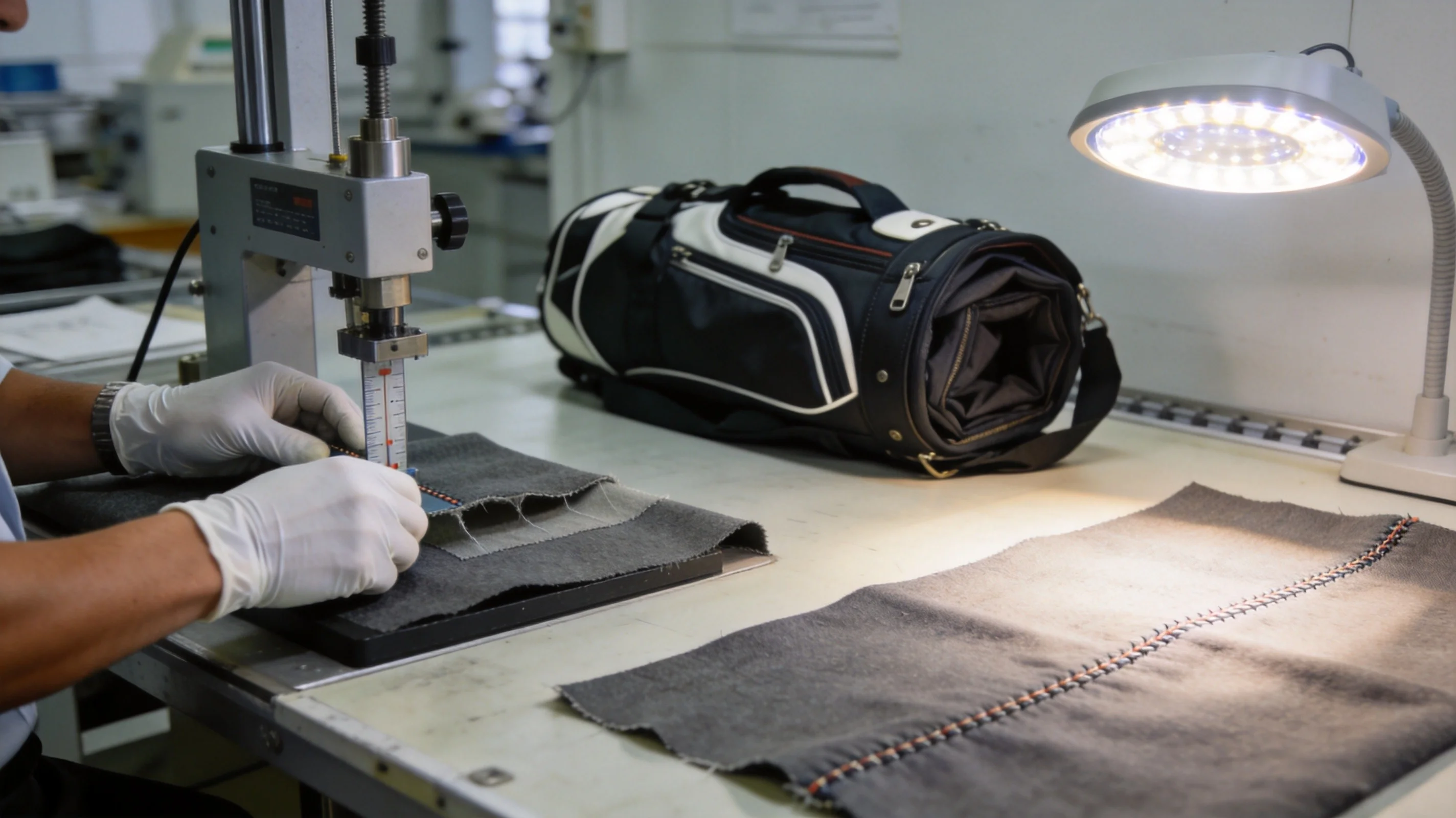
Repeated-Use Tested
Documented QC verifies the seams, padding and hardware that take the wear of frequent flying.
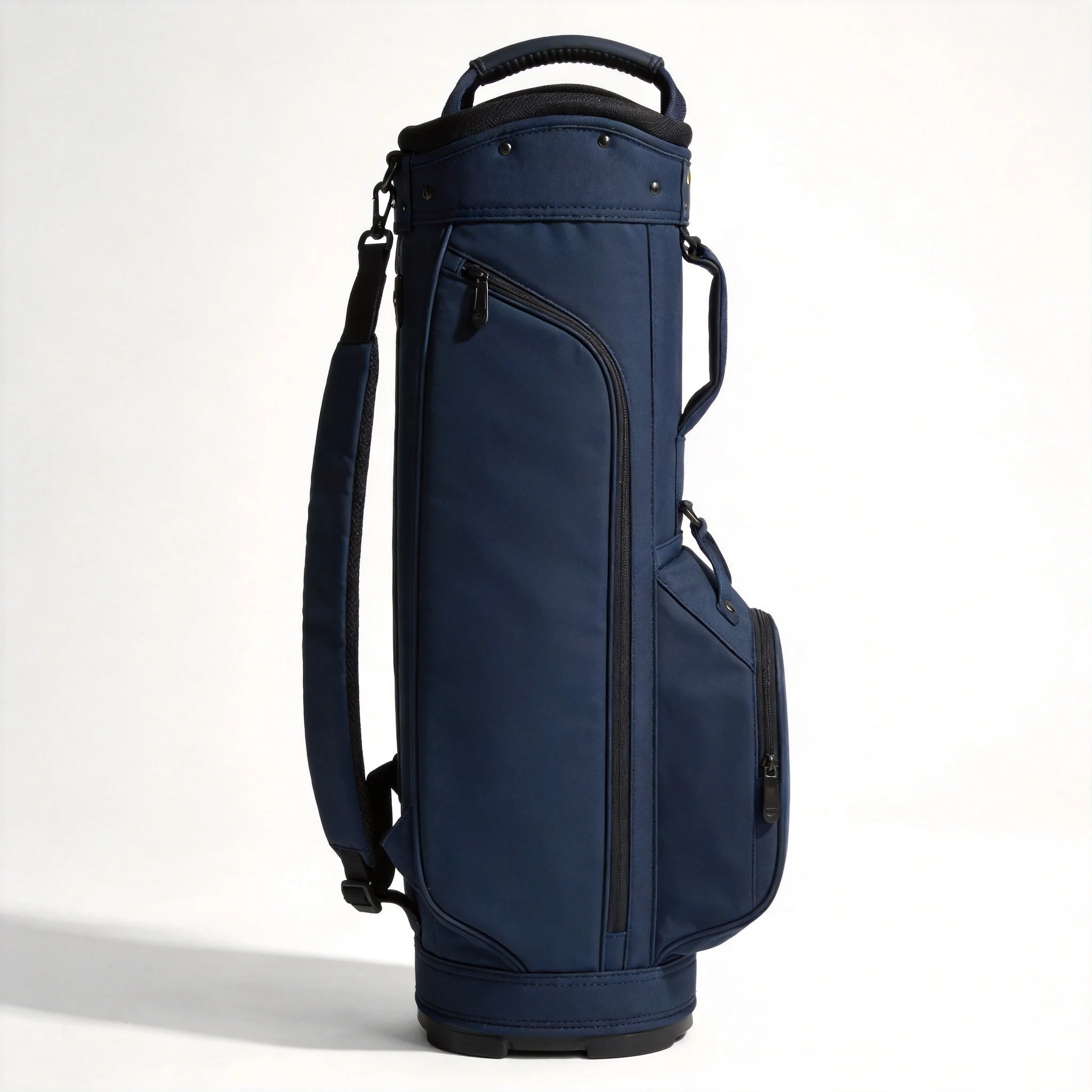
Resilient Build
Dense padding and a stiffened head keep protecting across dozens of flights.
Wheels: The Make-or-Break for Frequent Flying
For a frequent traveller, wheels are often the difference between an effortless airport experience and a tiring one. A smooth, in-line wheel system lets the bag roll upright alongside the traveller rather than being dragged, which is easier on the traveller and on the bag. Robust wheels with good bearings handle tiles, kerbs and carousel transitions without bucking or failing, and a well-balanced wheeled bag does not tip sideways every few steps.
Wheel choice is a durability decision as much as a convenience one. Hard-wearing wheels with sealed bearings last far longer under the mileage of frequent travel than cheap, wobbly ones that break quickly. The wheel mount must be anchored into the bag's frame or base, not sewn to a layer of fabric that will tear. A frequent-travel bag with a weak wheel system is a bag that will need replacing - and a travel bag that cannot roll is only half a bag.
Our travel-wheels product line is built around this reality, pairing the shell with a wheel system engineered for repeated airport use. Whether you choose a wheeled travel bag or add wheels to a soft shell, the wheel system should match the mileage you will actually put on it. For the frequent flyer, investing in wheels is investing in the whole journey experience - and in the bag's usable life.
Zips, Handles and Hardware That Reliably Last
Hardware is where frequent travel separates durable bags from disposable ones. Heavy-gauge zips with durable sliders and stitch-reinforced openings keep the bag sealed across hundreds of open-and-closes, and a water- or dust-resistant zip finish adds weather protection. Reinforced, bar-tacked seams around the zips and handles prevent the most stressed parts from pulling, and robust fasteners, buckles and feet endure the abrasion they meet.
Handles in a frequent-travel bag carry heavy loads frequently, so they must be anchored into the bag's reinforcement, not stitched to a single fabric layer. A wide, padded main handle plus secondary handles for controlled lifting make the bag easy to manage and stress the structure less. Locks that engage reliably - including TSA-approved options on hard cases - keep the bag closed and the traveller confident each time.
The mechanical parts are exactly where a durable bag earns its keep, and also where cheap bags reveal themselves. A lightweight zip that grabs or jams, a handle that starts to separate, or wheels that wobble after a few trips are signs a bag was not specified for the mileage. Over-specified, tested hardware is the quiet foundation of a frequent-travel bag that genuinely lasts.
Weight: The Frequent Traveller's Constant Companion
Frequent flyers feel weight on every single trip, so a durable frequent-travel bag has to balance toughness with lightness. Airlines charge for checked golf bags by weight, and a heavy bag silently erodes the traveller's allowance and adds to handling strain on every journey. The skilled manufacturing task is to keep the bag light enough to fly economically while stiff and cushioned enough to protect - a balance that lighter advanced materials make possible.
Knowing the empty bag weight lets a frequent traveller plan the packed weight. A fully loaded bag with clubs, shoes and accessories can approach the common 23 kg economy ceiling, so a bag that shaves 2-3 kg gives real breathing room. That saving recurs on every flight, making lightness a genuine feature for the frequent traveller rather than a compromise. An honest stated empty weight is the information that makes this planning possible.
The durability-versus-weight balance rewards the well-made bag. A bag that is both durable and moderately light is achievable through material and construction choices - dense-but-resilient foam, high-strength lightweight fabric, efficient reinforcement rather than blind over-building. Weighing the empty bag, planning the packed weight and choosing a construction that optimises both is how the frequent flyer gets a bag that lasts and stays flyable.
Building Your Shortlist of Features
With the priorities clear, the shortlist writes itself. Look for a high-denier, abrasion- and water-resistant shell; a padded or stiffened head with resilient foam; a reinforced base and sides; heavy-gauge zips and anchored handles; a smooth wheel system where you want wheels; and an honest, flyable weight. Then rank the features by your own travel pattern - a bag that mixes car and air may weight handle and flexibility higher, while a pure frequent flyer puts wheels and durability first.
Build the shortlist against your budget and your season, and compare like for like: materials, padding structure, hardware, empty weight and the manufacturing quality evidence. A higher-priced bag is only worth it if the durability and protection genuinely outlast a cheaper one - so ask for the specifications behind the price, not just the price itself. Documented quality control and independent verification help you trust the shortlist.
A practical way to buy with confidence is to sample first. Our test-order MOQ of 100 pieces lets a brand or a bag-curating pro shop inspect a physical sample before a larger purchase, and a serious individual buyer can often see a sample or a documented example rather than buying blind. Evaluating the actual bag - its weight, its padding resilience, its hardware feel - is the fastest route to a shortlist you can trust for hundreds of trips.
Maintaining a Durable Bag So It Stays Durable
Durability is engineered in, but it is also preserved by care. A frequent-travel bag benefits from routine attention: inspect zips, wheels, base, seams and handles after each trip, and repair minor issues - a stiff zip, a loose stitch, a worn wheel - before they grow into failures. Because frequent travel returns the bag to the airport so often, a few minutes of after-trip care converts to far more usable life.
Cleaning and storage matter too. Spot-clean with mild detergent, dry the bag fully before storing, and keep it dry, ventilated and out of direct sun so moisture, mildew and UV do not degrade the fabric, zips and coatings. Reapply a durable water-repellent coating periodically to keep the shell shedding water and dirt, exactly as you would any technical textile. These habits preserve the very durability you paid for.
Our care guide on this site walks through the maintenance routine in full. The principle is simple: a durable bag rewards the small effort of keeping it clean, dry and repaired early. The frequent traveller who pairs a well-built bag with consistent care gets years and hundreds of trips from it - and that is the real return on the durability-first investment this guide recommends.
QUANZHOU JUNYUAN BAGS builds golf travel bags on an affiliated 4,950-square-metre main factory that entered the industry when our founder started in 2004 and was established as a company in 2014. The facility runs seven production lines with 126 sewing machines and a team of 137 staff, supporting a monthly capacity of up to 200,000 units for more than 200 brands across 100+ countries. Sampling typically takes 10–20 days and bulk production 45–60 days, with a standard MOQ of 200 pieces and 100 for test orders. The factory was independently audited by SGS in March 2026. Contact service@junyuanbags.com or +86 17750020688.
The Verdict for Frequent Travellers
For the frequent traveller, the reliable choice is a durability-first bag - usually a wheeled-soft or a stiffened soft bag that balances weight, storage and protection, with a hard case reserved for the most valuable clubs on the most demanding routes. Buy from a manufacturer that specifies materials, weight and quality honestly and can point to verifiable production standards; then protect that investment with routine care.
The durable bag pays for itself across many trips - in fewer failures, lower weight-related charges, easier handling and clubs that arrive intact every time. Because frequent flying multiplies every weakness, the over-specified, verified, well-maintained bag is not a luxury; it is the economical choice over the long run.
Finally, couple durability with an honest, flyable weight and a shell matched to your travel pattern, and you have a bag that serves you for years and hundreds of flights. That combination - engineered durability, sensible weight, correct shell and consistent care - is the definition of the right golf travel bag for anyone who travels often. Choose it, protect it, and it will carry your clubs faithfully wherever the game takes you.
Buying for Lifetime Cost, Not Sticker Price
Frequent travel changes how you should measure the value of a bag, and the right unit is cost per trip rather than sticker price. A durable bag that lasts a hundred trips is worth far more than a cheaper one that fails after a dozen, even when the outlay is higher; divide the purchase price by the journeys you make and the durable choice nearly always wins. Keeping that measure in mind helps you pay for robustness where it matters instead of overbuying.
Build the purchase against your own travel pattern and budget. A frequent flyer who wants easy airports usually lands on a light wheeled-soft bag; a traveller carrying expensive clubs may accept the weight of a hard case for the routes that demand it; a value-conscious road and air traveller often mixes a light bag with a protective cover deployed for the hardest journeys. Ranking weight, protection, wheels, storage and price in your own order turns an overwhelming range into a clear shortlist.
Finally, protect the investment you make with consistent care. Routine inspection after each trip - zips, wheels, base, seams and handles - and prompt repair of minor issues, plus correct cleaning and dry storage, extend the service life a durable bag is designed to give. Pair a well-built bag with disciplined packing and care, and the cost per trip falls further, making the durability-first choice the clear economics for anyone who flies often with their clubs.
Durability Checklist for a Frequent-Travel Golf Bag
Use this checklist when evaluating any golf travel bag intended for regular flying.
| Component | What to Demand | Why It Matters |
|---|---|---|
| Shell | High-denier, abrasion- and water-resistant | Survives repeated handling and weather |
| Head | Padded / stiffened, resilient foam | Keeps protecting club heads across trips |
| Base & sides | Reinforced, water-resistant foot | Endures the scuffs of every set-down |
| Wheels | Smooth, robust, in-line where fitted | Makes flying easier; lasts the mileage |
| Zips & handles | Heavy-gauge, anchored hardware | Keeps bag sealed and controllable |
| Weight | Honest empty weight, flyable | Stays under airline limits every trip |
A bag that scores on all six - plus verified manufacturing quality - is the durable, flyable choice for frequent travel.
Get a Durable Golf Travel Bag That Lasts.
Specify a durability-first travel bag from a factory that documents materials, weight and QC - with wheels, hard cases and covers to match. Explore our travel protection range.
See Durable Travel Wheels & Options →Frequently Asked Questions
- What makes a golf travel bag durable for frequent flying?
- A high-denier abrasion- and water-resistant shell, resilient head padding, reinforced base and sides, heavy-gauge zips and anchored handles, and an honest, flyable weight.
- Should a frequent traveller buy wheels?
- Yes, usually - a smooth, robust wheel system makes airports far easier and lasts the mileage, though hinges help a durable build.
- How do bag weight and durability balance?
- Good manufacturing keeps a durable bag moderately light with advanced materials and efficient reinforcement, so it stays under airline weight limits.
- What is the realistic lifetime of a good travel bag?
- With routine care and balanced packing, a well-built frequent-travel bag lasts hundreds of trips and many years.
- How do I maintain a durable travel bag?
- Inspect zips, wheels, base, seams and handles after each trip, spot-clean with mild detergent, dry fully and store out of direct sun.
- Can I sample a bag before buying in volume?
- Yes - our test-order MOQ of 100 pieces lets a brand or pro shop inspect a physical sample before a larger purchase.
Sources
- USGA — golf equipment and durability references supporting bag selection.
- ASTM International — material and durability test methods informing fabric and hardware expectations.
- SGS — independent factory verification supporting quality claims.
- IATA Baggage — checked-baggage weight context informing the weight recommendation.
Related Reading
Explore more of our expert guidance on golf travel bags and manufacturing to plan the right product for your next trip or program:
- Wheeled travel protection — wheels engineered for the mileage of frequent flying.
- Hard case travel protection — maximum rigidity for valuable clubs on demanding routes.
- Golf bag materials guide — durable fabrics and coatings for repeated use.
- Impact resistance explained — how tested protection supports a durable bag.
- Golf bag quality standards guide — QC benchmarks worth demanding for a long-service bag.
- Factory-direct wholesale — ordering durable travel bags at economical cost.