How to Clean and Maintain Your Golf Bag: The Factory Guide
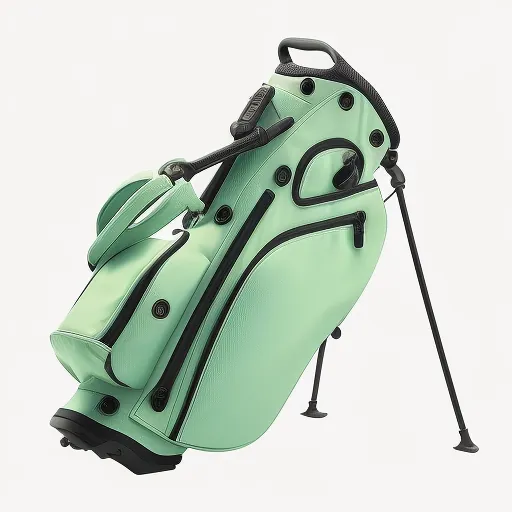
Cleaning and maintaining your golf bag is simple: hand-wash the exterior with warm water and a very mild soap every 2-4 weeks of regular play, dry it completely after every wet or humid round (moisture is the leading cause of bag failure), and store it upright and fully supported in a dry, stable-temperature room away from direct sun. With this routine the average well-built bag keeps performing for 5-10 years, which is exactly why we build longevity into every bag we manufacture at our affiliated factory, QUANZHOU JUNYUAN BAGS (founded 2014, founder active in the industry since 2004). This guide details the full cleaning and maintenance system we recommend to the 200+ brands we serve across more than 100 countries.
Why Golf Bag Care Matters More Than Most Players Think
A golf bag is one of the hardest-working pieces of equipment on the course. Every round it absorbs dirt, sweat, rain, ultraviolet light and repeated knocks, and it carries a club investment that typically costs many times more than the bag itself. When a bag is neglected, the damage is slow but cumulative: waterproof coatings degrade, zippers jam, seams fatigue and mildew spreads inside pockets where moisture has been trapped.
The maintenance math is straightforward. Fifteen minutes of care per month extends the usable life of a bag by years, which is a tiny fraction of the cost of replacement. A bag you have chosen, customised and broken in is also worth keeping in good condition because a new bag never quite feels the same as the one you have played a hundred rounds with. Consistent small habits protect both the equipment and the enjoyment of the game.
There is also a presentational dimension that matters in a professional setting. Pro shops, corporate clients and touring players treat a golf bag as part of the presentation, so a clean bag with smooth zippers and intact trim is genuinely part of the service. Whether your bag is a personal product or a branded item, cleaning it properly keeps it looking new and representing your club or brand well.
Care also protects the small details that make a bag feel like yours. A stiff zipper, a musty pocket or a grimy handle is a minor frustration in the moment, but it chips away at the pleasure of the game over time and can even shorten how eagerly you reach for the bag. Keeping a bag pleasant to use is part of keeping it an asset rather than a chore, and that psychological return on maintenance is real even though it is hard to measure.
There is also a simple safety dimension worth mentioning. Dirt and debris left in pockets and around dividers can find their way toward your grips and, over a wet round, onto your fingers and the club you are gripping. A regularly cleaned and aired bag keeps the environment around your equipment more hygienic and your grip and hands cleaner. For a game where feel and grip matter so much, that small hygiene detail is easy to value.
What You Need Before You Start
Gather the right tools before you begin so the job is simple and safe for the bag. You need warm water, a very mild soap (a neutral pH detergent is ideal), a soft cloth or a soft-bristle brush for scrubbing, a clean towel for drying, and a vacuum cleaner or small brush attachment for the interiors and crevices. If your bag has waterproof coatings, have a fabric-safe waterproofing re-treatment on hand for periodic reapplication.
The single most important rule is to avoid the wrong products. Solvent-based or harsh chemical cleaners strip coatings, fade colours and weaken stitching, so they should never be used on a golf bag. Abrasive scrubbing pads will scratch plastics and grind dirt into fabric. If you need something stronger for a stubborn stain, test it first on an inconspicuous section of the bag and proceed gently.
Setting up a permanent, easy cleaning station makes the whole routine more likely to happen. A soft cloth, a small bottle of mild soap and a brush kept together where you unload after a round mean you can clean whenever the impulse or the grime arrives, instead of hunting for supplies. When the tools are ready at hand, a ten-minute clean becomes the path of least resistance rather than a small project that gets postponed.
The Step-by-Step Hand-Wash Routine
Start by emptying every pocket and removing detachable straps, rain covers and accessories. Turn the bag upside down and shake it firmly to dislodge loose dirt, grass and sand, then use a vacuum with a brush attachment or a dry cloth to clear the pocket interiors and the areas around the dividers where debris collects.
Next, dip a soft cloth or brush in warm water with a few drops of mild soap and clean the exterior in sections, working from the top of the bag downward so dirty water does not re-soil what you have already cleaned. Work the soap gently into stains without aggressive scrubbing, and pay extra attention to the handle, the top ring around the dividers and the base where the bag meets the ground - the areas hands and carts touch most.
Rinse each section with a clean, damp cloth to remove all soap residue, because soap left on the fabric attracts dirt. Do not put the bag in a washing machine at any stage - the agitation distorts the framework and breaks zippers and padding. After rinsing, pat the bag dry with a clean towel before setting it aside to air dry fully, which is covered in the next section.
If a spot proves stubborn, work on it patiently with repeated gentle passes rather than heavy pressure, letting the mild soap do its work. Pressing hard on a wet stain simply drives it deeper into the weave and can distort the fabric. A little extra time with a soft brush and soap is almost always more effective than force, and it leaves the surrounding material undamaged so the clean looks even rather than patchy.
Drying: The Step Most People Skip
Drying is the single most important step in golf bag care, and it is the one most often rushed or ignored. Moisture is the leading cause of premature bag failure after any rain, humid round or cleaning. After washing or a wet day, shake out pooled water, open every pocket and zipper to allow airflow, and let the bag air dry completely in a ventilated area away from direct heat and prolonged sun, which fade colours and crack coatings.
Never use a heater, hairdryer or tumble dryer to speed things up. Concentrated heat warps the base and frame, damages padding and compromises waterproofing. A wet bag that is stored sealed is a breeding ground for mildew and odour, degrading both the outer fabric and the interior liner.
After the outside feels dry, check the deeper areas: the underside of the base, the spaces between pockets, and any cooler or insulated compartment where condensation can collect. Making a full, careful dry part of every cleaning session is what actually protects the interior and keeps coatings and padding performing to specification. Drying completely is a habit that pays back with years of extra life.
It helps to think of drying as the finish line of cleaning rather than an optional follow-up. A bag that is washed but left to sit partially damp has, in effect, been wet longer than a bag that was never washed at all, and the harm comes from that lingering moisture. Completing the job with a full, proper dry ensures the cleaning you did protects rather than accidentally exposes the bag.
Cleaning by Material: Nylon, Polyester, Webbing and Trim
Most golf bags today are built from nylon or polyester, both of which clean well with warm water and mild soap. Use long, gentle strokes with a soft cloth on the main body panels and a soft brush on textured or abrasion-resistant sections where mud tends to grind in. Rinse thoroughly and dry as described above.
Webbing straps benefit from a light scrub with a brush in soapy water, since they are the most soiled and hardest-working straps on the bag. Plastic fittings, buckles and zipper pulls wipe clean with a damp cloth. If your bag has coated or laminated panels designed to shed water, avoid heavy abrasion that strips the coating, and re-apply a fabric waterproofing treatment periodically if recommended by the manufacturer.
If your bag combines several materials, as many do, clean each one with the method that suits it rather than treating the whole bag identically. Soft mesh panels rinse gently, dense webbing scrubs a little more firmly, and smooth coated panels need only a light wipe. Adjusting your approach to each surface keeps every material at its best, which is exactly how a single bag can stay looking cohesive and well-kept after years of varied use.
Zipper and Hardware Care
Zippers are the most-used and most-stressed component of any golf bag, and a smooth zipper is one of the clearest signs of a well-maintained bag. Keep the track free of grit by brushing it out and wiping it clean, keep the slider lubricated with a light silicone spray so it glides instead of grinding, and avoid overpacking pockets so zippers are not forced beyond their seam.
Zippers fail for three main reasons: accumulated grit, a slipped slider, or worn teeth. Start by cleaning the track and slider with a soft brush, then apply a light zipper lubricant to restore smooth glide. If the slider slipped off the track, reseat it at the base, realign the teeth and close slowly. A genuinely broken slider or missing teeth require professional replacement - forcing a damaged zipper usually damages the bag further.
Beyond cleaning, the way you operate the zippers affects how long the whole bag lasts. Open pockets fully rather than forcing a partly obstructed zip, and close them slowly so the slider seats evenly on the track. When a pocket becomes hard to open, check for an overfull structure or a trapped edge of lining before assuming the zipper itself is faulty - most clutch-and-stick problems are caused by something simply in the way, and clearing it restores normal use instantly.
Caring for Coated and Water-Resistant Bags
Water-resistant and coated bags need their own careful treatment. Avoid harsh solvents and heavy abrasion that strip coatings, re-apply a fabric waterproofing treatment periodically, and always dry a coated bag fully before storage - moisture trapped behind a sealed seam is worse than rain itself. Keep zippers clean because debris compromises the weather seal. For deep guidance on keeping waterproofing effective, see our guide to maintaining waterproof coatings.
If you play in frequent rain, treat coated panels as the most valuable surface on the bag. Downpours leave mineral deposits and grime that, once dried, can etch the surface if left. A quick rinse with clean water before the bag dries removes these deposits and keeps the coating's beading performance from degrading. Periodic re-waterproofing then restores the protective layer that friction and grime gradually wear away, keeping the bag's weather defence consistent through the wettest months of the season.
Monthly Maintenance Routine and Inspection Checklist
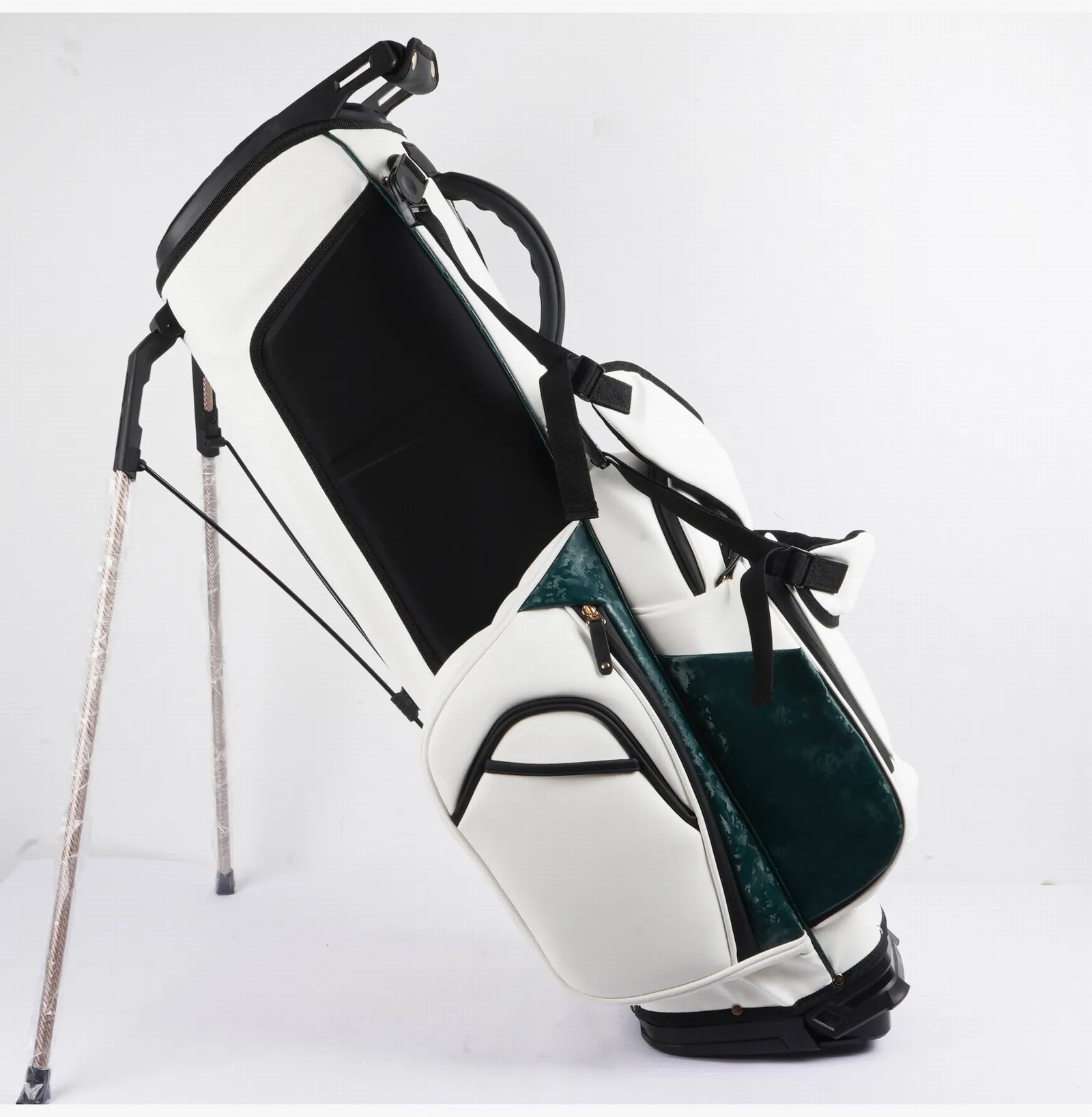
The most reliable way to keep a bag in good condition is to make care a routine rather than a reaction. Pair bag cleaning with an existing habit, such as cleaning your clubs after a round, so a ten-minute bag wipe happens without willpower. Weekly, wipe down the exterior and shake out debris. Monthly, empty and air out every pocket and check zippers and straps. Twice a year, do a full deep clean and structural inspection.
Inspect twice a year for loose zipper pulls, fraying webbing, base-plate cracks, dividers that are tearing where grips rub, and any slack or detached stitching. Fix minor seam and strap issues early while they are cheap to address, and reinforce load-bearing seams before they fail under the weight of a full set.
The inspection part of the routine is easy to overlook but carries the most preventive value. When you inspect, feel rather than just look: run your hand along the strap webbing, the handle and the base edges to detect fraying, sharp nicks or hairline cracks that the eye can miss. Twist the zipper pulls gently and confirm each zip glides. A two-minute touch-based check alongside the visual one turns inspection from a formality into a genuinely reliable early-warning system.
A visible record of the routine also helps it stick. A simple seasonal checklist - date, what was cleaned, what was checked, what was fixed - turns care into a tracked task rather than a vague intention, and it gives you a reference if a question about the bag's history ever comes up. For a branded or corporate bag, that record can even be useful documentation of how the product is being looked after.
| Task | Frequency | Method |
|---|---|---|
| Exterior spot clean | After each dirty round | Soft cloth + mild soap |
| Full hand wash | Every 2-4 weeks | Warm water + mild soap |
| Pockets emptied & aired | Monthly | Empty + ventilate |
| Zipper clean & lube | 2-4 times a year | Brush + light silicone |
| Deep clean + full inspection | 2x a year / season change | Hand wash + interior + hardware |
Storing Your Golf Bag Correctly
Storage is the quiet part of maintenance that prevents the greatest amount of slow damage. Store the bag fully upright and supported on its base - never hanging only from a handle, which stresses the handle and distorts the bag. Empty it of heavy items to reduce stress, and keep it in a dry room with stable temperature away from direct sun that fades and degrades materials.
For long gaps or winter, use a breathable cover and store the bag in a cool, dry, well-ventilated space to prevent mildew, and avoid compressing it under other items that flatten dividers and padding. Proper storage between seasons is half the battle for a bag that lasts the better part of a decade. For a full seasonal routine see our seasonal maintenance guide, and for space-saving ideas read our golf bag storage solutions post.
The environment you choose for storage shapes the result more than any single habit. Relative humidity is the silent variable - a room that feels fine in summer can sit damp against a concrete wall in winter and slowly feed moisture into the fabric and metalwork. If your only option is a garage or basement, raise the storage area off the floor on a rack or pallet and add a small dehumidifying aid, which keeps the bag's immediate microclimate dry even when the wider space is imperfect.
Common Maintenance Mistakes to Avoid
The most damaging mistakes are well-known but easily repeated. Storing a damp bag sends it toward mildew. Machine washing distorts it and breaks components. Hanging a fully loaded bag by a handle stresses the whole structure. Harsh solvents strip coatings and fade colours. Letting small zipper or seam problems ride turns a minor issue into a full replacement.
The antidote to each is a simple positive habit: dry before storing, hand-wash only, store upright and supported, use mild soap, and fix problems early. When you consciously replace a bad habit with a good one, you stop fighting your bag and start extending it. This short list covers the vast majority of avoidable golf bag damage.
One more habit deserves a mention because it is so common: leaving the bag fully packed with damp towels, half-empty bottles or used rain gear squeezed into pockets between rounds. These items keep moisture and odour against the fabric even when the bag itself looks dry. Clearing out perishable and damp items as part of the post-round wipe is a ten-second habit that prevents a surprising amount of slow interior damage.
Buying for Longevity in the First Place
The single most powerful maintenance decision is made before you own the bag. A bag built from quality materials, with reinforced stress points, robust zippers and a solid base, will outlast a cheaper equivalent several times over regardless of the care routine. This makes build quality the foundation on which all your maintenance habits build.
When you compare bags, weigh durability and repairability as seriously as you weigh price and style, because a bag that is easy to keep going is the one you will actually keep going. At our factory we build every bag across 7 production lines with 126 sewing machines and a team of 137 employees to a monthly capacity of around 200,000 pieces, and every order ships after a documented quality-control pass. See our quality standards guide for what robust construction should look like, and explore what materials last.
It is worth knowing what the markings on a bag tell you about lifespan. Quality bags state their construction and care clearly, and sturdy models resist the small test of a firm press on the base and a straight pull on a strap - a cheap bag flexes and creaks under these basic checks where a well-built one stays solid. Taking thirty seconds to test a candidate this way at the point of purchase is the most practical longevity decision you can make.
Need a Bag Built to Last From Day One?
Pick materials and construction engineered for longevity, customised to your brand. Standard 200-piece MOQ, quality-assured production, sampling in 10-20 days and bulk delivery in 45-60 days.
Explore Custom Golf Bags →Conclusion
Caring for your golf bag is a small monthly investment that pays back in years of service. Hand-wash regularly with mild soap, dry completely after every wet round, maintain the zippers, repair small damage early and store the bag upright and supported between seasons. Combine these habits with a quality-built bag purchased in the first place, and your golf bag will protect your clubs and present your brand well for a decade or more.
Sources
Frequently Asked Questions
- How often should I clean a golf bag?
- Clean the exterior every 2-4 weeks with frequent play, air out the pockets monthly, and do a deep clean at least twice a year or at the change of season. In wet or dusty conditions, step up the cadence and spot-clean dirty sections promptly after each round.
- Can you put a golf bag in the washing machine?
- No. Machine washing and machine drying distort the bag's shape, damage dividers and padding, and break zippers. Always hand-wash with warm water and a very mild soap, then air dry completely before use or storage.
- How do you clean the inside of a golf bag?
- Empty every pocket, turn the bag upside down to shake out debris, and vacuum or wipe the liner floors and pocket interiors with a damp cloth once or twice a year. Let it air out fully before repacking.
- How long should a golf bag last?
- With reasonable care a well-made bag lasts 5-10 years. Regular cleaning, full drying, zipper maintenance and early repair of small damage are the biggest factors in extending usable life.
- How do I fix a stiff or stuck golf bag zipper?
- Clean the track with a soft brush to remove grit, then apply a light silicone spray to the slider and track. If the slider slipped off, reseat it at the base and close slowly. A genuinely broken slider or missing teeth need professional replacement.