How to Create Unique Golf Bag Designs That Stand Out
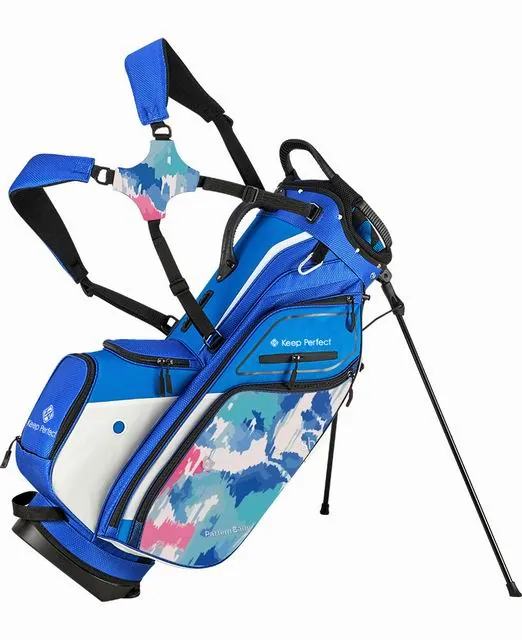
Create golf bag designs that stand out by combining a distinctive material or colour signature, a thoughtful functional organising feature, and clear brand placement — then protect the difference with a disciplined sample-and-test process. Differentiation that sells is rarely a single gimmick; it is a coherent set of choices that make a bag recognisable and genuinely useful. Produced at a facility like QUANZHOU JUNYUAN BAGS (7 lines, 126 sewing machines, 137 staff, up to 200,000 units a month, sampling 10–20 days, bulk 45–60 days, 200-unit MOQ with 100-unit test orders), you can turn a standout concept into a repeatable, scalable product.
Distinctiveness Comes From a System of Choices
A memorable golf bag does not depend on one loud feature; it depends on several choices reinforcing each other. A signature colour, a distinctive fabric, a clean panel layout and a functional organising detail combine into an identity that customers recognise at a glance. Designing this way also protects you from being a one-trick range that dates quickly. Each element reinforces the others, so the bag feels intentional rather than random.
System-building also pays off in production. When you define a limited set of distinctive materials, colourways and hardware, sourcing is simpler and cutting is efficient across the factory's 126 sewing machines. A design that is distinctive yet buildable reaches market faster and more profitably than an impractical concept. The most successful custom designs are those that look special and manufacture cleanly.
Build a Strong Material and Colour Signature
Material and colour are the fastest differentiators because they catch the eye first. Choose a signature fabric — a texture, a two-tone construction or a coated finish — and pair it with a disciplined colourway and accent. Using approved Pantone references means the sample and every bulk run match your vision exactly. Repeat the signature across pockets, trims and branding so the bag reads as one designed object rather than an assembled one.
Distinctive doesn't mean fragile or expensive. Discuss material and finish options with your factory so you land on a signature that is achievable and cost-effective at scale. Our materials guide walks through the options, and a verified partner can suggest proven fabrics that keep your design unique without blowing your margin. A strong signature at a sane price is the core of stand-out design.

Distinctive Colourway
A disciplined primary, secondary and accent pair makes a bag instantly recognisable on the course and shelf.

Branded Artwork
Clean, well-placed logos and artwork reinforce identity and make the design feel intentional and premium.
Differentiate Through Function That Players Feel
Stand-out designs earn repeat purchases when a thoughtful functional detail improves the round. Rethink organisation — a smarter pocket layout, an easier-access valuables pocket, a more comfortable strap or a divider system that keeps clubs rattle-free. These are features players notice daily, and they set your bag apart more reliably than a purely visual flourish. A functional signature is harder to copy and easier to communicate to buyers.
Function also supports the brand story. If you design a bag built around a cleaner organising system or a specific waterproofing detail for wet climates, you give retailers and customers a reason to choose it over generic stock bags. Combine that functional signature with your material and colour identity, and the bag stands out on both the visual and the practical level — the combination that builds genuine brand preference.
Clarify Branding Placement and Technique
Branding can make or break a design's coherence. Decide where your logo sits, how large it appears and whether it uses embroidery, printed labels or a tonal brand panel. Clear, well-placed logos read as professional; cluttered placement cheapens even a good design. Prepare vector artwork and confirm the technique with the factory so the sample matches exactly and reproduces cleanly at scale across the collection.
Branding also connects the bag to your story. A subtle logo on a tonal panel feels premium and versatile, while a bold panel makes the identity unmissable. Choose the approach that fits your market, and keep it consistent across every SKU so the range reads as one family. Our custom solutions and OEM/ODM services help you refine placement, embroidery and print so the branding elevates rather than crowds the design.
Protect the Concept With Sampling and Testing
| Stage | What to Validate | Outcome |
|---|---|---|
| Concept review | Feasibility, materials, cost | A buildable design brief |
| Sample (10–20 days) | Colour, finish, function, branding | Approved physical standard |
| Test order (100 units) | Real production consistency | Market confidence before MOQ |
| Bulk (45–60 days) | Scale, QC gates, quality bar | Repeatable, sellable product |
Your standout design is only real once it is a repeatable physical object. A 10–20 day sampling phase validates material, colour, function and branding against your written spec. A 100-unit test order confirms the factory can reproduce the design consistently, and only then do you commit the 200-unit MOQ. Testing protects the concept you worked hard to create.
Ideas That Stand Out — Built to Scale.
Turn a distinctive concept into a repeatable product with a verified factory. Validate material, colour and function in sampling (10–20 days) and a 100-unit test order before you commit to scale.
Develop a Stand-Out Design →Balance Uniqueness With Buildability
The most elegant stand-out designs are also practical to build. A feature that complicates sewing, requires exotic materials or threatens the quality bar will erode both schedule and margin. Work with your factory to refine ambitious ideas into buildable versions that keep the distinctive essence while staying manufacturable across 7 lines. Collaboration here produces ideas that are both original and achievable.
Buildability also protects consistency. When a design is streamlined to a reliable process, the 200+ runs you place will match the approved sample, which is the real foundation of a trustworthy brand. Refine from the start so the standout detail survives volume. Our OEM/ODM process guide and quality standards resources help you balance creativity with the discipline that makes it repeatable.
Related Guides to Read Next
Refine your design approach with our resources. The materials guide supports your signature fabric, the bag types guide matches categories, and the OEM/ODM process guide covers development. Explore OEM/ODM services and custom solutions to bring a unique concept to market, and read designing a full collection for coherence across your range.
Tell a Story Customers Can Repeat
The most successful stand-out designs come with a simple story a salesperson or a customer can repeat: built for the walker who wants effortless organisation, or designed for wet climates where waterproofing matters. Translate your visual and functional signatures into one memorable sentence. That story makes the design easy to sell and easy for buyers to differentiate from a shelf of identical bags.
Pair the story with consistent photography and packaging so the product and its narrative match. When a distinctive bag is backed by a clear, repeatable message, it stands out not just once but repeatedly across every touchpoint. A stand-out design is a brand asset precisely because it combines a recognisable look, a useful function and a message customers remember in one coherent product.
Common Design Mistakes to Avoid
Several errors prevent designs from standing out the right way. Overloading a bag with competing features pulls the design in different directions. Chasing an impractical or trend-driven materials choice dates the product and complicates production. Neglecting branding placement makes the bag forgettable where it matters most. And skipping a test order risks a standout concept that a factory cannot reproduce well at scale.
The reliable path is to design a coherent system, validate it through sampling and a test order, and only then scale. Keep material and colour signatures disciplined, build a functional feature players value, and position branding cleanly. When every element reinforces the others and the concept is proven buildable, your design stands out on the course, on the shelf and in the market.
Do Category and Player Research First
A distinctive design is built on understanding the players it serves, not only on visual inspiration. Study how walkers and riders actually use their bags, the frustrations they voice and the gaps left by generic stock models. Visit retail and online marketplaces to see what is over-supplied and where a considered twist could earn attention. This research gives your unique design a foundation in real need rather than a novelty that fades after a season.
Consider the contexts your bag will face — course carry, cart use, travel and weather — so the distinctive feature solves a genuine problem in one of them. A differentiator that makes a practical difference, such as a more organised pocket system or a stronger construction at stress points, earns repeat purchase and word of mouth, whereas a purely cosmetic gimmick rarely does. Grounding your design in player research is what separates a one-off curiosity from a category favourite.
Translate the research into a tight design brief with clear priorities: what the bag must be, what makes it different, and what constraints protect cost and buildability. Share this brief with the factory so the design is developed purposefully rather than by guesswork. With disciplined research framing your creativity, the unique elements you choose reinforce the product's usefulness and its recognisability together, giving you a design that stands out for the right reasons.
Iterate With the Factory on Buildable Features
Stand-out features only matter if they can be sewn reliably on a production line, so collaborate with the factory early to refine ambitious ideas into buildable form. What looks striking in a sketch may be impractical at scale, and a good partner will show you how to preserve the visual intent while simplifying construction. This iteration — discussing materials, seam paths and fixtures before final sewing — is where originality and manufacturability come together.
Use the sampling phase as your iteration window. Because sampling runs 10–20 days, you can test a distinctive feature, evaluate its feel and function on the actual build, and refine it before committing the 45–60 day bulk window. Addressing manufacturability during sampling, rather than discovering problems in bulk, saves rework, protects your schedule and keeps the feature true to your concept through production. A design proven buildable is a design that reaches market intact.
Document the decisions so every iteration is traceable. Record the material, the construction and the exact placement of distinctive details against the approved sample, and freeze them as the bulk standard. When both you and the factory share clear, buildable specifications, the unique element survives every order and every inspection gate. That disciplined collaboration converts your creative idea into a repeatable, reliable product customers can count on.
Protect Your Distinction and Scale Confidently
Once your design demonstrates a clear difference and sells, protect that advantage. Consider the right protection for distinctive branding, names and reusable design elements, and keep supporting documentation and samples that establish originality and ownership. Securing the brand and design protects the value your differentiation creates, deterring quick copies and giving you assets you can defend as the line grows.
Scale your standout product deliberately by proving demand before over-committing. Start with a 100-unit test order, review sell-through and margin, then move to the 200-unit MOQ and repeat orders that compound your position. Consolidating reorders of a winning design into larger, combined volumes improves unit economics, as our wholesale pricing guide describes, and deepens your priority with the factory over time. Scaling a proven, protected design is how a standout idea becomes a reliable category winner.
Finally, keep refreshing within a coherent identity so the product stays current without losing recognition. Introduce new colourways or a subtle functional upgrade built on the same pillars, and release them through the same disciplined sampling and testing cycle. This controlled reinvention keeps your distinctive design earning attention season after season, turning an individual standout into the foundation of a range your customers recognise and trust at scale.
Measure and Read Unique-Design Signals
Once a unique design ships, pay attention to the signals that tell you whether it truly stands out and sells. Track sell-through versus generic stock, repeat purchase, customer reviews and any mentions of the specific feature you built. If the signature colour or functional detail starts to appear in feedback and social content, you have found real differentiation; if a design looks different but does not move units, refine or retire it. Data transforms a creative leap into a proven product decision.
Use quantitative signals alongside feedback to separate genuine success from coincidence. Compare a design's sell-through to its colourways and categories, and learn which distinctiveness actually converts. The wholesale pricing guide helps you model the margin a truly distinct product can justify, and quality standards ensure the reviews do not slip on construction. By reading these signals systematically, you build a repeatable method for spotting which of your unique ideas deserves more volume and which should be cut.
Feed what you learn back into the next design. The features that earn strong feedback can be refined and extended across the line, while elements that confused or disappointed can be dropped early. This closes the loop between design, production and the market, so your uniqueness evolves with real demand rather than guesswork. A distinctive product backed by measured signal is not a gamble; it is a strategy you can repeat to keep your brand standing out order after order.
A Repeatable Design Process You Can Depend On
Consistently producing standout designs is easier when you run the same dependable process each time. Start with research to understand the player need, then define a tight brief with a clear differentiator and your constraints. Develop the concept into a buildable specification with the factory, and move into the 10–20 day sampling window to test the actual build. Evaluate the sample against your brief and cost, refine it with a documented change, and freeze the approved version as the bulk standard. This sequence keeps creativity purposeful rather than chaotic.
Make the process measurable so you can compare designs fairly. Keep a simple framework for scoring each candidate on differentiation, feasibility, cost and market fit, and use it to decide which concepts deserve the sampling budget. This structured filter ensures you invest in the few ideas most likely to stand out and sell, rather than chasing every spark. A shared scoring framework also makes design decisions easier to explain and defend across your team and to the factory.
Finally, review the process itself after each cycle and refine it. Which stage produced the strongest leads, where did feasibility get caught late, and what would make the next round faster or better? Because the process is repeatable, each improvement compounds, making your next standout design more likely and less costly to deliver. A dependable process, not luck, is what lets a brand keep producing designs that genuinely stand out order after order.
Managing the Design Process End to End
Standout designs need an organised path from concept to finished sample. Convert sketches and references into a clear specification that the factory can follow — materials, colourways, pockets, structure and branding — even before the 10–20 day sample window opens. A written, measurable spec avoids the guesswork that causes redesign loops and gives the sampling a fixed target. Clarity at this stage is the strongest control on both speed and cost.
Build in structured reviews at each milestone: sketch approval, sample feedback, revision approval and pre-production sign-off. Keep each decision documented so the design intent survives through to bulk, and involve the people who will actually inspect quality so concern surfaces early, not late in the run. This progressive approval system is how original designs remain distinct rather than drifting during manufacturing. Tight governance protects the spark of an original idea through production.
Finally, protect what makes the design unique. If pieces of the design are proprietary, confirm confidentiality and IP terms with the factory in writing, and keep reference samples and approved specs archived for reorders and brand continuity. Use the test-order discipline to validate the design at 100 units before committing a full MOQ, so any manufacturing issue is caught while risk is small. An end-to-end, governed and protected process is what reliably turns original golf bag designs into distinctive, durable product.
Ultimately, an original golf bag only earns its place on the shelf when the idea and the execution meet. A distinct aesthetic draws the eye, but it is the details — how the structure holds, how the pockets open, how the branding is finished — that persuade a golfer to choose it again. By keeping the design process organised, protecting the proprietary elements and validating through sampling and a test order, you ensure the concept arrives intact in the finished product. That combination of distinctive thinking and dependable manufacturing is what makes a design truly stand out and endure in a crowded market.
Frequently Asked Questions
- What makes a golf bag design stand out?
- A coherent system of distinctive material, colour and a functional organising feature, plus clean branding, that players recognise and use daily — not a single gimmick.
- How do I ensure colour matches from sample to bulk?
- Use approved Pantone references in your specification and confirm the technique and finish with the factory during the 10–20 day sampling phase.
- Should I use a functional feature to differentiate?
- Yes. A thoughtful organising pocket, strap or divider detail players feel daily is a stronger, harder-to-copy differentiator than a purely visual flourish.
- How do I validate a unique concept before scaling?
- Run a 100-unit test order after approving the sample (10–20 days), so you confirm real production consistency before committing the 200-unit MOQ.
- How much does a distinctive design cost?
- It depends on material, colourways and features. Discussing proven options with your factory keeps the signature distinctive without inflating unit cost or lead time.
- Can I keep a standout range coherent?
- Yes. Repeat your material, colour and branding pillars across every SKU so the range reads as one intentional family while each category does its job.
Sources
- USGA — golf equipment and playing standards informing functional, desirable product design.
- ISO — international quality-management standards supporting repeatable production of a custom design.
- SGS — independent testing and verification for consistent colour, material and quality.
- Alibaba — supplier verification supporting reliable custom product development.