How to Test Waterproof Quality in a Golf Bag
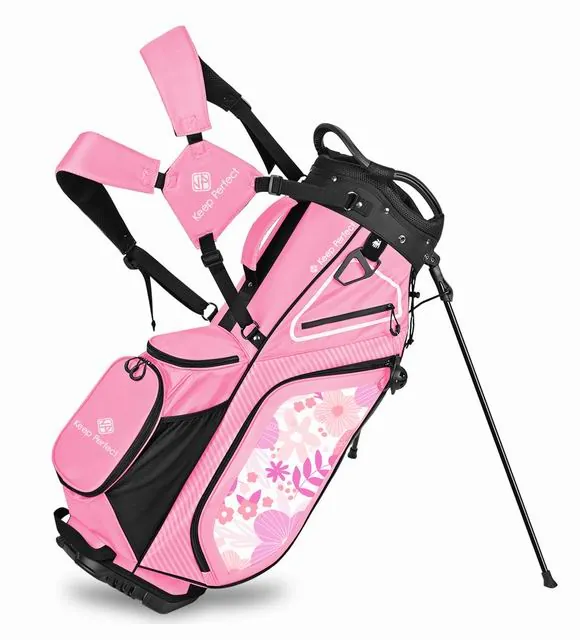
Test a golf bag's waterproof quality by inspecting four things in order: the waterproof coating or membrane rating, the seam and closure construction, the hardware and zipper sealing, and a practical water-column or spray test against a documented standard. A genuinely waterproof golf bag resists moisture at the seams and closures — the weak points — not just on the outer fabric. Produced at a facility like QUANZHOU JUNYUAN BAGS (7 lines, 126 sewing machines, 137 staff, sampling 10–20 days, bulk 45–60 days), waterproof products can be validated with a 100-unit test order before you commit the 200-unit MOQ, so you know the protection is real at scale.
Understand What "Waterproof" Really Means
Waterproof claims vary widely, so start by defining the standard you are testing against. "Water resistant" typically means light protection against splashes and drizzle, while "waterproof" implies the bag will keep contents dry under sustained rain or even immersion depending on the rating. The distinction matters because it changes the materials, seams and hardware required, and it shapes the test you should run before you trust a claim.
Different testing frameworks describe different performance. Hydrostatic-head or water-column tests measure how much water pressure a coated fabric resists before water penetrates, while spray and runoff tests simulate practical rainfall. IPX ratings, borrowed from general electronics, loosely describe resistance but are not always a perfect fit for fabric goods. Knowing which standard a manufacturer cites and how it tests gives you a defensible benchmark, as our waterproof production guide explains.
Inspect the Waterproof Coating and Membrane
The outer fabric is where waterproofness starts. Common approaches include a PU or PVC coating on the back of the fabric, a laminated membrane sandwiched between layers, or a tight-weave material that sheds water naturally. Each behaves differently over time: a good coating repels water initially but its performance depends on quality and care, so ask what coating or membrane is used and what its claimed water-column rating is.
Test the coating practically. Look for a smooth, even finish on the coated side and confirm the fabric continues to bead water rather than wetting out. For claims of sustained rain protection, a higher hydrostatic-head rating generally indicates stronger resistance. Pairing a strong fabric with a well-sealed construction is what turns a coated fabric into a genuinely waterproof bag, so treat the fabric as the foundation and the seams as the true test.
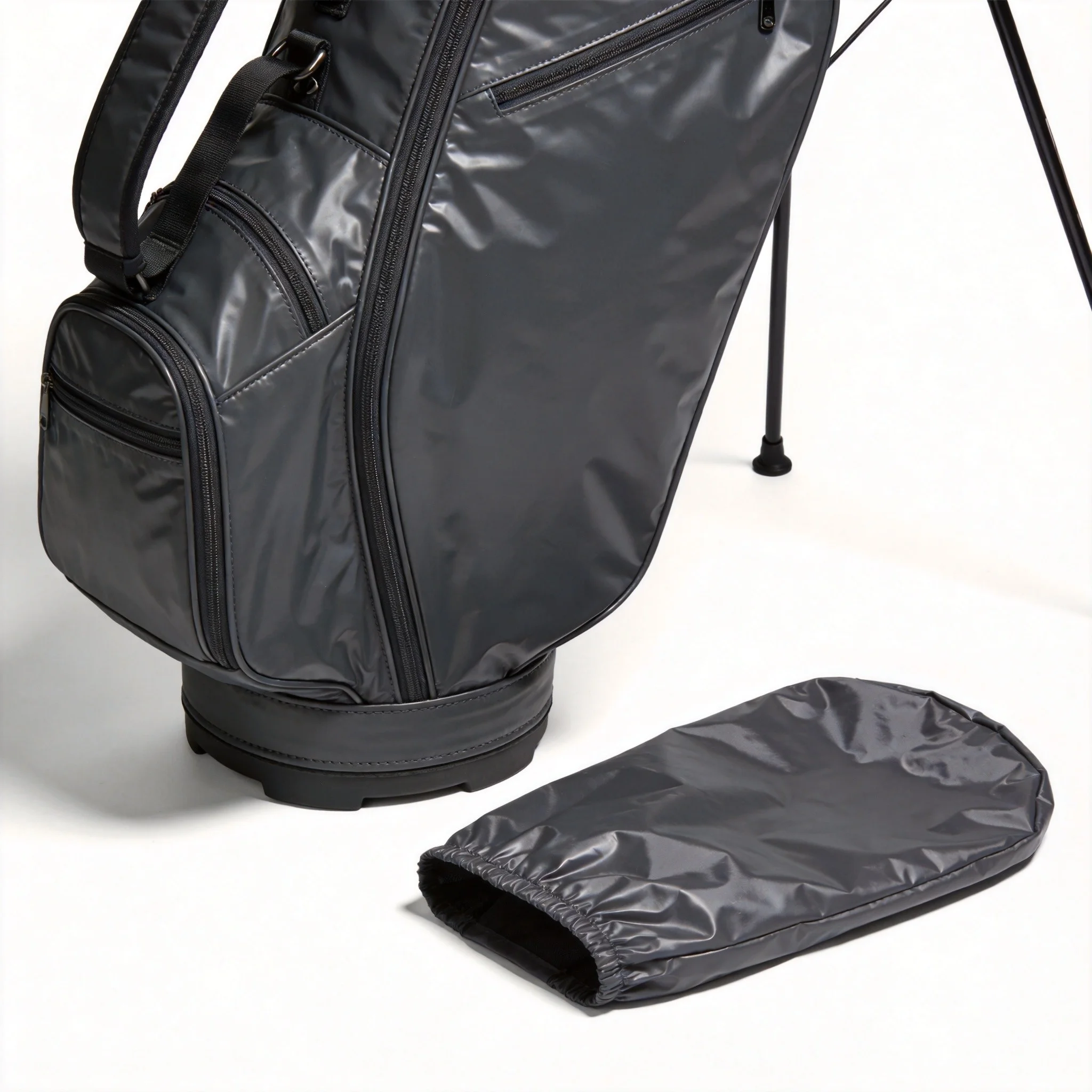
Seam & Rain-Hood Seal
The rain hood and seam sealing keep moisture away from clubs and zippers, protecting the bag's weakest points.
Practical Spray Test
A controlled spray or runoff test validates real rain performance against a documented standard.
Check Seams, Closures and Zippers
The seams are where most leaks happen, because sewing needles create small holes through the fabric. A genuinely waterproof bag seals these with seam sealing, taping or a laminated construction that covers stitch lines. When you inspect a sample, turn the bag inside out where possible, run water along the seams, and check for wetting through the stitch holes. Stitch density and seam reinforcement also matter, because a seam is only as strong as the thread and the fabric around it.
Closures and zippers are the second weak point. Standard zips wick water along the teeth, so a waterproof bag uses a water-resistant or coated zip, a storm flap, or places the zip inside an overhang. Inspect how the main opening, pockets and top of the bag shed water away from the interior. A bag can have an excellent outer fabric and still fail if its seams and zips let water in, so test these deliberately rather than assuming they are protected.
Run a Practical Water Test
| Test | Method | What It Reveals |
|---|---|---|
| Spray / runoff | Simulate rainfall with a hose or sprayer | Everyday rain resistance |
| Water-column (hydrostatic) | Measure pressure before fabric wets | Coating / membrane strength |
| Seam leak test | Apply water along seams and zips | Closure and stitch integrity |
| Immersion (if claimed) | Submerge for a set time | Full waterproof claim |
Start with a practical spray or runoff test that reproduces heavy rain, then inspect the interior for moisture. If the claim extends to immersion, test that separately and for the stated duration. Document the results against the manufacturer's stated rating so you can compare fairly. A bag that passes the spray test but wets through the seams is not waterproof; fix the seams before you trust it at scale.
Testing a Waterproof Claim? Validate the Whole System.
Verify coating, seams, zips and rain-hood protection, not just the outer fabric. Our verified Quanzhou facility supports a 100-unit test order to confirm waterproofing holds at scale.
Validate a Waterproof Spec →Extend the Test to Long-Term Performance
A waterproof bag that works on day one must keep resisting water through its life. Coatings degrade with repeated folding, UV exposure and harsh cleaning, so probe how the finish is expected to perform over time and how care instructions protect it. Durable zips and reinforced seams hold up longer than a bag whose only defence is a fragile coating that wears off after a season.
Ask the factory how the waterproofing is bonded and whether it is applied to the fabric before sewing or added later. A laminated or well-sealed construction generally resists real-world wear better than a surface-only coating. For long-term protection, as covered in our maintenance guide for waterproof coatings, care habits such as gentle cleaning and proper drying matter. A strong design plus informed users keeps waterproof performance realistic through its life.
Related Guides to Read Next
Deepen your waterproof testing knowledge. The waterproof production guide covers construction, our materials guide explains fabrics and coatings, and the quality standards guide frames testing within quality control. See waterproof product options on the waterproof golf bags page and review our waterproof construction resource for practical selection.
Common Waterproof-Testing Mistakes to Avoid
A few errors make a waterproof test misleading. Judging waterproofness only from the outer fabric ignores the seams and closures where leaks actually happen. Trusting a claim without asking which standard and test method supports it leaves you vulnerable. Relying on one practical spray test misses immersion claims you may actually need. And ignoring long-term coating wear means a bag that passes today fails next season.
The reliable approach is to test the whole system: fabric, seams, zips and closures, against a documented standard, and to consider long-term performance. Combine this with a test order so you confirm the construction holds at scale before committing the MOQ. With discipline, a waterproof golf bag stops being a marketing label and becomes a verified, dependable product your customers can trust in real rain.
Choose the Right Waterproofing Technology
There is no single "best" waterproofing; the right technology depends on where and how hard the bag will be used. A PU or PVC coating applied to the fabric is common and cost-effective for everyday rain resistance, while a laminated membrane layered between fabrics offers stronger, more durable protection for sustained wet conditions. A tight-weave fabric that sheds water naturally can suit lighter protection needs without the cost or stiffness of a full membrane. Match the technology to your player and market rather than reflexively choosing the strongest option.
Cost and feel also guide the choice. Heavier laminates and premium membranes add material and construction cost, which raises the retail price, while a simpler coating keeps the bag more affordable and easier to sew. Because construction matters as much as the membrane, a well-sealed, coated bag can outperform a poorly built laminated one despite the stronger material. Work with the factory to pick the technology that fits your price point and performance claim, as our materials guide details the trade-offs.
Finally, match the technology to a realistic test so you can verify the claim honestly. If you market light rain resistance, a coated bag validated by a spray test is credible; if you sell full waterproof protection, you need a laminated or heavily sealed build confirmed under the appropriate test. Selecting the technology and the standard together keeps your marketing honest and your quality consistent, building the trust that turns a waterproof spec into a sales advantage rather than a risk.
Design Tests Around Real-Use Conditions
Laboratory numbers mean little if the test does not reflect how the bag is really used. Design your waterproof test around real situations: a bag on a cart exposed to sideways rain, a bag carried in a downpour, or a bag stored damp between rounds. Reproduce those conditions with water — a sprayer at an angle, sustained runoff and, where claimed, brief immersion — so the result tells you what customers will actually experience rather than what a perfect lab condition implies.
Test the whole assembly, not just the panels. Focus the stress on seams, zip openings, the top closure and the base, where water is most likely to find a way in, and check the interior, pockets and dividers for moisture after each test. Because a bag can protect its body while leaking through a zip, a whole-product test that simulates real rain gives a far more honest verdict than a fabric swatch result. Repeat the test more than once to confirm the result is consistent.
Run a realistic test on samples from the actual bulk process as well. A 100-unit test order lets you verify that the waterproof construction is reproduced consistently, not just on a hand-finished prototype, before you commit the 200-unit MOQ. Testing under real-use conditions, across the whole assembly and on production samples, is what turns a waterproof claim into a dependable, marketable product rather than a hope.
Care That Preserves Waterproof Performance
Waterproofing is protection that diminishes with wear, and how the user cares for the bag dictates how long that protection lasts. Clean the bag gently — mild detergent, spot-cleaning, no harsh chemicals and no aggressive machine washing — so coatings and membranes are not stripped or abraded. Dry the bag thoroughly before storage, because standing damp lets mildew develop and breaks down coatings even on a well-built bag. Correct care keeps the waterproof finish effective for far longer.
Over time, water-repellent finishes naturally wear off with use, folding and washing. Reapplying a suitable DWR or fabric protector periodically restores the finish's ability to shed water and refreshes the bag's resistance. Choose a product appropriate for the bag's material, and follow the manufacturer's care guidance so the treatment helps rather than harms the construction. This maintenance habit is the one that lets a waterproof bag genuinely stand up to seasons of wet play.
Finally, set and communicate realistic expectations so users care for the product correctly. Include care instructions that explain gentle cleaning, full drying, proper storage and periodic reproofing, so the bag's performance is not undermined by misuse. A waterproof bag that is built well, tested honestly and cared for properly delivers real value and prevents the disappointment that comes from a good design failing for lack of upkeep. Care is the partner to technology that keeps a waterproof claim true.
Waterproof Testing as a Quality-Control Gate
Waterproofness is not an isolated test you run once; it is a quality-control gate that should recur at defined points in every production run. Agree with the factory where the waterproof check happens — on incoming coated material, at finished-bag inspection, or both — so the protection is verified where it is created, not discovered after a whole batch has been sewn. A gate early in the process catches a faulty coating before it is built into hundreds of units, protecting your schedule and your brand in exactly the way structured quality control is designed to do.
Determining a sampling frequency gives the gate meaning. Rather than testing the whole run, agree a plan, such as a fixed number of units or a percentage drawn at each gate, that gives statistically useful visibility without slowing the line. When the sample fails, the factory stops and corrects rather than letting the defect flow downstream. Our sample-test-order route lets you confirm this discipline on a 100-unit run before you commit the 200-unit MOQ, so you are not assuming waterproof performance at scale.
Keep a documented record of every water test so the result is traceable per batch. In the field, a complaint about a leaking bag is far easier to resolve when you can pull the test record and the approved spec and confirm what should have passed. This traceability is part of building trust with retailers and customers, because it shows waterproofing is managed as a controlled process rather than a marketing claim. Routine gates, planned sampling and clean records together make waterproof testing a genuine quality system.
Bringing the Test to Life in Your Buying Process
Waterproof testing is most useful when it is woven into your buying decision rather than performed as a last-minute check. Screen suppliers by asking which waterproof standard and test method they use before you request a sample, then validate the claim on the sample itself with a practical spray or seam test. Compare the results across candidates on identical exposure so you are judging real performance, not marketing. Use the outcome to inform the specification you take into the 45–60 day bulk run, and agree that the waterproof gate repeats during production and on the test order.
Link the test to real customer value by defining the claim honestly. If the bag will see heavy rain on carts, specify and test for that; if only light splash, do not overpromise and overpay. A clearly defined, honestly tested waterproof specification becomes a confident selling point rather than a liability, and it lets your retailer communicate real value to golfers. This alignment between test, claim and use is the practical heart of reliable waterproof quality.
Finally, keep the evidence on hand for the longer term. Store the test records, the approved spec and the care guidance together, and revisit them whenever you reorder or develop a new style. Because waterproofing technology and materials evolve, periodically revalidate that the current claim still holds. Tying the test into your buying process, your product claims and your ongoing reviews is what makes waterproof quality a dependable, repeatable advantage rather than a one-off check.
Choosing the Right Waterproof Standard for Your Market
Different markets and sales channels reward different waterproof standards, so matching the test to the claim matters more than chasing an absolute maximum. A golf bag promised as waterproof for heavy cart use in wet climates needs a demanding spec with sealed seams and a robust outer fabric, tested accordingly. A sundry or lightweight carry option may only warrant a water-repellent (DWR) level and a rain hood, so proposing a full waterproof spec there would raise cost without adding customer value. Matching the level to the use is sound product strategy.
Understand the vocabulary so your retail copy stays honest. Terms like water-resistant, water-repellent and waterproof imply different performance, and claiming a level the product does not meet invites returns and harms reputation. Confirm with the factory exactly what the design delivers, align the label, the sample test and the bulk build, and document the method used. Consistency between test, claim and product is the fastest route to credible waterproof positioning.
Finally, keep rivals from copying the advantage by treating the waterproof spec as a design discipline, not a checkbox. Because a genuinely higher waterproof level often comes from sealed seams, quality zips and proven coatings that are harder to replicate cheaply, a well-implemented spec can hold a real market advantage. Pair the honest standard with the inspection and care guidance that keep it true in the field, and waterproof becomes a durable point of difference rather than a static label.
For the manufacturer, rigorous waterproof testing protects its reputation and yours at the same time. By evaluating the sample honestly, verifying the waterproof level during production and documenting the method, the factory ensures the claims on your label are claims you can trust. Because the same gate repeats on every order, a verified waterproof specification becomes a dependable, repeatable promise rather than a gamble. Choosing a factory that tests honestly and keeps evidence is therefore as important as the testing technique itself, and it is one more reason to verify waterproof quality before you place a bulk order.
Frequently Asked Questions
- What is the difference between water resistant and waterproof?
- Water resistant handles splashes and light rain, while waterproof is expected to keep contents dry under sustained rain or immersion, depending on the claimed rating.
- Where do most golf bags leak when wet?
- Leaks typically occur at the seams and zippers, because needle holes and zipper teeth are the weak points even when the outer fabric sheds water well.
- How do I test a bag for real rain performance?
- Run a practical spray or runoff test that reproduces heavy rain, inspect the interior for moisture, then test the seams and closures separately against a documented standard.
- What does a water-column rating mean?
- A hydrostatic-head or water-column rating measures the water pressure a coated fabric resists before water penetrates; a higher rating generally indicates stronger resistance.
- How can I confirm waterproofing holds at scale?
- Run a 100-unit test order from bulk production (45–60 days) so you verify the seams, zips and coating are reproduced consistently before committing the 200-unit MOQ.
- Does waterproofing last for the life of the bag?
- Coatings degrade with folding, UV and cleaning, so choose a well-sealed construction and follow proper care to keep realistic waterproof performance over time.
Sources
- ISO — international standards relevant to coated-textile and water-resistance testing.
- SGS — independent laboratory testing and verification for fabric and water-resistance claims.
- ASTM International — test methods used to evaluate fabric and material water resistance.
- USGA — golf equipment references supporting credible, function-focused product claims.