Insulation Materials Used in Professional Golf Cooler Bags
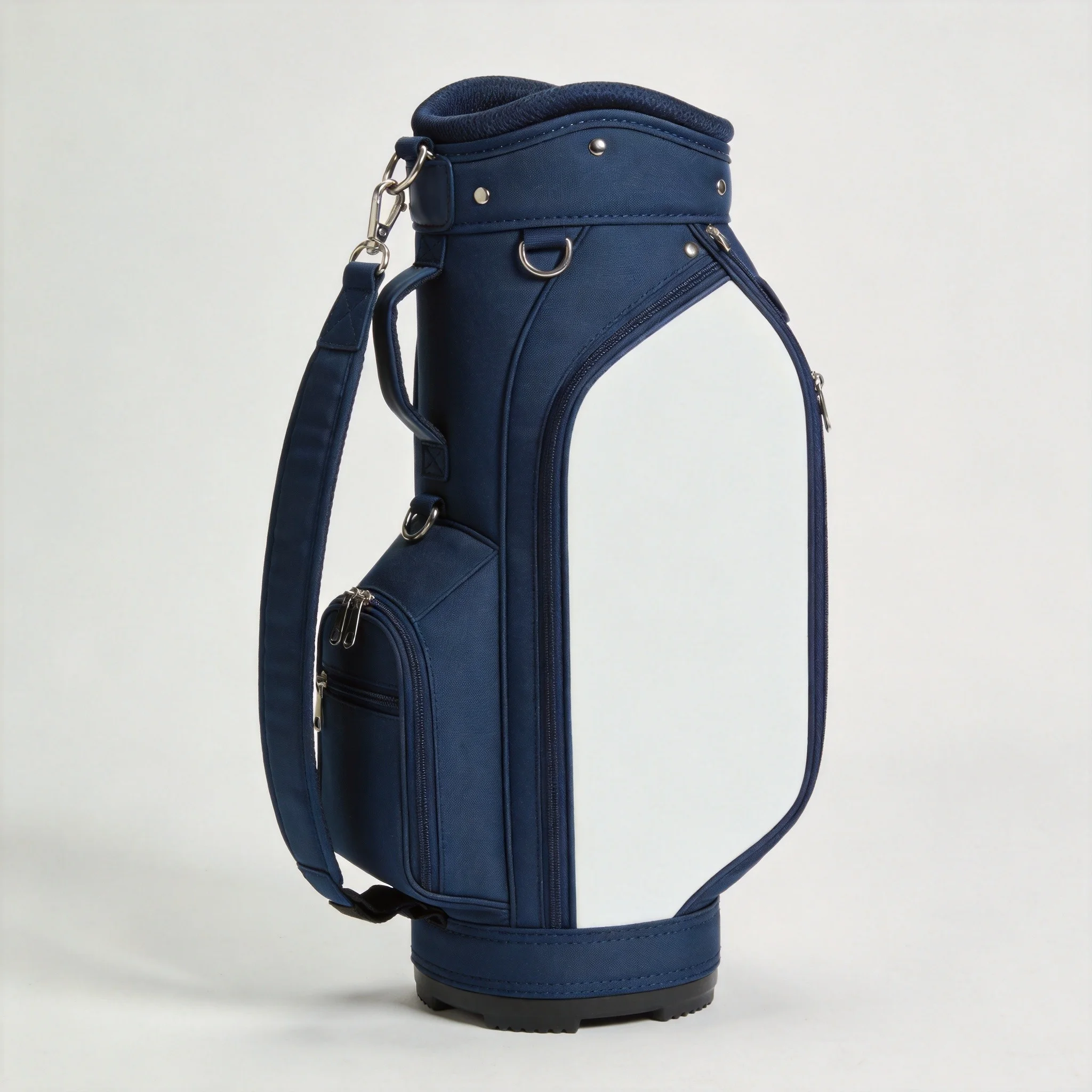
The best professional golf cooler bags use a closed-cell polyethylene (PE) foam liner with an aluminium or Mylar reflective layer and a fully sealed, moisture-blocking interior, delivering 6-10 hours of cold retention in warm on-course conditions. Insulation is the single highest-value material decision in a cooler bag, yet it is completely hidden once the outer fabric is sewn. That is why the liner grade, density and sealing method must be specified at the factory, before any branding, capacity or colour is even discussed.
Why Insulation Quality Decides the Product
A cooler bag is tested two ways: does it carry enough, and does it stay cold? The second question comes down entirely to materials and construction that the buyer never sees. Heat is always moving toward cold, so from the minute a chilled drink goes inside, the liner is fighting a thermal battle against the outside air. The better the barrier, the longer the drink stays at serving temperature.
For brands and retailers this is not cosmetic. A cooler bag that under-delivers on cold retention generates returns, negative reviews and a damaged reputation that a printed logo cannot repair. For the serious golfer, it is equally decisive: a bag that fails at hour three means warm drinks for the back nine on a hot afternoon. Because the requirement is measurable, it is also something a professional factory can engineer to a documented spec rather than leave to chance.
How Insulation Actually Works in a Cooler
Insulation does not create cold; it slows the movement of heat. Three physical paths matter. Conduction moves heat through the solid liner material. Convection pushes warm outside air through zippers, seams and the opening. Radiation transfers heat from a hot surface, such as sun-heated cart metal, directly toward the cooler. Effective cooler insulation attacks all three at once.
This is why the material choice sets the performance ceiling before any other factor. A thin, open-cell liner weakens the conductive barrier. A poorly sealed zipper lets convection flood the interior with warm air. A liner with no reflective layer soaks up radiant heat from a hot cart deck. Only a combination of the right material, the right density and correct sealing produces the multi-hour performance that justifies the cooler category.
The Core Insulation Materials Compared
Professional cooler bags are built around a small family of proven insulation materials. Each offers a different trade-off between cold retention, weight, cost and durability, and the right choice depends on the climate, the intended round length and the target price point.
| Material | Cold retention | Weight | Best use |
|---|---|---|---|
| Open-cell / EVA foam | 4-6 hours | Light | Budget and short-round bags |
| Closed-cell PE foam | 5-8 hours | Medium | Standard daily cooler bags |
| Closed-cell + reflective layer | 6-10 hours | Medium | Premium full-round cooler bags |
| Multi-layer composite | 8-12+ hours | Heavier | All-day events and group bags |
Figures are indicative cold-retention windows from standardised lab testing in 25-30°C ambient conditions with a full pre-chilled load. Real-world retention is shorter because of zipper opens, direct sun and warm air ingress.
Open-Cell vs. Closed-Cell Foam: A Critical Distinction
The single most important specification difference in cooler insulation comes down to the cell structure of the foam. Open-cell foam has a lattice of interconnected air pockets. This makes it soft, cheap and lightweight, but the open structure allows moisture and warm air to migrate through the liner, so it absorbs condensation and performs poorly over hours. It is acceptable for a light-duty pocket but not for a professional cooler bag that must serve a full round.
Closed-cell foam, by contrast, traps isolated air bubbles in sealed cells. Still air is a poor conductor of heat, so the sealed structure creates a genuine thermal barrier. It also does not absorb water, resists compression and holds its shape through repeated use. For these reasons, closed-cell PE foam is the baseline material for any cooler bag claiming professional cold retention.
The Role of Reflective Layers and Performance Liners
Foam slows conduction, but radiation needs a different countermeasure. A thin aluminium or Mylar reflective layer, laminated to the foam or the inner wall of the bag, bounces radiant heat away from the interior. On a bright day, where a cart or parked car roof can reach well above ambient temperature, that reflected heat is often the difference between a comfortable chill and noticeably warm drinks by the turn.
Beyond reflective film, premium liners add a food-safe, wipe-clean inner membrane that can be sealed at the seams. This confronts the third heat path, convection, and simultaneously solves the leak problem from the shared meltwater and condensation that every cooler produces. The combination of closed-cell foam, a reflective layer and a sealed interior is what professional-grade golf cooler bags are actually engineered around.
Sealing, Zippers and Construction Quality
Materials are only the start; how the liner is enclosed decides whether the foam's potential is actually reached. The liner must be fitted so it does not compress, shift or bunch during sewing, which would open gaps in the thermal shield. All seams that join liner panels should receive a sealing treatment on the inside so that both cold air and meltwater stay where they belong.
The zipper is the weakest point in any insulated pocket. A full-length, tight-fitting zipper with proper tape minimises the convection path, while a cheap, loose zip quietly defeats even the best foam. Handles and mounting points must also be reinforced, because a loaded cooler is heavier and wetter than a dry apparel pocket, and stress concentrates exactly where the hardware joins the fabric.
Weighing Cold Retention Against Weight and Cost
There is no free lunch in insulation. Thicker and denser liners hold temperature longer, but they add weight to the bag and reduce the usable internal can space. A walker carrying the bag all day wants the lightest liner that still holds the round; a rider can tolerate more weight in exchange for longer, more confident retention. Cost follows in the same direction, so the liner choice is a genuine engineering trade-off rather than simply "buy the thickest foam."
The practical method is to define the cold-retention target first. If the bag must keep drinks cold for a full afternoon in a hot climate, specify a closed-cell liner with a reflective layer and a sealed interior. If it is a short-round or giveaway item, a lighter standard liner at lower cost is acceptable. Defining the performance number before the material decision keeps the whole specification honest.

How a Factory Verifies Cold Retention
Insulation claims are easy to inflate and hard to disprove without testing, so professional buyers insist on data. The standard method fills the bag with a known quantity of pre-chilled product and resets the interior temperature in a controlled ambient, recording the time taken for the interior to rise past a set threshold such as 10°C. The result is a defensible "hours of cold" figure that can be compared honestly across suppliers.
You should always couple these figures with a physical sample check of your own: ice in, clock it, compare with the claim. One hour of real-world verification is worth more than a page of marketing because it exposes the hidden variables of liner density and sealing that no spec sheet will volunteer. When evaluating a factory, ask for its cold-retention test data and how the liner is sealed, and request to see the quality checks that govern the cooler assembly line.
Custom OEM Insulation: Specifying What You Sell
For brands commissioning cooler bags, the insulation specification is the product you are actually selling, so it deserves a line in the brief rather than being left to the supplier's default. State the cold-retention target, the liner structure you expect, the leak-proof requirement for the interior, and the climate or use case the bag must survive. This turns an abstract request into an engineered product decision that can be costed and verified.
Professional OEM partners handle the full decision, from selecting liner density to sealing seams and reinforcing hardware, across testing, sampling and production. Because cooler bags are judged by measured performance, pairing the design with a factory that can demonstrate its construction quality gives you a defensible product rather than an identical-looking gamble. For the factory and quality criteria relevant to this type of order, our quality standards guide is the practical companion.
Planning an Insulated Cooler Bag Order?
Specify your cold-retention target and liner requirement and we will build a bag that meets the number. Established 2014, 200+ brands served in 100+ countries. Standard 200-piece MOQ, 100-piece test orders, 10-20 day sampling.
Request a Custom Quote →Integrating the Cooler Pocket Into Stand and Cart Bags
Insulation rarely exists alone. On most professional golf bags the cooler is one dedicated pocket, so how it is integrated into the wider construction determines whether it stays cold and whether the bag stays balanced. The liner must be placed where it is accessible from the cart yet does not push the carrying centre of gravity away from the body during a round. A cooler that sits too high pulls a stand bag off-centre; one that is buried too deep behind other pockets becomes awkward to reach.
The thermal design also has to work around the surrounding compartments. Valuable and apparel pockets that share the bag's outer wall place their contents against the same sun-exposed surface, and the cooler's sealed liner should not leak condensation into them. The cleanest integration treats the insulated pocket as its own climate-controlled zone, sealed from the rest of the interior, with a drain or easy-clean floor so meltwater never collects. This zoning logic, and how different use cases change it, is mapped in our golf bag types guide.
Choosing Insulation by Climate and Round Length
There is no universal best liner; there is only the liner that matches how and where the bag is used. In temperate conditions, where ambient temperature rarely climbs past 28°C and the round finishes in four hours, a standard or subtly upgraded liner holds comfortably. In southern and tropical climates, where carts and parked bags sit in direct sun for long stretches, the radiant load is severe and only a closed-cell liner with a reflective layer delivers a dependable afternoon of cold drinks.
Round length is the second variable. A quick twilight nine requires far less thermal mass than an all-day tournament where drinks must survive hours of zipper opening, sun and multiple refills. The honest method is to write down the worst scenario the bag must survive and size the insulation to that, rather than to the average day. This is why professional buyers in different regions order materially different liners from the same factory and why an experienced partner asks about climate before quoting.
A Buyer's Checklist for Insulation Specifications
Whether you are a course, a resort, a retailer or a brand, a short checklist protects you from hidden shortcuts. Confirm the liner cell structure and density in writing, request the cold-retention test data and the test method used, and state the leak-proof requirement for the interior separately from the insulation one. Verify that sealed seams are part of the standard build and that the zipper is a full-length tight-fitting style suited to the pocket.
- Liner type: closed-cell PE foam over open-cell or EVA for any professional claim.
- Reflective layer: aluminium or Mylar film to break the radiant heat path.
- Sealing: sealed interior seams and a moisture-blocking, easy-clean liner floor.
- Cold-retention test: documented hours under a stated ambient method.
- Hardware: reinforced handles rated for a loaded, wet cooler bag.
Walk through this checklist against a sample before you commit. You can then cross-check the factory vetting criteria in our manufacturer selection guide, which covers the wider due diligence around an OEM partner.
Sustainability Considerations in Insulation
Insulation materials are increasingly judged on their environmental footprint as well as their thermal performance. Recycled foam content, recyclable liners and reduced material offcuts in the cutting room all reduce the environmental cost of a cooler pocket without sacrificing cold retention. Brands with sustainability mandates can specify liners that maintain the same closed-cell structure while using recycled inputs, and they should ask how the factory handles liner offcuts and whether the reflective layer can be delaminated for recycling at end of life.
These choices are worth making explicit in the brief because they carry a small cost premium that must be priced honestly. A sustainability-minded brand will usually accept that premium in exchange for a defensible story and for compliance with tightening materials regulations in export markets. Pairing the thermal spec with a sustainable liner spec keeps the product both performant and credible.
The colder the climate you actually play in, the less insulation work is required, but the decision should never rest on region alone. A professional cooler bag is judged by a measured number, not by feel. Specifying a closed-cell liner, a reflective layer and a sealed interior up front, and verifying the retention figure with a reproducible test, is the only dependable route to a cooler bag that holds a full round in any conditions. When every other feature is hidden behind the outer fabric, the insulation is the feature you are actually buying.
For a deeper look at how capacity and insulation interact across the cooler range, our complete cooler bag capacity and insulation guide walks through sizing, and our insulated golf cooler bag range shows how these materials are built into practical formats.
How Insulation Drives Retail Returns and ROI
For a retailer or corporate buyer, insulation is not an abstract engineering nicety; it is a direct driver of the return rate and the repurchase rate. A cooler bag that claims cold retention and then fails at hour three produces an unhappy customer who returns the item or simply never buys again. Because the failure is invisible on the shelf, it only surfaces after a disappointing round, which is the most damaging kind of negative experience for a golf product.
Conversely, a bag that performs measurably becomes the product customers recommend. The small extra cost of a proper closed-cell liner and sealed interior is repaid many times over in fewer returns, higher repeat sales and positive word of mouth. This is why the most experienced retail buyers treat the insulation spec as their own reputation metric, not just a supplier detail. The cost logic that connects these decisions is laid out in detail in our wholesale pricing guide.
Testing, Sampling and Verifying Your Liner Choice
Before committing to any liner specification at volume, professional buyers verify it on a physical sample rather than on paper. A quick, repeatable check packs the sample with pre-chilled cans and a measured amount of coolant, records the start temperature and logs the interior temperature at fixed intervals in a known ambient. Within a few hours you will see whether the supplier's claimed retention holds, exposing hidden differences in liner density and sealing that no data sheet will volunteer.
Request multiple liner options as samples when the budget allows, so you can compare cold retention, weight and cost side by side for the same design. Most professional factories structure sampling so you can evaluate exactly these variables before a larger commitment. This is standard practice in the OEM process and protects your product and your margin; for the full sequence from inquiry through sampling to delivery, our OEM/ODM process guide covers what to expect at each step.
Maintaining Insulation to Protect Performance
A well-specified liner will keep performing if it is maintained, and neglect is the usual cause of early failure. Empty the bag after each round, dry the interior completely and store it open so no moisture is trapped against the foam. Never fold or crush the liner under heavy gear, because compressed foam loses both thickness and its thermal barrier.
Clean the interior with mild soap and water, never harsh solvents that can attack the foam or reflective film. Dried, stored open and protected from compression, a cooler liner retains its cold-retention performance for years. For the broader care routine that covers cooler pockets alongside the rest of your equipment, our insulated cooler bag maintenance guide is a useful reference, and the cold-retention explainer covers realistic time windows.
The material choices behind a cooler bag are invisible to the consumer but determine everything they experience. By specifying a closed-cell liner, a reflective layer and a sealed interior to a documented cold-retention target, and by verifying that target with a reproducible test on a physical sample, you turn insulation from a guess into the durable selling point of the product. That is the standard a professional golf cooler bag should be held to.
Sources
Frequently Asked Questions
- Which insulation material keeps drinks cold the longest?
- Closed-cell polyethylene foam with an aluminium or Mylar reflective layer delivers the longest retention, roughly 6-10 hours in warm ambient conditions.
- What is the difference between open-cell and closed-cell foam?
- Open-cell foam absorbs moisture and lets warm air pass through its interconnected cells; closed-cell foam traps still air in sealed cells, resisting conduction and condensation.
- How many hours should a good golf cooler bag stay cold?
- A quality bag keeps pre-chilled drinks usable for 6-10 hours under a standardised warm-ambient test. Below 5 hours is not a full-round performance bag.
- Does a thicker liner always mean better performance?
- No. Density, seam sealing and a reflective layer matter as much as thickness, because heat also enters through zippers and seams.
- Can I customise the insulation of an OEM cooler bag?
- Yes. Specify a cold-retention target and liner structure; standard 200-piece MOQ with 100-piece test orders and 10-20 day sampling apply.
- Why does insulation matter if two bags look identical?
- Hidden liner density, seam sealing and zipper quality decide measured performance and are only visible in a controlled cold-retention test.