Lightweight Golf Travel Bag Options for Easy Transport
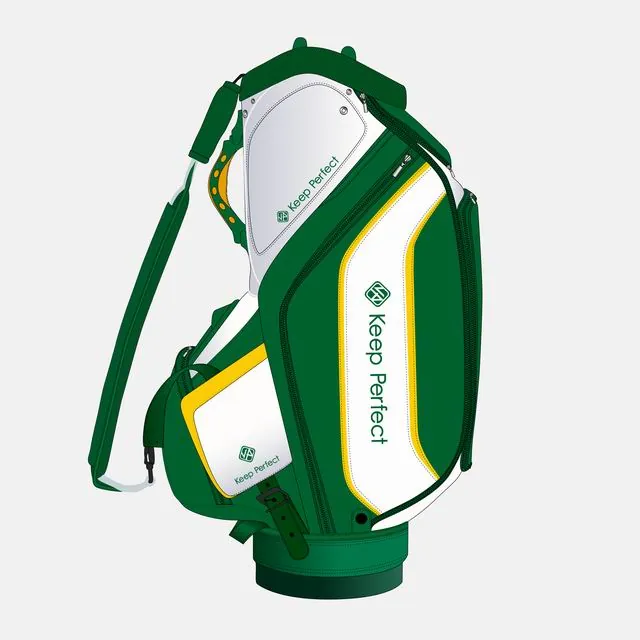
Lightweight golf travel bags protect a set of clubs while keeping the packed bag low enough to travel comfortably and stay under common economy weight limits - achieved through a high-strength, lighter shell fabric, efficient dense padding and streamlined hardware rather than by reducing protection. Lighter is not flimsier when the construction saves weight smartly. This guide, from QUANZHOU JUNYUAN BAGS, helps you choose a light travel bag that still protects. Our founder entered the trade in 2004 and the company was established in 2014; we build golf travel bags and covers on an affiliated 4,950 m² main factory."
Why Light Weight Matters for Travel
The weight of a golf travel bag matters on every journey, and it matters most for the golfer who travels often. Airlines charge checked-baggage fees by weight, and a full set of clubs with shoes and accessories can approach common economy ceilings around 20-23 kg before a heavy bag is added. Shaving 2-3 kg of bag weight gives real, recurring headroom - a lighter bag means fewer overweight charges, easier lifting and a more comfortable airport experience.
Weight also affects how the bag is handled and how far the traveller can comfortably move it. A lighter bag rolls and lifts more easily, reducing strain for the golfer as well as making the bag quicker to handle at carousels, kerbs and transfers. For the traveller who combines flying with transfers, a lighter bag is not a compromise but a genuine comfort and convenience feature.
The key is that lightweight should come from smart construction, not from cutting protection. A well-engineered light bag achieves its weight through a high-strength, lighter fabric, efficient dense padding and streamlined hardware - keeping the protective layers intact while dropping needless mass. The honest test is revealed in the ratio: a bag that is both light and protective has been designed, not just slimmed.
QUANZHOU JUNYUAN BAGS builds golf travel bags on an affiliated 4,950-square-metre main factory that entered the industry when our founder started in 2004 and was established as a company in 2014. The facility runs seven production lines with 126 sewing machines and a team of 137 staff, supporting a monthly capacity of up to 200,000 units for more than 200 brands across 100+ countries. Sampling typically takes 10–20 days and bulk production 45–60 days, with a standard MOQ of 200 pieces and 100 for test orders. The factory was independently audited by SGS in March 2026. Contact service@junyuanbags.com or +86 17750020688.
What Actually Makes a Bag Light (and Still Protective)
Lightweight construction concentrates on three main areas. The first is the shell: a high-tensile woven nylon or polyester in a lighter weight can be tough and abrasion-resistant while weighing less than a heavier cousin, so fabric selection is the biggest saving. The second is the padding: dense, energy-absorbing foam protects as well as thicker low-density foam while weighing less, because density does the work rather than bulk. The third is hardware - streamlined zips, wheels and fittings that shed grams without sacrificing durability. All three together define a genuinely light, protective bag.
The materials work as a system, so a truly light bag balances them. A light shell saves weight at the surface; the padding protects the heads and shafts efficiently; and the hardware keeps the bag closed and controllable without the bulk of old, heavy fittings. Reassuringly, lighter advanced materials often cost a little more - which is why 'lighter and cheaper' claims deserve suspicion, while a light bag with strong specs is usually the honest, well-built one.
It is worth understanding that a few extra pieces of padding or a heavier shell do not double safety; protection plateaus well before weight does. The smart manufacturer finds the point where the bag is light enough to travel well and still strongly protective, specification by specification, rather than over-building 'to be safe' and pushing the traveller toward overweight fees and extra strain.
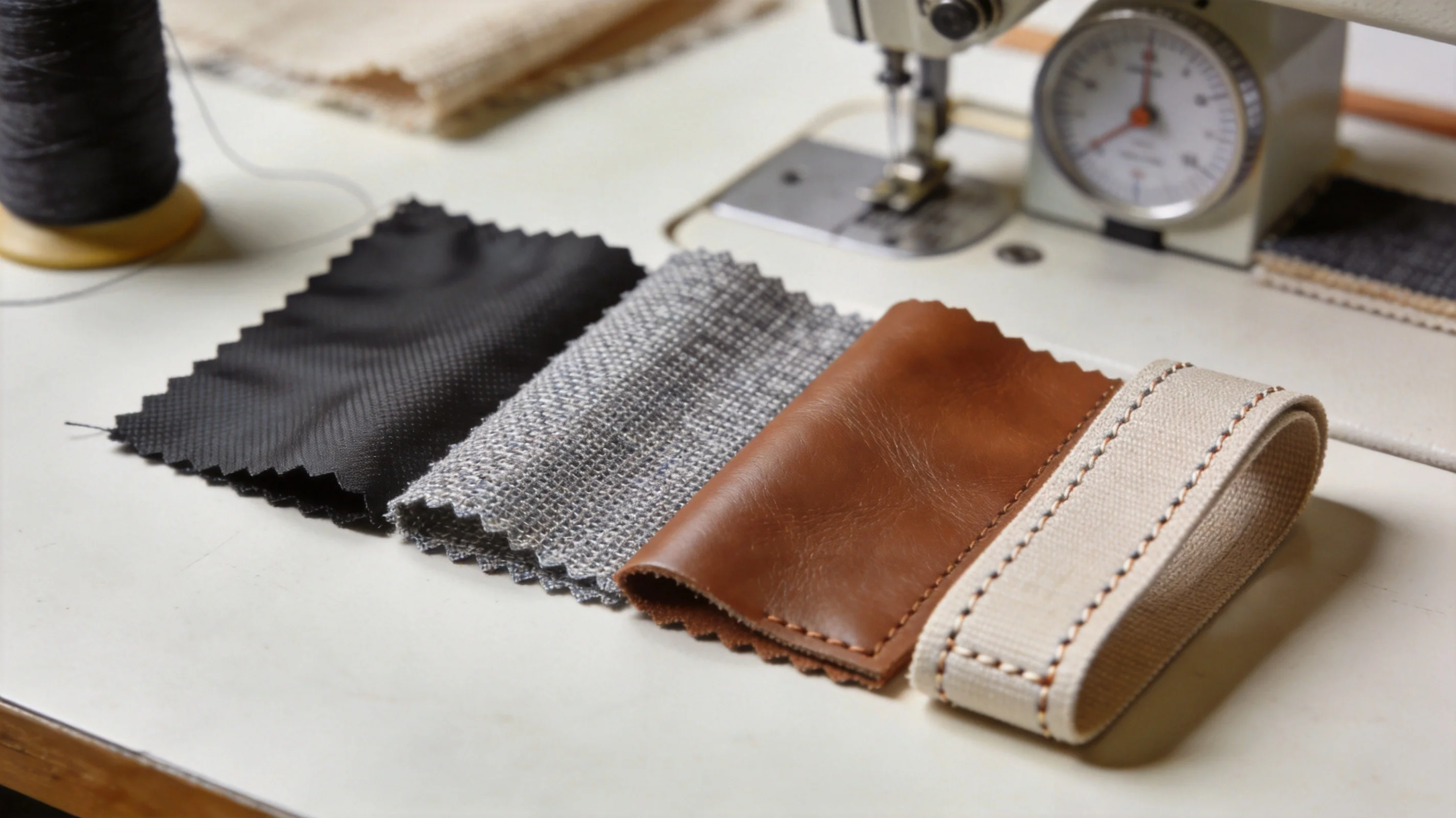
Lighter Materials
High-tensile fabric and dense foam cut weight without cutting protection.
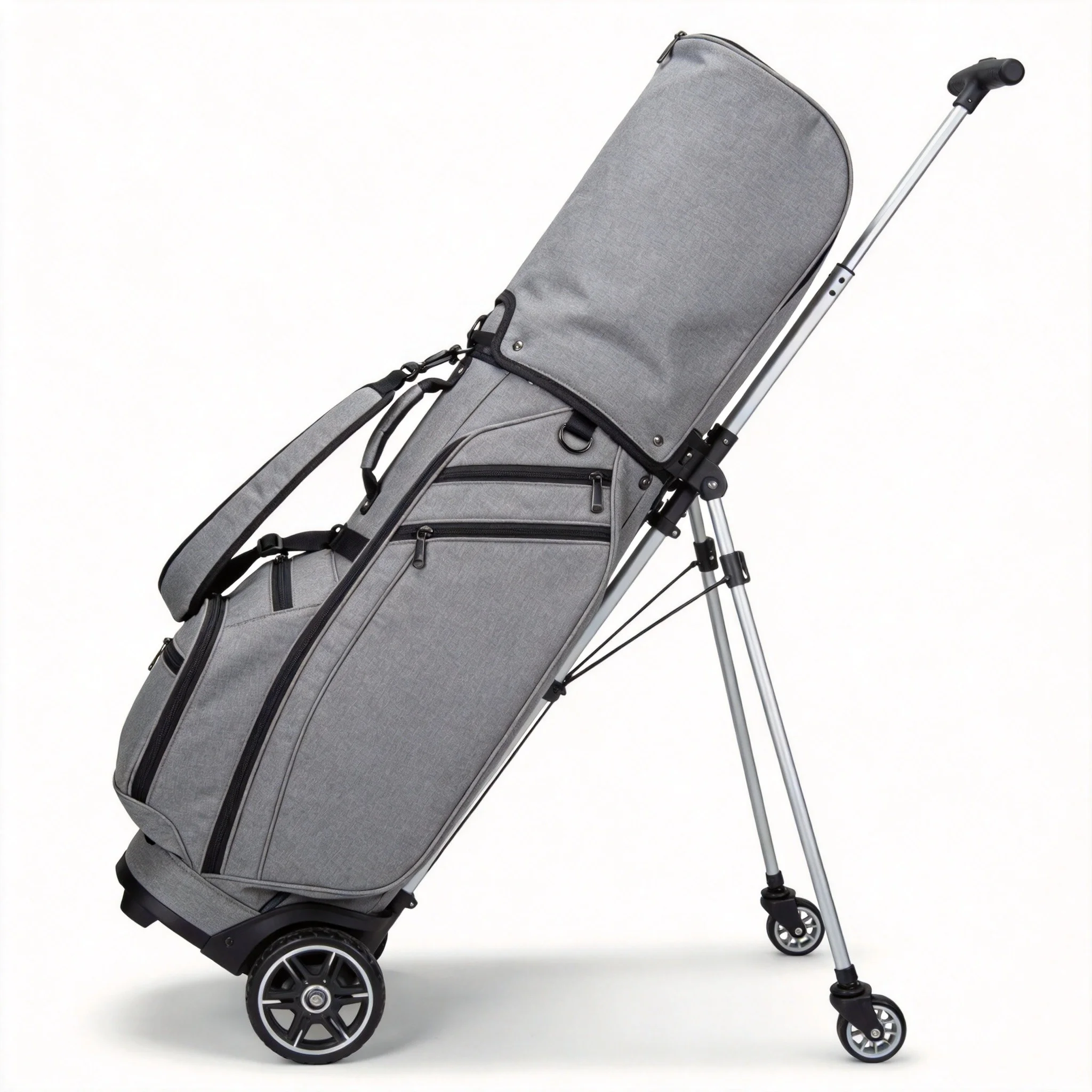
Easy Transport
A light, wheeled bag lifts and rolls easily, keeping you under weight limits.
Key Specs to Compare When Buying Light
When you compare lightweight bags, several numbers tell the real story. Start with the honest empty bag weight - a genuinely light soft or wheeled-soft travel bag is typically in a specific, announced range, so a manufacturer that states it exactly is one you can plan with. Follow with the shell fabric and its tear, puncture and abrasion ratings; the padding density; the reinforcement at the head, base and corners; and the hardware quality. Each number adds to a complete picture of a light bag that still protects.
Deeper still, weigh the empty bag alongside the packed weight in real use. The meaningful number is total packed weight against your airline's allowance; a bag that is moderately light but packs a lot of gear can still be the better overall choice for the allowance, while a very light bag that forces careful packing is also fine. Knowing both lets you plan the trips that keep you in the free or low-fee zone.
Beyond the label, inspect the construction - the padding resilience you can feel, the seams you can stress, the zips you can run - and read how the light weight is achieved. A bag whose lightness is explained by specific materials and efficient design is trustworthy; one that stays vague is a risk. Adding verification from quality documentation closes the case on whether the light bag is genuinely well built.
Wheels and Carry Comfort in a Light Build
For many travellers, a light bag with wheels is the easiest transport of all. A lightweight wheeled-soft bag pairs a light shell with a smooth, robust in-line wheel system, so it rolls upright beside the traveller through terminals, kerbs and transfers without bucking or tipping. Because the base is light, the traveller can lift it into a car boot or onto a luggage rack without strain - and the wheel system is engineered to last the mileage.
Carry comfort extends beyond wheels. Multiple handles - top, side and lower - give safe, balanced lifting options for a light bag, letting two people share the load or one traveller manage transfers easily. A wide, padded main handle eases the lifts that wheels cannot avoid. When a bag is light and well-handled, the airport journey from check-in to the course is genuinely easier.
Balance is the finishing touch. A light bag that is well balanced rolls and carries far more pleasantly than a slightly lighter one that tips or lugs. Distribute gear low and central in packing, keep the load sensible, and the light base plus good wheels become the entire comfortable travel story. Our travel-wheels line pairs with the light shells to complete that story for frequent travellers.
Does Lighter Mean Less Protection?
The short answer is no - if the weight is saved properly. A well-engineered light bag protects its clubs through the same layers as a heavier one: a padded or stiffened head over the heads, cushioning inside, a reinforced base and sides, and robust closures. The difference is that a light bag achieves those layers with denser, lighter materials and efficient reinforcement instead of heavy bulk, so the protection is preserved at a lower weight.
Where buyers get into trouble is confusing 'light' with 'thin'. A bag that is light because the padding is thin and the shell is flimsy protects poorly, whatever it weighs. The reliable signal is the specification and the construction: a light bag with documented fabric strength, resilient padding and reinforced weak points protects as well as a heavier one, while a cheap thin bag fails regardless of its weight. Judge on the layers, not the number alone.
For most golfers, the modern light soft or wheeled-soft bag is the sweet spot - strong enough for a standard set under normal handling, and light enough to fly economically. For the most valuable, hard-to-replace clubs on the most demanding routes, hard cases still deserve consideration for their extra rigidity at the cost of weight. Match the light-versus-maximum decision to the value of what you carry and the routes you fly.
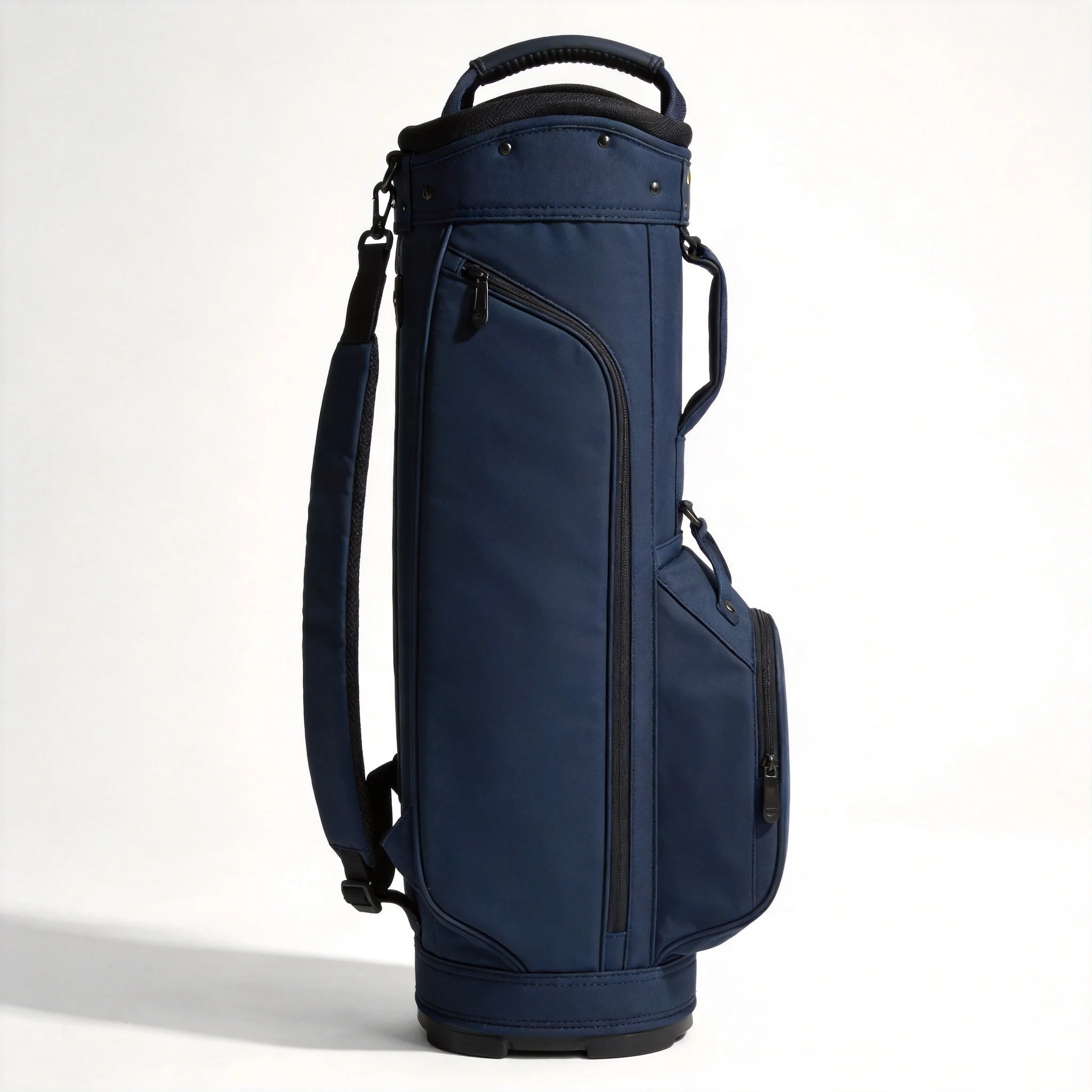
Light but Protective
A light soft bag keeps the protective layers while dropping needless weight.
Types of Lightweight Travel Bags Compared
The lightweight category offers real variety in shell, weight and feature trade-offs. A light soft bag is the most common: a high-tensile shell over dense padding, moderately light and easy to store, protecting a standard set well under normal handling. A light wheeled-soft bag adds smooth wheels for the easiest airport rolling while keeping the shell light - the favoured choice for frequent travellers who want convenience and low weight together.
A light or compact hard travel cover sits at the other end: maximum rigidity and crush protection, at a higher weight that many travellers accept only for the most valuable clubs on the hardest routes. Between the soft and hard poles sits a hybrid that adds a stiffened head or reinforced frame to a soft base, balancing cost, weight and extra protection. Mapping these onto traveller type - value, mainstream, frequent or maximum-protection - is the reliable selection method.
Because the options differ widely in weight, storage and protection, compare them on your own feet. The golf-bag-types guide and hard-shell versus soft comparison on this site lay out the full trade-offs, and pairing the shell with the right wheels or hard cover completes the system. When weight is the priority, the light soft and light wheeled options lead, with the hard cover reserved for maximum protection.
Practical Tips for Packing Light Without Cutting Corners
Packing light is as much technique as specification, and it protects the clubs while keeping you under weight. Start with the essentials: the full set of clubs, protected heads, and only the gear you will actually use - shoes, a few balls and the accessories you need. Use the head cover and place protection around the vulnerable driver and woods, keep clubs upright and balanced low and central so the light bag rolls and lifts easily, and keep the load within your airline's allowance.
Consider the weight you can shed from the luggage rather than the bag. Putting a couple of layers on instead of packing them, carrying valuables in hand luggage and leaving redundant gear at home can drop several kilograms without touching the clubs - the cheapest saving of all. A light bag plus a lean, disciplined load keeps you comfortably in the low-fee zone on every trip.
A light wheeled bag rewards the balance discipline. An evenly packed, balanced load rolls without tipping and lifts without strain, so the light base and wheels do the easy-transport work you bought them for. Weigh the packed bag if you can, compare against the allowance and adjust before you travel, and the trip starts easier the moment you leave the door - with the protection fully intact.
When a Heavier Bag Makes Sense
While light weight suits most travellers, there are clear cases for a heavier bag. If the clubs are expensive, collectible or hard to replace, and the route is long-haul or high-touch, a hard case's extra rigidity is a reasonable price in weight for the strongest protection against crushing. Frequency and exposure also matter: the traveller who checks high-value clubs often may prefer the maximum defence over the lightest carry, accepting a little more weight for a lot more confidence.
There is also a packaging question: some travellers want to carry a full travel-bag-plus-cover protection system, and the added layering necessarily adds weight. In these cases the decision is about the value being protected, not a blanket rule that light is always better. Match the shell and weight to what you carry and how it travels.
The disciplined buyer weighs both directions and picks for the trip. A light bag for routine travel and a hard or protective case deployed only for the journeys where the clubs and the route justify the weight is a versatile, wise combination - exactly how our shelves and the guide lay it out. Whatever you choose, verify the construction and keep the protective layers intact, and the bag serves you on every journey.
Choosing the Lightweight Bag That Travels for You
The lightweight category rewards a clear method. Set your priorities - weight, protection, wheels, storage, price - and rank them for your travel pattern. A frequent flyer who wants easy airports usually lands on a light wheeled-soft bag; a once-yearly traveller watching budget on a value soft bag; a traveller with expensive clubs on a hard or reinforced option. Working through the tiers on your own feet is the reliable way to choose.
Then verify before you commit. Compare the honest empty weights, the fabric and padding specs, the reinforcement and hardware quality, and the verification behind them. A test sample or a documented example lets you feel the padding resilience and run the zips before you buy. Choosing a light bag on specification and verification, rather than a vague marketing claim, is what gets you a bag that is genuinely light and genuinely protective.
Finally, protect the investment you make. A light bag rewards packing discipline and routine care - keep it clean, dry and out of direct sun, inspect zips, wheels, base and seams after each trip, and repair minor issues early. Paired with good packing, a well-chosen light travel bag carries your clubs easily, keeps you under weight and protects them faithfully for years of travel - the whole point of easy transport done right.
Verifying That a Light Bag Is Truly Well Built
Because light construction is easy to fake as thin construction, verifying the build is the key to a light bag that actually protects. Look for specifications that name the shell fabric and denier, the padding density and rebound, and the reinforcement at the head, base and corners, and compare them honestly against heavier alternatives on the protective layers rather than on weight alone. A manufacturer that documents these is demonstrating that the lightness comes from design, not from cutting corners.
Independent verification adds the confidence you cannot get from the label. Our affiliated factory passed an SGS audit in March 2026 and documents inspection at each stage - materials, cutting, sewing, assembly and finish - so the light materials and construction you see are backed by a process able to produce them consistently. When a bag's lightness is explained by specific materials and confirmed by verification, it is the kind of spec you can trust to protect.
In practice, inspect the bag yourself where you can: feel the padding resilience, run the zips, judge the seams and the reinforcement and note the honest empty weight. A light bag that is well made and well verified is the genuine lightweight - easy to travel with, kind to your back and your budget, and fully protective on the journey. That combination, not the weight number alone, is what makes a light travel bag the right choice.
Finally, remember that lightness interacts with how you travel every time. A lighter bag makes each lift easier, each transfer quicker and each trip more pleasant, and it keeps you comfortably under airline weight allowances on the routes you fly most. Whether you choose a light soft bag for everyday ease, a light wheeled-soft bag for effortless airports, or deploy a hard or protective case only for the valuable clubs on the hardest journeys, weight saving that preserves the protection is the whole point. Verify the construction, pack with discipline and care for the bag properly, and a genuinely lightweight travel bag will reward you for years - easy to transport and faithful to your clubs on every journey.
Lightweight Travel Bag Options Compared
Compare the main lightweight travel options on what you actually prioritise.
| Option | Weight | Protection | Best For |
|---|---|---|---|
| Light soft | Lowest | Good on normal handling | Value & ease of storage |
| Light wheeled-soft | Low | Strong | Frequent flyers wanting easy rolling |
| Reinforced / stiffened | Low-moderate | Strong extra | Balanced extra protection |
| Light / compact hard | Moderate-highest | Maximum crush | Valuable clubs, hard routes |
Choose by your priority - weight and wheels for easy transport, or rigidity for maximum protection - and verify the construction you pick.
Travel Light, Arrive Ready to Play.
Choose a lightweight travel bag that keeps the protection while dropping the weight - and pair it with the wheels or hard cover for easy transport. Explore our travel protection range and specs.
See Lightweight Travel Options →Frequently Asked Questions
- How much should a lightweight golf travel bag weigh?
- Look for a manufacturer that states its honest empty weight clearly; a light soft or wheeled-soft bag balances a low weight with strong protection.
- Does lighter mean less protection?
- No - a well-engineered light bag protects through the same layers with denser, lighter materials; it only weakens if it is thin and flimsy.
- Are wheeled light bags easier to travel with?
- Yes - a light wheeled-soft bag rolls upright easily and lifts without strain, ideal for frequent travel.
- How should I pack a light bag?
- Protect the heads, keep clubs upright and balanced low and central, shed non-essential weight and keep the load within your airline allowance.
- What is the best way to verify a light bag is well built?
- Compare specifications, inspect padding and hardware, and look for documented quality and independent verification.
- When should I choose a heavier bag instead?
- For expensive, hard-to-replace clubs on demanding routes, a hard case's extra rigidity may justify the weight.
Sources
- IATA Baggage — checked-baggage weight and allowance context informing the light-bag recommendation.
- ASTM International — material test methods for fabric and durability of light travel bags.
- SGS — independent verification of manufacturing and quality.
- USGA — golf equipment references supporting protection guidance.
Related Reading
Explore more of our expert guidance on golf travel bags and manufacturing to plan the right product for your next trip or program:
- Wheeled travel protection — the light wheeled option for the easiest airport transport.
- Travel covers for golf clubs and equipment — light, protective soft and wheeled options for travel.
- Hard case travel protection — heavier but the strongest when maximum protection wins.
- Golf bag materials guide — the lighter, strong materials behind a light but protective bag.
- Hard-shell vs soft-shell compared — weight and protection trade-offs across shell types.
- Factory-direct wholesale — ordering light travel bags at factory-direct cost.