Recycled Materials in Custom Golf Bag Production

Recycled materials in custom golf bag production center on GRS-certified recycled polyester (rPET) for shells, linings and binding, plus recycled yarn and trims — all available at a 200-piece custom MOQ with 100-piece test orders, sampling in 10-20 days and bulk production in 45-60 days.
Recycled content is the most visible and most scrutinized eco lever in golf bag manufacturing. Done with certification, it converts a common claim into a tracked, traceable, defensible one. Done without, it is the fastest way to invite a greenwashing accusation. This guide explains exactly how recycled materials are used in a custom golf bag and how to verify the recycled story.
It is written from QUANZHOU JUNYUAN BAGS, a golf bag factory in Quanzhou, China founded in 2014 (our founder entered the golf bag industry in 2004). We describe how rPET and other recycled inputs are specified, what certificates attach to them, and how to run a recycled custom program at practical MOQ and lead time.
The Role of Recycled Polyester (rPET)
Recycled polyester is the workhorse of recycled golf bag production because it directly replaces virgin polyester in the areas where a bag uses the most material. Post-consumer bottles and polyester waste are cleaned, melted and re-extruded into yarn, then woven into the high-denier fabrics golf bags need. In a custom bag, rPET covers three main zones: the outer shell (600D-1680D weaves), the lining that protects clubs and valuables, and the binding and internal dividers. Because these are the volume-heavy parts, switching them to recycled content moves a large share of the bag towards a circular supply. The fiber's performance is the reason it caught on. At the correct denier, rPET matches virgin polyester for tear strength, abrasion and color stability, so the recycled switch does not cost durability. Our materials guide details how these weaves are graded.Recycled vs. Virgin Polyester: Fair Comparison
Comparing recycled and virgin polyester honestly matters. At the same denier and construction, rPET performs comparably in strength tests — it is not 'recycled, therefore weaker.' The differences are environmental: producing rPET typically uses less virgin feedstock and diverts plastic waste, while quality depends on the mill's recycling process. Where recycled fiber has historically lagged is consistent color across lots and, in some grades, slight variations in hand-feel. Reputable mills handle this with dye-lot discipline and stable supply, which is why a buyer should source certified rPET from consistent suppliers. The practical verdict: recycled is not a compromise for shell performance in most golf bag applications. It is simply a more responsible source for the same strength. Weight, durab and waterproofing are governed by weave, coating and construction, not the polymer's recycled origin. Our eco materials guide expands this comparison.
Why GRS and RCS Certification Matters
Recycled content is only credible if it is certified. The Global Recycled Standard (GRS) is the most widely recognized, auditing recycled content, chemical use and social criteria along a certified supply chain. The Recycled Claim Standard (RCS) verifies recycled content with a lighter requirements load. With a GRS or RCS certificate, the recycled percentage is a documented fact a buyer can repeat to its own customers. Without it, 'recycled' is an uncheckable promise that a well-informed retailer or golfer may rightly question. Crucially, certification should travel with the product: fabrics, zipper tape and any recycled trims each carry their standard, and the finished bag's recycled story is the sum of those certified parts. Our certification guide explains the difference between standards and how to read them.Building a Recycled Bill of Materials
A coherent recycled bag starts with the bill of materials. Specify each component against its recycled option: rPET shell, rPET lining, rPET binding and dividers, recycled zipper tape, and where available recycled-moulding buckles. Defining every part prevents a 'recycled shell with uncertified trims' mismatch. Recycled content can also extend to the invisible parts — internal pocketing, binding and the thread used in some construction. Even small components, multiplied across a run, accumulate real recycled volume. Approach the bill of materials as a whole so the final recycled percentage is meaningful and the story is consistent. QUANZHOU JUNYUAN BAGS manages this parts list within a single program, matching each certified input to the bag's spec. Our OEM/ODM services page shows how the full parts list is handled.Recycled Shells with Full Custom Branding
A recycled shell does not limit branding. Screen printing, embroidery, woven labels and heat-applied patches all work on recycled polyester fields, so a recyclable-sourced bag can carry the same full-color, multi-zone branding as a conventional one. For an even greener result, decoration itself can be low-impact: water-based inks, efficient single-zone placement and recycled or natural threads. The logo zone reads better and the footprint shrinks at the same time. This compatibility is the reason recycled custom bags are so widespread — brands do not choose between sustainability and their identity. They get both. Our custom branding guide details the decoration options on recycled fabrics.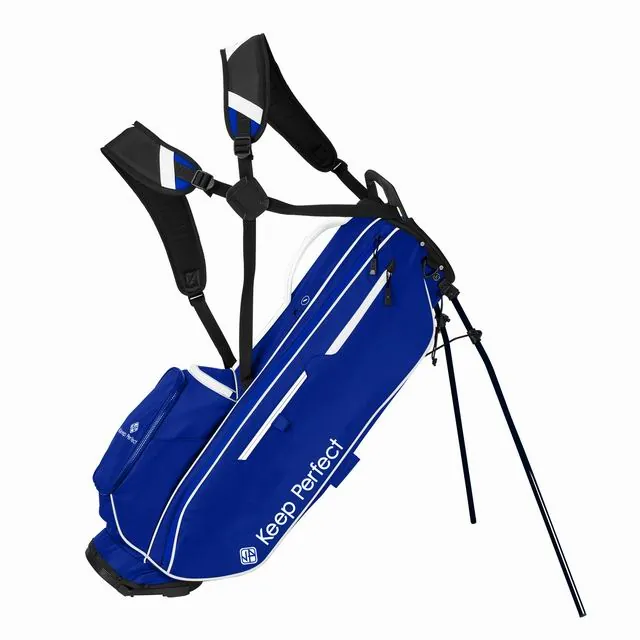
Recycled Material and Waterproof Performance
A frequent buyer concern is whether recycled shells stay waterproof. They do. Waterproofing comes from the coating and construction — a PU or TPU lamination, seam sealing and a rain hood — not from the polymer's recycled origin. A coated rPET shell performs in wet weather like a coated virgin shell. Cleaner chemistry lets the coating itself support the story: reduced-chemical PU coatings and water-based treatments align with bluesign and OEKO-TEX criteria. The result is a bag that is weatherproof and materially responsible. Specify the coating alongside the recycled shell so the waterproof claim and the eco claim are both documented. For the full weather story, our waterproof technology guide covers coatings, sealing and rain covers.Cost and Lead Time of Recycled Custom Production
Recycled materials are now priced close to virgin because rPET supply is large and stable. The small premium, where any exists, comes mainly from certification and lot management. At factory-direct prices with efficient sourcing, a recycled shell adds only a modest cost. MOQs are practical: 200 pieces per design and colorway, with 100-piece test orders. Sampling runs 10-20 days and bulk production 45-60 days. The main planning consideration is certified-fabric ordering, which can add a little procurement lead time. This is why converting an existing style to recycled materials is low-risk: the product, tooling and decoration already exist, and only the fabric source changes. Our order process guide helps sequence the switch.Why Buyers Specify Recycled Content
Buyers specify recycled content for concrete commercial reasons. Retailers track recycled percentage for sustainability reporting and merchandising. Corporate clients ask for it in tenders. And brands with regenerated claims market to environmentally engaged golfers who check product histories. Certified recycled content converts these pressures into an asset: a documented rPET percentage is a repeatable, defensible claim that helps a brand win listings and contracts. It is also immune to the greenwashing scrutiny that vague language invites. In short, recycled content is not just an environmental choice; it is increasingly a competitive requirement. A brand that cannot point to certified recycled materials loses opportunities to one that can. Our market analysis shows how these expectations are growing.Conclusion: Recycled Materials That Pass Inspection
Recycled materials are the cleanest starting point for a custom golf bag because they are the most verifiable. A GRS-certified rPET shell and lining, recycled binding and trims, and certified documentation turn a popular claim into a tracked, defensible one. None of this requires premium volumes. A 200-piece MOQ with 100-piece test orders, sampling in 10-20 days and bulk production in 45-60 days keep a recycled program commercial, and certified rPET is priced close to virgin. To specify a recycled custom bag that passes scrutiny, contact QUANZHOU JUNYUAN BAGS (founded 2014) at service@junyuanbags.com or +86 17750020688, and our team will walk you through the certified bill of materials and the 2026 SGS audit.Composition, Blends and the Recycled Percentage
The recycled percentage is the number buyers quote, so understand how it is calculated. Content can be declared by weight of the certified components: if a bag's shell, lining, binding and trims are all rPET, the recycled share is high; if only the lining is recycled, the percentage is lower. Blends matter too. A shell may combine recycled and virgin polyester for specific strength or hand-feel in denier grades not yet produced fully from rPET. Honest specification states the blend ratio and which part it applies to, rather than implying the whole bag is recycled. There is no fixed 'right' percentage; there is only an honest, certified one. A clearly documented 60% recycled bag beats a vaguely claimed '100% eco' product. Precision is what protects you — a point reinforced in our certification guide.Decoration That Holds on Recycled Fabric
How a logo is printed on recycled fabric deserves attention. A recycled shell, like virgin polyester, accepts screen printing, embroidery and heat-applied patches, but coating and surface sheen vary by mill. Choosing a water-based ink matched to the fabric and testing adhesion on a sample prevents flaking or cracking in the field. Embroidery is a robust choice for recycled shells because it mechanically binds the thread into the fabric rather than relying on surface adhesion. For screen-printed zones, a sample test confirms ink adhesion and color on the specific recycled fabric chosen. This testing is exactly what a sample order is for. Asking for the decorated sample built on the recycled shell lets you verify both aesthetics and durability before committing to the 200-piece run. Our custom branding guide maps methods to recycled fabrics.Logistics, Variance and Supplier Consistency
Custom recycled production is only as consistent as its supplier. Recycled fabrics can vary slightly by lot, so a reliable supplier maintains dye-lot discipline and stable supply, reproducing the approved color across a run. Ask how the factory manages lot variance before you commit. Logistics also shape the program. Recycled shells ship on the same routes and schedules as conventional ones, so switching to recycled materials does not inherently lengthen transit. The lead-time variable is certified fabric ordering, which a factory flags early so sampling and bulk stay within standard windows. A single partner that manages fabric specification, decoration and quality control—through one bill of materials—reduces variance and keeps the claim consistent. QUANZHOU JUNYUAN BAGS handles the full chain, letting brands scale recycled production without multiplying suppliers.Choosing the Right Recycled Fabric Grade
Not all recycled polyester is equal. Grades differ by denier, weave, finish and recycled percentage, so matching the grade to the bag's use controls both performance and cost. A 1680D recycled ballistic shell suits a heavy travel bag; a 600D recycled fabric works for linings and lighter cores. Higher recycled-content grades are improving, but a shell may still use a blend where denier strength or coating adhesion demands virgin input. Specifying the blend explicitly avoids an overreach that fails in production or in the field. Work with the factory to select the grade that balances strength, water resistance, recycled percentage and budget. A tested, well-chosen grade performs like virgin at a verified recycled claim — the practical definition of good recycled sourcing.GRS vs RCS: Which Standard Fits Your Claim
GRS and RCS both verify recycled content, but serve different claims. GRS is the fuller standard, auditing recycled content plus chemical use and social criteria; RCS is a lighter, content-focused verification. Choose GRS when you want the higher, more marketable assurance; RCS when a simple content claim suffices. Both require a mass-balance or physical trace of recycled feedstock and are issued by a certification body against Textile Exchange programs. The choice affects marketing weight and some cost, so align it with the brand's claim and market. A buyer who can articulate the difference negotiates the right certificate rather than accepting whatever is offered. It keeps the documentation proportionate to the promise — a content-only claim need not pay for the fuller GRS scope.Audits for a Recycled Custom Program
A recycled custom program benefits from audits at two levels: material and facility. Material audits confirm the recycled content through the supply chain; a facility audit such as SGS confirms the factory operates responsibly and manages the program correctly. Request the recycled-content certificate for the specific lot, not a generic brochure, and confirm it matches what ships. Pair it with a current facility audit so the program rests on both product and factory evidence. QUANZHOU JUNYUAN BAGS provides lot-matched recycled documentation alongside its 2026 SGS audit. That pairing gives a buyer confidence that a custom recycled line is both verifiably recycled and responsibly produced.Designing a Custom Bag Around Recycled Fabric
Designing around recycled fabric is straightforward because it behaves like the virgin equivalent. Panel layouts, pocket architecture and harness placement all follow normal structural rules; the main consideration is specifying the recycled grade and coating to hit weight, strength and budget targets. Decoration suits recycled fields as well: screen printing, embroidery and patches all work. With an rPET shell, a brand can pursue the same full-color, multi-zone identity as any conventional program, so sustainability does not limit design ambition. Because the design process is nearly identical to virgin-material development, a custom recycled bag can be sampled in 10-20 days and produced in 45-60 days at the standard MOQ. The barrier to premium recycled design is essentially gone.Marketing a Recycled Bag Without Overclaiming
Marketing a recycled bag rewards precision. Lead with the certified facts — 'GRS-certified recycled content,' the specific percentage, the audit behind the factory — rather than a sweeping '100% eco' phrase that cannot survive scrutiny. A precise claim converts trust faster than a bold one. Pair the recycled story with performance proof. State the durability and waterproof test results alongside the recycled percentage, so the bag reads as both sustainable and strong, not green-but-flimsy. This pairing answers the two questions buyers most fear: 'is it real' and 'will it last.' Avoid trailing a recycled shell with uncertified claims elsewhere in the description. Keep every sentence document-backed. A disciplined, evidence-first marketing voice turns the recycled program into a lasting brand asset rather than a legal risk.How Recycled Materials Fit Custom Programs
Recycled materials adapt well to custom programs. OEM buyers can specify recycled shell fabrics with the same Pantone colors, embroidery panels and brand zippers as conventional lines, because the recycled base takes the same decoration and detail. ODM buyers can start from a proven recycled construction and adjust pockets, dividers and straps. MOQ behaves sensibly in recycled production: standard 200-piece minimums with 100-piece test orders keep piloting affordable, and padding, foam or organic accents can be introduced gradually without disrupting the base program. This modular approach lowers the risk of a material switch. The practical result is that custom identity and sustainable sourcing coexist. A factory comfortable reconciling both — verifying the recycled spec on the sample and into bulk — lets a brand keep its signature look while shifting its material story to certified recycled content.The Longevity Story of a Recycled Bag
The most persuasive story a recycled bag tells is how long it lasts. Because recycled materials are chosen for strength and the construction is built for years of rounds, the bag stands up to heavy use — which is itself the core environmental argument: the best product is the one used longest. Certified durability testing gives the story its proof. Documented tear, abrasion and UV results testify that recycled content does not mean a short life, and reinforcement at high-wear points extends the years the bag remains active. Durability and recycled content become a single honest claim. Pairing certified recycled content with documented durability lets a brand tell one coherent story: a bag that is responsibly made and built to be kept. It is the kind of claim that survives scrutiny and earns repeat purchase — the durable reward of a durable product.Recycled Materials in a Custom Golf Bag
| Part | Recycled Option | Verification | Performance Note |
|---|---|---|---|
| Outer shell | rPET 600D-1680D | GRS / RCS | Matches virgin strength & abrasion |
| Lining | rPET lining / dividers | GRS / RCS | Protects clubs, all-weather stable |
| Binding & pockets | rPET binding, offcut reuse | GRS / RCS | Reduces waste |
| Zipper & trims | Recycled tape, some mouldings | GRS / RCS | Function preserved |
| Coating | PU / TPU, cleaner chemistry | bluesign / OEKO-TEX | Waterproof preserved |
| Documentation | Content certificates & audit | GRS + SGS | Defensible recycled claim |
Looking for a Reliable Sustainable Manufacturing Partner?
Specify a recycled custom golf bag that passes any inspection: GRS-certified rPET shell, lining and trims with full branding and waterproofing. 200-piece MOQ, 100-piece test orders, sampling in 10-20 days, bulk in 45-60 days, backed by a 2026 SGS audit.
Request a Sustainable Bulk Quote →Frequently Asked Questions
- What recycled materials go into a golf bag?
- The most common is recycled polyester (rPET) from post-consumer bottles for shells, linings and binding, plus recycled yarn and sometimes recycled zipper tape or hardware.
- How is recycled content verified?
- Through third-party standards such as the Global Recycled Standard (GRS) or Recycled Claim Standard (RCS), which audit recycled content along the supply chain.
- Is recycled polyester as strong as virgin for a golf bag?
- Yes for the same denier and weave. A 1680D recycled ballistic nylon or a recycled 1200D/1680D polyester has comparable abrasion and tear performance to its virgin equivalent.
- Can branding be added to a recycled shell?
- Yes. Screen printing, embroidery and woven labels all work on recycled polyester fields, so custom branding is fully compatible with recycled materials.
- What is the MOQ for a recycled custom line?
- Standard custom MOQ is 200 pieces per design and colorway, with test order options from 100 pieces.
- Do recycled materials change sampling or bulk time?
- Sampling runs 10-20 days and bulk production 45-60 days; certified recycled fabric ordering is the main lead-time variable to plan.