Eco-Friendly Golf Bag Manufacturing in 2025: A Sourcing Roadmap
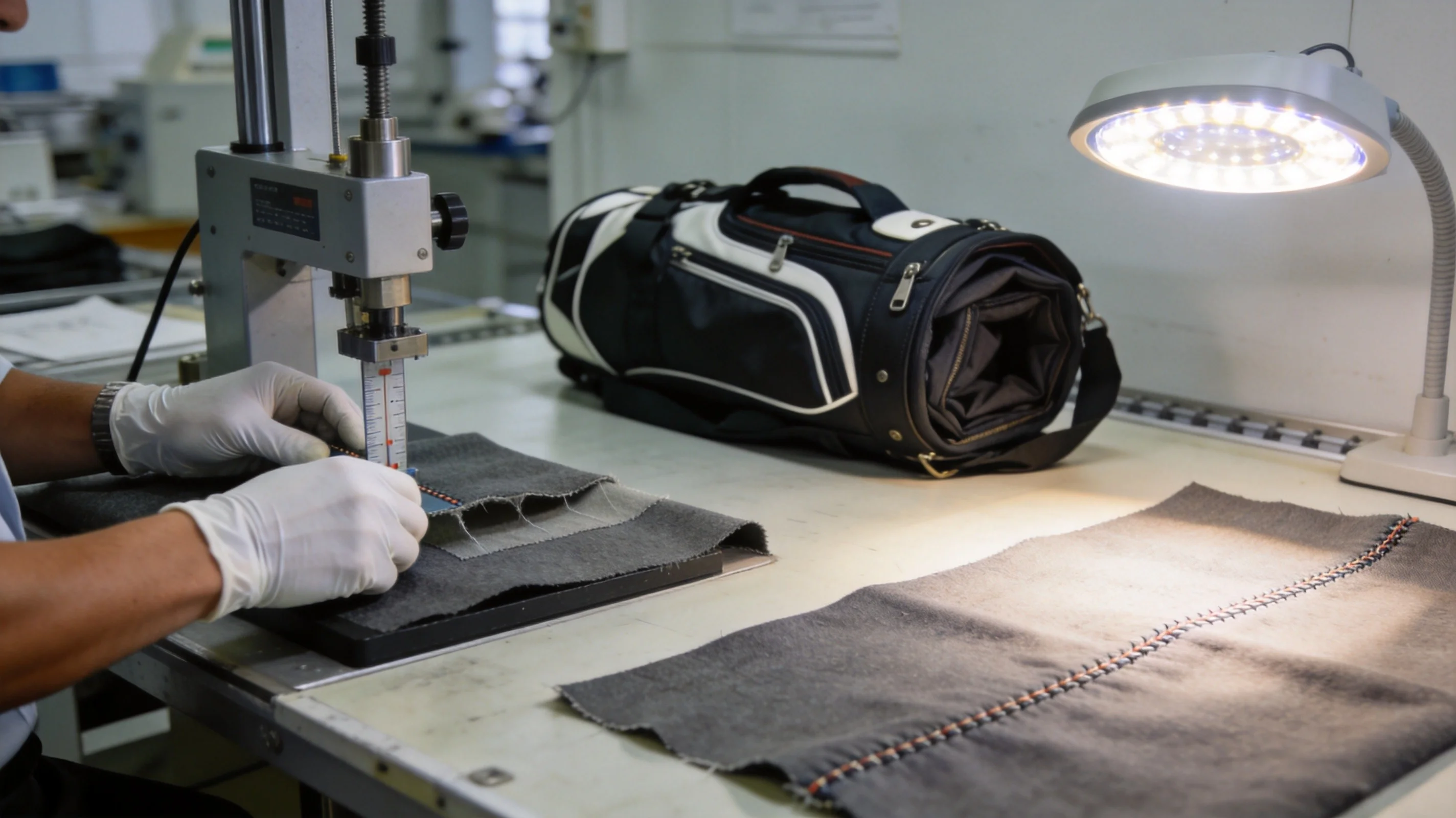
Eco-friendly golf bag manufacturing in 2025 follows a practical roadmap: choose a verifiable claim, select recycled or organic fabric, apply low-impact decoration, control factory waste, and back everything with certificates and an SGS audit — all achievable at a 200-piece MOQ with 100-piece test orders.
There is no single formula for an eco-friendly factory, but there is a reliable sequence. A brand that knows which environmental claim it needs — recycled content, cleaner chemistry, organic fibers, or responsible labor — can steer procurement quickly and avoid the confusion of vague green marketing. This roadmap turns that sequence into steps a sourcing manager can act on.
It comes from the factory floor of QUANZHOU JUNYUAN BAGS in Quanzhou, China (founded 2014; our founder entered the golf bag industry in 2004). We walk a brand through the 2025 eco manufacturing roadmap: defining the claim, choosing materials, controlling decoration and waste, running audits, and locking in MOQ, sampling and lead times.
Step 1: Define the Environmental Claim
Every eco program starts with a decision about what you are actually claiming. It might be 'made with x% recycled polyester,' 'organic-certified linings,' 'bluesign-compliant chemistry,' or 'produced in an audited facility.' The claim decides which materials, certificates and factory evidence you need. Choose one headline claim you can fully substantiate, and support it with honest context. Vague phrasing like '100% green' or 'fully sustainable' invites scrutiny and is hard to defend; a specific, documented claim is much stronger with buyers and golfers. Start with the claim that best matches your market. If your customers care about plastic waste, lead with recycled content. If they respond to health and safety, lead with OEKO-TEX. Define it clearly, and the rest of the roadmap becomes obvious. Our guide to sustainable golf bags helps you align the message.Step 2: Select Materials Against the Claim
With the claim set, choose the material that proves it. For recycled content, a GRS-certified recycled polyester shell and lining delivers the story. For organic, GOTS-certified cotton linings and accents. For chemistry, fabrics and trims carrying bluesign or OEKO-TEX data. Match the material to the claim one for one. Practical material selection weighs durability with the claim. A golf bag needs a strong shell, so a high-denier (1200D-1680D) recycled shell is typical; linings and softer zones can carry the organic fiber. Coatings for waterproofing are selected alongside, with cleaner options preferred. Because QUANZHOU JUNYUAN BAGS sources these fabrics routinely at a 200-piece MOQ, brands can specify an eco bill of materials without waiting for special runs. Our materials guide catalogs the fabric choices and their trade-offs.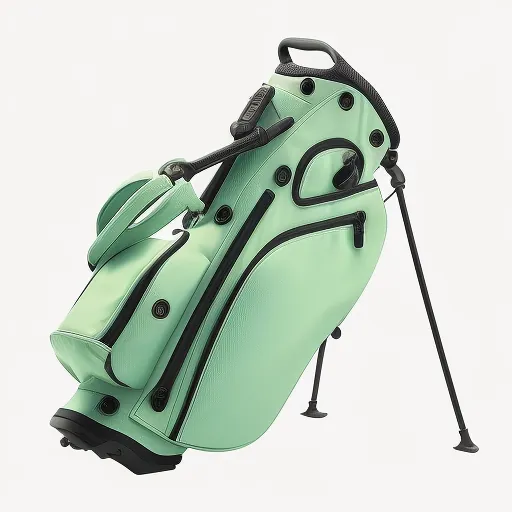
Step 3: Apply Low-Impact Decoration
Decoration turns a bag into a brand, and it should align with the eco claim. In 2025, water-based screen inks are the default green choice for flat logo zones on polyester, matching durability while cutting VOC emissions. Water-based PU transfers and patches serve as premium accents. Embroidery remains a durable, premium option and can use recycled or natural threads. A single, well-placed logo zone uses less ink and thread than scattered marks, improving both aesthetics and footprint. Specify the decoration method as part of the eco package so the whole bag, not just the fabric, supports the claim. Our custom branding guide maps each method to the right fabric and placement.Step 4: Control Waste and Energy
An eco-friendly factory manages what it consumes. Computerized marker nesting and automated cutting reduce fabric waste, offcuts are reused for linings and pockets, and consistent quality lowers rejection. Each of these shrinks the bag's material and energy footprint. Energy efficiency comes from scheduled runs, optimized settings and reduced rework. A healthy balance sheet and a smaller footprint reinforce each other, which is why efficient factories are usually greener ones. When comparing factories, ask how waste is measured and reduced. A factory that can show marker-nesting rates, offcut reuse and defect rates demonstrates a concrete environmental program, not just a slogan. Our manufacturing page explains how production is organized to limit waste.Step 5: Verify with Certificates and Audits
Verification is the backbone of a defensible 2025 eco program. Collect the recycled-content certificate (GRS/RCS), the chemistry data (bluesign/OEKO-TEX), durability test reports, packaging specs and a facility-level audit such as SGS. These five documents form a complete, comparable evidence set. QUANZHOU JUNYUAN BAGS completed a 2026 SGS factory audit, so a buyer evaluating our facility receives third-party assurance on labor and environmental compliance. Pairing that audit with material certificates covers the full chain from raw fiber to finished bag. Evidence protects your brand in regulated markets and in retailer sustainability questionnaires. If a supplier cannot produce the documents, treat its eco claims with caution. Our certification guide lists exactly what to collect.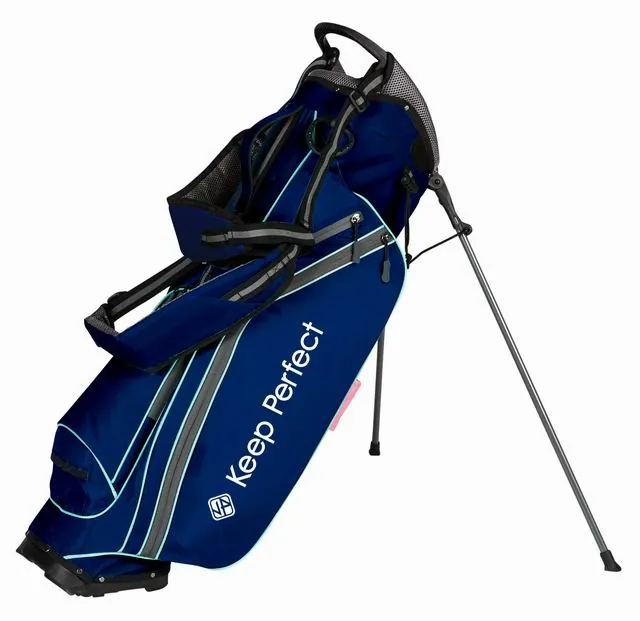
Step 6: Reduce Packaging and Damage
Packaging completes the eco roadmap. Specify recycled and recyclable cartons, recyclable polybags, minimal foam and tighter carton packing. Efficient packing also ships more bags per container, cutting per-bag transport cost and emissions. Robust packaging serves a second eco purpose: preventing damage in transit. A bag that arrives damaged is a total waste of material, energy and shipping, so protecting the product is itself a sustainability measure. Because packaging changes are cheap and visible, they are an easy early win on an eco line. Specify them at the same time as the bag to keep the whole purchase order aligned with the claim. Our supply chain guide covers consolidation and packaging.MOQ, Sampling and Production Timelines in 2025
The economics of eco manufacturing in 2025 are friendly. Recycled yarn is a commodity, cleaner finishing reduces waste, and efficiency lowers cost per bag, so an eco program does not demand container-load volumes. The standard custom MOQ is 200 pieces per design and colorway, with test order options from 100 pieces. Sampling typically runs 10-20 days and bulk production 45-60 days, on the same calendar as conventional bags. The main planning variable is certified fabric ordering, which can add procurement lead time if a specific certified lot must be purchased. This accessibility means a brand can convert an existing best-seller to eco materials and pilot it with a 100-piece test order. Low risk, real learning, and a clean path to scale. Our order process guide maps the full timeline.Why 2025 B2B Buyers Ask About Eco Manufacturing
B2B buyers now ask about eco manufacturing for practical reasons. Retailers require sustainability data for onboarding and merch programs. Corporate clients submit environmental questionnaires in tenders. And brands need defensible claims for their own marketing and ESG reporting. An eco program that is documented and verified wins more than one without. It helps a brand pass retailer filters, answer corporate RFPs, and market to environmentally engaged golfers with confidence. Skipping the verification is what gets claims rejected. This commercial weight is why eco manufacturing moved from a nice-to-have to a baseline. A brand that cannot answer basic eco questions loses shelf space and tenders to one that can. Our market analysis shows how these pressures are shaping the sector.Conclusion: An Actionable 2025 Eco Roadmap
The 2025 eco manufacturing roadmap is six clear steps: define the claim, select materials that prove it, apply low-impact decoration, control waste and energy, verify with certificates and an SGS audit, and reduce packaging. Executed together, they yield a bag that is both sustainable and defensible. None of these steps demands heroics or premium volumes. A 200-piece MOQ with 100-piece test orders, sampling in 10-20 days and bulk production in 45-60 days keep the program commercial and low-risk from a factory that has already completed a 2026 SGS audit. To put the roadmap into action, start by stating your claim and requesting quotes from a factory that can document it. QUANZHOU JUNYUAN BAGS (founded 2014) is ready at service@junyuanbags.com or +86 17750020688.Sampling and Quality Control in the Eco Roadmap
A sustainable line is validated at the sampling stage. Order a sample built with the exact eco bill of materials — recycled shell, organic lining, water-based decoration — and confirm the documents that travel with it. Sampling gives the 10-20 day window to catch color, hand-feel or coating issues before mass production. Quality control for an eco line adds a layer to the standard battery. Beyond stress, abrasion, tear and waterproof tests, the line should verify restricted-substance compliance and match the recycled or organic content stated in its certificates. These checks protect both performance and the marketing claim. Consistency between lot and sample is essential, since recycled fabrics must reproduce the approved color across production. A factory with disciplined dye-lot and QC management, as covered in our quality control guide, keeps the approved eco look repeatable order after order.Measuring and Reporting Sustainability Impact
An eco-friendly manufacturing program should be measurable. Track the recycled content percentage, the volume of fabric waste avoided, and the share of cleaner-chemistry inputs. These numbers turn a roadmap into a report your brand can show customers, retailers and ESG stakeholders. Reporting frameworks increasingly reward comparable data: certificates, audit dates and quantitative reductions rather than adjectives. A brand that can state 'this line uses x percent certified recycled content, produced in a factory with an SGS audit' is far stronger than one offering vague green language. QUANZHOU JUNYUAN BAGS supports this by providing the underlying documents — certificates, audit results and material reports — so a buyer can translate factory practice into its own sustainability reporting. The roadmap thus ends in a defensible, shareable impact story.Budgeting and Planning an Eco Program in 2025
Budgeting an eco program starts honestly: recycled polyester is near virgin pricing; organic linings and certified trims add more; and certification carries modest administration. Plan for a small premium and offset it with lighter decoration and packaging, which reduce spend elsewhere. Planning protects the calendar. Certified or specially ordered fabrics are the main timing variable, so raise them at inquiry. With a realistic plan, sampling holds at 10-20 days and bulk production at 45-60 days, letting you launch a sustainable line on a normal seasonal schedule. The smartest budget structure uses the 100-piece test order to validate the eco design before committing to the 200-piece run. This staged spend proves the market and the product with minimal risk, then scales confidently — a planning logic detailed further in our order process guide.Preparing an Eco Line for Audit and Regulatory Review
An eco line should be audit-ready from day one. That means every claim maps to a document — the recycled certificate to the shell, GOTS to the organic lining, bluesign or OEKO-TEX to chemistry, and SGS to the facility. Keep the documents in a product file that travels with the order. Regulatory review increasingly asks for these same documents. As markets tighten rules on textile content and restricted substances, an audit-ready file eases submission and reduces the chance of a costly request or rejection at customs or retail. A factory that assembles the file automatically, rather than on request, de-risks the buyer. Because QUANZHOU JUNYUAN BAGS completes a 2026 SGS audit and maintains material documentation, its eco lines arrive with much of the compliance work already done.Transparent Costing of a Sustainable Line
Transparent costing separates a fair eco quote from a padded one. Ask for line items that separate fabric grade, certification administration, decoration and packaging, so you can see exactly where any premium sits and challenge anything unexplained. A fair sustainable quote reflects real costs: near-virgin recycled yarn, a little more for certified organic and admin. It also offsets some spend through lighter decoration and packaging. If a quote adds a large blanket 'eco premium,' ask what it funds. With transparent line items, a buyer can benchmark suppliers and negotiate fairly. At a 200-piece MOQ with a 100-piece test order, the economics stay clear and the buyer controls where the money goes rather than accepting a vague green surcharge.A Launch Checklist for a 2025 Eco Golf Bag Line
Before launch, lock the checklist. Confirm the sustainable spec is fully specified, from recycled shell to organic lining and water-based decoration. Collect the certificates, chemistry data, durability reports, packaging spec and audit. Validate the decorated sample on the eco fabric. Set the marketing claim to exactly what the documents support. Then confirm commercial readiness: the 200-piece MOQ, the 100-piece test order, sampling in 10-20 days, bulk in 45-60 days, and certified-fabric lead time. Decide packaging and labeling so the on-bag and on-box story matches the printed materials. Finally, brief sales and the retailer: give them the factual one-liner, the certificate names and the durability numbers. A launched line with a rehearsed, documented answer to every sustainability question is far more likely to sell and to survive scrutiny.Meeting Retailer and Tender Sustainability Demand
Retailers and corporate tenders increasingly gate opportunities on sustainability evidence. Onboarding paperwork asks for recycled content, certificates, and factory compliance; responses decide shelf space and contract wins. An eco line with the five-document set answers these questions outright. Rather than treating this as burdensome, see it as a filter that rewards the prepared. A brand that can drop its documented eco file into an RFP or rewarehouse questionnaire clears a hurdle competitors stumble on, converting compliance into a distribution advantage. This is why investing in verified eco manufacturing pays back beyond the product itself. The documents become a business development asset, opening listings and tenders that reward documented sustainability rather than mere claims.Sustainability Value Across Every Stakeholder
A 2025 eco manufacturing program creates value for every stakeholder, which is why it endures. The golfer gets a durable, safe, responsibly made bag they are happy to carry; the retailer gets a documented product that answers buyer questionnaires; the brand gets a defensible claim that opens listings; and the factory gets a more efficient, lower-waste operation. Aligning these interests is what makes the program sustainable in the business sense, not just the environmental one. When the eco story helps every party succeed, it is funded, repeated and scaled rather than abandoned after a launch. No single document creates this alignment, but the whole credible program does. By pairing verified materials with workable MOQ, lead time and price, a partner like QUANZHOU JUNYUAN BAGS turns environmental intent into durable commercial value for everyone involved.What Buyers Ask a Factory About Sustainability
The surest way to evaluate a manufacturing partner is to ask the right questions. Past the brochure, buyers ask: 'Which of your materials carry third-party certification, and does that certificate cover this exact product line?' 'Can you provide mill-level certificates, not just a summary sheet?' 'What is the recycled content percentage in plain numbers?' 'Embedded carbon's wording is vague,' they note — 'can you show the data behind it?' They ask whether lighter packaging actually ships, whether test orders carry the same eco material as bulk, and whether increased MOQ is real or negotiable. Direct, document-backed answers turn hesitant buyers into repeat buyers. A factory that answers all of it with records, not adjectives, earns trust that no marketing can buy. QUANZHOU JUNYUAN BAGS treats such questions as the welcome sign of a serious buyer — and answers with certified documentation and transparent numbers.Building a Program That Endures Past a Launch Year
A sustainability program succeeds when it outlives its launch. The programs that last are the ones built on repeatable facts rather than a single announcement: documented materials, sensible economics and partners who keep the certificate current. Each season the program restates itself in supply orders and buyer documents rather than fading into a past slogan. The key is to set the program on a lasting base — the certified supply chain and the factory relationship — not on a single hero material that may shift. A stable base lets the program absorb new innovations while holding the claims that first built trust. In that persistence lies the payoff for the entire supply chain. A brand that upgrades with its factory, reviews its certificates yearly and renews its material roadmap turns a one-season trend into a durable commercial and environmental asset.2025 Eco-Friendly Manufacturing Roadmap
| Step | Action | Evidence | Outcome |
|---|---|---|---|
| 1. Claim | Define one verifiable environmental claim | Program spec | Clear objective |
| 2. Materials | Recycled / organic, cleaner chemistry | GRS / GOTS / bluesign / OEKO-TEX | Claim substantiated |
| 3. Decoration | Water-based inks, efficient placement | Ink product data | Lower VOC |
| 4. Waste | Nesting, offcut reuse, low defect rate | Process data | Less material & energy |
| 5. Verification | Certificates + facility audit | SGS audit + certs | Defensible claims |
| 6. Packaging | Recycled, reduced, recyclable | Spec sheet | Less waste, lower cost |
Looking for a Reliable Sustainable Manufacturing Partner?
Work through the 2025 eco roadmap with a factory that documents every step: GRS recycled fabrics, water-based decoration, waste control and a 2026 SGS audit. 200-piece MOQ, 100-piece test orders, sampling in 10-20 days, bulk in 45-60 days.
Request a Sustainable Bulk Quote →Frequently Asked Questions
- Where do I start an eco-friendly golf bag program?
- Start by stating which environmental claim you need (recycled content, cleaner chemistry, organic). That decides the fabric, its certificate, and the factory capabilities you must verify.
- What is the realistic timeline for an eco OEM order?
- Sampling typically runs 10-20 days and bulk production 45-60 days. Certified or specially ordered fabrics should be flagged early because they affect procurement lead time.
- Are water-based inks really greener than plastisol?
- Water-based inks avoid solvents and are easier to clean, reducing VOC emissions in the decoration shop; they work well on most polyester fields in flat logo zones.
- What factory-level audit should I request?
- A facility-level audit such as an SGS social-compliance audit verifies working conditions and environment practices; QUANZHOU JUNYUAN BAGS completed a 2026 SGS audit.
- What MOQ applies to a sustainable line in 2025?
- Standard custom MOQ is 200 pieces per design and colorway, with test order options from 100 pieces.
- How do I compare factory eco claims objectively?
- Compare certificates and test reports rather than marketing language: GRS content certificates, bluesign/OEKO-TEX chemistry data and SGS audit results are comparable, evidence-based signals.