Sustainable Golf Bag Manufacturing: Eco Innovation in 2025
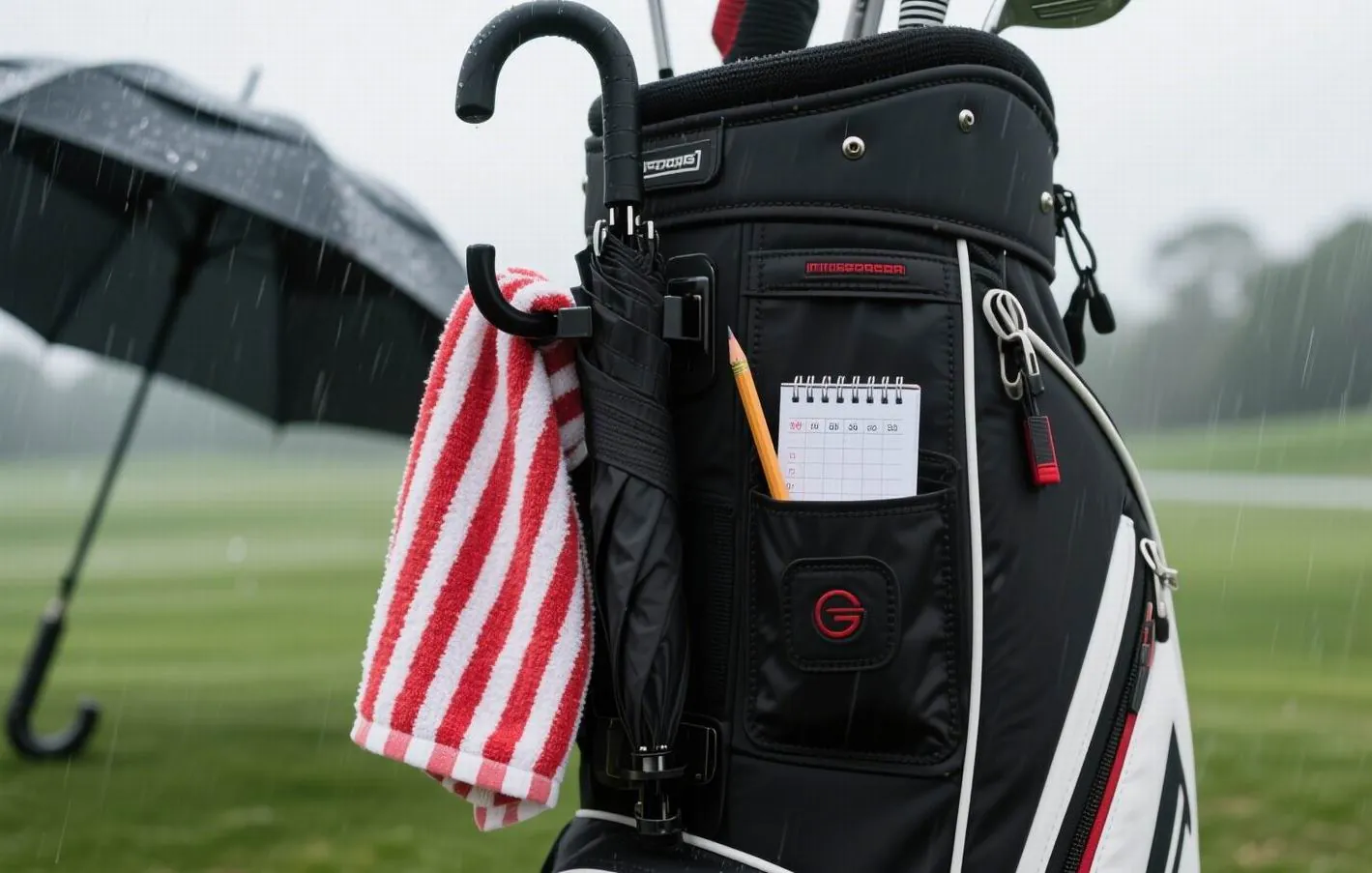
The eco innovations reshaping sustainable golf bag manufacturing in 2025 — GRS-certified recycled polyester at scale, cleaner bluesign/OEKO-TEX chemistry, bio-based trims and automated waste-cutting — are all available inside a standard 200-piece MOQ with 100-piece test orders, 10-20 day sampling and 45-60 day bulk production.
Every year brings new language about green textiles, but the innovations that actually change a golf bag are the ones that reach mass production: recycled yarn you can buy in volume, chemistry a factory can verify, and process changes that cut fabric and energy waste. 2025 is the year these stops being exotic and start being quotable options on a standard purchase order.
This guide is written from QUANZHOU JUNYUAN BAGS, a golf bag factory in Quanzhou, China founded in 2014 (our founder entered the golf bag industry in 2004). We describe which 2025 eco innovations are real, which are ready for your order, and how to verify each so your sustainability claims hold up.
Eco Innovation That Reached the Factory Floor
Not every headline innovation is ready for production, but several are. The defining shift of 2025 is that recycled polyester (rPET) moved from a niche premium to a commodity you buy by the roll like any other fabric. A GRS-certified 1680D recycled shell is now a routine specification, not a special make. The second reachable innovation is cleaner chemistry. Fabrics, coatings and trims that carry bluesign or OEKO-TEX data are increasingly the default rather than an upgrade. Water-based inks and low-VOC decoration have also matured to the point that they match solvent-based durability on most fields. The third is smarter process: computerized marker nesting and automated cutting that reduce fabric waste, and tighter quality systems that cut rejection. These quietly lower both cost and footprint, and they are the innovations a buyer feels in the price and the schedule. Our manufacturing overview explains how the floor is organized.Recycled Polyester at Industrial Scale
The single biggest 2025 eco innovation is that rPET supply has scaled. Because recycled yarn is now produced in volume, it is price-competitive with virgin polyester and available across the 600D-to-1680D range used in golf bag shells, linings and dividers. That scale is what makes eco manufacturing accessible at a 200-piece MOQ. At scale, color stability and lot consistency improve too. Brands no longer accept visible color difference between recycled lots; mills manage dye-lot discipline so recycled fabric holds brand colorways as reliably as virgin. Verification keeps pace: GRS and RCS certificates now travel with the fabric, giving buyers a defensible recycled-content claim. If you are building an eco line, rPET at scale is the foundation, and it pairs naturally with the rest of the bill of materials. Our materials guide shows how these fabrics are selected.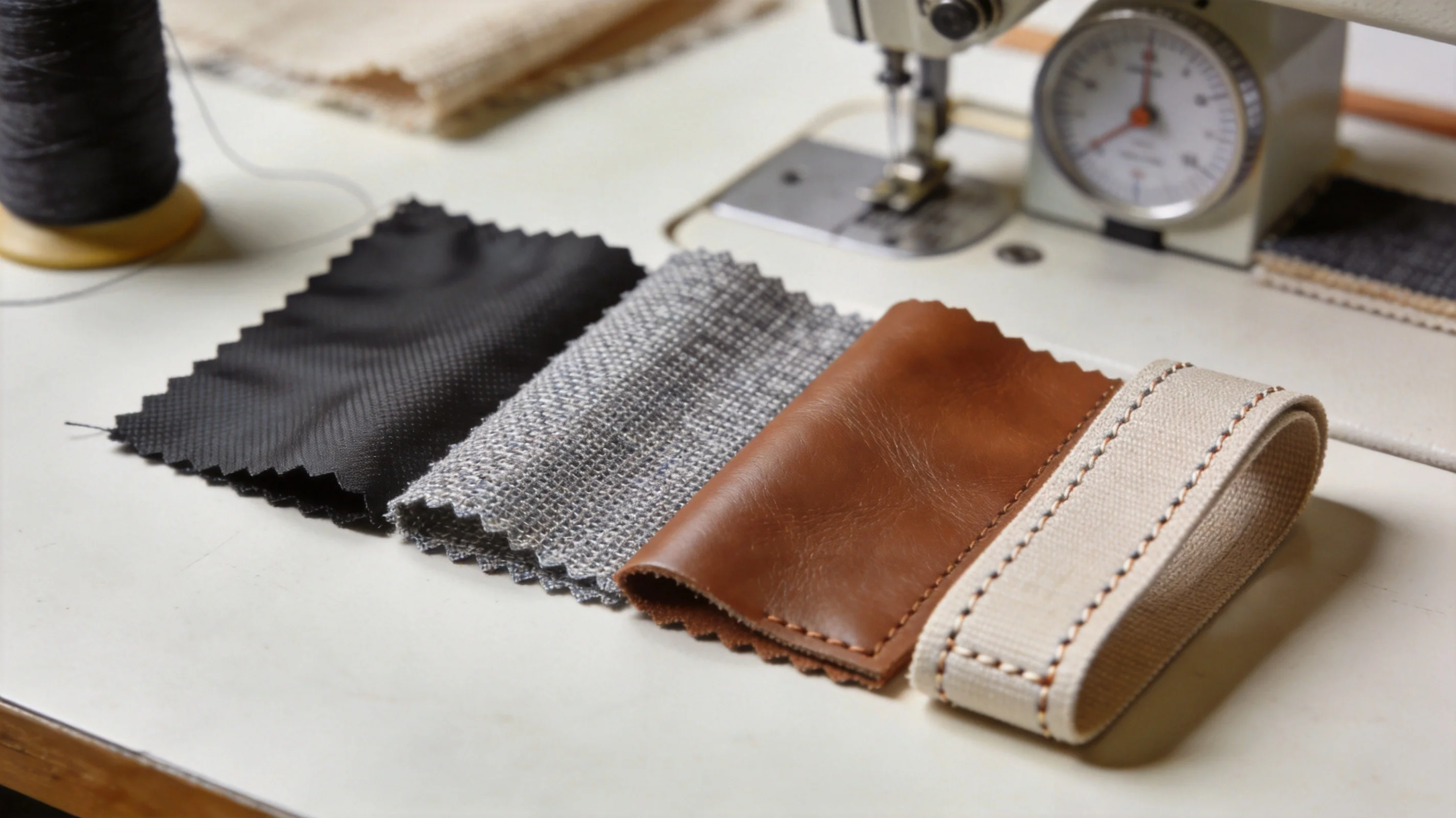
Bio-Based and Drop-In Polymers in 2025
Bio-based polymers derived from corn, sugarcane or other renewable feedstocks are advancing, but their role in 2025 golf bags is realistic rather than revolutionary. They appear most often in trims, buckles, feet and some linings, where their lower renewable-carbon profile complements a recycled shell. Fully bio-based waterproof outer shells remain partly experimental because a shell must combine strength, coating adhesion and weather resistance. The practical 2025 configuration is a drop-in bio polymer blended with recycled or virgin polyester for key strength parts, or bio trims alongside an rPET shell. When a supplier mentions bio-based materials, ask for the feedstock, the percentage and any documentation. Bio trims are a genuine, honest contribution to a lower footprint, but they do not replace the durable recycled shell at the core of most eco bags. Our eco materials guide weighs the options.Completing the Chemistry Picture
2025's chemistry innovation is as much about verification as invention. The industry converged on the idea that an eco product must be able to show its chemistry is safe — via bluesign for the production process and OEKO-TEX® Standard 100 for the finished product. This is now expected in B2B golf bag sourcing. Cleaner dyeing and finishing, restricted-substance-compliant hardware, and water-based decoration are the practical results. These reduce VOC emissions in the factory, keep harmful substances out of the product, and make the bag safe for golfers and the environment. For buyers, the ask is simple: request the bluesign and OEKO-TEX data behind fabrics and trims. Comparable, third-party reports are the most reliable way to evaluate chemistry, and they protect your brand from restricted-substance surprises in regulated markets. Our certification guide lists the documents.Automation and Waste Reduction
Automation is a quiet but powerful eco innovation. Computerized marker nesting arranges pattern pieces to use fabric with minimal offcut, and automated cutting executes those nests precisely, so more of every fabric roll becomes part of a bag rather than scrap. Offcuts are then reused for linings, pockets and binding. Automation also improves energy and labor efficiency. Consistent machine settings reduce rework, and scheduled runs avoid repeated warm-ups, lowering energy use per bag. Fewer defects means fewer bags made in vain, which is both sustainable and economical. These gains are invisible to the end customer but real on the balance sheet and in the footprint. When a factory can show waste-reduction data or high automated-cut rates, it demonstrates a concrete eco commitment. Our quality control guide details how consistency is protected.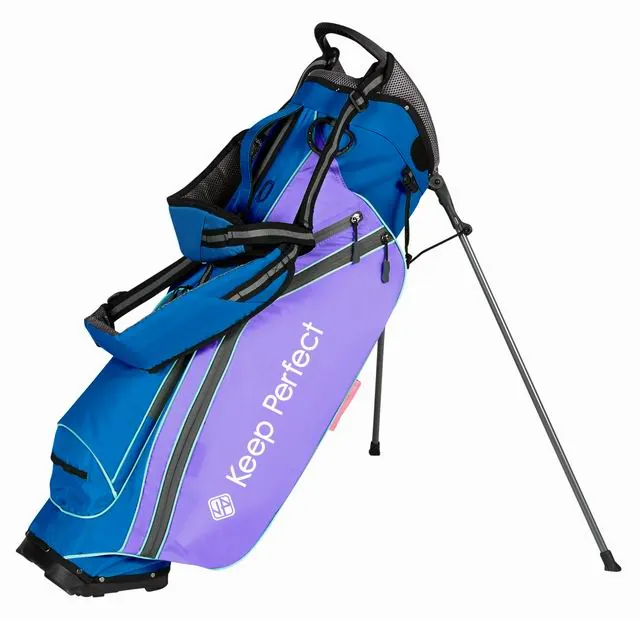
Low-Impact Dyeing and Finishing
Dyeing and finishing are circular and historically resource-heavy. Low-impact approaches reduce water and energy use and improve effluent treatment. Reactive dye-lot discipline, efficient dye cycles and closed-loop water treatment all shrink the footprint of a golf bag shell. For the buyer, the practical ask is the pigment and chemistry data: do the dyes and finishes meet bluesign or OEKO-TEX criteria, and is water treated rather than released? These are concrete, auditable points that distinguish a genuinely low-impact process from a claim. Low-impact finishing does not change the bag's look or feel — a golfer cannot tell from the outside whether the color was applied in a low-water process. But the planet can, and your sustainability report can, too. Our supply chain guide covers how to verify processes at the mill.Recycled and Cleaner Trims & Hardware in 2025
Trims and hardware are the finishing detail of an eco bag, and 2025 sees more recycled options: recycled polyester zipper tape, recycled-moulding buckles, and sliders produced with recycled feedstocks. Even small parts, swapped across a 200-piece run, accumulate meaningful recycled volume. At the same time, hardware is being brought under restricted-substance control, so zippers, buckles and feet meet defined limits. This protects the product in regulated markets and supports the broader clean-chemistry story. When specifying recycled trims, ask for the same recycled-content documentation used for fabric — GRS or RCS where available. A coherent bill of materials, in which shell, lining, trims and hardware all support the claim, is far more credible than a recycled shell bolted onto uncertified parts. Our OEM/ODM services page explains parts-list management.Packaging and Printing: The Visible Eco Wins
Two eco innovations buyers can see and verify immediately are water-based printing and greener packaging. Water-based screen inks are now durable enough for flat logo zones on polyester fields, and they cut VOC emissions. Water-based PU transfers and patches are also maturing as premium accents. Packaging continues to improve: recycled-content cartons, recyclable polybags, minimal foam and more efficient carton packing. These cut waste and shipping weight, lowering cost and footprint at the same time. Because they are visible and cheap, printing and packaging are often where brands start their eco journey. Combined with a recycled shell, they build an honest story you can show customers. Our branding guide covers decoration and packaging options.How to Verify a 2025 Eco Manufacturing Claim
In a crowded market, verification is the differentiator. Ask for the same evidence from every supplier: a recycled-content certificate (GRS or RCS); chemistry data (bluesign or OEKO-TEX); durability test reports; a packaging specification; and a facility-level audit such as SGS. This five-point set is comparable and defensible. Workshop answers to probing questions. If a factory claims recycled fabric, name the certificate and percentage and share the lot documentation. If it claims low-impact dyeing, show the water and energy data or the mill's process credentials. Vague 'green' language without documents is a warning, not a headline. QUANZHOU JUNYUAN BAGS completed a 2026 SGS factory audit, so a major part of the verification is already on file. Pair it with material certificates for a complete picture. Our about page lists our facility and compliance.Adopting 2025 Eco Innovation Without Risk
The safest way to adopt eco innovation is incremental. Start with the highest-impact, most accessible change — a GRS-certified rPET shell on an existing style — then layer organic linings, water-based decoration, recycled trims and reduced packaging on subsequent orders. This phases risk and cash flow. Because everything sits inside a standard 200-piece MOQ with 100-piece test orders, you can pilot a converted eco style before scaling. Sampling in 10-20 days and bulk production in 45-60 days keep the program on a normal calendar. Incremental adoption also builds the evidence trail steadily, giving you a growing file of certificates and reports. When a large buyer or tender asks for sustainability proof, you will already have it assembled. Our order process guide helps sequence production steps.Conclusion: The 2025 Eco Manufacturing Baseline
By 2025, eco innovation in golf bag manufacturing stopped being optional. Recycled polyester is a commodity, cleaner chemistry is expected, and waste-reducing automation is standard practice — all attainable at a 200-piece MOQ with 100-piece test orders from a 2014-founded factory. The models that win are the ones that combine a recycled shell, organic linings, water-based decoration, recycled trims and lighter packaging, all backed by certificates and an audit. Anything less is a footprint story with a hole in it. QUANZHOU JUNYUAN BAGS can quote a 2025 eco program today at service@junyuanbags.com or +86 17750020688, with sampling in 10-20 days and bulk production in 45-60 days, from an affiliated factory with a 2026 SGS audit.Which 2025 Innovations to Watch — and Which to Skip
Not every eco innovation deserves a place on your order. Watch closely higher-denier recycled fabrics that push durability, cleaner coating technology that keeps waterproofing intact, and recycled trim options that are moving from pilot to standard. These are ready and quotable. Treat with caution innovations that remain at laboratory scale or depend on geographic subsidy. Fully bio-based waterproof shells, for example, are promising but not yet a reliable mass-market option, and some experimental fibres vary in supply. A buyer should prefer proven, documented options over prototypes. A practical filter is to ask whether a claimed innovation can be supplied in volume, to a deadline, with a certificate. If it can, it belongs in your 2025 program; if not, keep it on the radar and note the maturity date. This separates genuinely adoptable eco innovation from headlines.Automation, Data and the Sustainable Factory of 2025
2025's sustainable factory leans on data. Marker-nesting yield, offcut reuse, defect rates and energy per bag are tracked and reported, so sustainability stops being a slogan and becomes a set of improving numbers. A factory that measures waste reduction can show concrete progress. Automated cutting and robotic handling reduce both fabric waste and human error. Consistency lowers rework, and better first-pass yield means fewer bags made in vain. These gains compound: less waste, less energy, lower cost, smaller footprint. Traceability software links a finished bag to its material lot and certificate, so a buyer can pull the provenance of a specific order. This is the operational backbone that makes certified eco claims repeatable. A factory running this layer is the reliable partner for a 2025 eco program; our manufacturing page outlines the technology in use.Choosing the Right Manufacturing Partner for Innovation
Adopting eco innovation depends on the partner more than the innovation itself. Look for a factory that has already integrated recycled materials, clean chemistry and audit into standard operations — not one that treats sustainability as a special request with long delays. Assess capability concretely: does the factory hold material certificates, report waste and yield data, and offer certified fabrics at a practical MOQ? Does it back claims with a facility audit such as SGS? These are the signals that innovation will actually reach your finished bag. With the right partner, a 2025 eco program stays commercial: 200-piece MOQs, 100-piece test orders, sampling in 10-20 days and bulk production in 45-60 days. QUANZHOU JUNYUAN BAGS fits this profile, so brands can roll out eco innovation without reinventing their supply chain.Traceability as the Innovation That Underpins Everything
The quietest and most important 2025 innovation is traceability. Systems that link a finished bag to its material lot and certificate make eco claims repeatable and audit-ready. Traceability turns 'recycled' from a one-time lab test into a property of every bag in a 200-piece run. For a buyer, traceability means certificates that match the delivered goods, not just the sales pitch. It also eases regulatory submission as markets tighten on content tracing. A factory with traceability in place is ready for both sustainability reporting and compliance. This is why the most advanced eco programs insist on it. QUANZHOU JUNYUAN BAGS maintains material and lot records so a customer can pull the provenance behind a specific sustainable order, turning traceability into a concrete, saleable feature.Collaborating with Mills on Greener Materials
Real eco innovation often happens upstream, with the mills that spin yarn and weave fabric. Factories that build relationships with mills focused on recycled and cleaner inputs get early access to improving grades, better pricing and more stable supply than transactional buyers. Collaboration includes requesting specific recycled content, testing new blends before mass adoption, and sharing performance feedback so mills refine the material. This closes the loop between factory needs and mill capability, accelerating practical innovation. For a brand, working with a factory that has these mill relationships means riding that pipeline. When a greener grade matures, the factory can qualify and offer it early, keeping the brand ahead of the sustainability curve without doing the upstream legwork itself.Commercial Risk of Retiring Virgin-Heavy Materials
Adopting eco innovation carries commercial risk around switching materials. A proven virgin product being converted to recycled may need retesting for color, coating adhesion and durability, and a brief learning curve on the line. Manage it by piloting at 100 pieces before a full run. There is also cost risk if a certified fabric is single-sourced. Mitigate with an approved second supplier and early ordering, keeping the viable certification options open. And guard against over-paying: recycled yarn is near-virgin price only if negotiated against real supplier competition. Weigh these risks against the larger risk of staying static: losing listings and tenders that demand verified eco content. Managed correctly, converting to sustainable materials is lower risk than ignoring the market's direction.How to Measure the Success of an Eco Innovation Program
Measure an eco program by both environmental and commercial metrics. Track the certified recycled percentage per bag, fabric waste avoided, and the number of products carrying verified claims. On the commercial side, watch unit premium, sell-through of eco versions, and wins in listings or tenders that cited sustainability. Set targets that are achievable and honest — for example, converting 30% of a line to certified recycled content in a season, or cutting packaging weight ten percent. Measurable goals keep the program deliberate rather than performative. Review against the same five-document set each cycle so progress is verifiable. A program that grows its certified content and its commercial wins, with documents to prove both, is a success by any measure.A Realistic View of Eco Innovation's Timeline
Eco innovation progresses at different speeds. Recycled materials and cleaner chemistry are ready now and quotable at standard MOQ. Bio-based parts are maturing and being adopted where they make sense. Fully new polymers remain on a longer horizon. A realistic timeline lets a brand adopt what is ready and watch what is coming. Planning with this timeline avoids two mistakes: waiting for a perfect future material that never arrives this season, or adopting an immature innovation before it reliably ships. The balanced path adopts proven options now and pilots newer ones through test orders as they mature. QUANZHOU JUNYUAN BAGS keeps this balance, offering immediate eco options while tracking the frontier. For a brand, that means a practical, defensible program today and an upgrade path tomorrow — sustainability built to last and built to improve.2025 Eco Innovation Readiness Check
| Innovation | 2025 Status | Verification | Best Use |
|---|---|---|---|
| Recycled polyester (rPET) | Commodity, at scale | GRS / RCS | Shell, lining, dividers |
| Cleaner chemistry | Mainstream expectation | bluesign / OEKO-TEX | Dyes, coatings, inks |
| Bio-based trims | Practical in parts | Material data | Buckles, feet, linings |
| Automation / nesting | Standard | Process data | Waste reduction |
| Water-based printing | Durable on polyester | Ink product data | Logo zones |
| Recycled trims/hardware | Growing | GRS / RCS | Zipper tape, mouldings |
Looking for a Reliable Sustainable Manufacturing Partner?
Adopt the 2025 eco baseline without risk: GRS recycled shells, clean chemistry, recycled trims and lighter packaging inside a 200-piece MOQ. 100-piece test orders, sampling in 10-20 days, bulk in 45-60 days, backed by a 2026 SGS audit.
Request a Sustainable Bulk Quote →Frequently Asked Questions
- What is the biggest eco innovation in golf bags for 2025?
- The biggest practical shift is scale adoption of recycled polyester in shells and linings plus cleaner, lower-chemical finishing, enabled by GRS-certified yarn and bluesign-style supply chains.
- Are bio-based materials ready for golf bag shells?
- Partially. Bio-based and drop-in polymers exist, but for an outer golf bag shell they are usually blended with recycled or virgin polyester for strength; fully bio-based waterproof shells remain niche.
- Does recycled fabric manufacturing make the product more expensive?
- It can add a modest premium, but with MOQs of 200 pieces (test from 100) and thin sourcing the increase is usually small and steadily falling as recycled yarn supply grows.
- How does automation help sustainability?
- Automated cutting reduces fabric waste and energy use, and consistent tension settings lower rejection and rework, all of which shrink the footprint per bag.
- What certifications should 2025 eco claims carry?
- Material-level GRS/RCS for recycled content, GOTS for organic, bluesign/OEKO-TEX for chemistry, plus an SGS factory audit for social-compliance.
- Will eco manufacturing slow my order down?
- Usually not much. Sampling runs 10-20 days and bulk 45-60 days; certified fabric ordering is the main variable to plan around.