Waterproof Golf Bags: Ultimate Guide to Protection and Buying
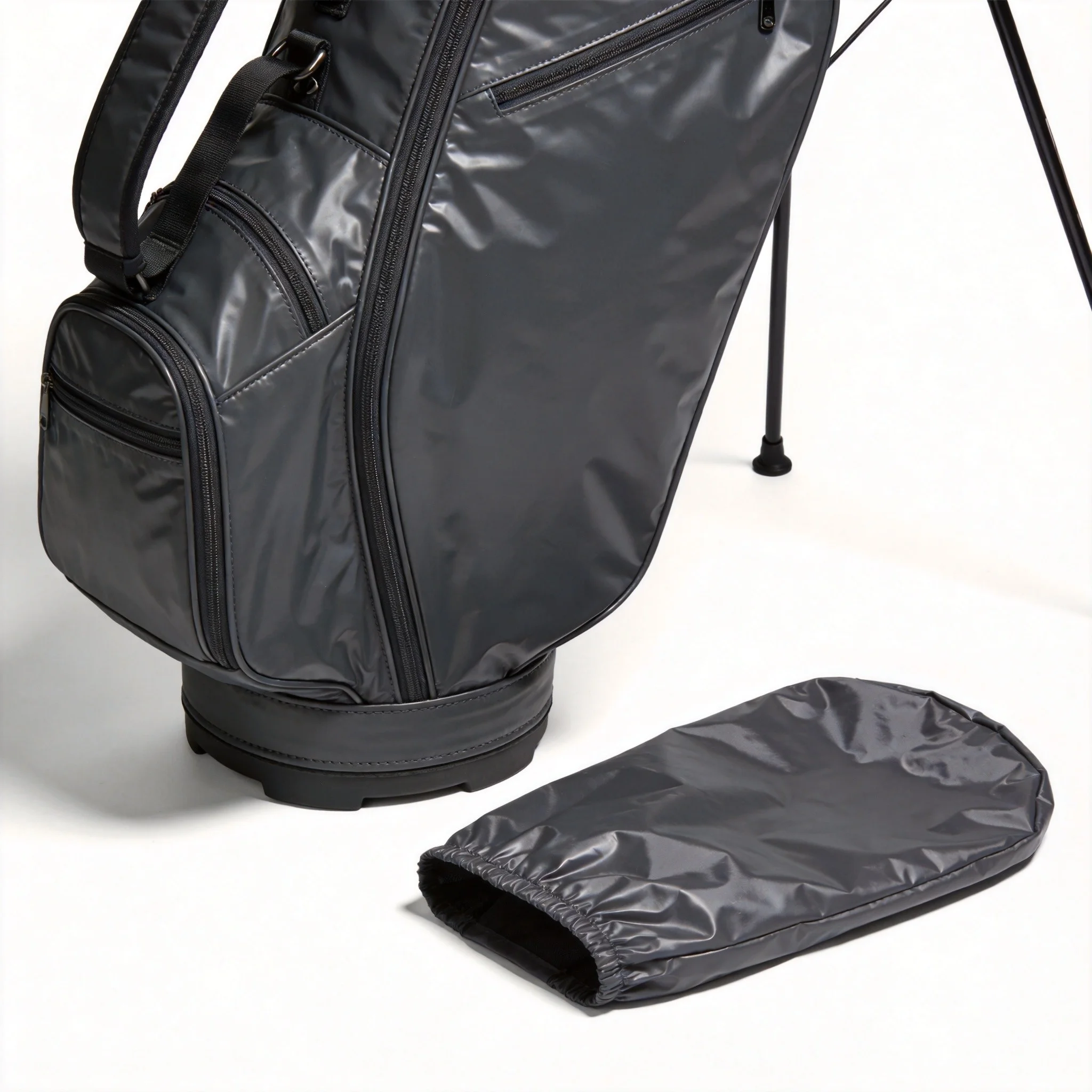
A golf bag is only truly waterproof if it has all three: waterproof laminate fabric (PU or TPU), taped or welded sealed seams, and sealed or baffled zippers — and with proper care such a bag keeps clubs dry through sustained rain for 5-10 years, making it a justified investment for golfers in wet climates. This ultimate guide, written from the factory floor where waterproof bags are actually built and tested, gives you the complete picture.
What "Waterproof" Actually Means
A useful mental model for waterproofing is to imagine every water entry as following a path. Water always seeks the easiest route in, so the points of entry are predictable: the top opening if it is not covered, the seam lines where panels join, the zipper tracks, and the base where the bag rests against wet ground. A genuinely waterproof bag blocks all of these routes at once, which is why the pillars are engineered together rather than as optional extras. Spotting the entry paths on any candidate bag, and confirming each is sealed, lets you evaluate real waterproof performance with confidence rather than guessing from the outside.
The word "waterproof" is thrown around far too casually. In golf bags, genuine waterproofing is a construction standard, not a marketing adjective. A truly waterproof bag must stop water at every point of entry — the fabric, the seams and the zippers. If any one of these lets water through, the bag is water-resistant at best, no matter what the label promises. Understanding this three-part test is the foundation of every good waterproof-bag decision.
Most golfers discover the difference the hard way: they buy a bag labelled waterproof, get caught in real rain, and find damp grips. What they bought was water-resistant. Distinguishing the two before purchase saves both money and soggy equipment.
The Three Pillars of True Waterproofing
Reading the three pillars together is the surest way to judge any waterproof claim. Test not just whether the fabric resists water but whether the seams are actually sealed and the zippers genuinely protected, because a bag that nails two and ignores the third will still leak where it matters. The pillars also point to where quality is measurable: you can feel a laminate, inspect a taped seam and open a baffled zipper, so a real product reveals its construction easily. Whenever a bag is described as waterproof, run it through all three checks before you trust it, and you will rarely be caught out by a manufactured claim.
First, the fabric. Waterproof bags use laminated shells — typically nylon or polyester bonded with PU or TPU — that block water penetration while resisting abrasion. Higher denier laminates add durability for cart and tour use. Second, the seams. Because stitching itself creates tiny holes, genuine waterproof bags tape or weld the seams closed so water cannot sneak through the thread line. Third, the zippers.
Standard zipper teeth let water through, so waterproof bags use sealed, baffled or protected zipper systems. A bag with laminated fabric and sealed seams but ordinary zippers will still leak. All three must be present. This is the specification to verify, not the label to trust.
| Component | Dry-climate standard | Waterproof requirement |
|---|---|---|
| Shell fabric | Nylon / polyester | PU / TPU laminated |
| Seams | Standard stitched | Taped / welded sealed |
| Zippers | Standard | Sealed / baffled |
| Performance in heavy rain | Water enters | Grips stay dry |
Materials: Choosing the Right Waterproof Build
Material choice balances protection, weight and durability. PU and TPU laminated nylon and polyester are the workhorses, delivering dependable waterproofing with manageable weight. For cart bags that face more abrasion, heavier laminates resist scuffs and tears without giving up the seal. Lighter laminates suit stand and carry bags where weight matters most.
Beyond the shell, the inner liner, padding and hardware must cooperate with the waterproof construction. Quality pivots on how the laminate is bonded and how seams are sealed in production — the exact steps that separate a real waterproof bag from a lookalike. For a full material comparison, our materials guide breaks down every option.
How Waterproof Bags Are Tested
Understanding the test tells you how to interpret the result. A rigorous test simulates the conditions a bag actually meets: sustained or repeated water exposure, not a token sprinkle, combined with the flexing, folding and handling the bag endures in use. The bag is then inspected not just for external wetness but for ingress at the seams, zippers and base, which are the places real leaks occur. When a test covers these realistic conditions and the results are shared openly, you can weigh the performance honestly rather than buying on faith in a number.
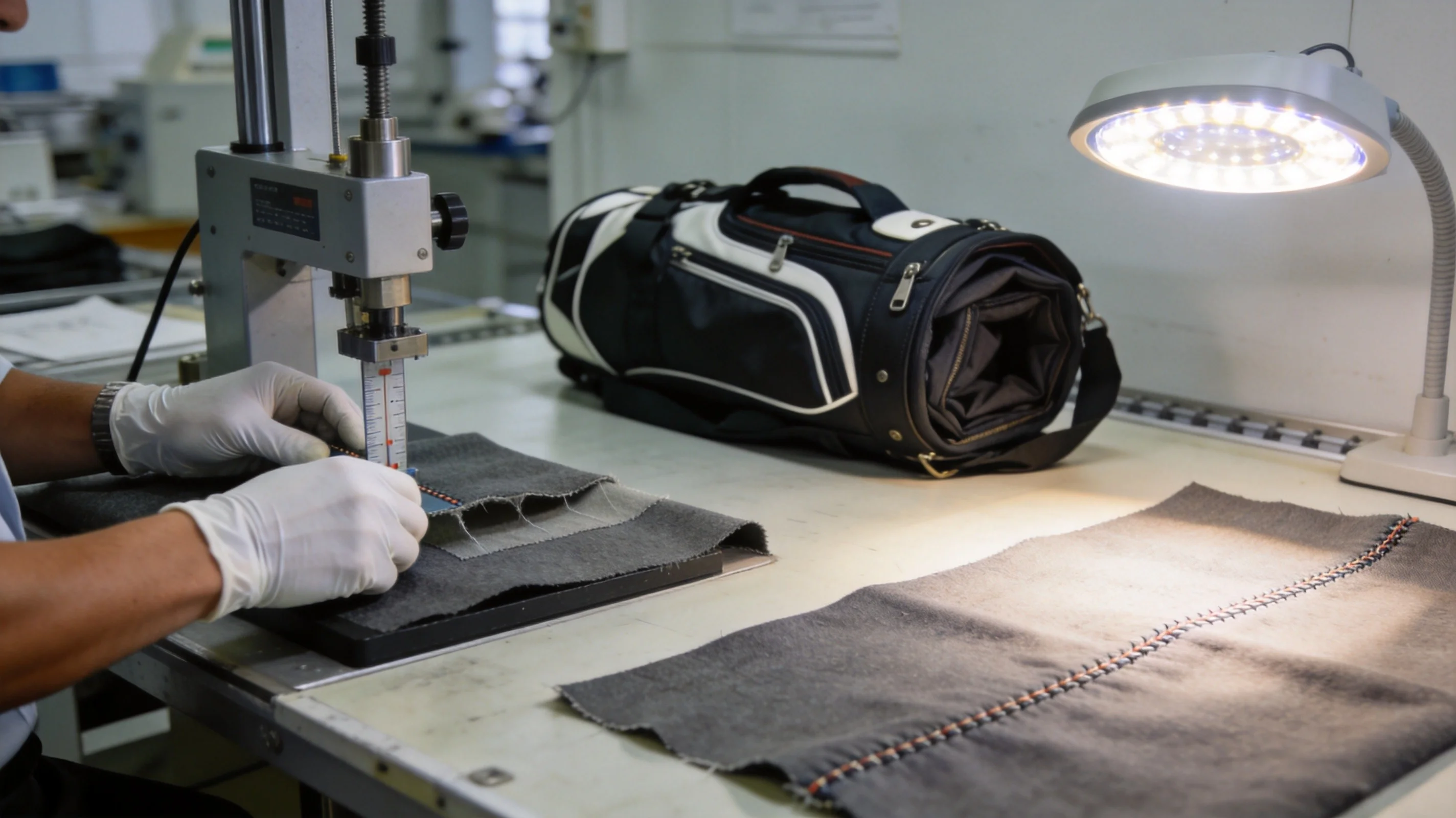
Claims deserve verification. Reputable makers test under simulated continuous rain, spray or submerge sealed areas, and then inspect the interior, seams and zippers for moisture. Some products reference waterproofing ratings comparable to IPX grading. When you evaluate any waterproof bag, ask what test it passed and, ideally, verify with your own rain or water-rinse check on a sample.
A physical test beats any spec sheet. Water a lined section, seal everything, and see whether moisture gets through the seams and zippers. This ten-minute check de-risks the entire buying decision, whether you are a golfer or a retailer sourcing a line. Our quality standards guide details the inspection protocol.
Waterproof vs. Water-Resistant: A Practical Guide
The deciding question between the two is simple to ask and revealing to answer: how long does this bag stay dry in genuine, steady rain? A water-resistant bag may excel in a light shower and then leak through its seams and zippers under sustained rain. A truly waterproof bag keeps the interior dry across the full storm. Which you need comes down squarely to the weather way you play in and how much a damp set would cost you. If heavy sustained rain is on the menu, the three-pillar build justifies itself; if not, the lighter water-resistant option is the smarter spend.
The gap between watermark-resistant and truly waterproof is exactly the three-pillar test above. Water-resistant bags shrug off drizzle and short showers but let water through in sustained rain, especially at the zippers. Waterproof bags are engineered for downpours. The right choice depends on your climate and how much you value dry equipment on the few rainy days you play.
If rain is rare and light where you live, water-resistant with a rain hood covers most rounds at lower weight and cost. If you regularly play through storms or live in a humid tropical climate, the genuine waterproof build justifies itself by protecting a far larger investment. Match the rating to the risk you actually face.
When Is a Waterproof Bag Worth the Cost?
Part of convincing yourself a waterproof bag is worth it is putting a realistic value on what it protects. A damp round ruins grips, can mar steel heads, and over repeated exposure encourages rust and mildew that shorten the life of your whole set. When you add the cost of replacing or restoring that equipment, the premium for a genuine waterproof build across a rainy climate is easily justified. Treating the bag as protection for a far more expensive asset reframes its price from an expense into a reasonable insurance premium that pays for itself the first season you use it.
The value equation is simple: measure the cost against the equipment it protects. A waterproof bag shields expensive clubs, grips and valuables from corrosion, mould and damage. If you play frequently in wet conditions, the bag pays for itself by keeping a high-value set in premium condition and avoiding early replacement. In dry climates with occasional showers, the extra weight and cost buy little.
Cost per use applies strongly here. Over years of wet-climate play, a durable waterproof bag spreads its higher price across many protected rounds, making it the economical choice. For occasional light-rain players, water-resistant is the smarter spend. Frame it as insurance, not luxury.
Caring for a Waterproof Bag to Extend Its Life
Caring for a waterproof bag is about protecting the seal as much as the appearance. Keep the zippers clean and lightly lubricated so debris never works its way into the weather seal, dry the bag fully and store it open so trapped moisture cannot degrade the laminate, and use only gentle cleaners that will not strip coatings. Periodically refreshing a fabric waterproofing treatment helps maintain water repellency over a long service life. These small routines keep the very features that justified the higher price performing at their best.
Good care keeps the seal effective. Dry the bag fully after wet rounds and store it unsealed so trapped moisture does not degrade the laminate or cause mildew. Keep zippers clean and lightly lubricated, since debris compromises both function and the weather seal. Avoid harsh solvents that strip coatings, and re-apply a fabric waterproofing treatment occasionally to refresh water repellency.
With this routine, a waterproof bag lasts 5-10 years, and its protection stays reliable. Neglect, conversely, lets a once-genuine bag degrade into a decorative one. Pair this care with our guide to maintaining waterproof coatings for the full routine.
For Retailers and Brands: Sourcing Waterproof Bags
A waterproof line is only as trustworthy as the compliance you verify at every order. Confirm the three-pillar construction against the specification, inspect each colourway on a sample, and run a water check before committing to volume, because a colourway that looks identical visually can perform differently if the material sourcing drifts. Holding your supplier to the agreed standard catch problems at the sample stage rather than after a shipment has travelled. This verification mindset is what keeps a waterproof product range dependable in the market and protects the brand that stands behind it.
If you are sourcing waterproof bags, the three-pillar construction becomes your acceptance criteria. Confirm the laminate, the seam-sealing method and the zipper system in writing, inspect physical samples, and run a basic water test on each colourway before volume orders. A genuine waterproof line protects your brand from the complaints a mislabelled product generates.
Working with a factory that builds and tests waterproof bags gives you that confidence from the start. As an OEM partner we produce waterproof golf bags for wet-climate markets with sealed construction, at standard 200-piece MOQ and 100-piece test orders. For the buying process, our OEM/ODM process guide walks it through end to end.
Choosing the Right Waterproof Bag
When it comes to final confidence, nothing beats handling and testing a real sample in the conditions you expect. Fill the bag, set it in light simulated rain or splash it thoroughly, let it sit, and then inspect the interior, the seams and the zipper line for ingress. This pragmatic check, done on one flagged water test, tells you whether a bag truly keeps clubs dry or merely sheds water on the surface. Repeat the logic at scale when sourcing, and you convert every waterproof claim into verified performance you can stake a brand on.
Decide by matching the waterproofing level to your climate, prioritize the three-pillar construction, and verify with a water test before committing to a premium price. For wet climates, buy genuinely sealed. For dry climates, water-resistant plus a hood is usually enough at lower weight and cost. Balance protection against weight and price, and you will not overpay.
Need a Genuinely Waterproof Bag?
Laminated fabric, sealed seams and baffled zippers — built and tested to keep clubs dry in real downpours. Custom options for wet-climate markets.
Explore Waterproof Custom →Conclusion
A waterproof golf bag is a genuine engineering standard defined by laminated fabric, sealed seams and sealed zippers working together. Test the claims, match the waterproofing to your climate, and care for the bag properly to keep its protection effective for years. Done right, a truly waterproof bag quietly safeguards your equipment through every storm you play.
Waterproofing Ratings Made Simple
When you compare waterproof golf bags, you will often see ratings or descriptive claims that are worth decoding. Many products reference an ingress protection style scale where higher numbers mean better protection against water entry, with a threshold typically separating splash resistance from genuine submersion resistance. In practice, golf bags are designed to shed rain and hold up to the water they meet on a course, so what matters most is that a rating honestly reflects sustained rain exposure rather than a light spray. Learning to read and compare these numbers lets you buy a genuinely sealed product instead of a marketing label.
It is equally important to note what ratings do not tell you: they do not replace inspecting the actual construction. A posted figure is a claim until the seams and zippers are shown to match it on a physical sample. Treat ratings as a helpful shorthand, then verify the three pillars on the real product before you commit. That combination of a meaningful rating and a verified build is what separates a well-bought waterproof bag from a disappointed purchase.
Waterproofing Across Different Bag Types
Not every bag type demands the same waterproofing, and matching the level to the type keeps weight and cost in proportion. A stand bag carried in the hands through rain needs reliable water shedding and sealed zippers on the pockets you reach constantly, but its proportion may tolerate a slightly lighter build. A cart bag, riding low and exposed to puddles and spray, benefits from stronger waterproofing and better sealing at the base. A travel bag faces transport as well as weather, so its waterproofing pairs with durable, often harsher materials. Tailoring the waterproofing to the bag purpose is the mark of a thoughtfully designed range.
Where the bag is honestly used also shapes the requirement. A golfer in a humid subtropical climate will lean on waterproofing every week, while one in an arid region may only need it occasionally. When you choose a type and a waterproofing level together, you avoid the two common mistakes: buying a heavy full-waterproof stand bag you will never need, or buying a lightly sealed cart bag for a climate that demands genuine protection. Purpose, type and climate together point to the right water specification for your game.
Writing a Waterproof Specification for Sourcing
For retailers and brands sourcing waterproof bags, the specification is where quality is secured before any cloth is cut. Define the accepted fabric construction and any target rating, require the seam and zipper sealing methods in writing, set the inspection and testing steps, and insist on an approved physical sample per colourway. Writing these criteria down removes ambiguity and gives you a concrete basis to reject a non-conforming shipment, which is exactly the protection a brand needs when it stakes its reputation on a product labelled waterproof.
Pair the written spec with a workable verification step: a simple water or rain simulation on the sample, inspected for ingress at seams and zippers, tells you more than any document. When the supplier can demonstrate the construction on a real sample and stand behind the result, you are sourcing from a capable partner rather than gambling on a brochure. This is the same discipline applied to every quality claim, and it is what keeps a waterproof line trustworthy in the market.
Balancing Protection, Weight and Price
Finally, keep in mind that the market continues to shift toward genuinely tested waterproof performance and more sustainable materials. A bag that combines a verified sealed build with responsible materials and durable construction is increasingly the expectation of informed buyers and retailers. Choosing a waterproof bag that meets that standard, and sourcing it from a partner who can prove it, positions you ahead of the trend rather than behind it. That forward-looking choice turns a simple weather decision into a small strategic advantage in a competitive market.
The honest tension in any waterproof bag is balancing the level of protection against the weight it adds and the price it commands. Full waterproofing layers up the material and construction, increasing both cost and heft, and figure out how much of each you are willing to accept depends on your climate, your carry style and your set value. A rider who never lifts the bag can accept more weight for stronger protection; a walker must guard against turning the bag into a burden. This balancing act is the practical core of choosing any waterproof build.
Framing the decision as a value proposition rather than a feature race keeps it grounded. Ask what the extra weight and price buy in real protection and peace of mind for the rounds you actually play, and compare that against the cost of a damp round or a damaged set. When a waterproof build genuinely protects a valuable kit across a rainy season, it is an easy trade to make; when it merely adds bulk for weather you rarely see, it is an easy trade to skip. Matching the cost to the risk you face is the definition of buying a waterproof bag well.
Sources
- What makes a golf bag truly waterproof?
- Waterproof fabric, sealed seams (taped or welded), and sealed or baffled zippers — all three must be present. Miss one and it is only water-resistant.
- Are waterproof golf bags worth the extra cost?
- Yes in wet or humid climates, where they protect grips, heads and valuables and prevent corrosion and mildew. Less justifiable in dry climates.
- What is the best material for a waterproof golf bag?
- PU or TPU laminated nylon and polyester balance waterproofing, durability and weight; higher denier resists abrasion for cart use.
- How are waterproof golf bags tested?
- Under simulated rain or water-rinse, checking fabric, seams and zippers for moisture, with some products referencing comparable IPX grading.
- How long does a waterproof golf bag last?
- 5-10 years with proper care: keep zippers clean, dry fully after wet rounds, avoid harsh solvents, and re-apply waterproofing treatment.