Best Golf Cooler Bags for All-Day Golf Outings

The best golf cooler bags for all-day golf outings hold 12-30 cans (roughly 10-25 L), keep drinks and snacks cold for 8-12 hours, and pair a high-density or closed-cell insulated lining with a sealed leak-proof interior, a durable 600D+ shell, and a secure cart-mount or carry system. Over a full day — practice range, 18 holes, lunch on the turn and a 19th-hole tailgate — a quality cooler bag pays for itself in temperature and convenience. This guide, written from the production floor of QUANZHOU JUNYUAN BAGS (founded 2014, serving 200+ brands across 100+ countries), explains capacity, insulation, leak-proofing and sourcing so you buy or build the right one the first time.
Why an All-Day Outing Needs a Real Cooler Bag
An all-day golf outing is long enough that a simple mesh or soft un-lined pocket will not cut it. By the afternoon, warm drinks, soggy snacks and condensation pooling in the bottom of the cart are the hallmarks of a bag that was never meant for the job. A purpose-built golf cooler bag handles three jobs at once: holding drinks at temperature for 8+ hours, keeping food dry and intact, and attaching cleanly to a cart or being carried without tipping.
The difference is engineering you can touch. Closed-cell foam or high-density insulation in the walls and lid, a sealed interior lining, a robust outer shell, and a closure system that stays shut under cart vibration are what separate a cooler bag from a tote. Because cooler bags are also popular as tournament swag and corporate giveaways, they are made in high volume — which means getting the build right at the factory is both important and economical when you source well.
Capacity: Match the Bag to the Crowd and the Hours
Capacity is the first decision, and it should follow math, not instinct. Figure roughly 3-4 drinks per person over a full day of golf in warm weather, plus snacks. A solo golfer heading out for the day is well served by a 12-15 can (10-12 L) cooler — enough for drinks and a couple of snacks without bulk. Two golfers sharing, or a person who wants an all-in lunch, step up to a 18-24 can (15-20 L) bag. A group or team outing that wants to feed several people from one pack goes 25-30 cans (20-25 L).
Capacity interacts with cart space, so do not oversize blindly. A cooler that does not fit the cart basket or rear platform is a liability. Many golfers pair a mid-size cooler with the cart's existing storage rather than pushing to the largest possible pack. When we spec cooler bags for retailers, we recommend stocking a tight range: one personal, one sharing, one group — because those map to the actual ways all-day outings are done. Our cooler bag capacity guide dives deeper into the arithmetic.
Insulation: The Science of Staying Cold
Insulation is what earns the "cooler" name, and not all foam is equal. The two quality tiers are: high-density or closed-cell foam systems (typically 10-20 mm in walls and lid) that resist compression and hold temperature for 8-12 hours, and cheap open-cell or thin foam that flattens in weeks and bleeds cold quickly. Look for insulation in the lid as well as the walls — a bag with a thin lid loses a disproportionate amount of cold because heat rises.
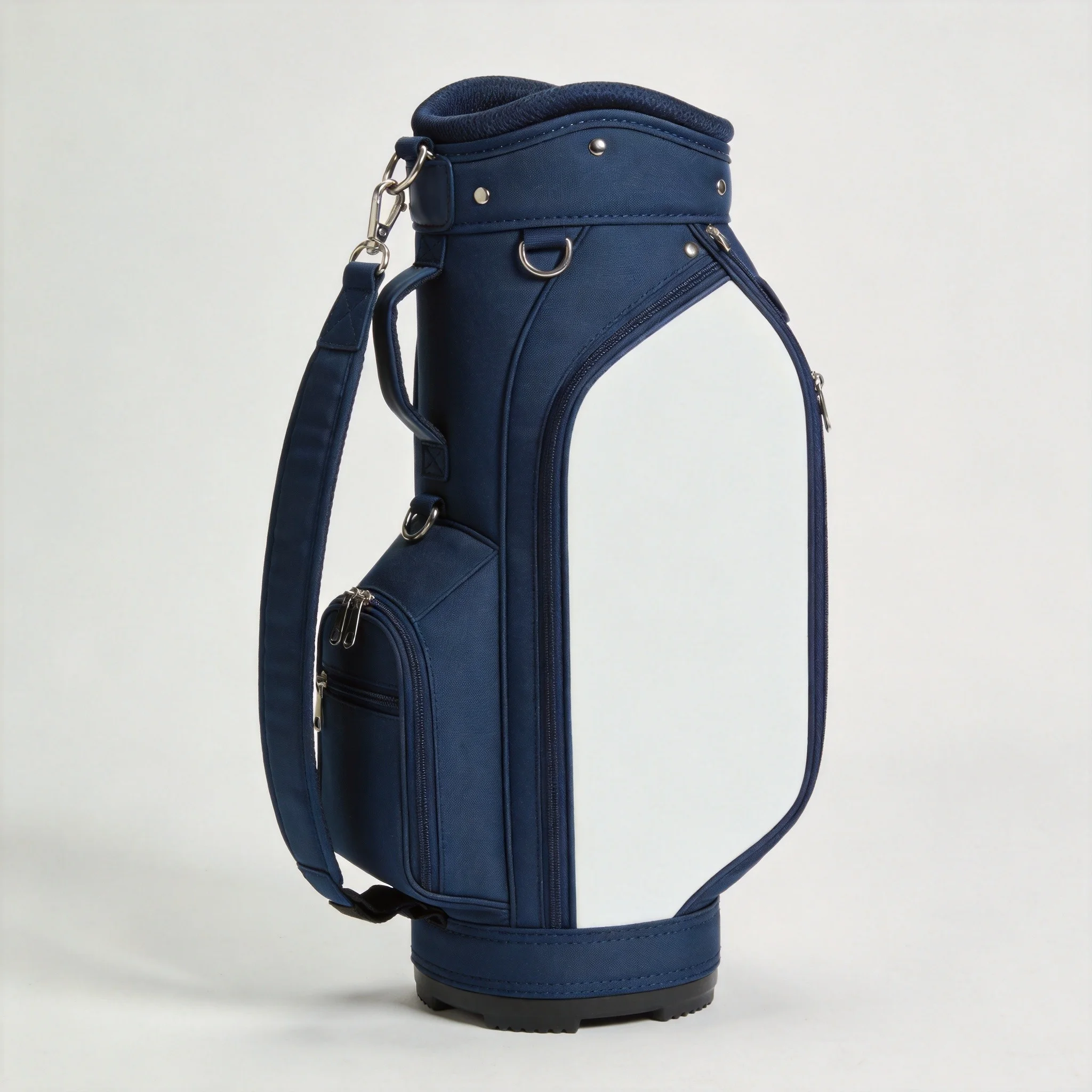
Insulation performance is measured in time-to-temperise, not marketing claims. A reputable factory states a realistic hold time under defined conditions (e.g., pre-chilled contents, minimal opening) and stands behind it. On our golf cooler lines we use multi-layer construction: an outer shell, a closed-cell foam layer, and an inner thermal lining, giving the bag both rigidity and retention. Our insulation materials guide compares the foam and lining options in technical detail.
Leak-Proof and Waterproof Linings
A cooler bag lives with condensation, melted ice and the occasional spill, so a sealed interior is essential. The interior should be a welded or fully-sealed PE / coated nylon lining with sealed seams that keep liquid inside the liner rather than soaking into the foam — a soaked liner both smells and stops insulating. "Leak-proof" means the interior holds water without it reaching the shell; "waterproof" usually refers to the shell resisting rain. For an all-day cooler you want both, but leak-proof interior is the non-negotiable.
Testing leak-proofing matters. A good factory will flood-seal a sample interior and confirm no moisture migrates to the foam after a set period. We verify every cooler-bag lot this way, because nothing kills a cooler faster than a seam that weeps into the insulation. When you read a spec, look for "sealed/welded interior" and an actual leak test, not just a water-repellent claim. Our leak-proof cooler features guide spells out what to inspect.
Cart Mounting and Carry Systems
An all-day cooler must live somewhere on or beside the cart without being a staging problem. The two dominant designs are: cart-basket/carry cooler bags with a sturdy handle and optional shoulder strap that sit beside the golfer or on the rear platform, and cooler attachments that strap to a push-cart or ride in the cart's storage. The best all-day coolers offer flexible mounting — a strong grab handle, a padded shoulder strap, and a cart strap loop or hook so you can secure it.
If you push a trolley, confirm the cooler can mount without interfering with the bag or your stride. Some golfers prefer a cooler that stands separately on the cart's rear deck, reached by turning around between shots. Others share a large cooler set on the cart seat between two players. Matching the cooler's size and mounting to your actual walking setup is the practical way to avoid regret, and our push cart compatibility guide and cart-mount cooler design guide cover the options.
Shell Materials and Durability
The outer shell of an all-day cooler takes weather, scuffs and cart rides, so it needs real fabric. A 600D-840D polyester or nylon shell is the durable sweet spot; anything thinner creams and scuffs after a season. For hot-climate or pool-adjacent use, look for a heat- and UV-resistant outer and a shell that does not transfer heat readily into the insulated core. A reinforced base panel protects the seam where the bag drags or sits on wet ground.
Hardware should be rust-resistant and closure systems should seal snugly. Zippers are common but can fail under repeated open/close with damp contents; some premium coolers use a roll-top or gusseted closure that avoids zippers entirely and seals tighter. Wheels are rare on golf coolers (unlike travel coolers) because they ride a cart, so prioritize handle, strap and sealing over wheels. Our materials guide compares the fabric and closure trade-offs for cooler shells.
Comparison of All-Day Golf Cooler Sizes
| Capacity | Typical Volume | Best For | Cold Retention | Cart Fit |
|---|---|---|---|---|
| 12-15 cans | 10-12 L | Solo day, drinks + snacks | 8-10 hr | Excellent |
| 18-24 cans | 15-20 L | Two golfers or all-in lunch | 9-12 hr | Good |
| 25-30 cans | 20-25 L | Groups / team outings | 9-12 hr | Rear platform |
Representative retention figures assume pre-chilled contents, high-quality insulation and minimal opening.
Insulated Options for Hot Climates
In hot climates, a cooler bag earns its keep more than anywhere else. The same features apply but the priority shifts to thicker insulation, a heat-reflective or heat-resistant outer layer, and a tight lid seal. If you often play in 30+°C heat, choose a cooler with at least 15-20 mm wall insulation and pre-chill the contents before loading — a cooler stuffed with warm drinks will use its insulation fighting to cool them rather than maintaining cold. Ice packs or frozen water bottles help maintain temperature efficiently.
For those scorching days, also consider a cooler bag with an insulated lid you actually close between holes and a design that minimizes sun exposure to the top. On the range mid-morning you will appreciate a bag that stays cool into the back nine. We build hot-climate variants with reinforced reflective shells and extra lid insulation, and full guidance is in our cold retention guide.
Sourcing and Wholesale of Golf Cooler Bags
Cooler bags are a favorite for retailers and corporate programs because they combine utility with strong branding surface. Wholesale sourcing follows the standard model: a 200-piece MOQ per design and colorway, with 100-piece test orders for new programs, sampling in 10-20 days, and bulk production in 45-60 days. Capacity and construction drive cost — a 25-L cooler with heavy insulation costs more than a 12-L pack — and decoration (screen print, embroidery, heat-press) adds a step.
Because cooler bags are often ordered as branded giveaways or pro-shop SKUs, decoration quality matters as much as function. A clean, durable printed or embroidered logo on a quality cooler elevates the whole promotion. Our OEM/ODM services and custom solutions cover branding workflow, and the cooler bag lineup and insulated cooler range show the construction tiers. Pricing and MOQ tiers are detailed in our wholesale pricing guide and the wholesale section.
Quality Control for Cooler Bags
Cooler bags have failure modes regular bags do not: leaking seams, collapsing insulation, and closures that pop under a full load. Factory QA must check leak-proofing (flood-seal test), insulation retention against a spec, closure integrity under load, and shell abrasion resistance. At QUANZHOU JUNYUAN BAGS these sit inside a three-stage inspection, and the programs we run for established cooler brands are verified with AQL sampling on every lot. Our factory also underwent independent SGS and Alibaba verification in 2026.
For buyers, the questions to ask a supplier are specific: can they show a flood-seal leak test, do they state a retention time under defined conditions, and is insulation thickness confirmed on the production line, not just the sample? The checklist we recommend is in our quality standards guide and manufacturer selection guide.
Caring for Your Cooler Bag
A warmer, cleaner routine keeps an all-day cooler performing. After each outing, empty it, wipe the interior dry, and leave it open to air out before storage — a sealed damp cooler is a recipe for odor and mildew in the interior lining. To combat odors, a mild detergent rinse of the interior and thorough drying works well. Refresh the leak-proof interior by checking seams occasionally for wear.
When the shell gets grubby, wash the exterior with a soft brush and dry it fully, and avoid tossing it in a machine. Check the zipper or closure mechanism each season, and re-treat the shell's water repellency if you want to keep rain and sunscreen off it. For a reliable rig for many seasons, our cooler care guide and cold retention guide cover cleaning and best practices in depth.
Seven Buying Rules for All-Day Golf Coolers
- Do the math: 3-4 drinks per person per day in warm weather; match capacity to your crowd.
- Demand sealed leak-proof interiors: flooded, sealed seams keep liquid out of the insulation.
- Insulate the lid too: heat rises, so a thin lid bleeds cold fast.
- Choose a 600D+ shell and reinforced base: it rides a cart, not a shelf.
- Pre-chill your contents: insulation holds cold; it does not create it.
- Confirm cart fit: a cooler that does not mount your setup is a liability.
- Use the low MOQ to validate: a 100-piece test order confirms retention and build before a 200+ scale-up.
One detail buyers often overlook is how the cooler compartment interacts with the rest of the bag. A removable, washable cooler liner protects both the insulation and the main cavity; a welded or taped inner seam keeps condensation from soaking the compartment below; and a secure top closure — zip, flap or clip — stops drinks from rolling out on steep descents. If your golfers play in mixed climates, choose a cooler-linked bag whose liner can be lifted out and swapped for a standard pocket, so the same SKU stays relevant across summer and shoulder seasons rather than sitting idle off-peak.
Frequently Asked Questions
- How long do golf cooler bags keep drinks cold?
- Quality insulated cooler bags keep drinks cold for 8-12 hours in typical course conditions, depending on insulation thickness, lining, ice volume and how often the bag is opened.
- What capacity do I need for an all-day outing?
- A 12-24 can (10-22 L) cooler covers one golfer's all-day needs; 25-30 cans (20-25 L) serves a group or a day with food. Match to how many people and hours you are out.
- What makes a cooler bag leak-proof?
- A sealed PE/nylon lined interior with welded or sealed seams keeps condensation and spills inside, so liquid never reaches the foam insulation. Test-able leak-proof construction is the quality marker.
- Can I wholesale-source custom golf cooler bags?
- Yes. Standard MOQ is 200 pieces per colorway with 100-piece test orders, sampling in 10-20 days and bulk production in 45-60 days.
- Is a zipper or roll-top cooler better for golf?
- Zippers are common but can fail with damp contents; roll-top or gusseted closures seal tighter and avoid zipper jams. Choose based on how often you open the bag.
- Do golf coolers mount on push carts?
- Yes, with a handle, shoulder strap or cart loop. Confirm the cooler size fits your trolley's basket or platform before buying.
- What is the lead time for custom cooler bags?
- Sampling typically takes 10-20 days; bulk production runs 45-60 days depending on capacity, insulation and decoration.
Carry Options: Handles, Shoulder Straps and Cart Loops
An all-day cooler has to move — from the car to the cart, from cart to bench, from bench to the turn. The carry system decides how easy that is. The best coolers combine a sturdy top grab handle for lifting to and from the cart, a padded shoulder strap so you can walk with the bag if needed, and a cart strap loop or hook so it can be secured on the cart without sliding. A bag that only offers a flimsy top handle is a chore to manage over a full day.
Where the bag lives matters too. If it rides beside you on the cart, a low profile and a sturdy handle are key; if it sits on the rear platform behind you, weight distribution and a positive strap fit matter more. When we build all-day coolers we test the handle and strap under a full load and the cart loop against cart vibration, because a cooler that tips or slides is the fastest way to end your day early. Guidance on matching cooler carry and mounting to your setup is in our portable ice bag design guide and the cart-mount coverage in our push cart compatibility guide.
Aesthetic and Branding for Resort and Retail Coolers
Because all-day coolers are carried visibly all round, they are also a growing surface for branding. Resorts, clubs, tournament sponsors and corporate programs print their logo onto cooler bags as giveaways and upscale sideline gear. A quality cooler with a clean, durable logo is one of the most-used promotional items a golfer owns, and it goes from the course to the beach and back, extending your brand reach well past the property.
Decoration durability matters on a cooler because it is used outdoors and washed. Screen print and embroidery both suit cooler shells; the fabric and coating must accept the method and hold it for a season. Because cooler bags are often ordered in matched sets with other branded gear, a full program keeps identity consistent. Our OEM/ODM services and custom solutions manage branded cooler programs, the wholesale section models multi-SKU runs, and the cooler bag lineup shows the blank and custom-ready shell options.
Reading a Cold-Retention Spec Honestly
Retention claims are worth scrutinising because "keeps ice cold" is a marketing phrase, not a measurement. A honest spec tells you the conditions: contents pre-chilled, ambient temperature, how often the bag is opened, and the hold time achieved. A bag rated for 10 hours with sealed pre-chilled contents and minimal opening will not meet that on a 35°C course opened for a drink every three holes. Understand the test conditions and you can estimate real-world performance for your own outing.
In practice, the variables you control matter as much as the bag: start cold, open less, keep it out of the sun, and don't overload with warm drink stock. We rate our hot-climate coolers under defined, stated conditions and tell buyers what to change to push performance further. When comparing products, ask each supplier for their test protocol and compare like for like — a buyer who questions retention assumptions reliably avoids the "ice by the turn" disappointment. The cold retention guide and capacity & insulation guide give the full testing backdrop.
Factory Verdict on All-Day Golf Coolers
From the production floor, the best golf cooler bags for all-day outings are the ones where insulation, sealing and durability are real and measurable — a closed-cell insulated core with a thick lid, a flood-tested leak-proof interior, a 600D+ shell, and a mounting system that suits your cart. Capacity should follow your crowd arithmetic, not aspirational size. When those are built with care, an all-day cooler quietly delivers cold drinks from the first tee to the 19th hole.
QUANZHOU JUNYUAN BAGS has manufactured insulated cooler bags for brands, retailers and resorts since founding in 2014, backed by a 200,000-piece monthly capacity and 7 production lines. Whether you need one reliable cooler for your long Saturdays or a branded program for retail, reach us at contact, service@junyuanbags.com, or WhatsApp +86 17750020688.
Looking for a Reliable Manufacturing Partner?
From insulated golf coolers to cart bags and travel covers, our team builds performance factory-direct. Test orders from 100 pieces, sampling 10-20 days, bulk in 45-60 days.
Request a Bulk Quote →Sources
- [USGA – Golf Rules and Player Guidance](https://www.usga.org/)
- [The R&A – Equipment Guidance](https://www.randa.org/equipment)
- [National Golf Foundation – On-Course Participation Data](https://www.ngf.org/)
- [CDC – Food Safety and Safe Holding Temperatures](https://www.cdc.gov/foodsafety/)